Interruption is a common classroom reality, from a drill to a quick administrative call. When the noise fades, teachers often turn to main idea worksheets for classroom to re-anchor attention on core concepts. Using a Worksheet After an Interruption can restore purpose, reframe the task, and offer a calm, visible path back to the lesson without rushing students.
Two practical routes
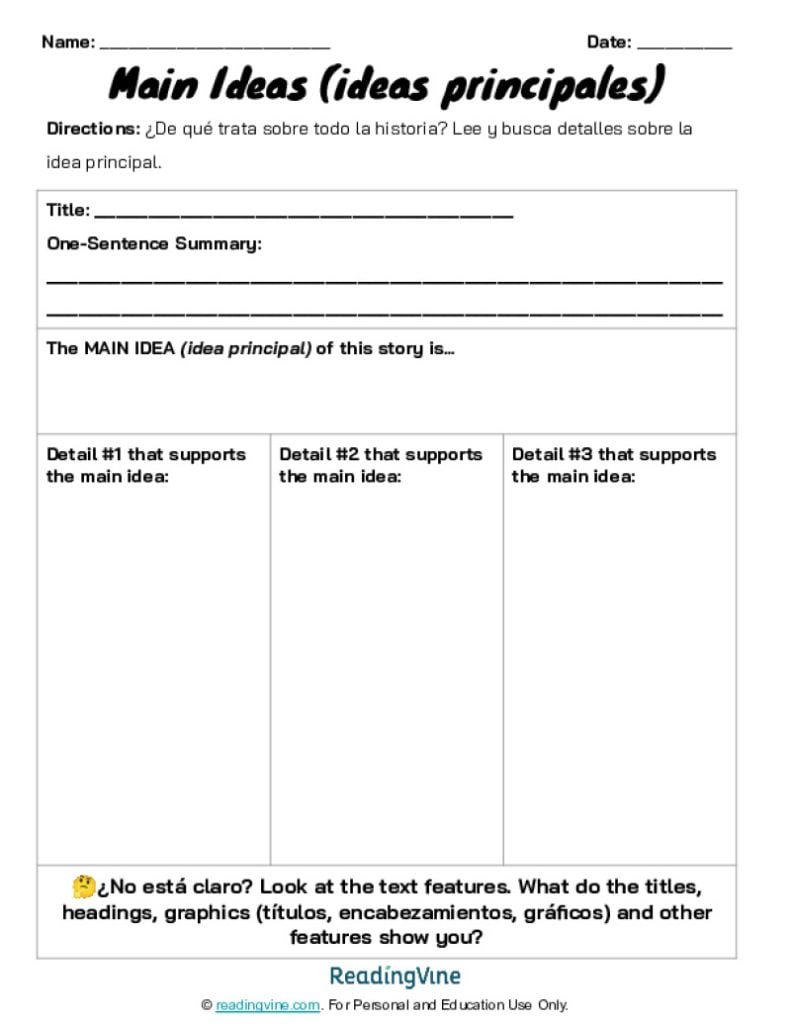
Approach A: quick, guided post-interruption re-entry using main idea worksheets for classroom. This option suits short periods, mixed-ability groups, and learners who benefit from structure immediately after a disruption. The worksheet is compact: one central main idea prompt, two supporting details, and a sentence that links back to the lesson objective. Prompts are explicit: reread the prompt aloud, circle the main idea, and mark one supporting detail.
The teacher models the process, then circulates to provide brief feedback. Real-world friction can show up here: a direction might be misunderstood because the interruption left a gap in prior instruction, or a learner finishes early and needs a quick extension. The advantage is swift re-engagement and reduced cognitive load; the tradeoff is the risk of surface-level understanding if prompts are too generic or not matched to readiness.
This route works best when preparation time is limited and when the aim is to re-establish momentum quickly.
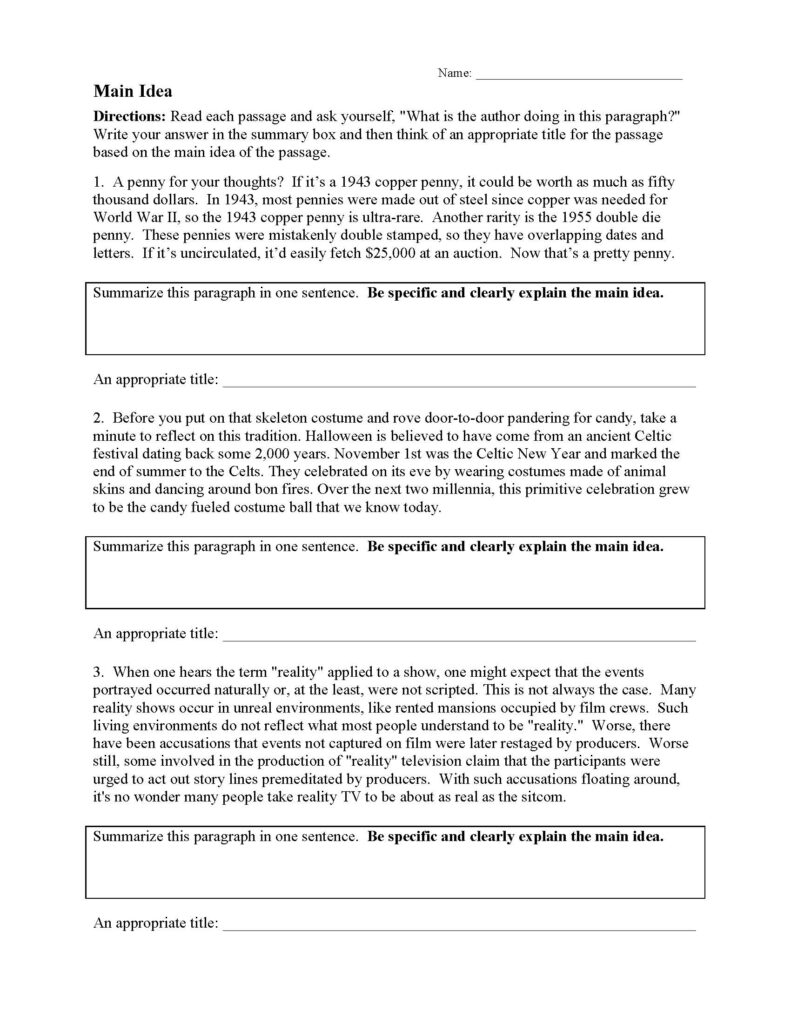
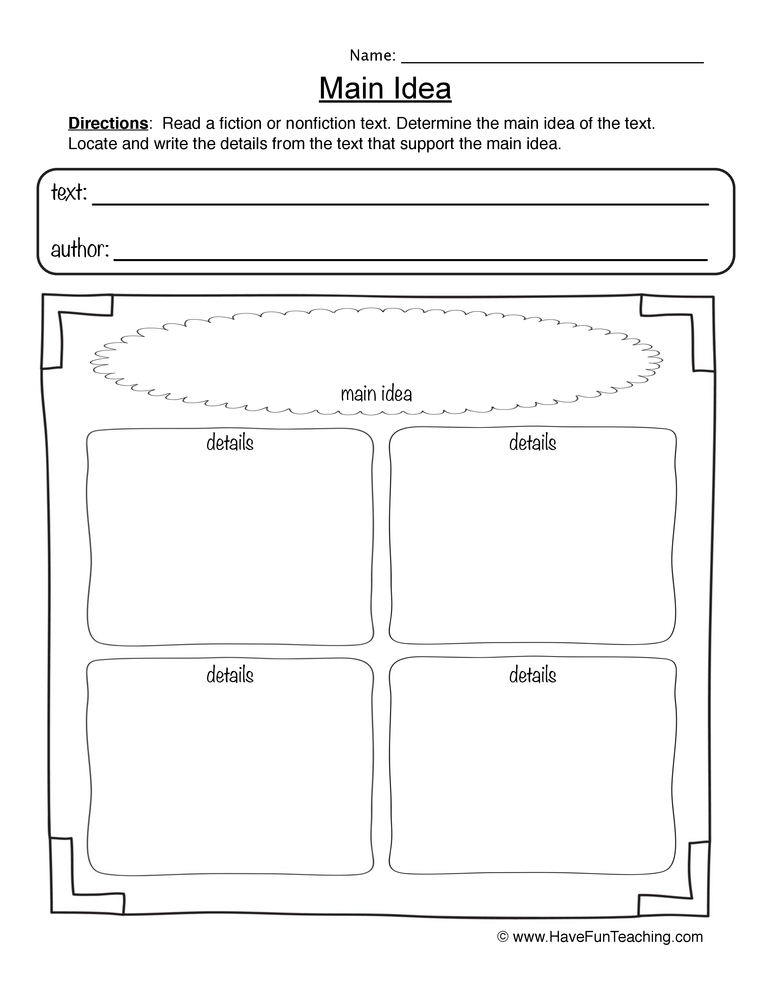
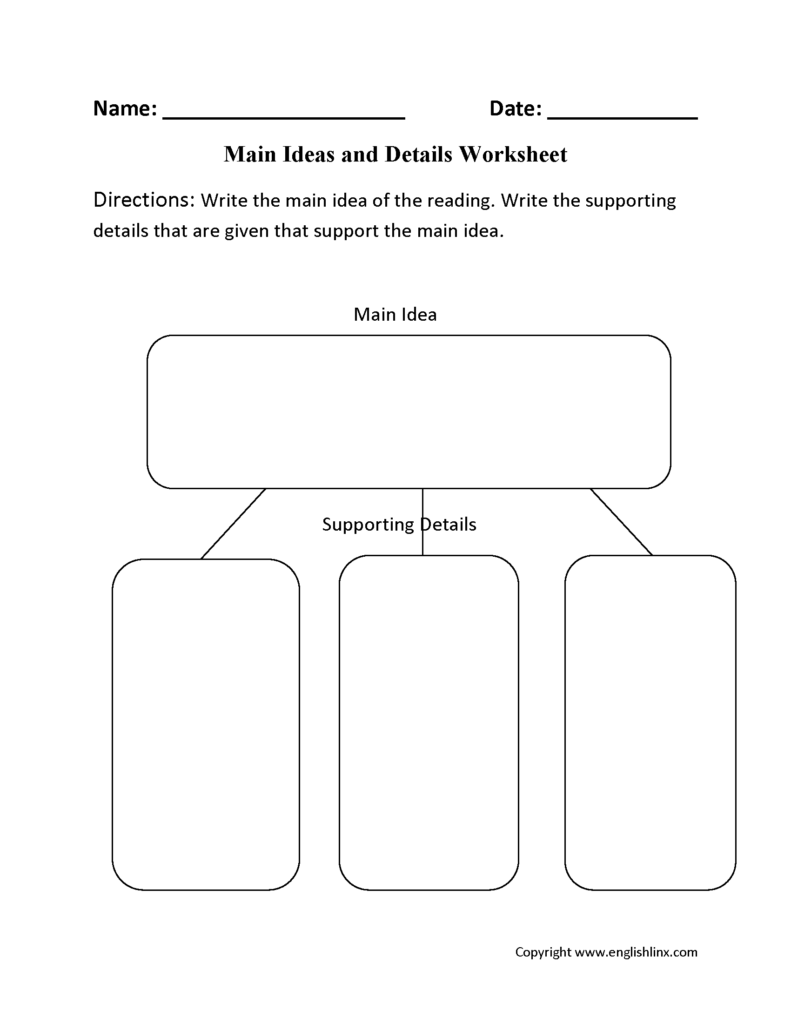
Approach B: a deliberate, scaffolded routine with longer processing time and repeated practice. In this version, main idea worksheets for classroom sit at the center of a small post-interruption sequence: a brief partner discussion, a solo draft, and a short reflection before moving on. The scaffolds include a sentence starter for the main idea, a vocabulary cue, and a rating of how clearly the main idea connects to the text.
Readiness is supported by modeling, then fading prompts as students gain confidence. Repeated practice across days builds fluency and reduces the fear of getting it wrong. This approach favors learners who benefit from guided support and steady progression, but it requires more preparation time and careful scheduling. If an adult changes the plan, this routine can absorb the shift without derailing the lesson, though it may feel slow to students hungry for immediate results.
Practical decisions
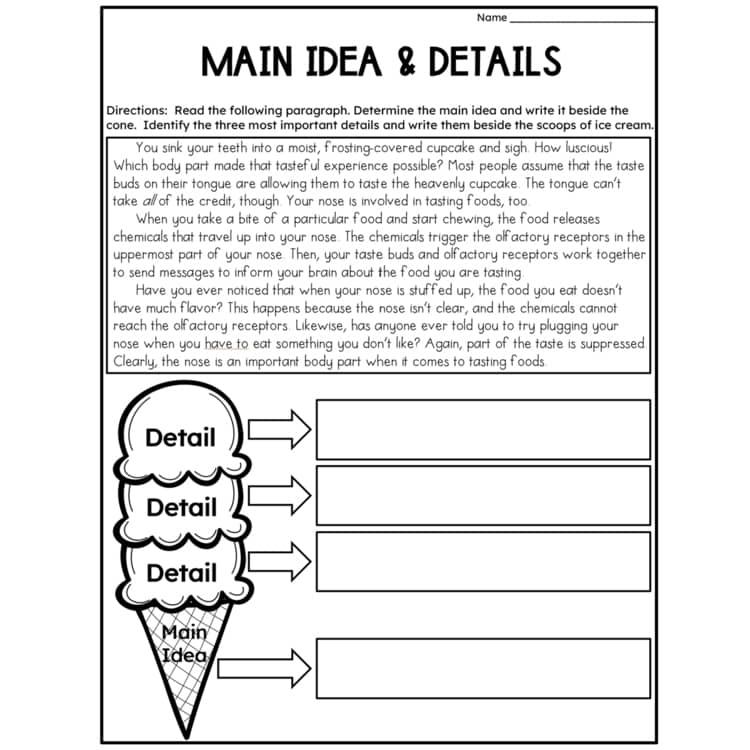
Beyond the two routes, several practical factors shape the use of main idea worksheets for classroom after an interruption. Age and readiness matter: younger students may need shorter prompts and more explicit cues, while older learners can handle concise main idea statements and brief rationale. Attention span and independence influence whether you lean toward Approach A or B. Guided support is a bridge; some learners gain confidence when an adult checks alignment between the main idea and details, whereas others work best with gradually reduced help.
Repeated practice matters: spacing the activity across days helps retention and reduces anxiety after disruption. Preparation time is a real constraint: a teacher can build a shared template for quick adaptation, so a worksheet after an interruption is ready even on busy days. Interruption frequency can dictate pacing—if disruptions are common, a predictable routine wins; if interruptions are rare, fit the worksheet into a longer post-task phase.
The decision to stop, adapt, repeat, or move on should hinge on observed understanding, not just time.
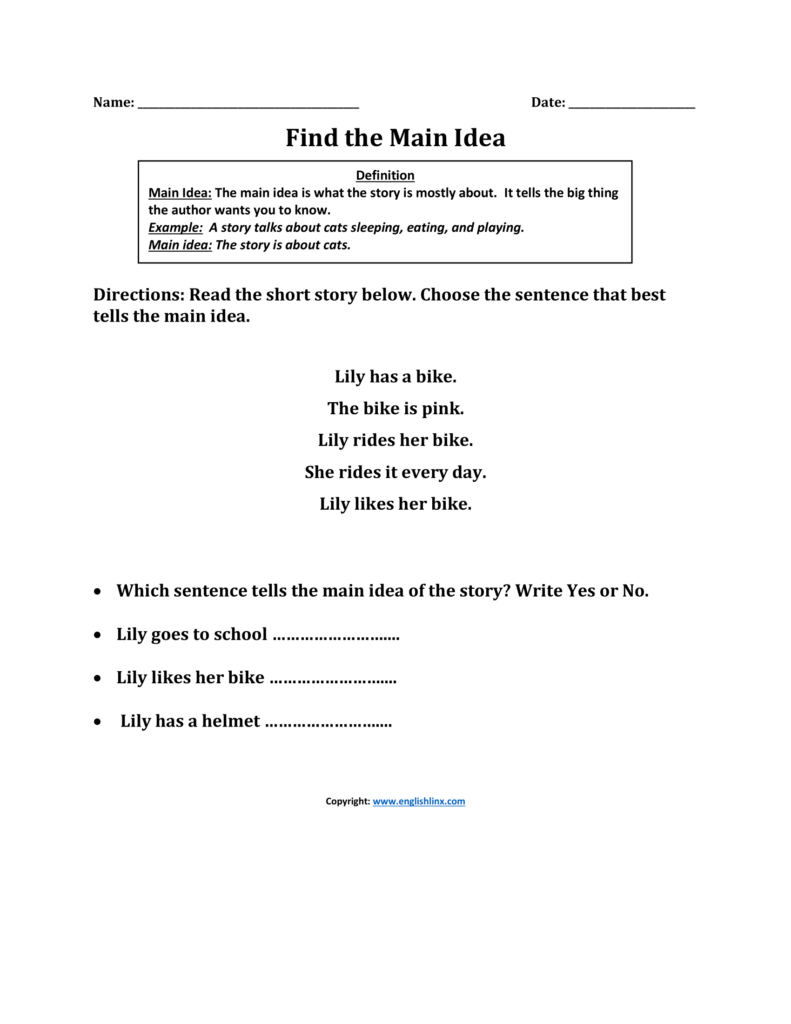
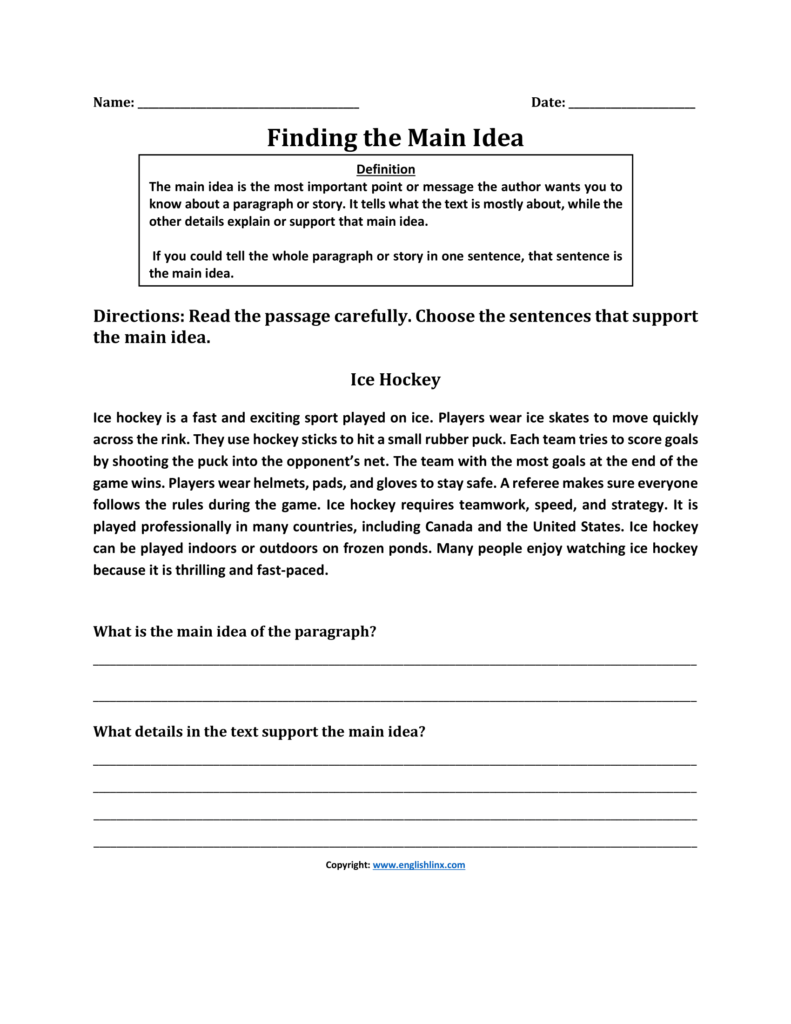
One small adjustment can make main idea worksheets for classroom more usable without changing the underlying purpose. One small adjustment is to add a single, shared objective line at the top of the worksheet: 'State the main idea in one sentence and name two supporting details.' That tiny addition clarifies expectations for all learners and reduces misinterpretation after interruptions.
It can be used with either Approach A or Approach B, and it scales with different readiness levels: teachers can vary the complexity of the main idea line while keeping the same core task. In practice, this keeps the focus on the central concept while preserving flexibility to adapt timing, groupings, and supports. When a learner finishes a task early, this ensures there is still a clear target rather than a blank page.
In all cases, the core purpose remains: reinforce understanding of the main idea after a disruption, in a way that respects pacing and classroom realities.