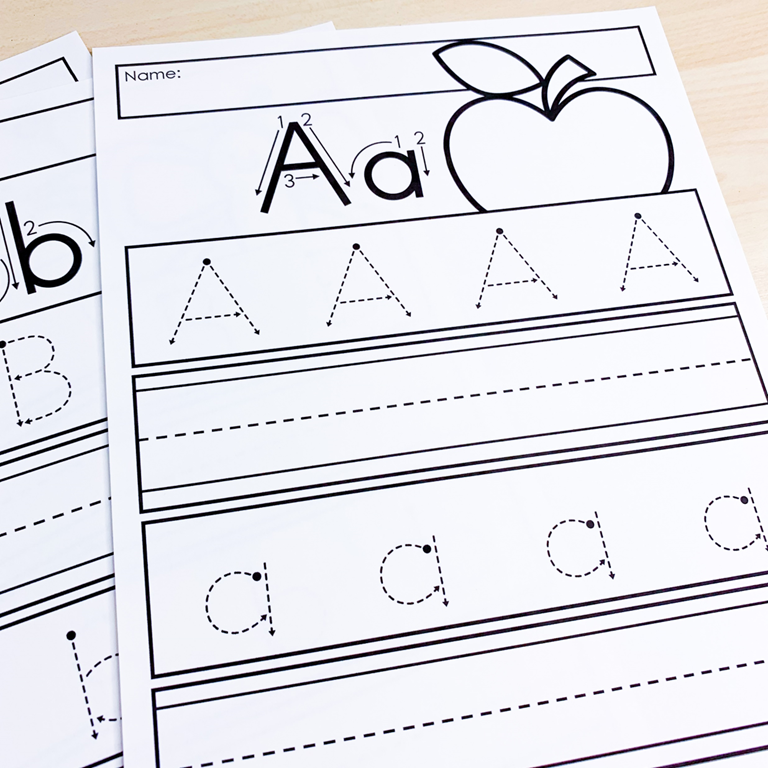
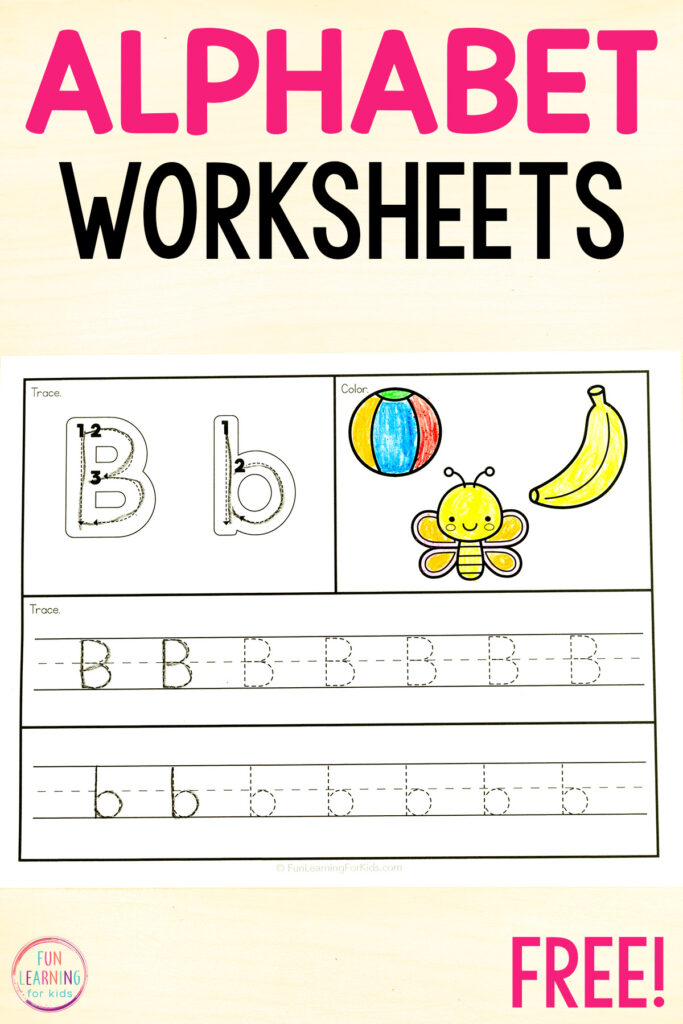
Alphabet letter formation worksheets help children learn how to write letters correctly from the start. The most useful pages show both uppercase and lowercase letters, with clear models that make each shape easy to copy. Good worksheets focus on how letters are formed, not just on repetition, so children can practice the right pencil movements and build cleaner handwriting habits.
What good worksheets show
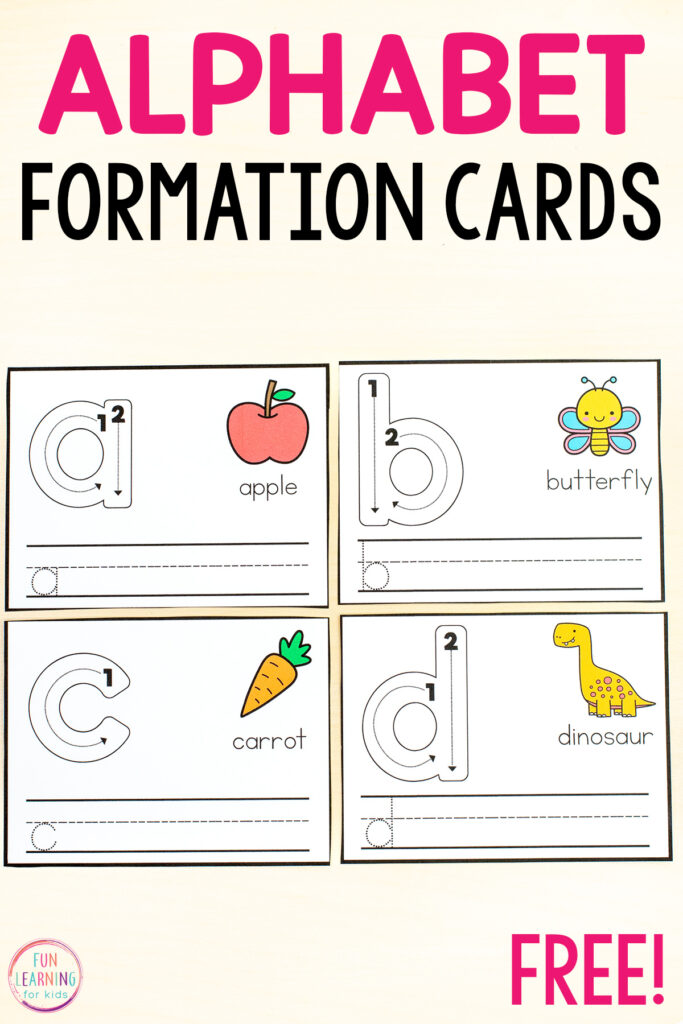
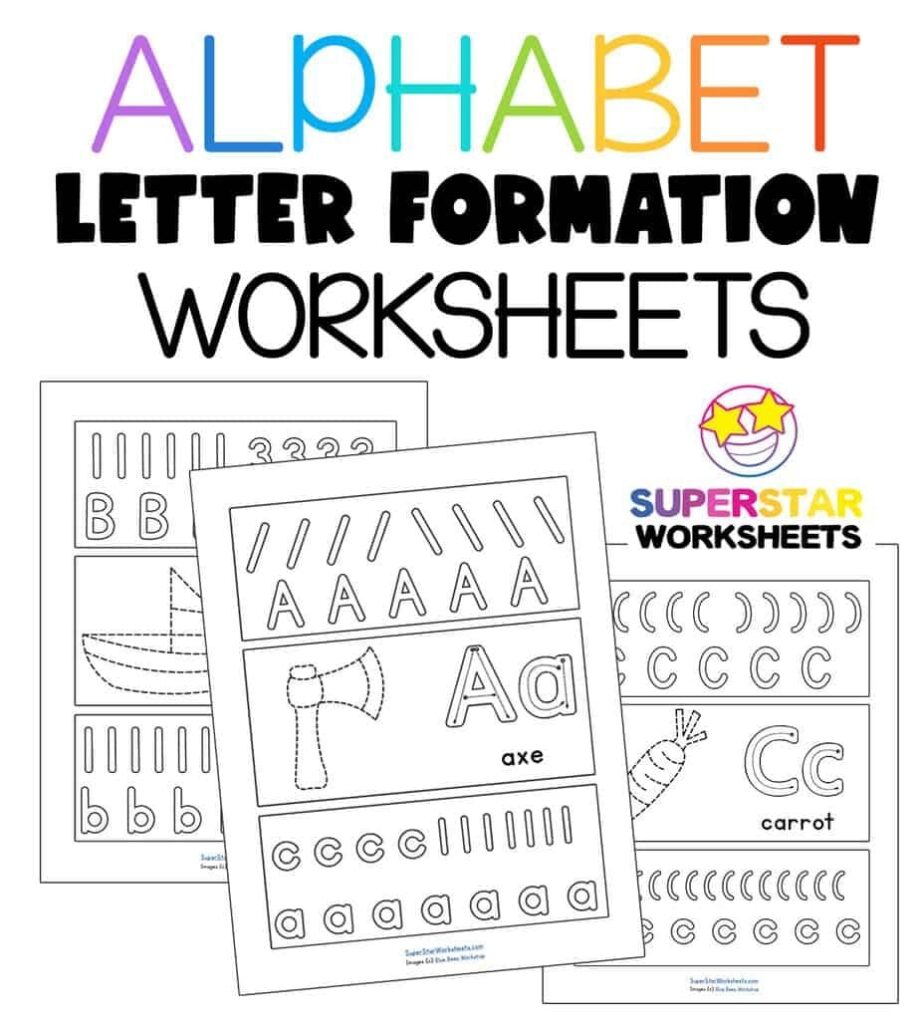
Strong alphabet letter formation worksheets make stroke direction and stroke order easy to follow. That means children can see where to begin a letter, which way to move the pencil, and when to lift or continue the stroke. This guidance matters because correct formation helps letters stay recognizable and consistent. Worksheets that use arrows, numbered steps, or dotted starting points give children a clear path for practicing each letter accurately.
Practice levels to use
The best worksheets usually move through tracing, guided writing, and then independent practice. Tracing gives children a low-pressure way to copy the shape while following the model. Guided writing may include dotted starting points or partial letters so learners complete the form themselves with support. Independent practice is important after that, because it shows whether the child can form letters without visual prompts. A good set includes all three levels so practice grows naturally.
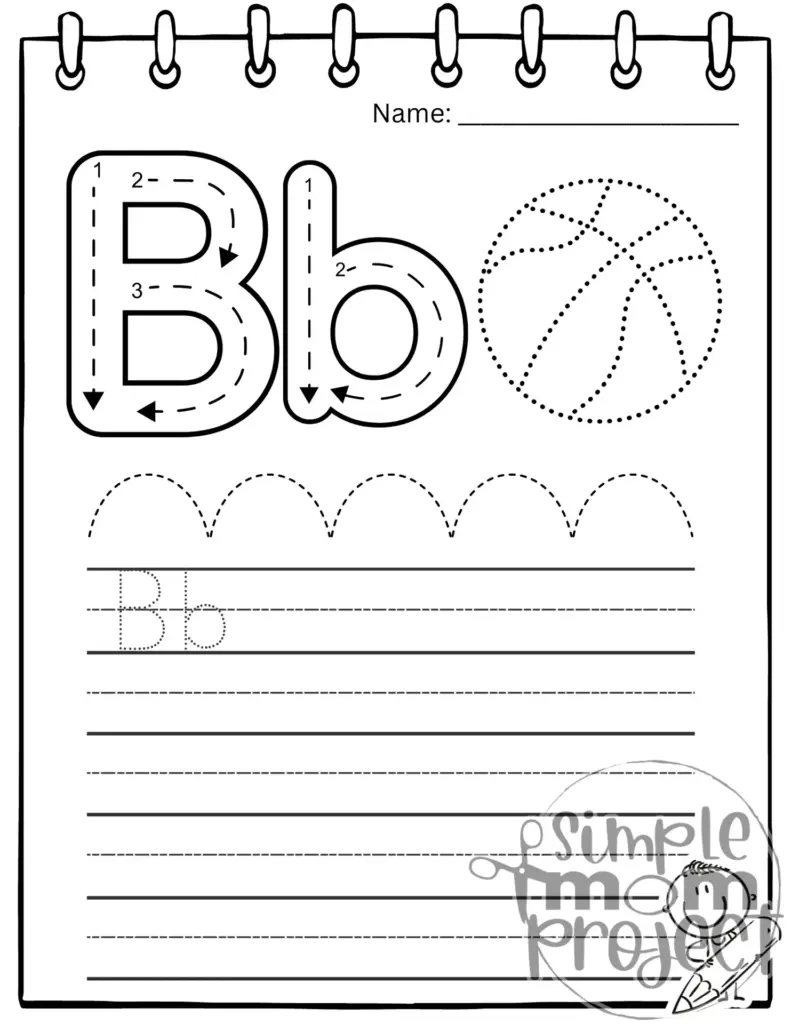
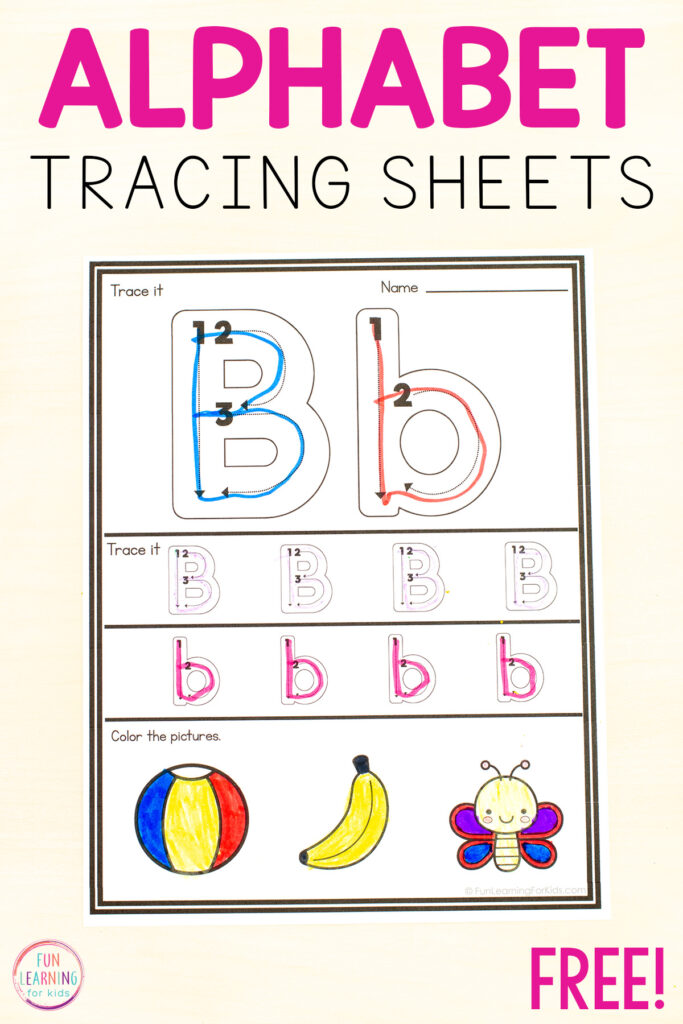
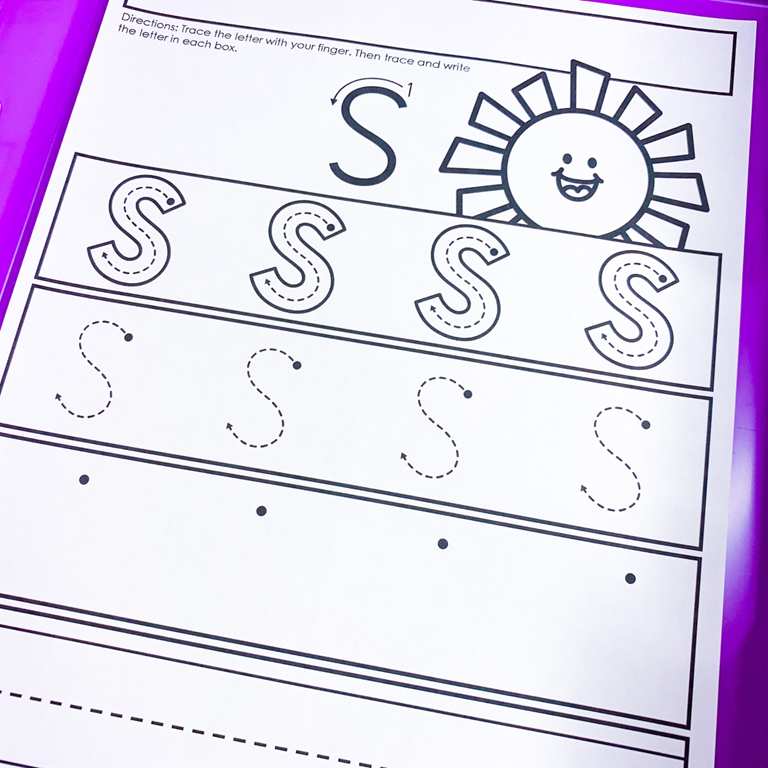
Age-appropriate alphabet letter formation worksheets should match a child’s stage of writing development. Younger learners often need larger letters, simple lines, and plenty of spacing to control movement. Older beginners may benefit from smaller writing spaces and more focused practice on difficult letters that are easy to reverse or mis-form. The goal is steady, correct formation in both uppercase and lowercase letters. Choose worksheets that feel manageable first, then build toward more confident independent writing.