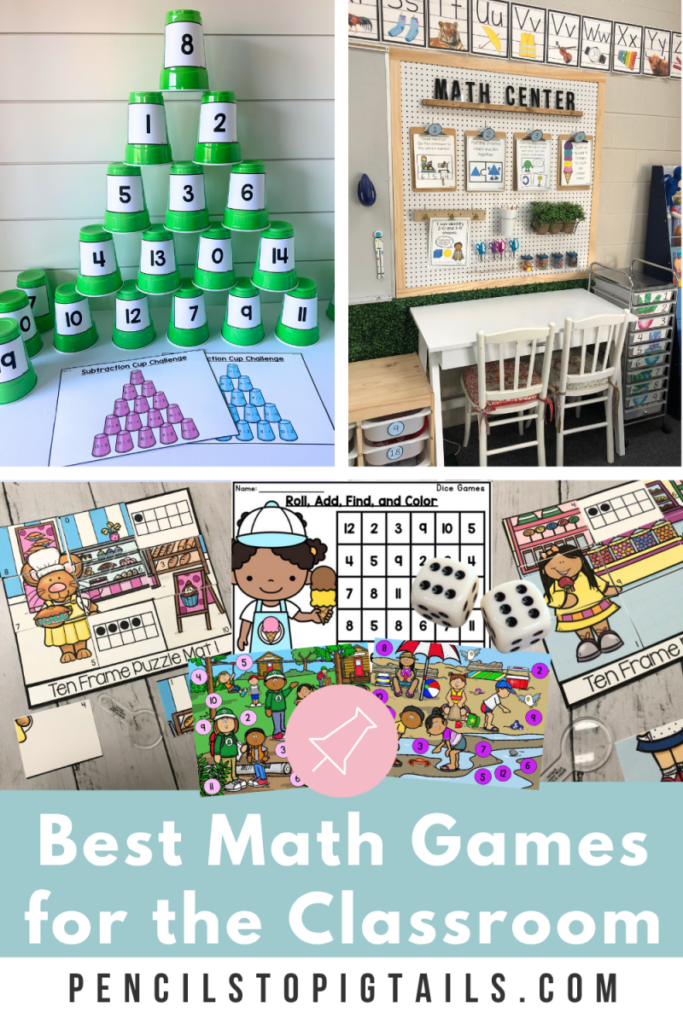
Math games for1st graders work best when they are short, familiar, and easy to start with no special setup. The strongest choices help children practice counting, number sense, comparing amounts, and simple addition or subtraction while staying playful. A good game for this age uses dice, cards, counters, or everyday objects so kids can jump in quickly at home or in class.
Counting and Number Sense
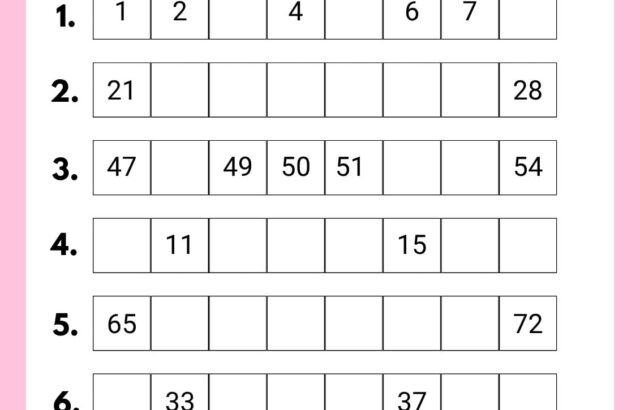
For counting and number recognition, try “roll and cover” with a die and a small set of objects, or a quick scavenger hunt for groups of 1 to 10 items. These games help first graders connect numbers to real quantities, not just symbols. You can also use number lines, finger counting, or say-and-build games with blocks. Keep the rounds brief so children stay focused and can repeat the skill several times.
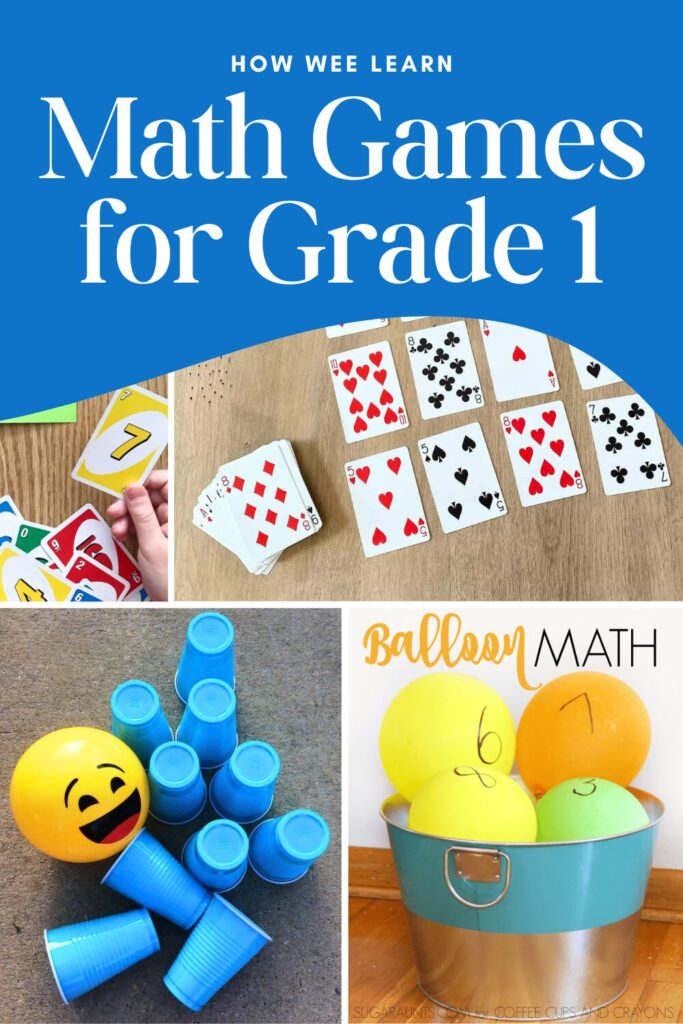
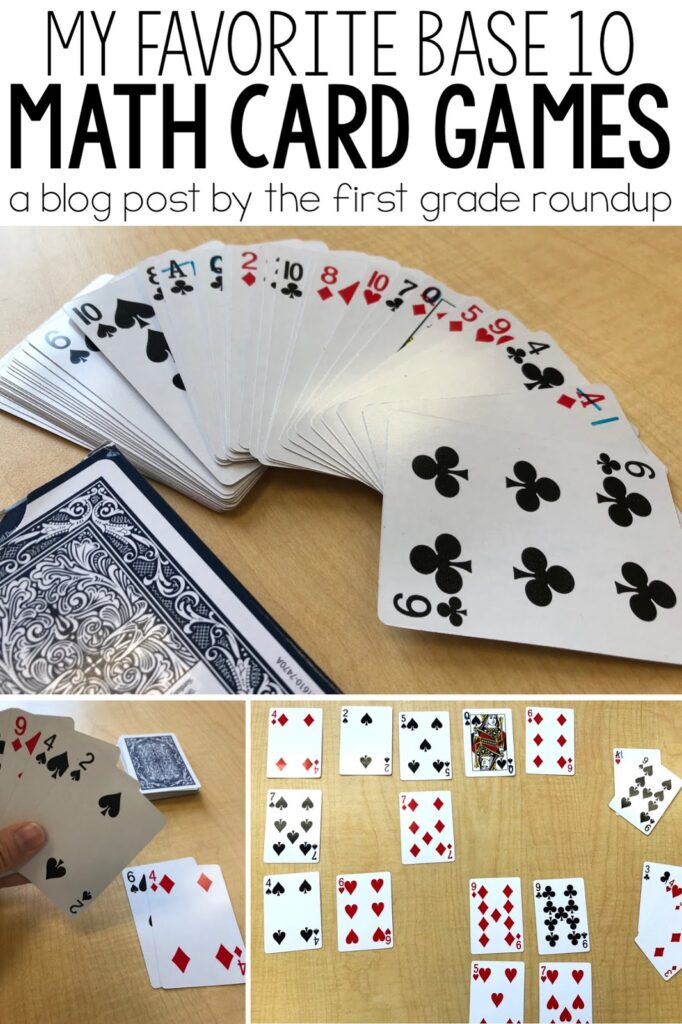
To practice comparing quantities and early addition or subtraction, use games like “which has more?” with two piles of counters, or simple card draw games where kids add the two numbers they pick. Dice games work well too: roll, make the total with cubes, then take one away. These activities build mental math, subitizing, and the idea that numbers change when you add or subtract. Use small sets within 10 to match first-grade skills.
Easy Materials and Setup
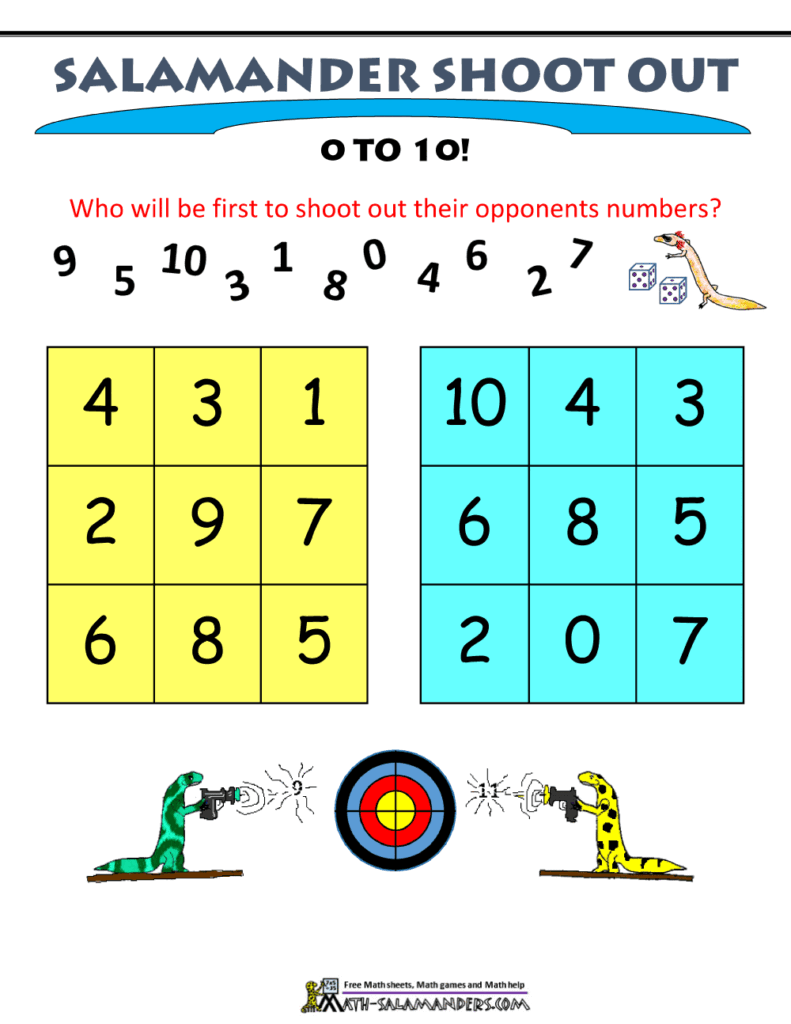
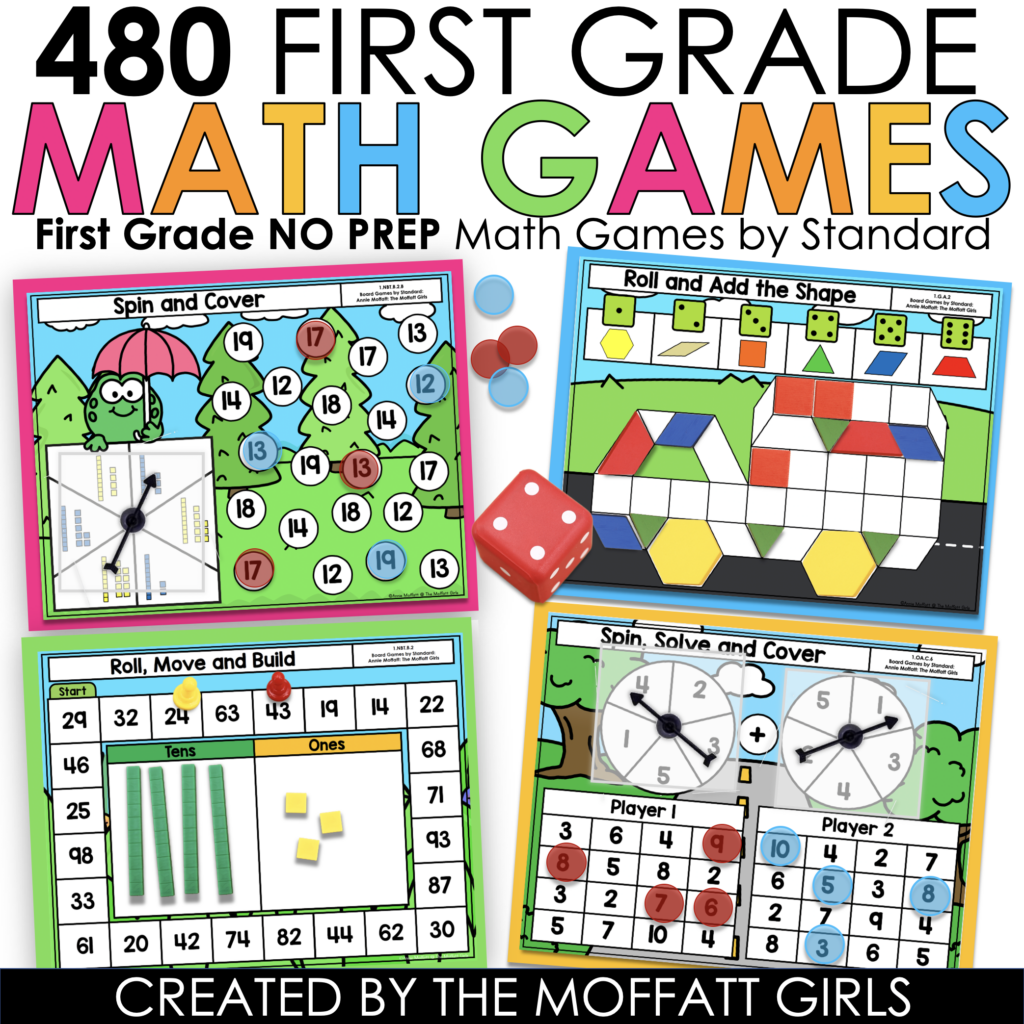
The best low-prep math games for first graders can be made from items already on hand: paper scraps, buttons, beans, index cards, coins, or building blocks. A game is easy to reuse if it needs only one clear rule and a quick way to track points or turns. For home use, keep materials in a small box. In the classroom, choose games that work in pairs or small groups so everyone stays active without waiting long.
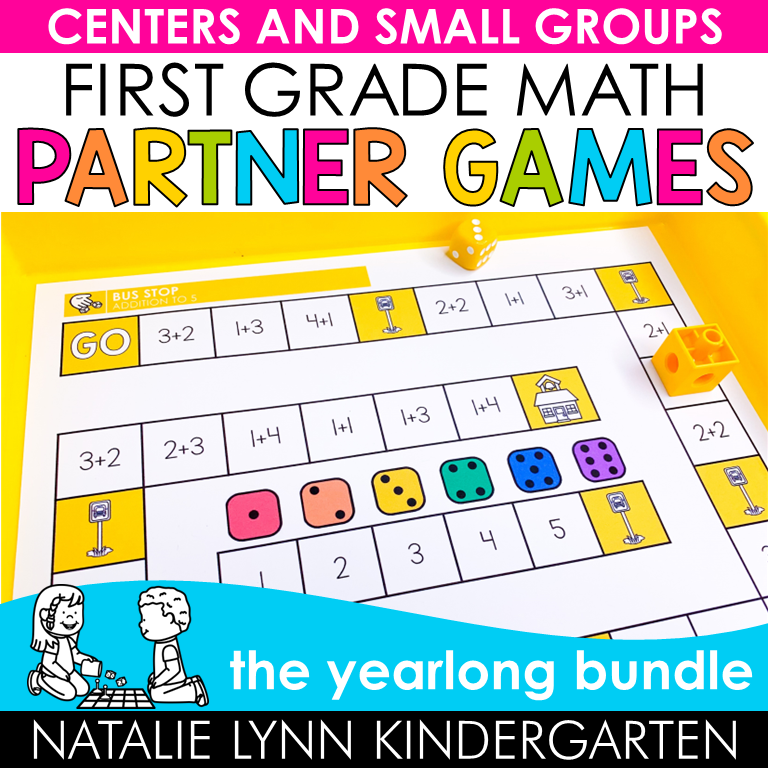
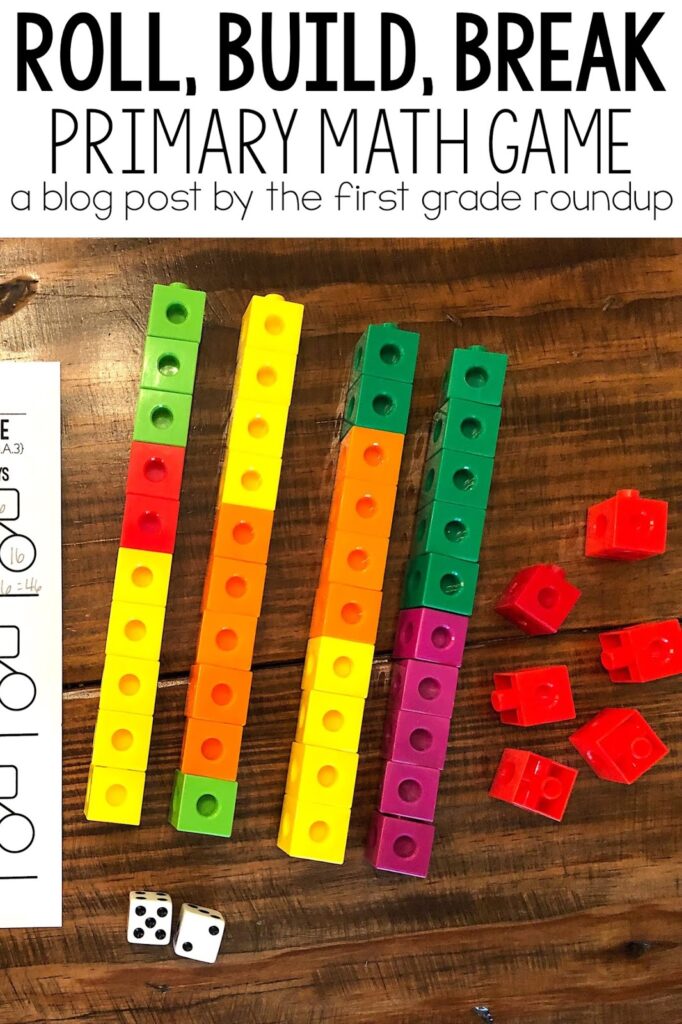
When choosing a game, look for one that matches the skill you want to reinforce and can be played in five to ten minutes. First graders do well with clear visuals, simple directions, and a little movement. If a game becomes too easy, change the numbers; if it feels too hard, return to counting objects before using symbols. The best choice is the one a child can play again soon, because repetition makes these early math ideas stick.