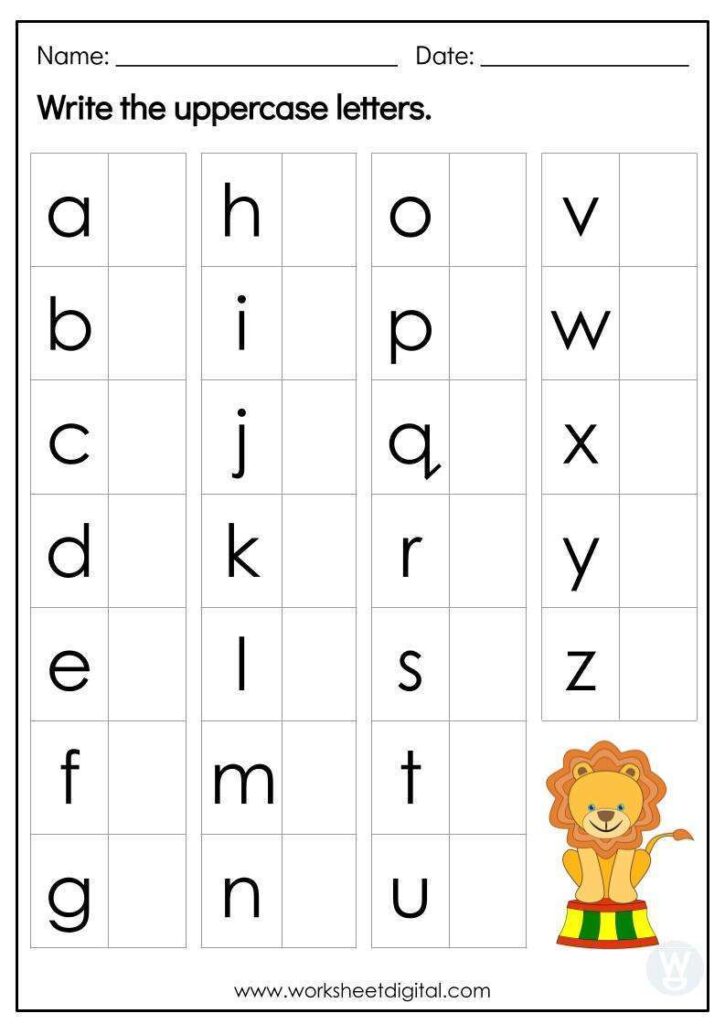
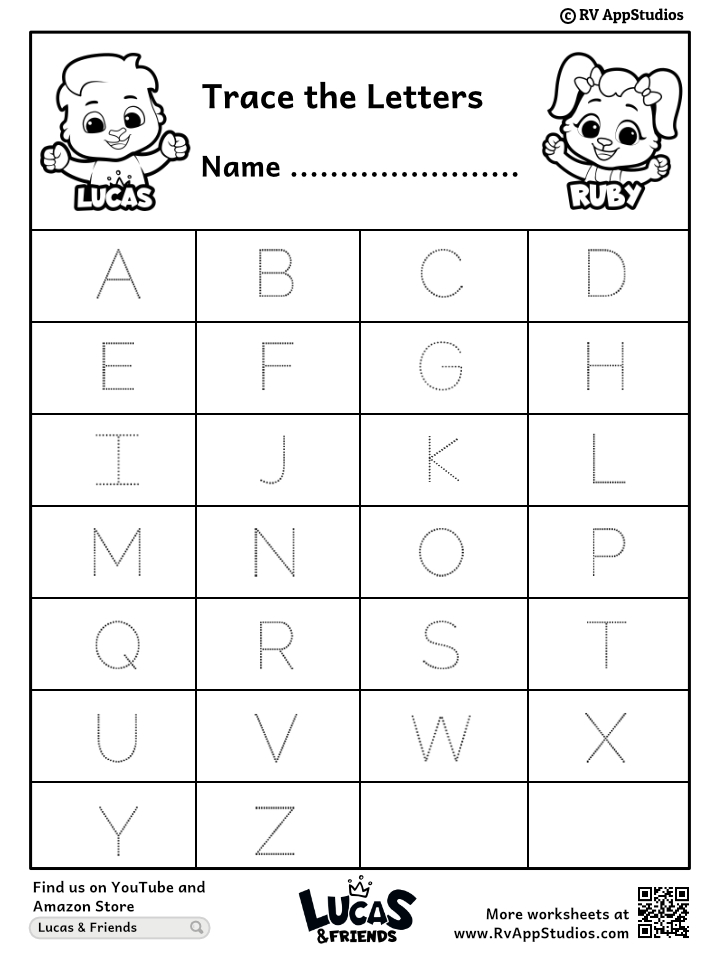
Uppercase letter writing worksheets help children learn how to form capital letters cleanly, consistently, and with less frustration. The best ones give focused practice on one letter at a time, using clear models and enough repetition to build confidence. They should support tracing first, then independent writing, so learners can move from copying a shape to writing the letter on their own with better control.
What They Teach
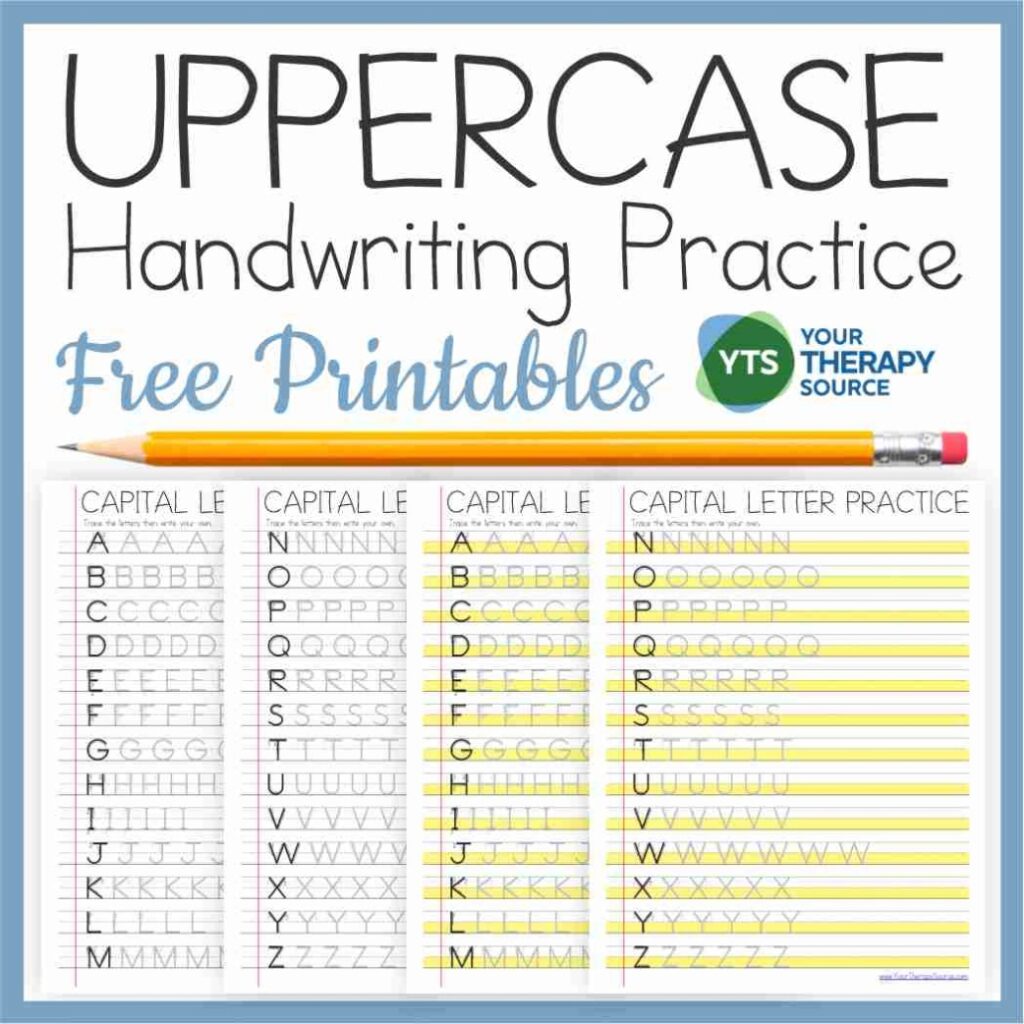
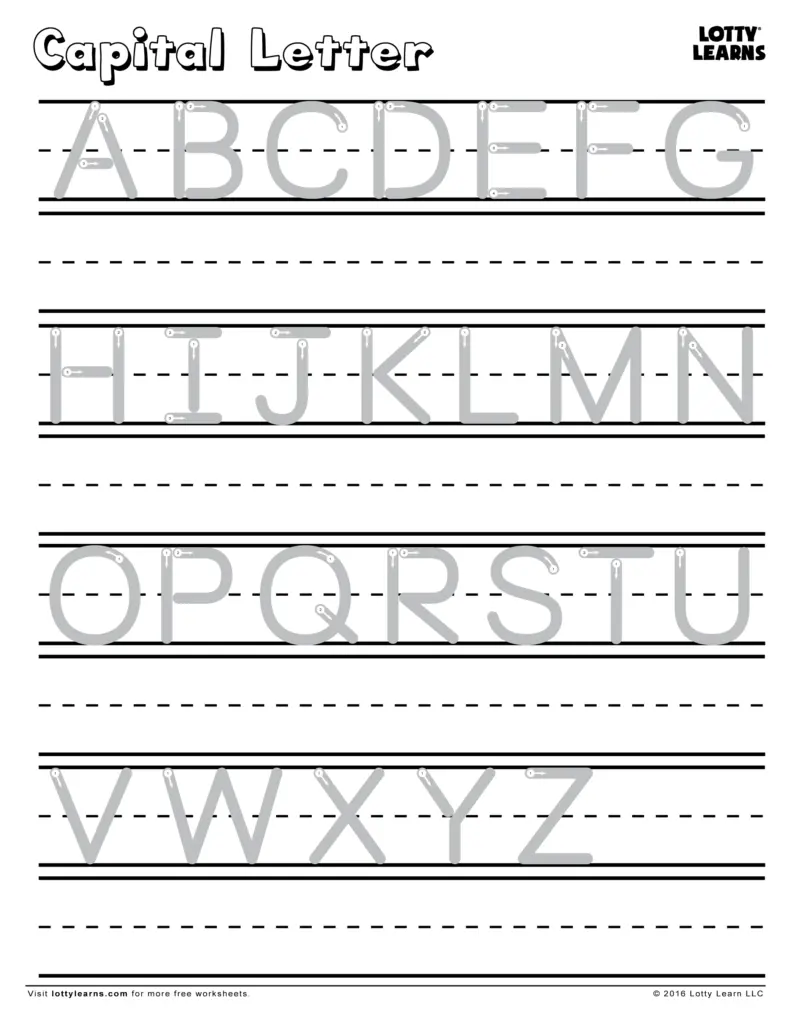
These worksheets are for building basic uppercase handwriting skills, not for speed. Good pages show how each capital letter starts, changes direction, and ends. Tracing helps children follow the correct path before they try writing alone. Independent practice should come after that, with several chances to repeat the same letter in a row. This repetition matters because uppercase letters often look simple, but many still need careful line control and consistent spacing to stay legible.
Signs of Good Practice
An age-appropriate worksheet matches the child’s stage of learning. Younger children usually need larger letters, wide tracing lines, and plenty of visual cues such as arrows or dotted forms. Older beginners can handle smaller spaces and more writing without tracing. The page should not feel crowded, and the letter examples should be easy to see. If the worksheet asks for too much too soon, children may copy poorly formed letters instead of learning clear uppercase handwriting.
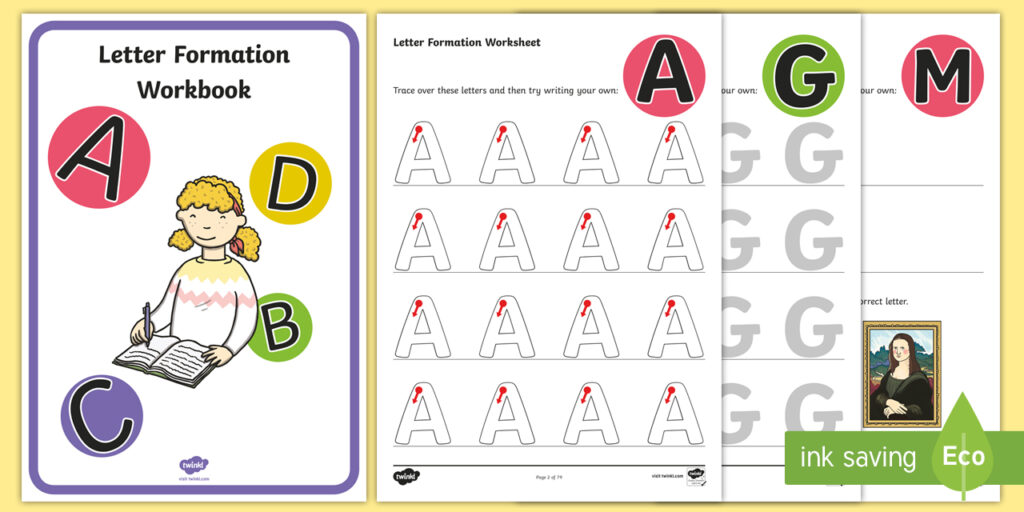
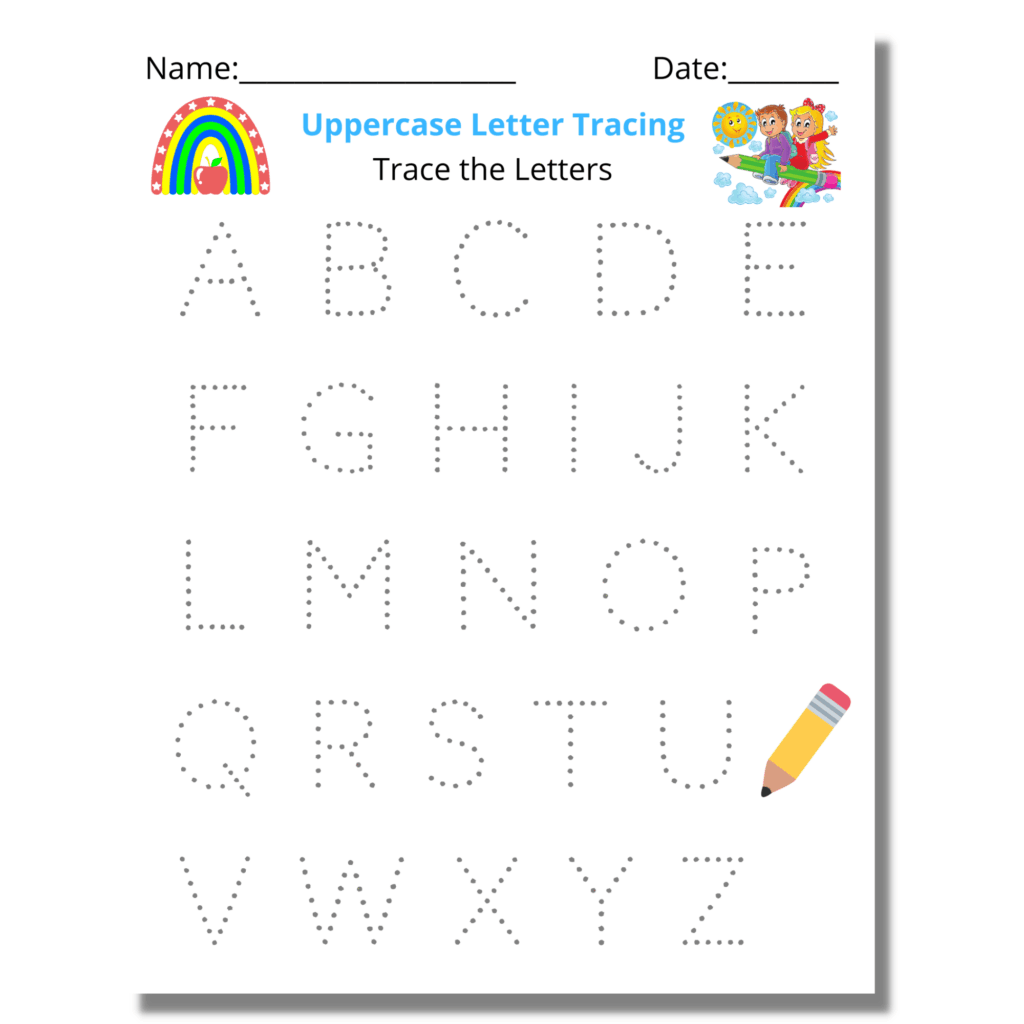
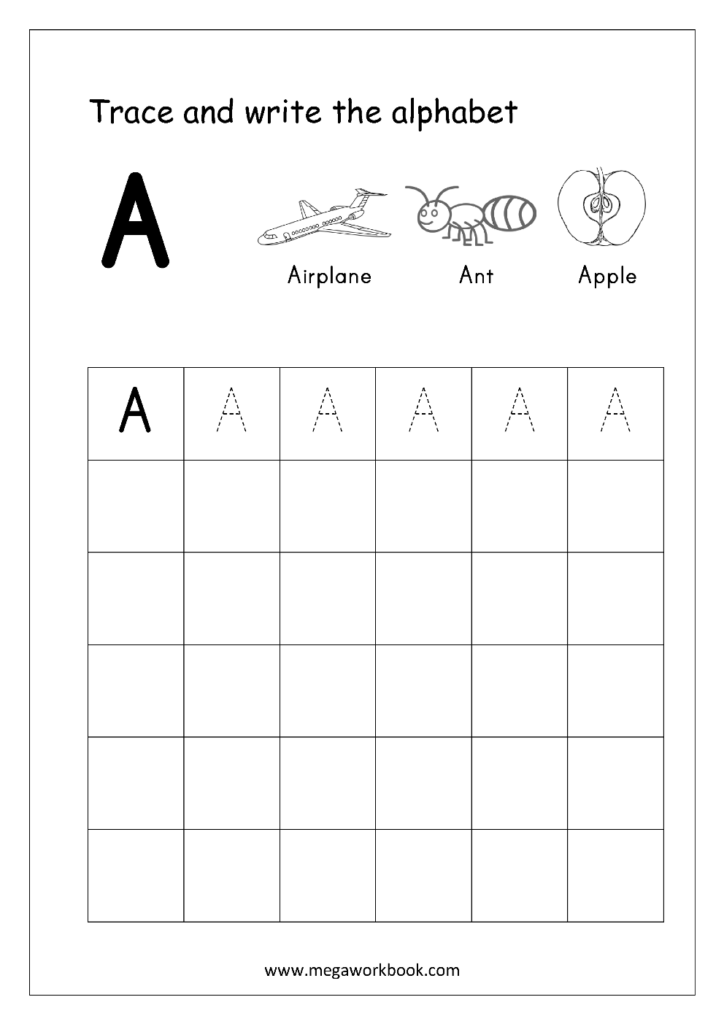
The strongest uppercase letter writing worksheets balance support with independence. Look for clear letter models, tracing that shows stroke order, and enough empty space for repeated practice after tracing. Good worksheets also keep the design simple so the letter shape stands out. Avoid pages that focus on decoration more than formation. A worksheet is useful when it helps a child recognize the capital letter, practice it correctly, and write it legibly without guessing how the shape should look.