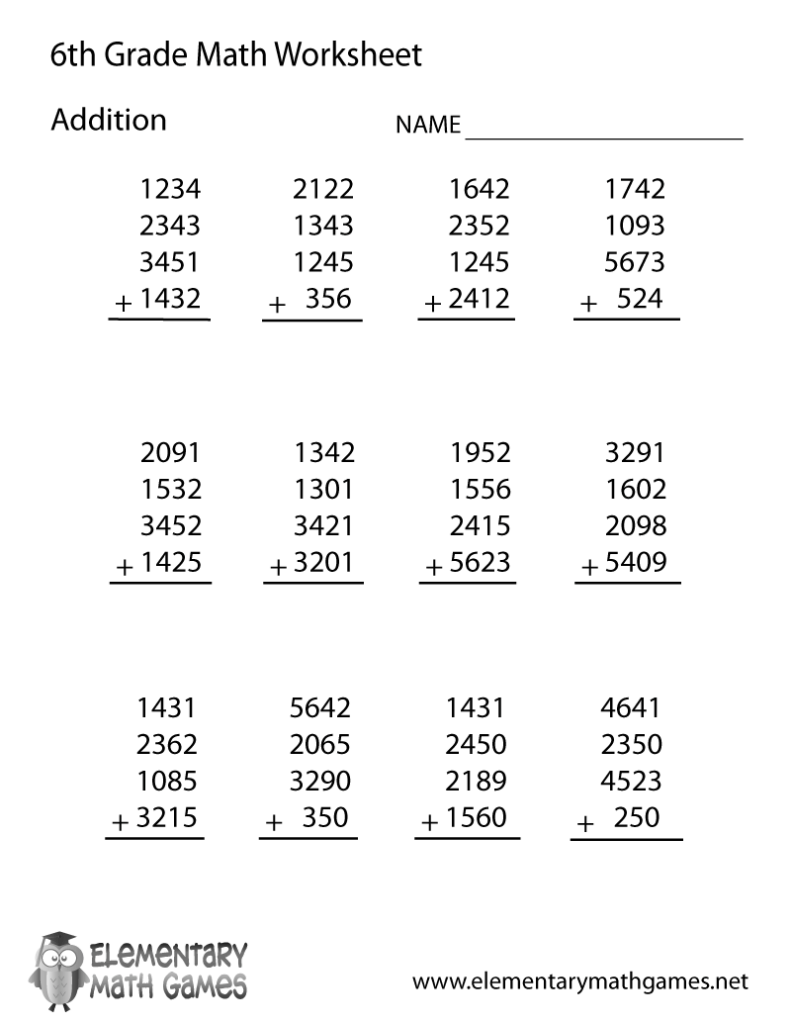
A good 6th grade math worksheet gives focused practice on the skills students are actually learning. It should be easy to read, match sixth-grade standards, and offer enough problems to build confidence without feeling overwhelming. The best worksheets usually center on fractions, decimals, ratios, expressions, equations, and basic geometry, with clear directions and a straightforward answer format.
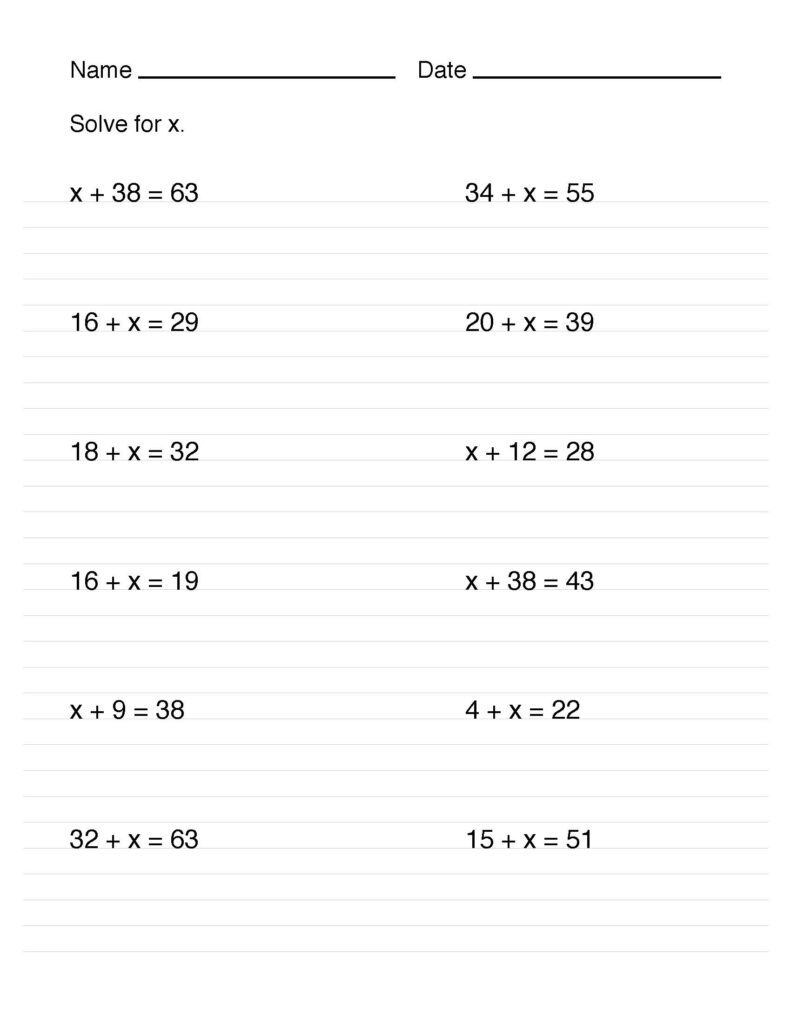
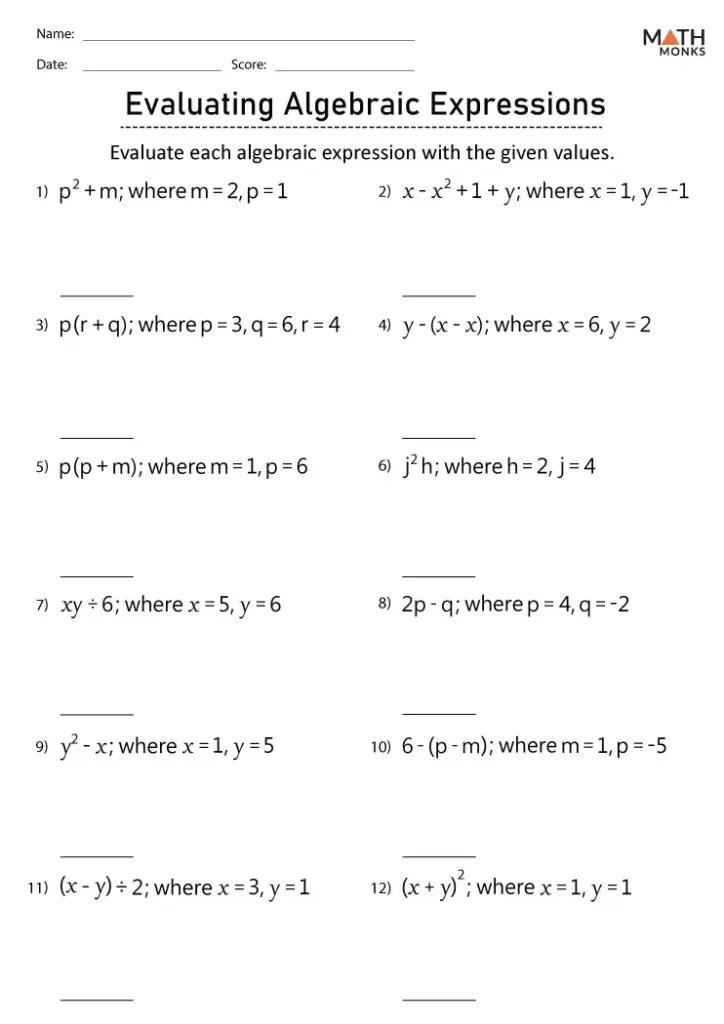
When choosing a worksheet, look first at the topic and skill level. Sixth graders often need practice comparing fractions, adding and subtracting decimals, working with ratios, evaluating expressions, and solving one-step or multi-step equations. Geometry practice may include area, volume, or finding missing side lengths. A strong worksheet stays within one main skill or a closely related set of skills, so students can focus instead of guessing what the lesson is about.
What Makes It Grade-Appropriate
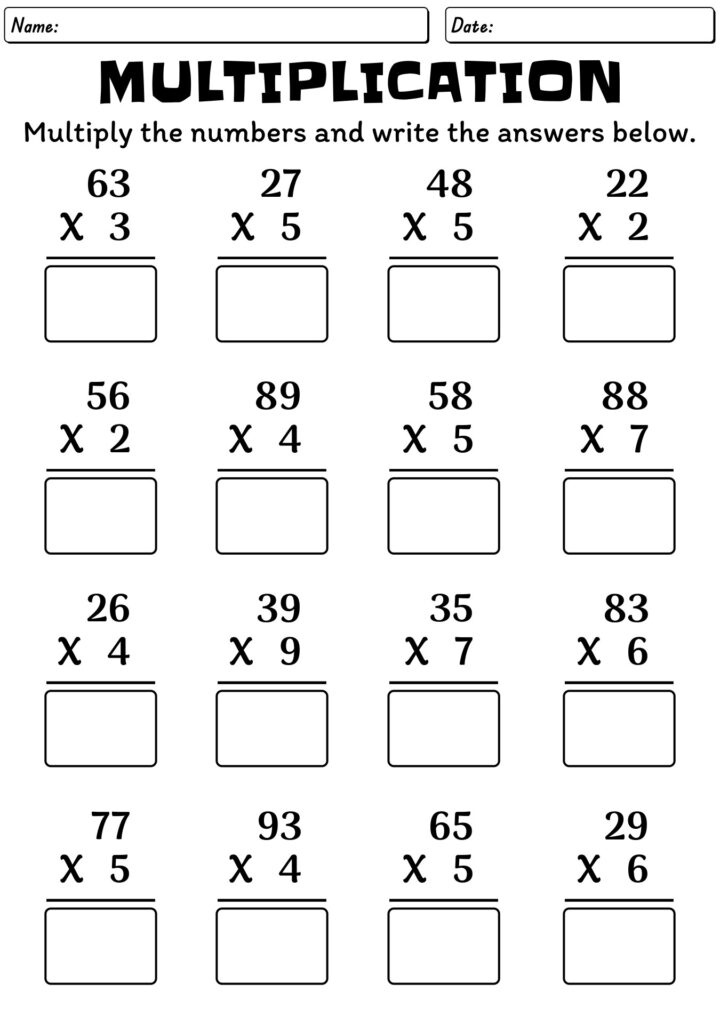
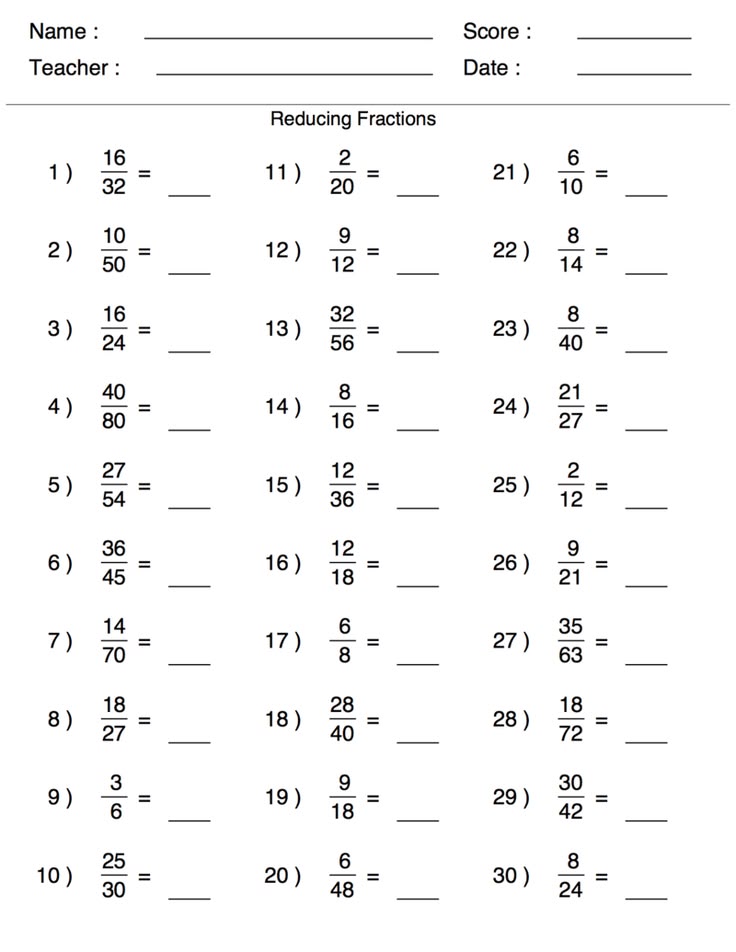
Grade-appropriate worksheets usually have simple instructions, uncluttered formatting, and a problem count that fits the purpose. Short practice sets work well for warm-ups or review, while a longer page can help with assessment. The wording should be clear enough for independent work, and the problems should not rely on advanced reading skills. If a worksheet mixes too many topics or uses confusing directions, it is less useful for sixth-grade practice even if the math itself is correct.
Using It Well
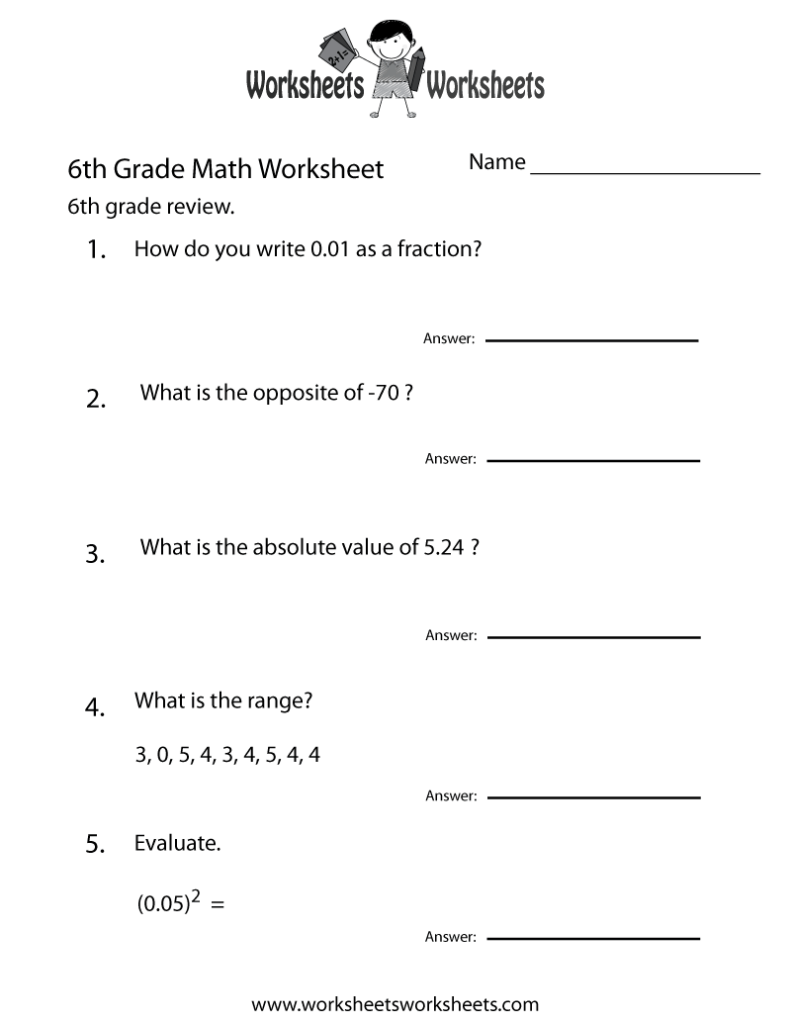
A 6th grade math worksheet is most effective when the goal is clear before students start. For practice, it can reinforce a new skill after a lesson. For review, it can show which topics need extra attention. For assessment, it should be completed independently and checked against the answers afterward. Encourage students to show steps on problems involving fractions, equations, or geometry, since that makes it easier to spot mistakes and understand the process, not just the final answer.
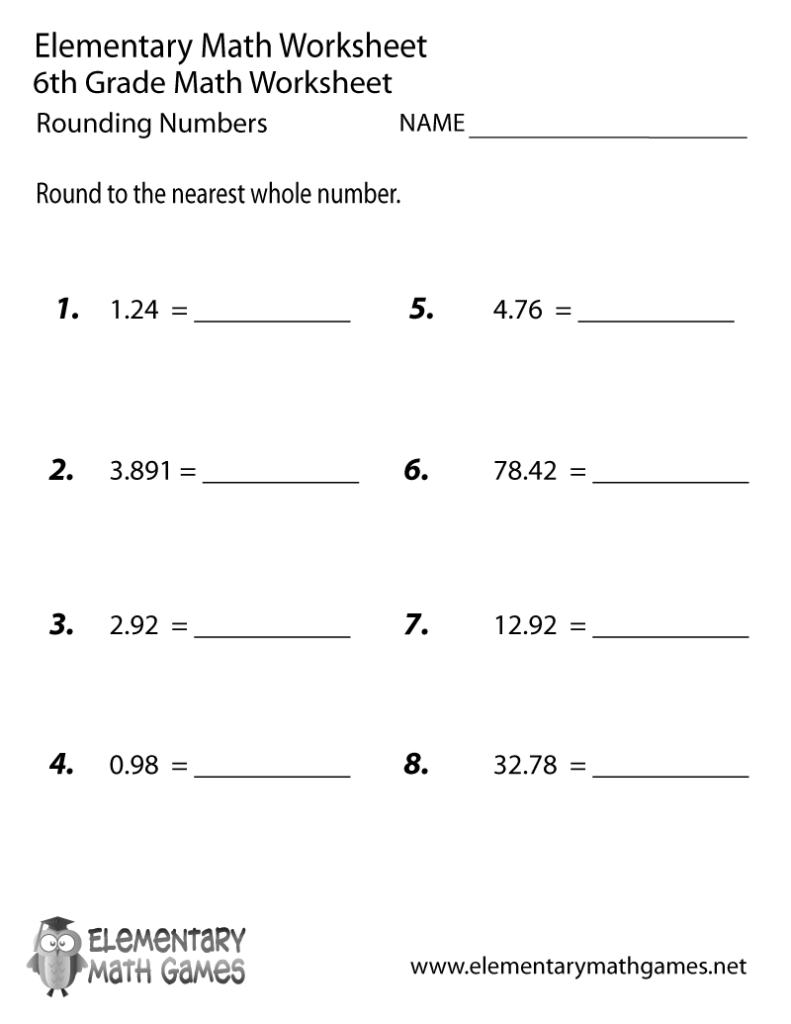
The best choice is the worksheet that matches the exact skill a sixth grader needs next. If the student is confident, choose mixed review. If the student is struggling, choose a single-skill page with fewer problems and clear examples. Used this way, a worksheet becomes more than extra practice: it becomes a quick, practical tool for building accuracy, checking understanding, and preparing for the next math lesson.