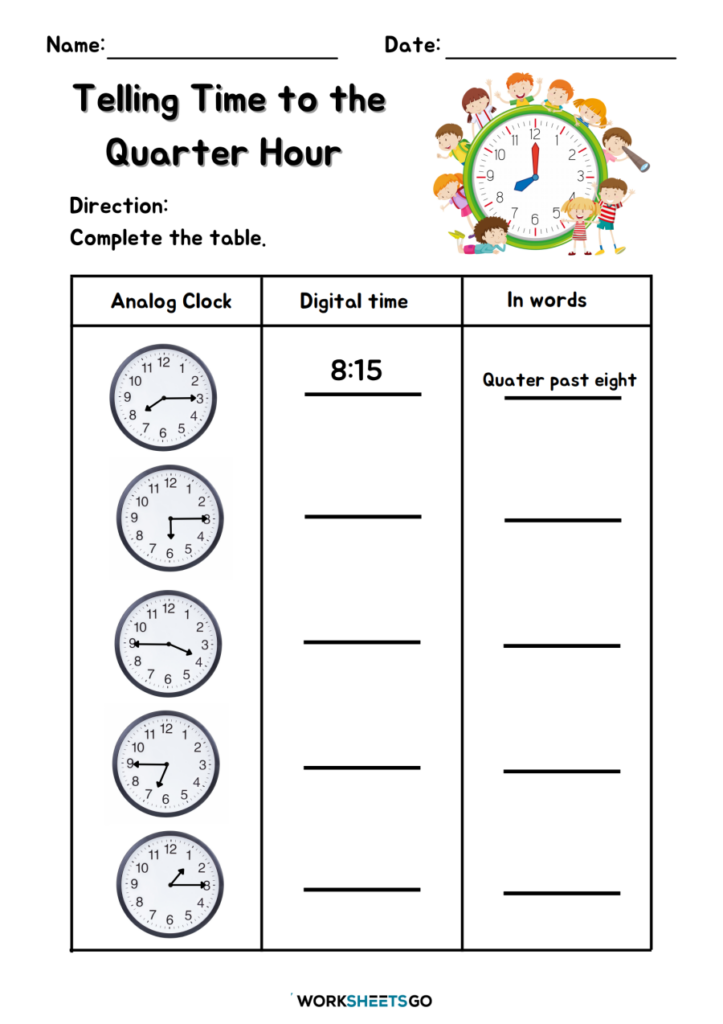
Telling time printable worksheets give children a simple way to practice reading clocks at their own pace. The best sets start with clear analog clock faces and move from whole hours to half-hours, then quarter-hours and five-minute intervals. Good printables also include places to write the time, match clock and digital times, and draw hands on blank clocks.
Core skill levels
Look for worksheets that build in small steps. Beginners usually need practice with whole hours first, such as 3:00 or 7:00, because the hour hand is easiest to notice. Next, half-hour pages help children see the minute hand at 6. Quarter-hours add a new layer of detail, and five-minute intervals are useful once students can count by fives confidently. This progression keeps the work clear instead of overwhelming.
Best worksheet formats
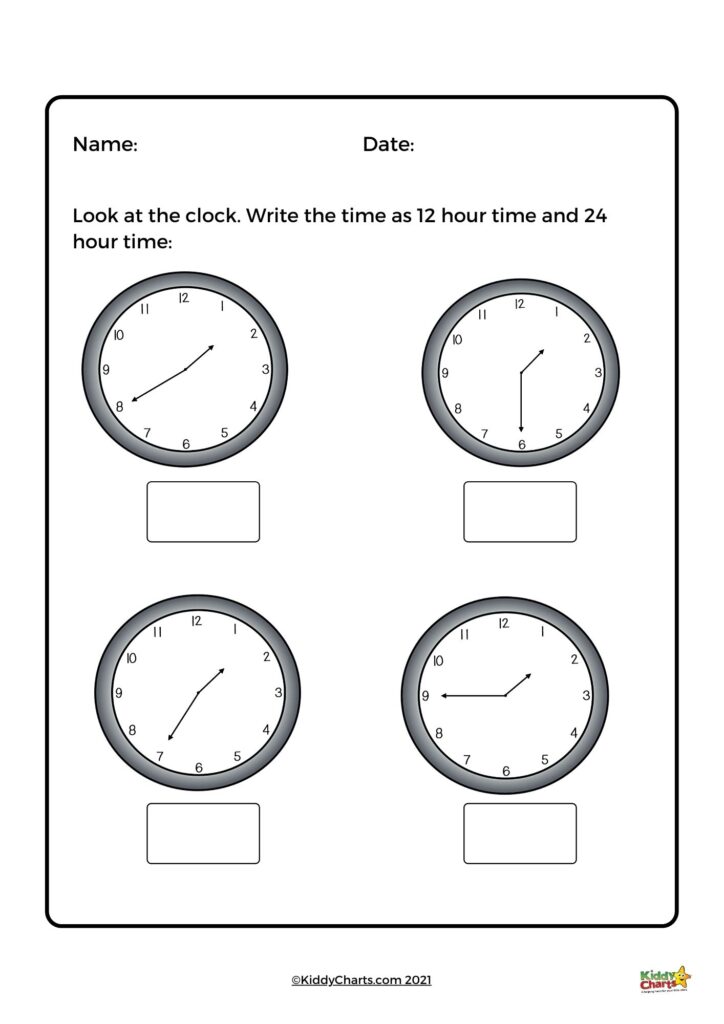
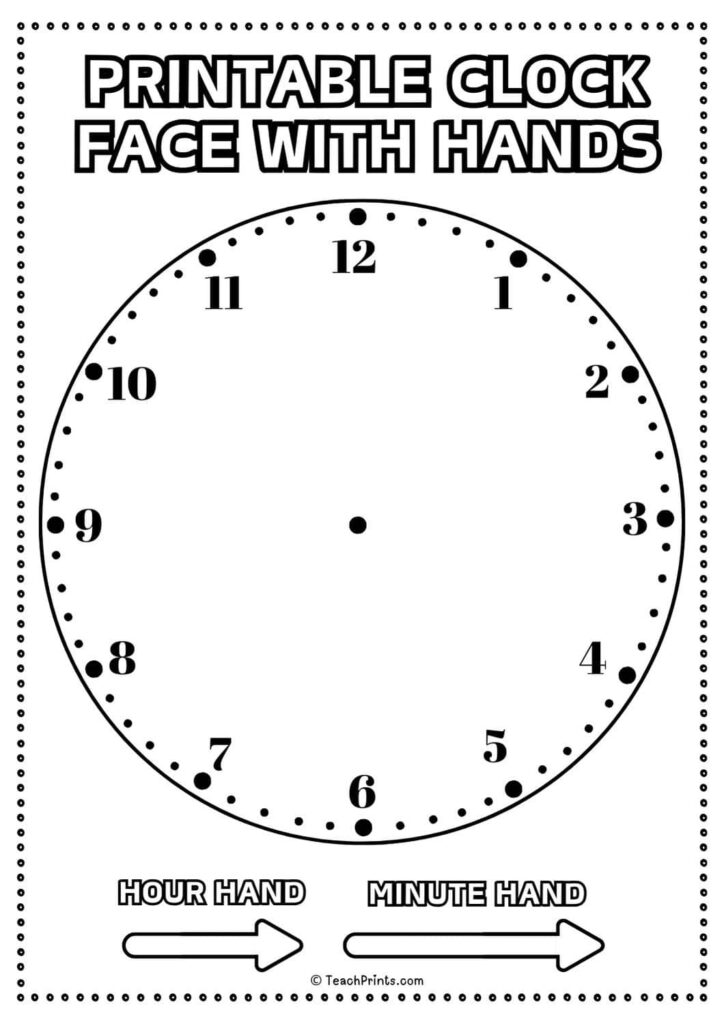
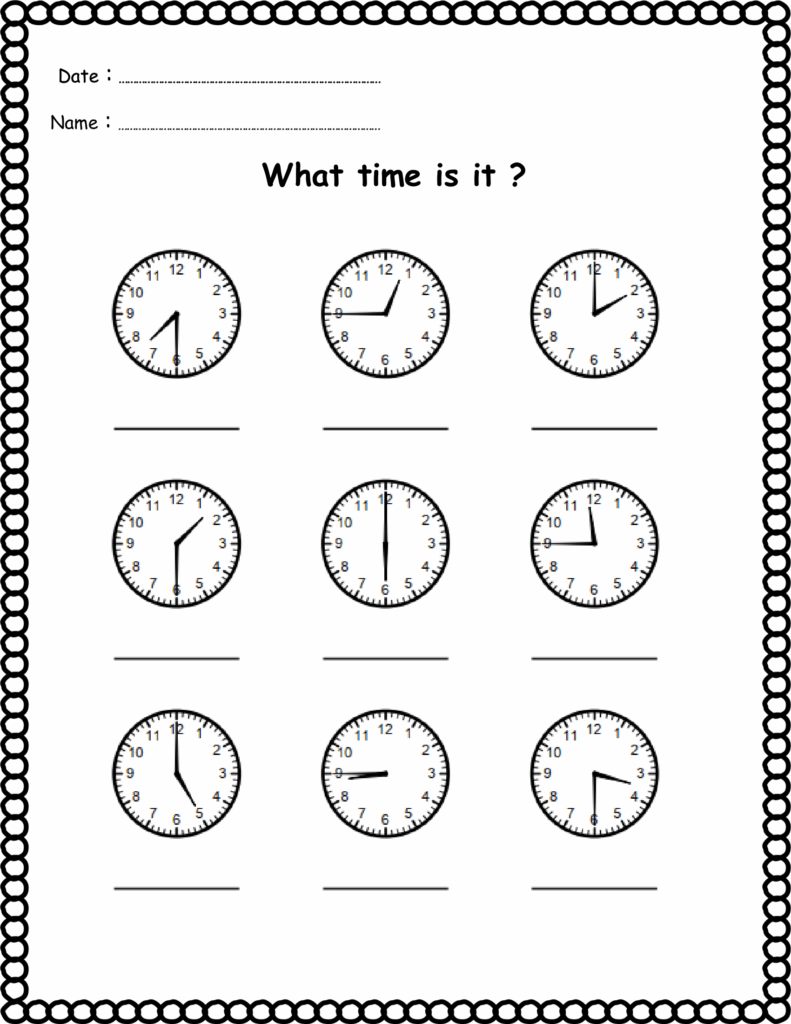
The most useful telling time printable worksheets usually mix a few formats. Clock faces to read help children identify the time shown. Write-the-time prompts ask them to look at the hands and record the answer in numbers. Matching pages can pair analog clocks with digital times, while draw-the-hands activities ask students to show a given time on a blank clock. Together, these formats strengthen both recognition and recall.
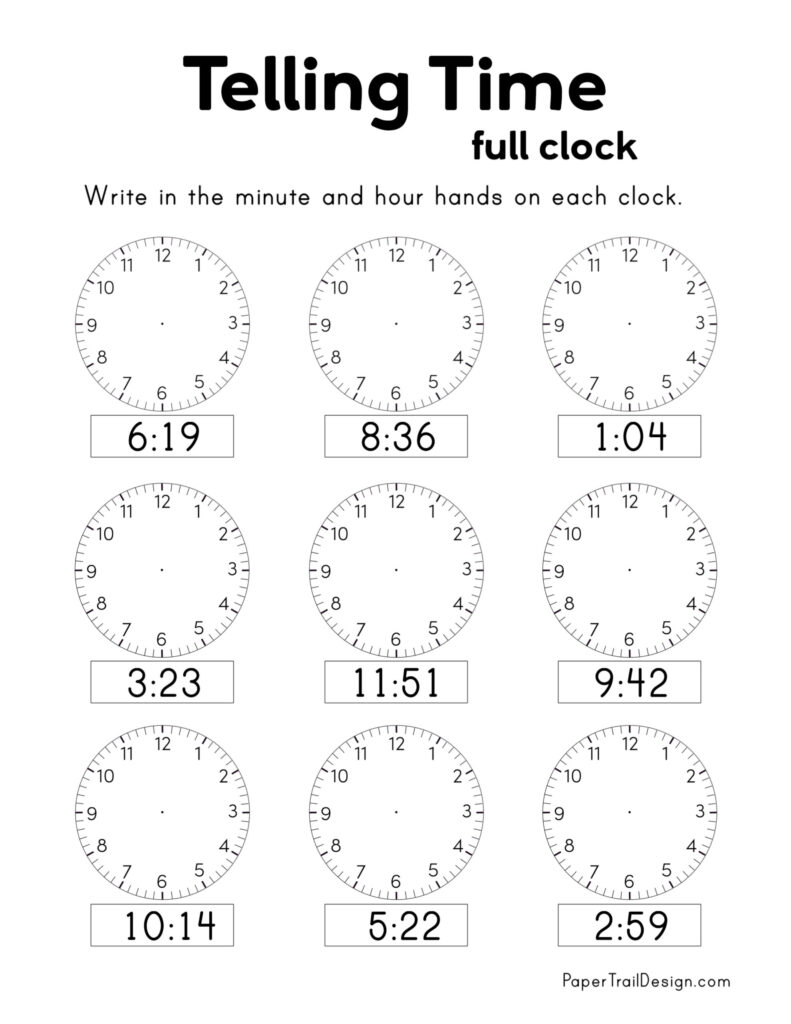
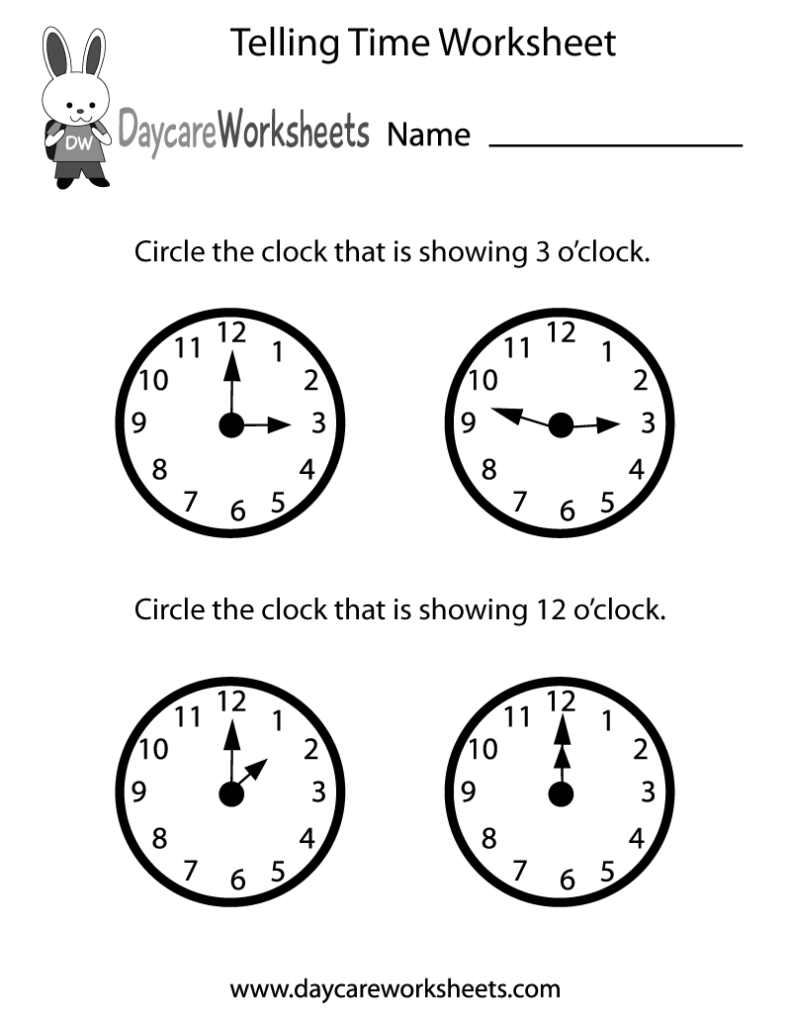
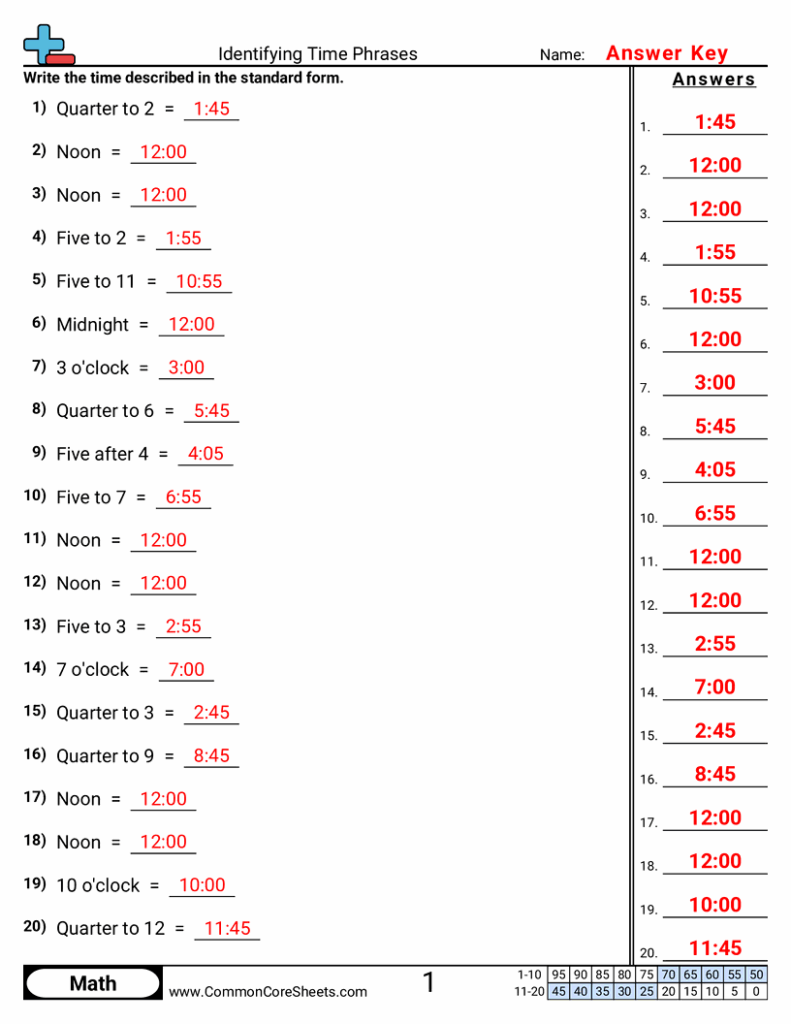
Younger learners and true beginners usually do best with large, uncluttered clocks, labeled hour numbers, and only a few problems per page. As skills improve, worksheets can reduce support and include mixed times, including times that are close together. Older children or students ready for review may benefit from pages that combine reading, writing, and drawing the hands on the same sheet. For the easiest fit, choose the level that matches current confidence, not just grade level.