
Inferencing worksheets for kids help children read clues and figure out what is probably happening, even when the answer is not stated directly. In kid-friendly terms, inferencing means using what you see or read plus what you already know to make a smart guess. The best worksheets keep that skill simple, visual, and age-appropriate so children can practice without feeling overwhelmed.
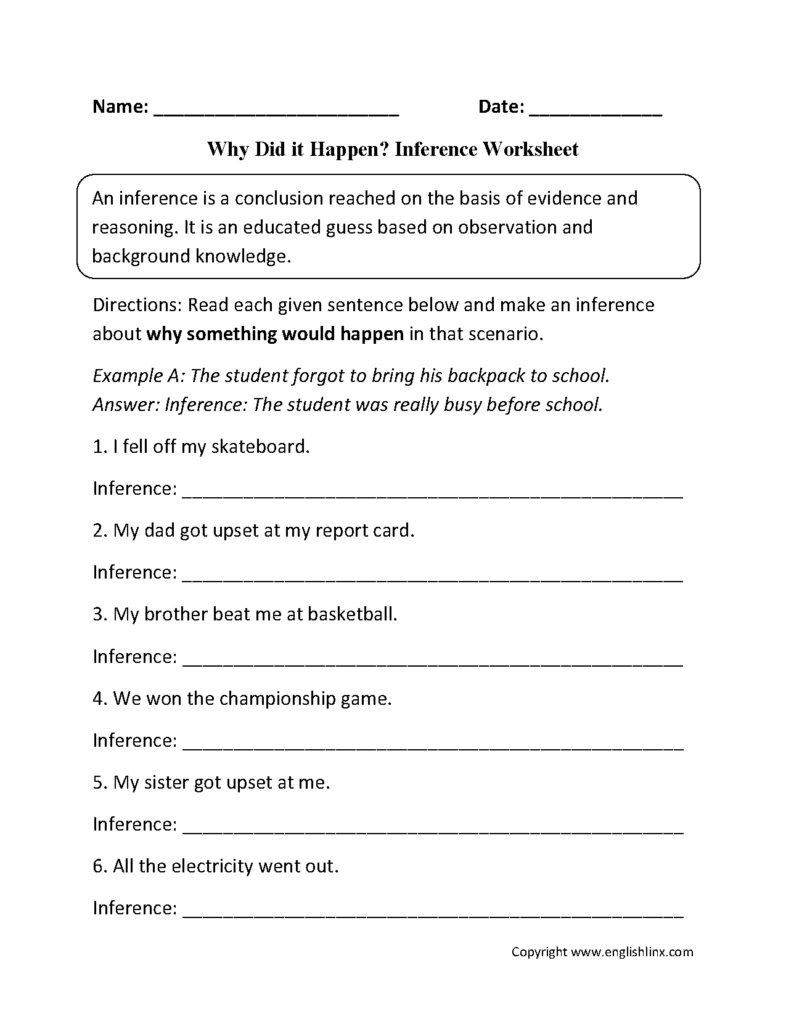
Good inferencing worksheets usually practice a few clear skill types. Picture-clue pages ask children to look at an image and answer what the person, animal, or scene suggests. Short passages can ask what a character feels, what might happen next, or why something occurred. Strong worksheets also use evidence-based answers, meaning kids point to a detail that supports their idea. That keeps the focus on reasoning, not guessing wildly.
Age and grade fit
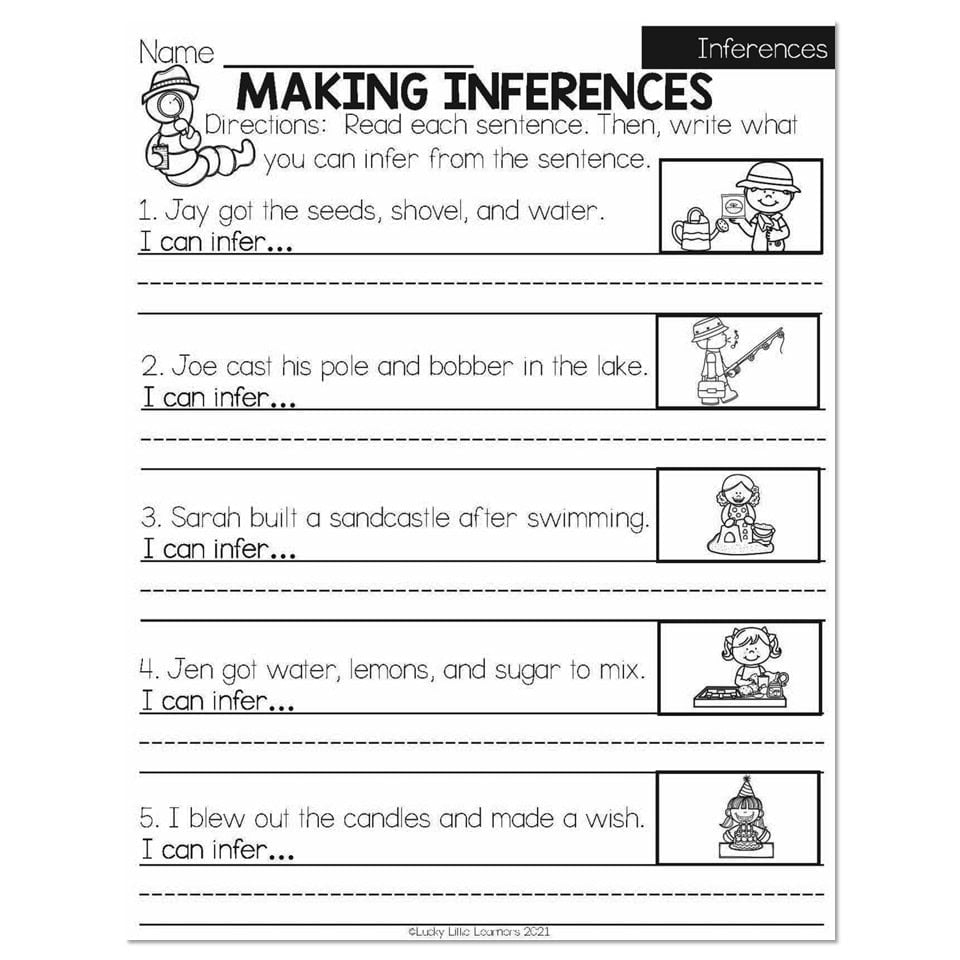
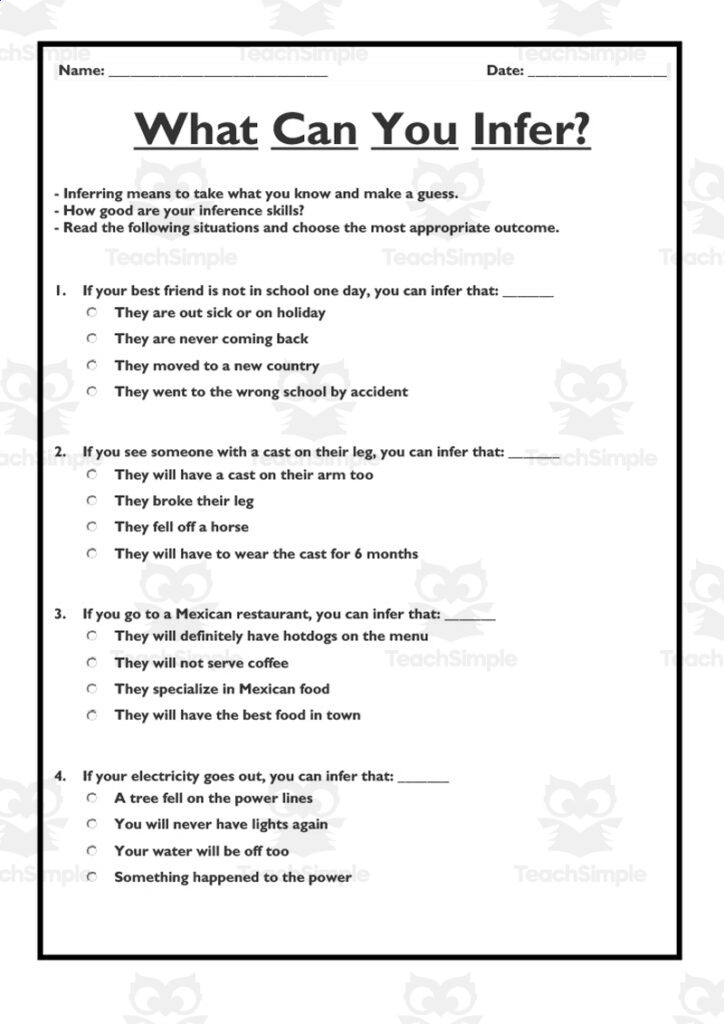
Match the worksheet to the child’s reading level. For younger learners, especially kindergarten through grade 1, picture-based inference is often easiest because the clues are visible and the text is minimal. Grades 2 to 4 can usually handle short paragraphs with one or two questions that ask for simple evidence. The goal is a small step up in challenge, not a jump into long reading passages or complex vocabulary.
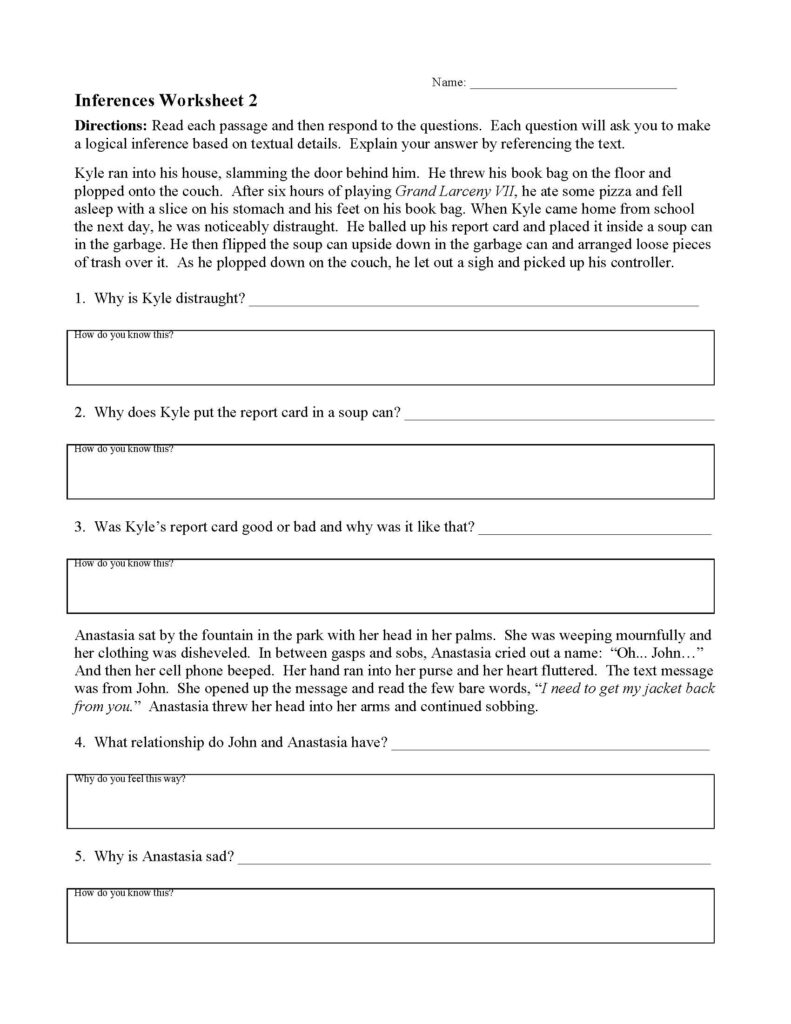
Helpful worksheet features
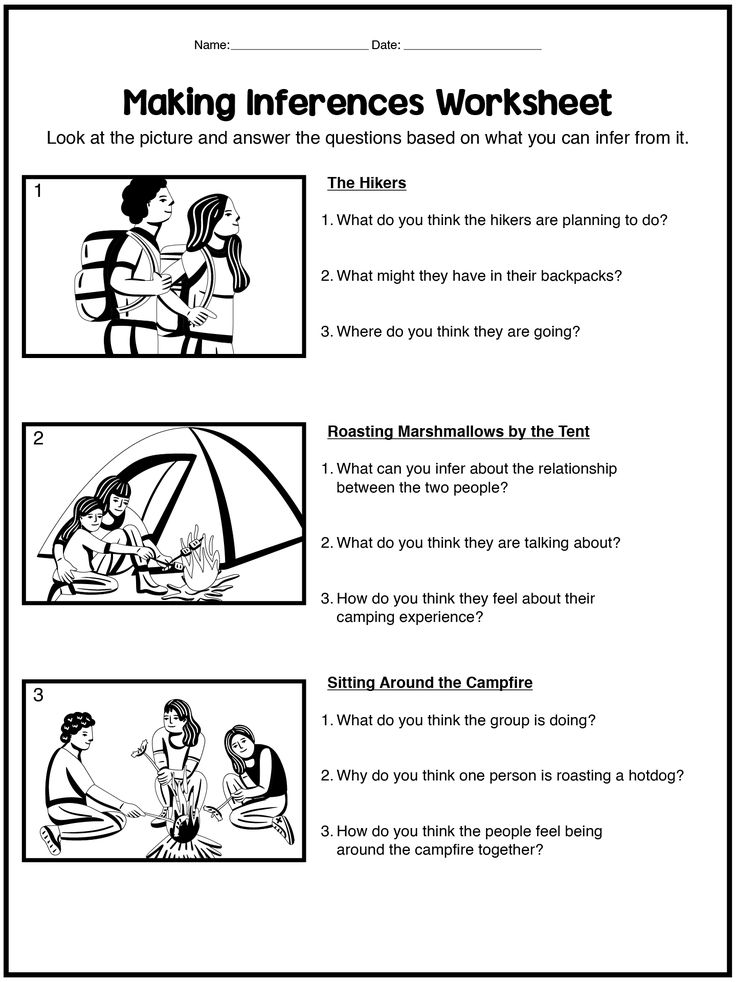
Usability matters, especially when parents or teachers want quick practice. Printable pages are convenient for home or classroom use, and answer keys make checking easier. Clear directions, large fonts, and uncluttered layouts help children focus on the clue and the question. It also helps when worksheets use a mix of formats, such as multiple choice, short responses, and one-sentence explanations, so kids can show understanding in different ways.
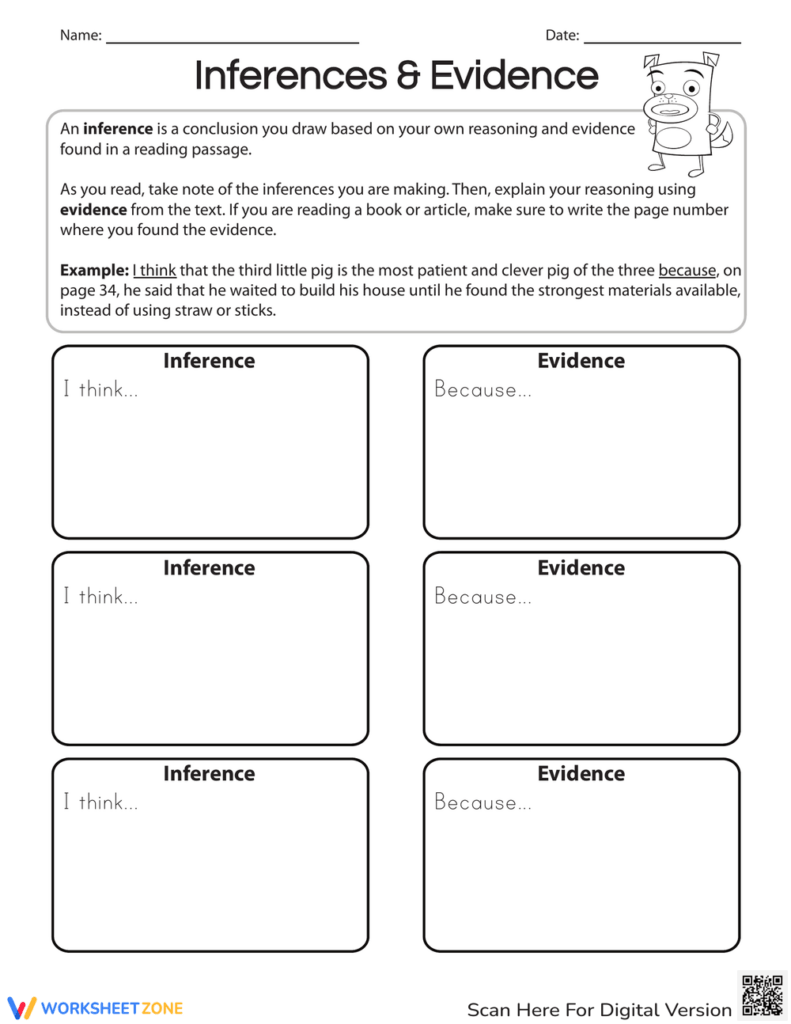
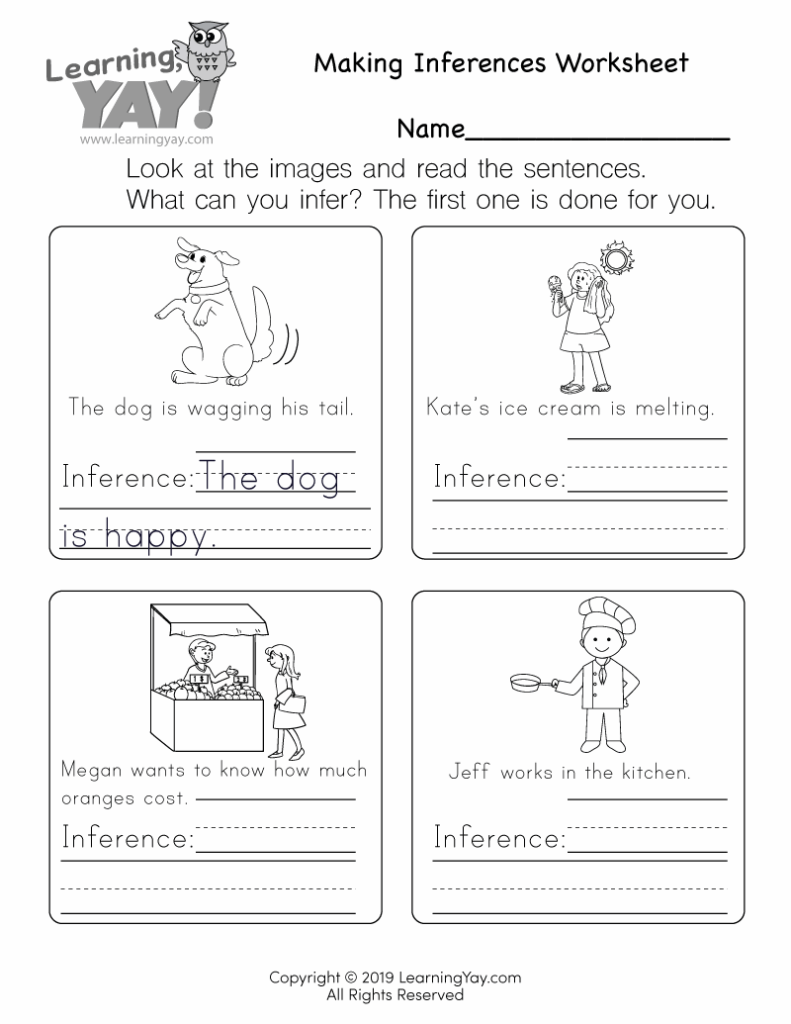
When choosing inferencing worksheets for kids, look for pages that stay narrow in scope and clearly match the child’s level. The best options teach children to notice details, connect them to what they already know, and explain their thinking in simple words. If a worksheet is easy to print, simple to follow, and includes answers for adults, it is usually a practical choice for steady inferencing practice.



