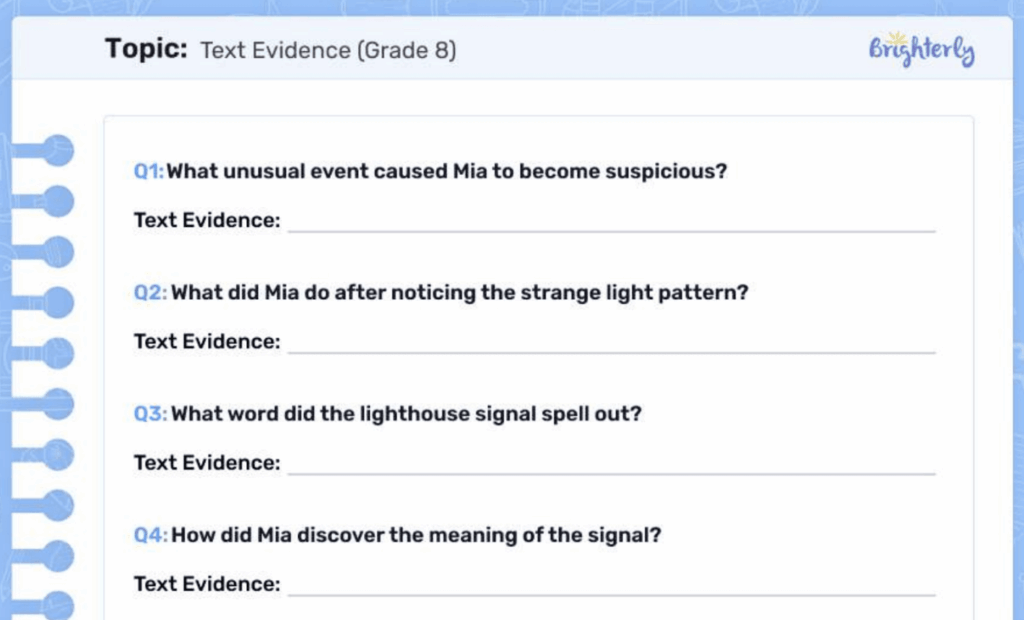
Finding evidence in text worksheets help students practice a specific reading skill: locating details in a passage that support an answer or claim. The best worksheets make that process clear and manageable, with short texts, direct questions, and room to write quoted or paraphrased evidence. They are useful when you want students to point to proof in the text instead of giving a guess or opinion.
What the Worksheets Include
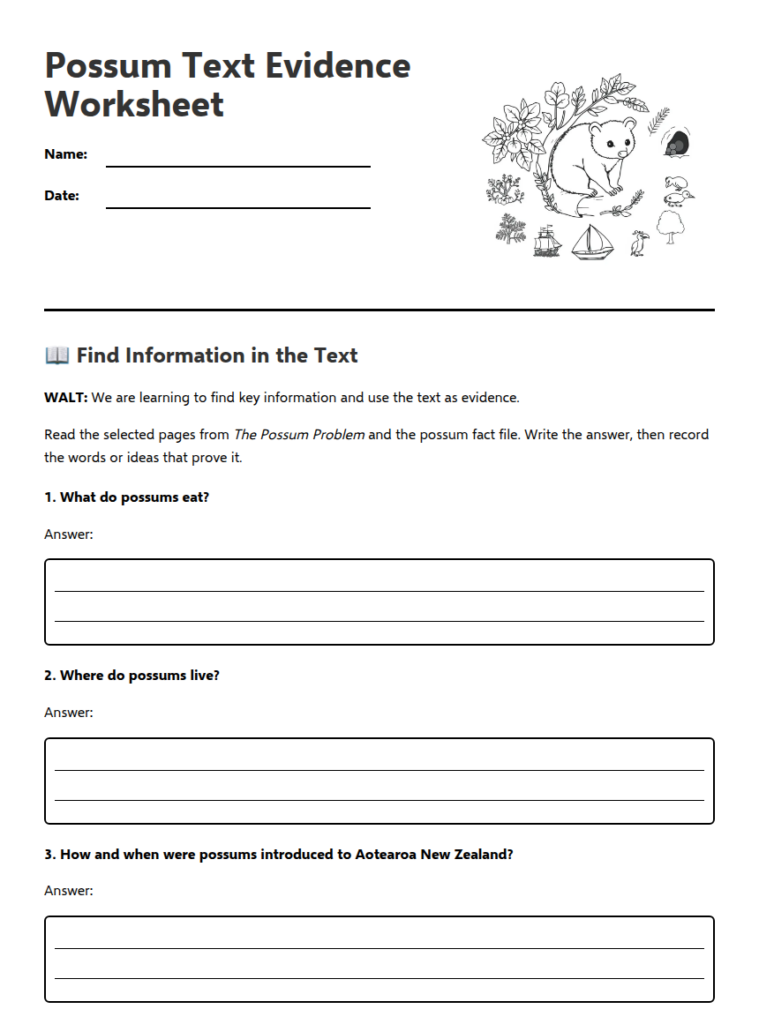
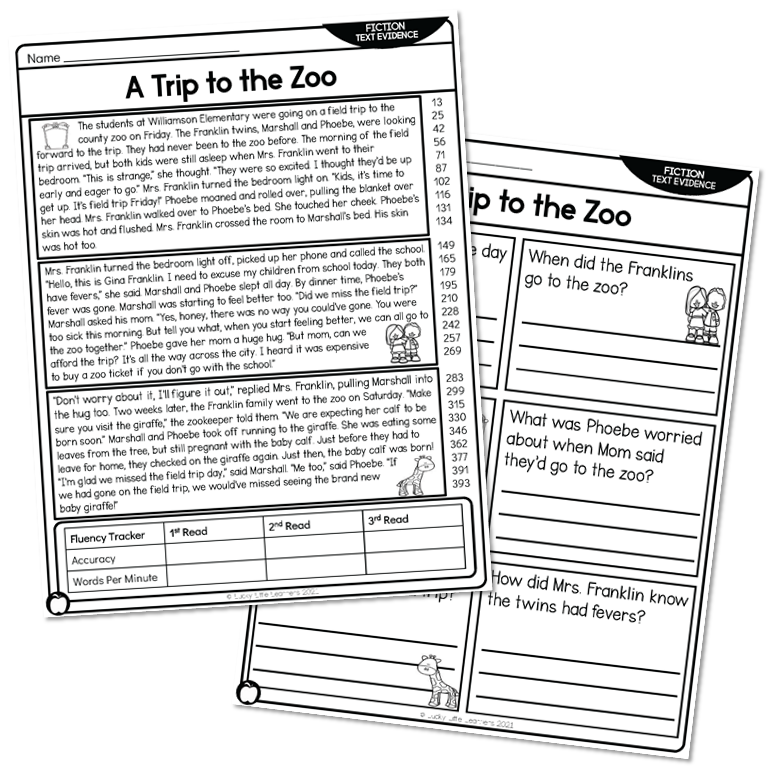
Good finding evidence in text worksheets usually start with a brief fiction or nonfiction passage so students are not overwhelmed by length. The questions should be text-dependent, meaning students must return to the passage to answer them. Strong versions also give space to copy a key sentence or to paraphrase it in the student’s own words. That format helps students practice both identifying evidence and explaining how it supports the response.
Choosing the Right Level
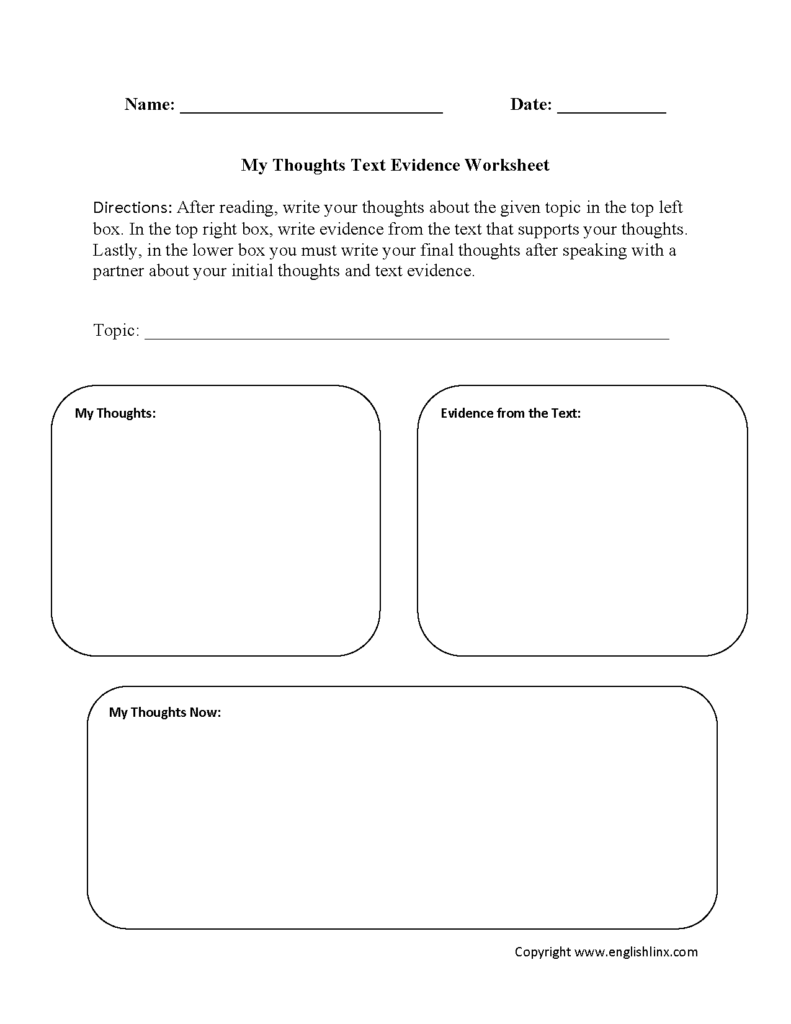
Grade and reading level matter because evidence-finding requires enough independence to read, locate details, and justify answers. Younger students often need shorter passages, simpler vocabulary, and direct prompts such as “What sentence tells you that?” Older students can handle longer excerpts and questions that ask them to cite several details. Some worksheets focus on fiction, others on nonfiction, and many mix both so students practice evidence gathering across different kinds of texts.
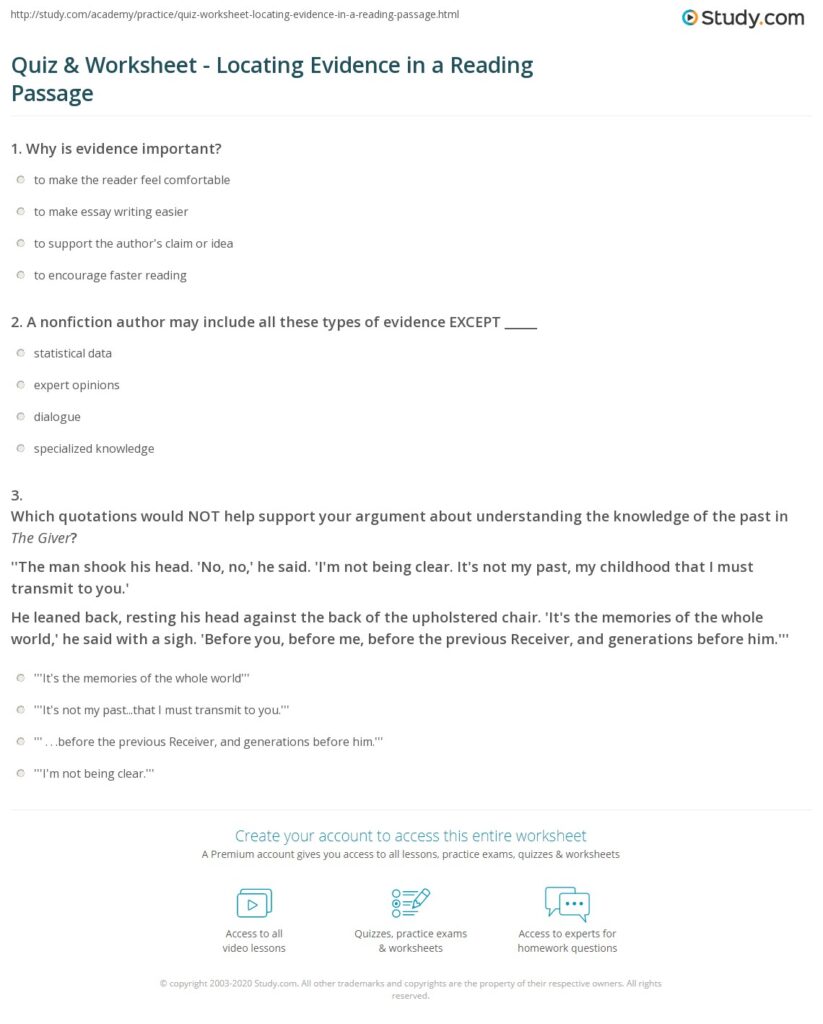
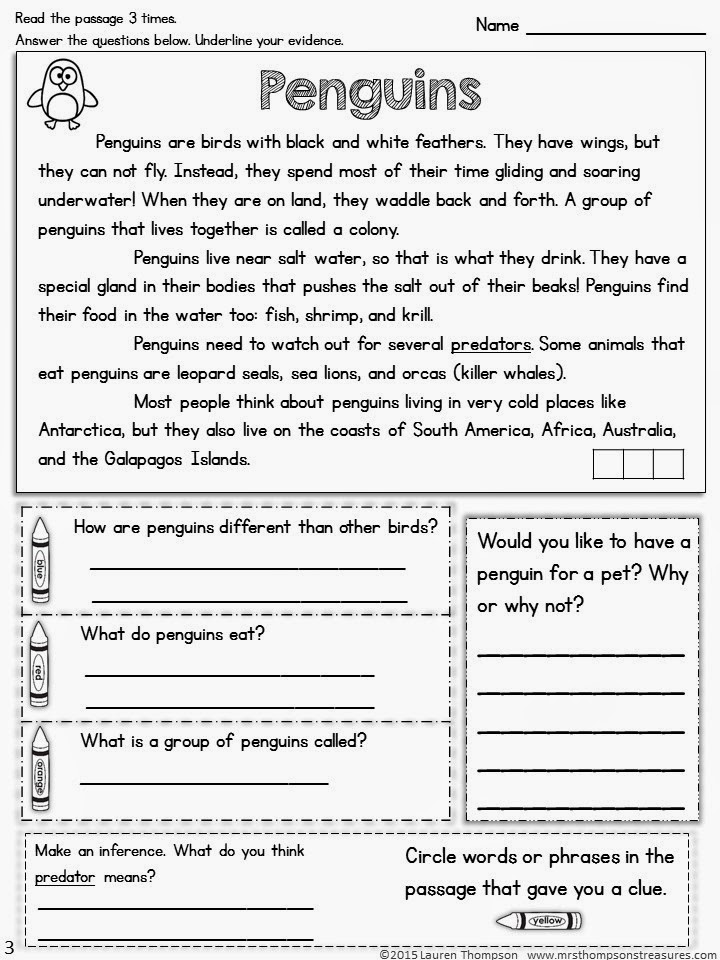
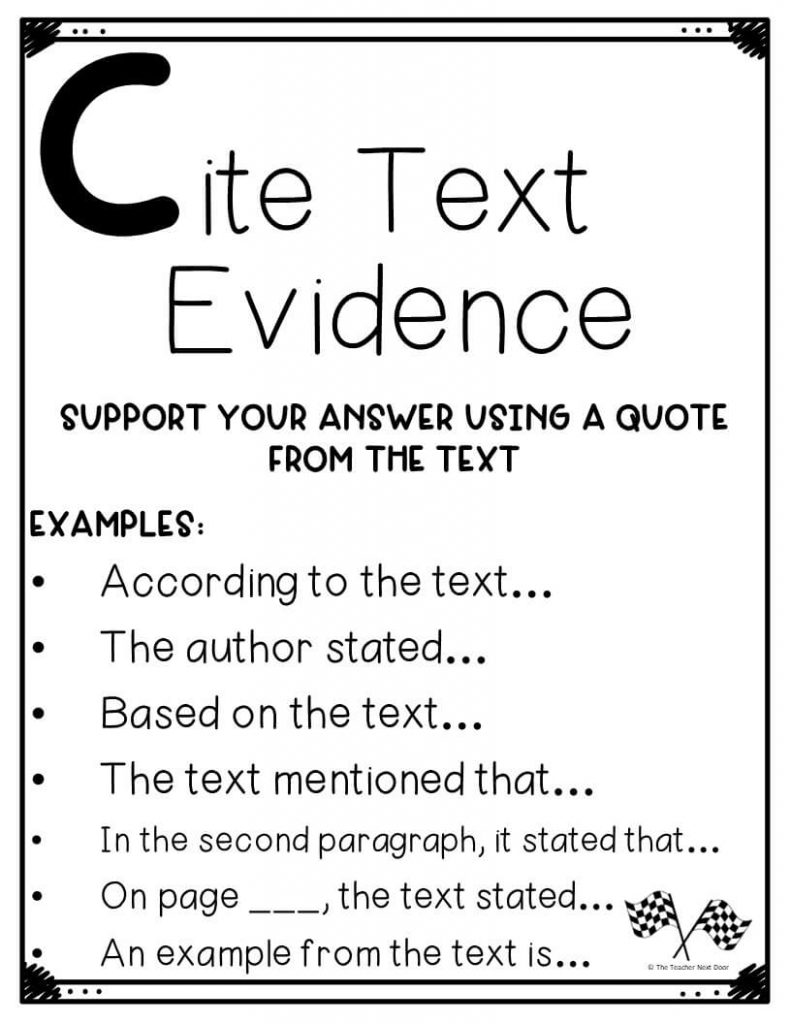
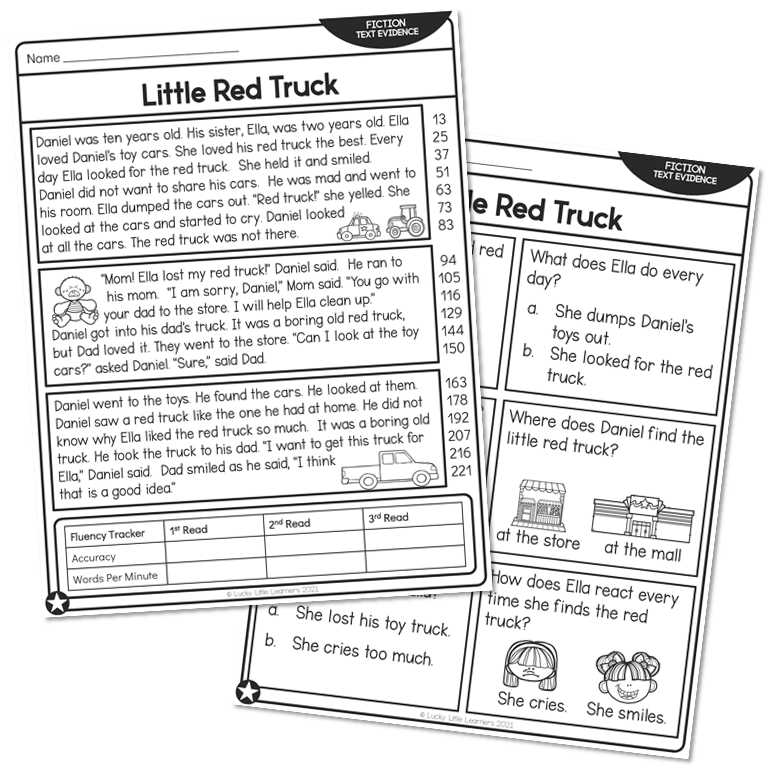
These worksheets work well in several settings. In class, teachers can use them for guided practice, partner work, or quick exit tickets. For homework, they give students a focused task that reinforces careful rereading. For independent practice, they can serve as low-pressure repetition before quizzes or writing assignments. A strong next step is to check whether the worksheet asks students not only to find a detail, but also to explain why that detail answers the question.