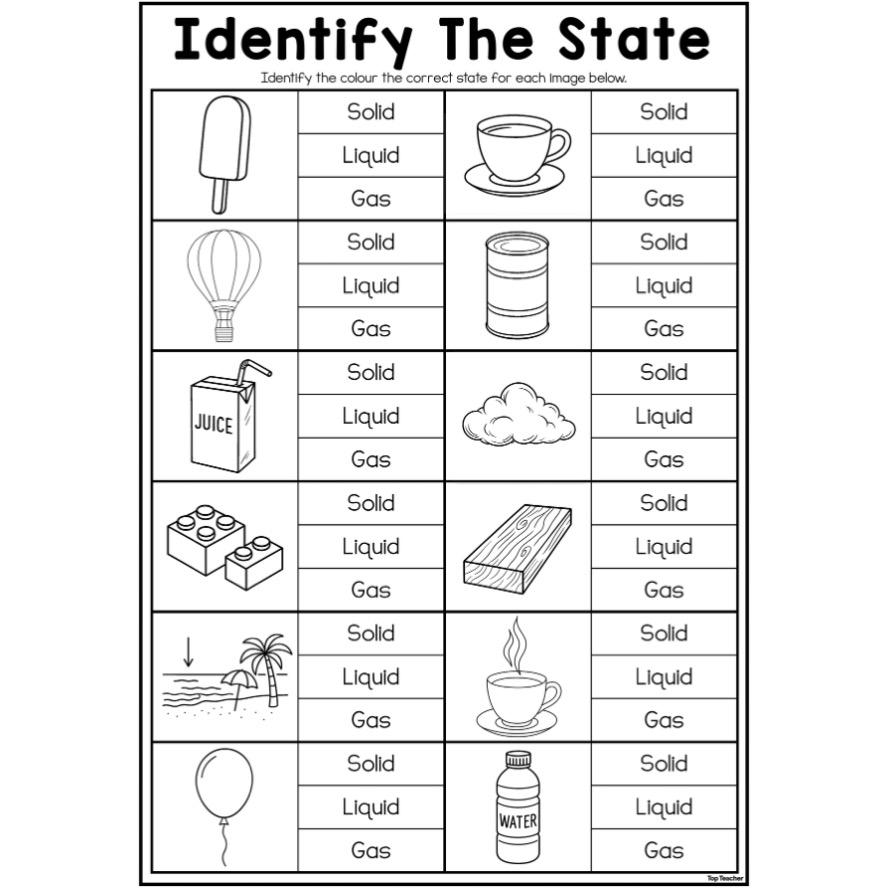
Preschool states of matter worksheets should introduce solids, liquids, and gases in a way young children can understand quickly. The best options use familiar pictures, simple tasks, and very little reading so children can work with minimal support. For preschoolers, these worksheets work best as quick, hands-on practice that builds vocabulary, observation, and early science awareness without feeling too hard.
What Preschool Worksheets Include
A good preschool worksheet keeps the focus on one simple science idea at a time. Look for activities that ask children to match pictures to words, sort items into solids or liquids, circle the correct image, trace key vocabulary, or color examples of each state. Clear visuals matter more than text. The worksheet should show everyday objects children already know, such as ice, milk, or steam, so the idea feels concrete and familiar.
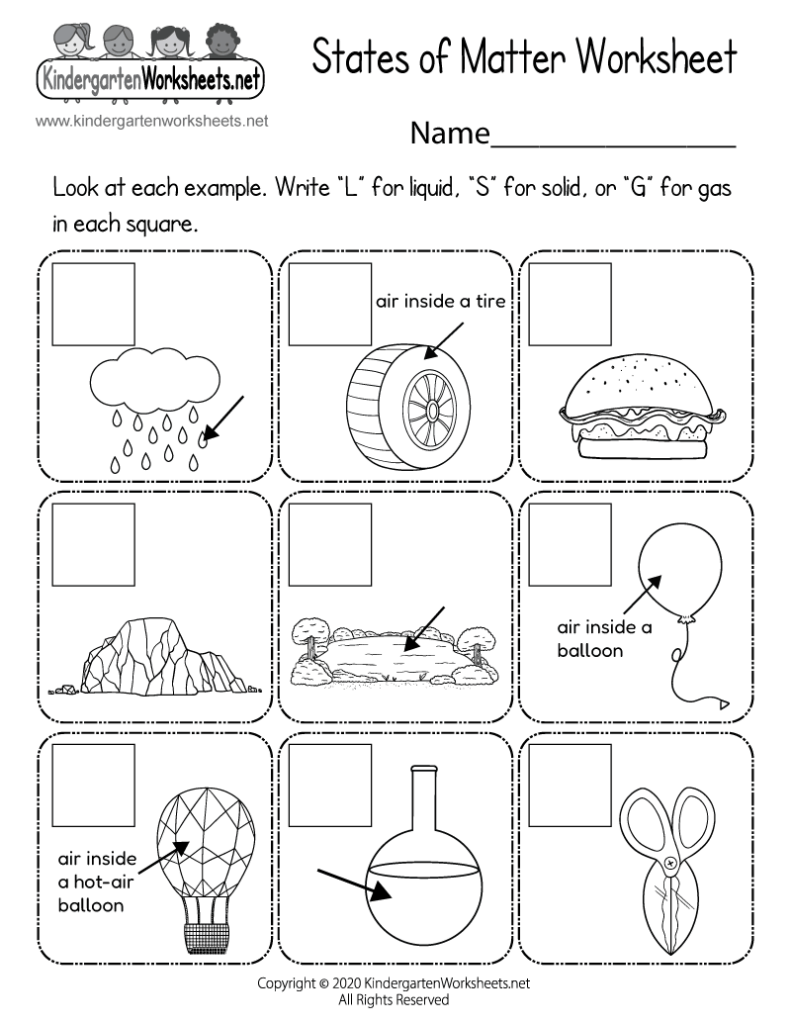
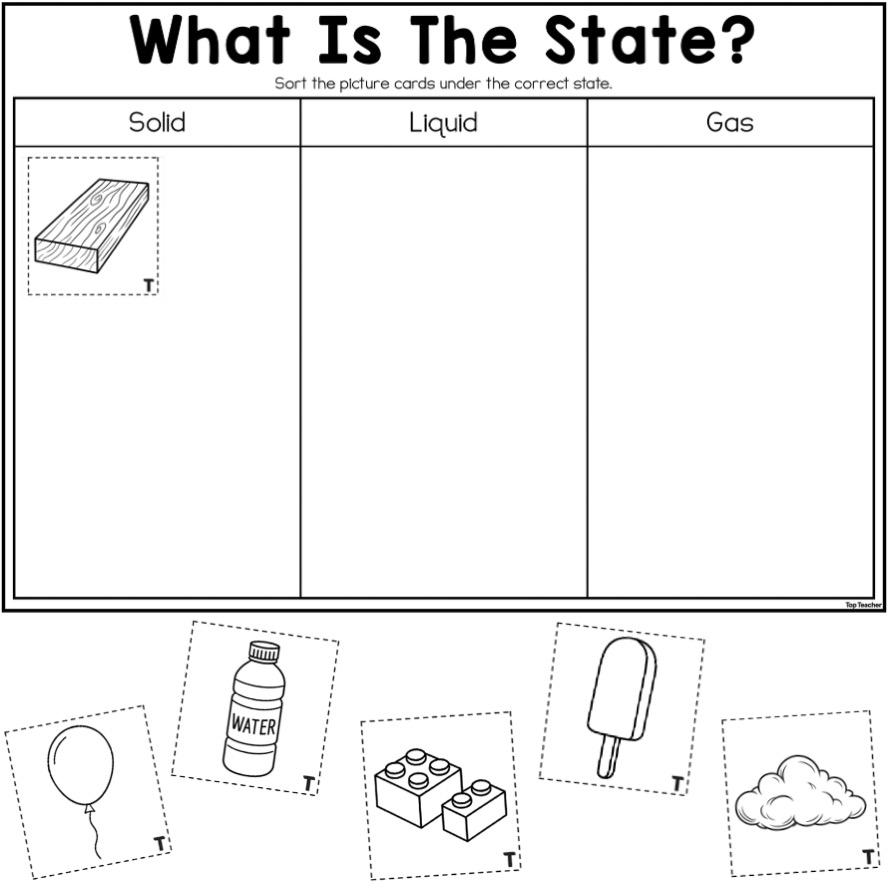
Age-appropriate worksheets use short directions and limited choices. Instead of long sentences, they rely on prompts like “circle,” “match,” or “color.” That helps preschoolers complete the page with less adult help. These pages also work best when they reinforce learning through action, such as pointing, sorting, or coloring. Since many preschoolers are still developing reading skills, the worksheet should support understanding through pictures and repetition rather than explanation alone.
Classroom and Home Use
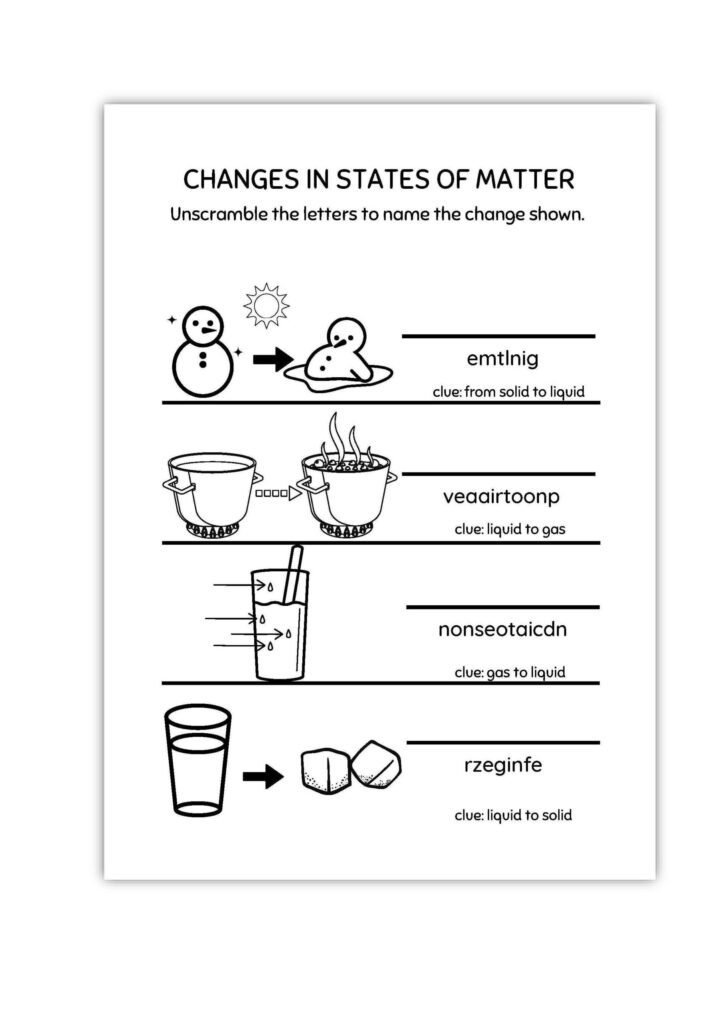
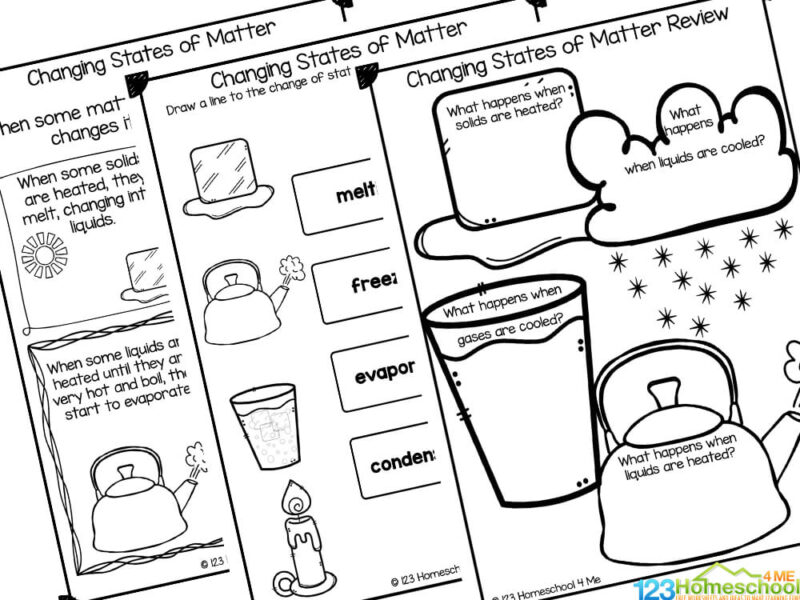
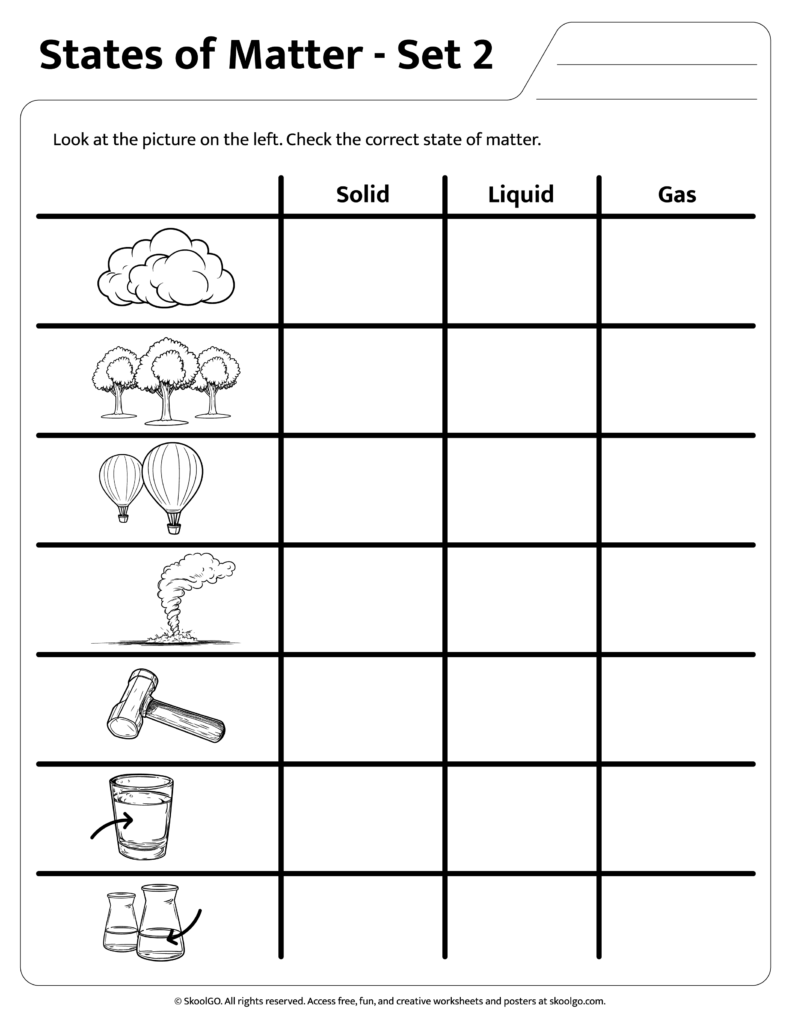
Teachers and parents often use preschool states of matter worksheets as a quick introduction to science vocabulary or as a review after a lesson. They fit well into centers, morning work, small groups, and take-home practice. A simple worksheet can help children notice that some things stay the same shape, some pour, and some move through the air, without going into advanced science. The goal is basic recognition and conversation, not detailed instruction.
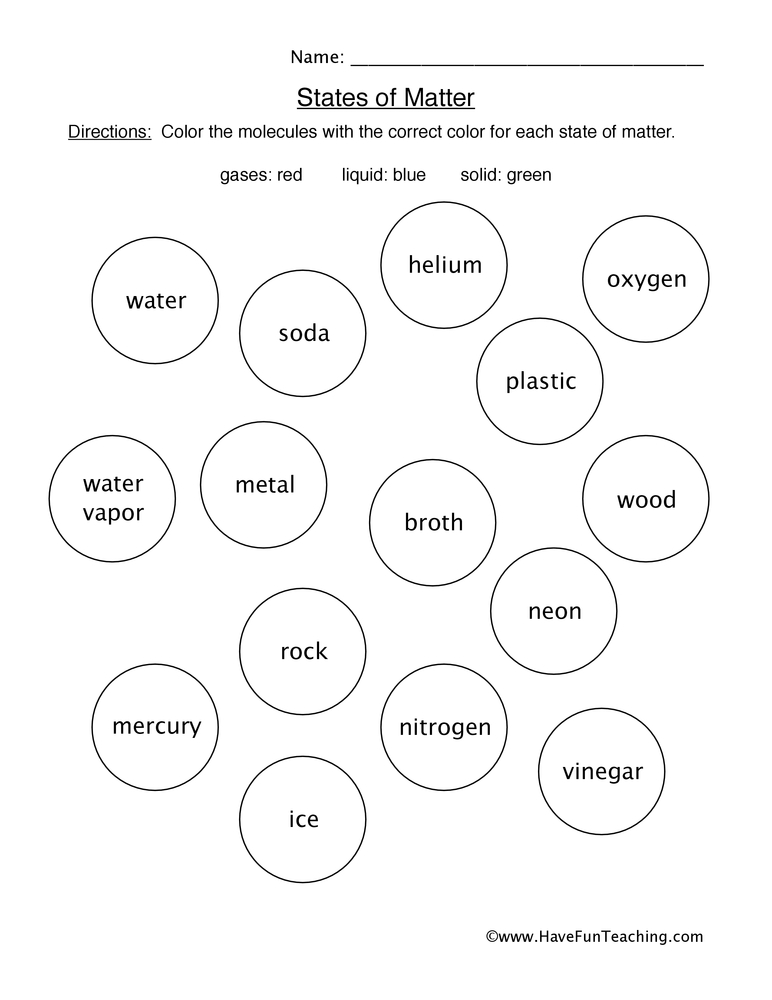
When choosing preschool states of matter worksheets, keep the developmental level in mind. The strongest pages are simple, visual, and short enough for young children to finish with confidence. If a worksheet asks for too much reading or too many steps, it is probably better for older students. For preschool, the best choice is one that supports quick practice, clear vocabulary, and easy classroom or home use in just a few minutes.