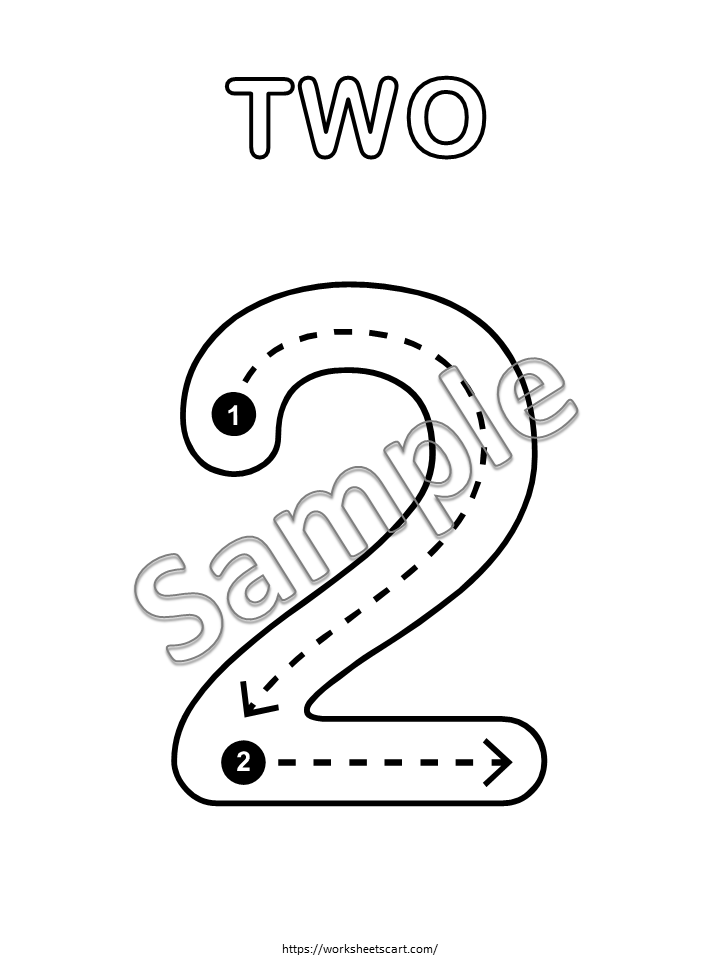
Number tracing worksheets for kindergarten help children connect numeral shapes with number names while building the fine motor control needed for handwriting. The best worksheets keep the task simple: one number at a time, clear starting points, and plenty of space for tracing. They should support number recognition first, then gradually strengthen pencil control without turning the page into a crowded math exercise.
What They Should Teach
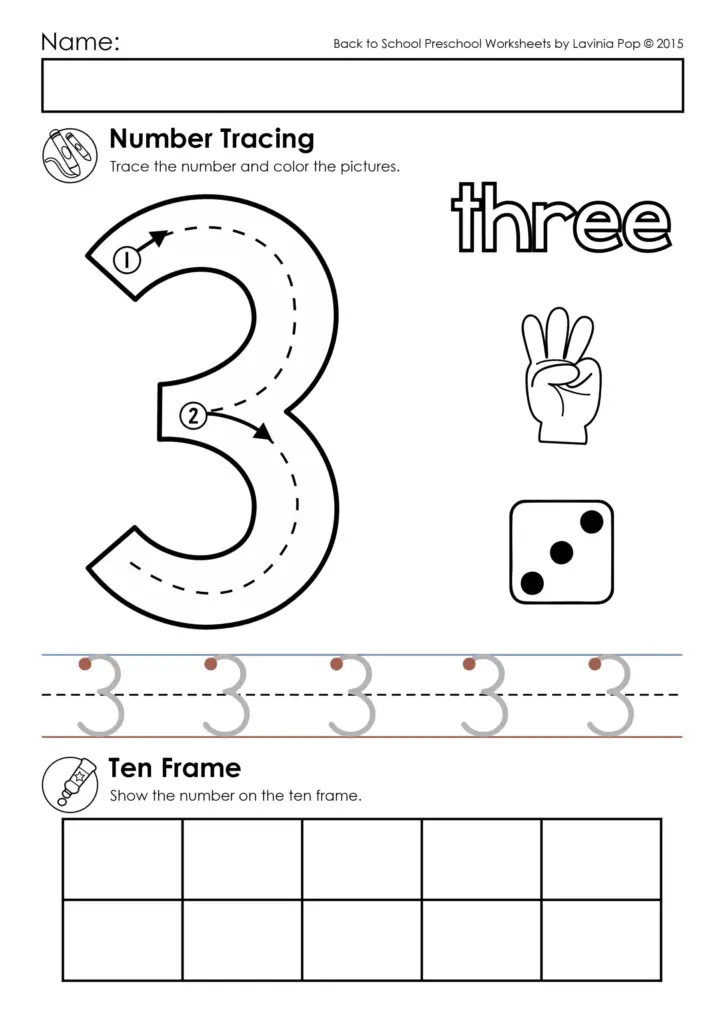
These worksheets are mainly for recognizing numerals and practicing the motion of writing them. A strong kindergarten page usually shows the target number in a large model, then gives tracing lines or dotted paths for repeated practice. That repetition helps children notice the shape of each numeral and build the muscle memory needed for later independent writing. The focus should stay on forming the number correctly, not on counting problems or extra calculation tasks.
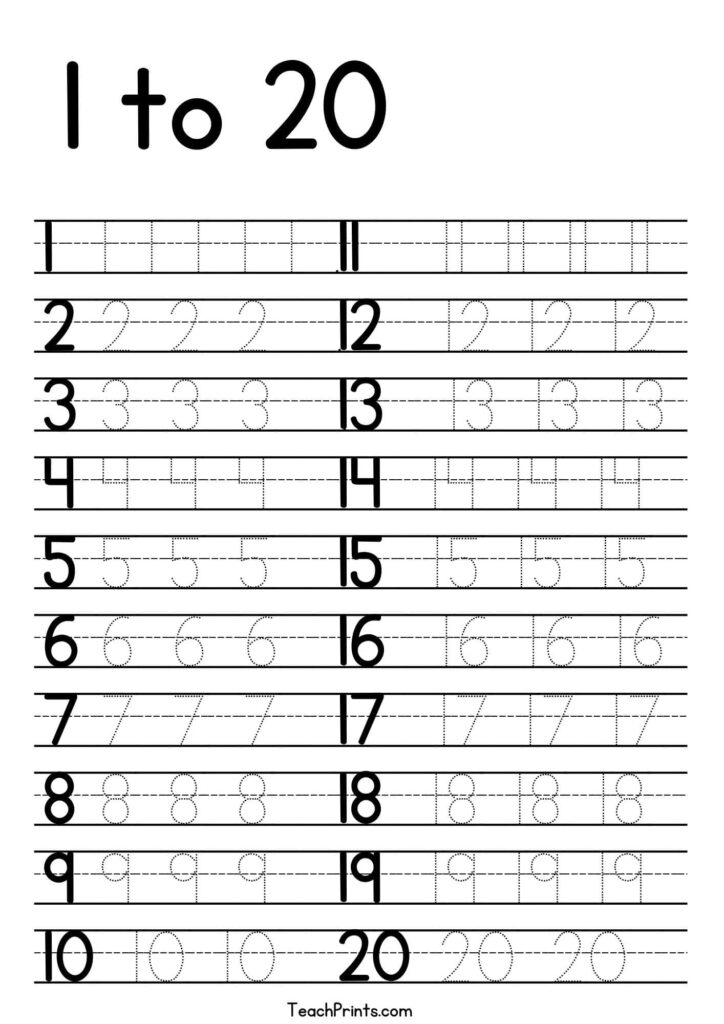
Kindergarten-friendly worksheets are easy to scan and simple to complete. Look for large numerals, bold trace lines, and enough white space to keep the page from feeling busy. Good layouts often use a single number per row or page, which helps children concentrate on one form at a time. If the page includes color cues or arrows, they should support directionality without adding too many steps. The overall design should reduce frustration and keep attention on handwriting.
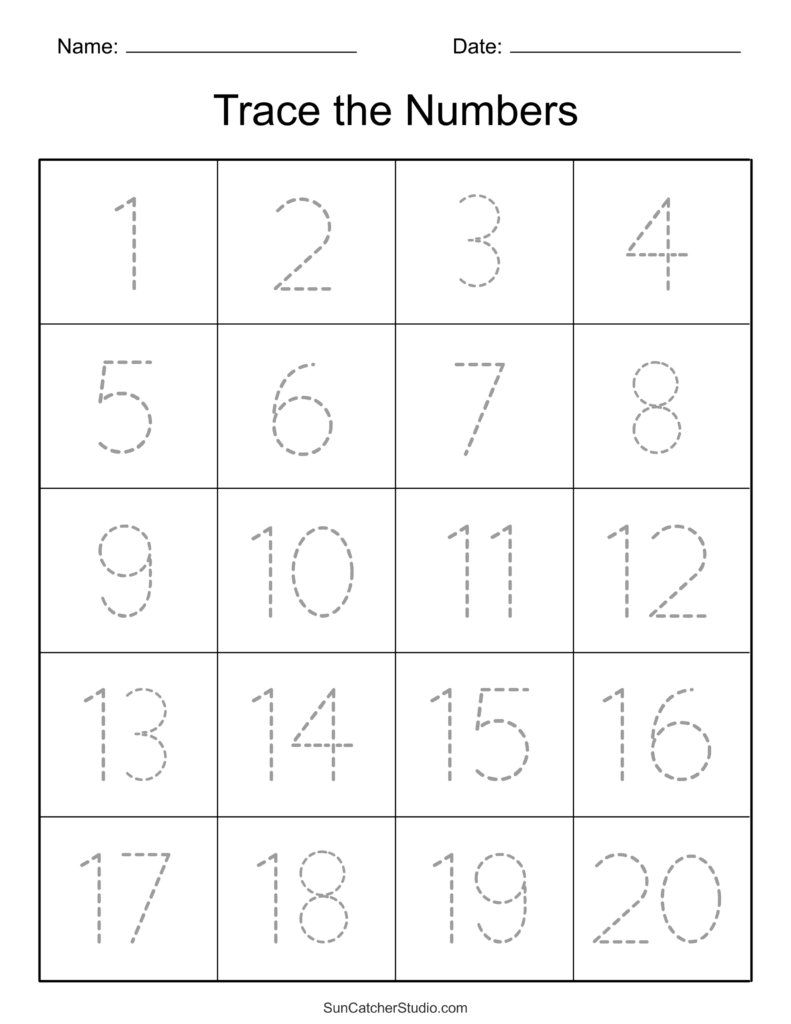
How To Use Them
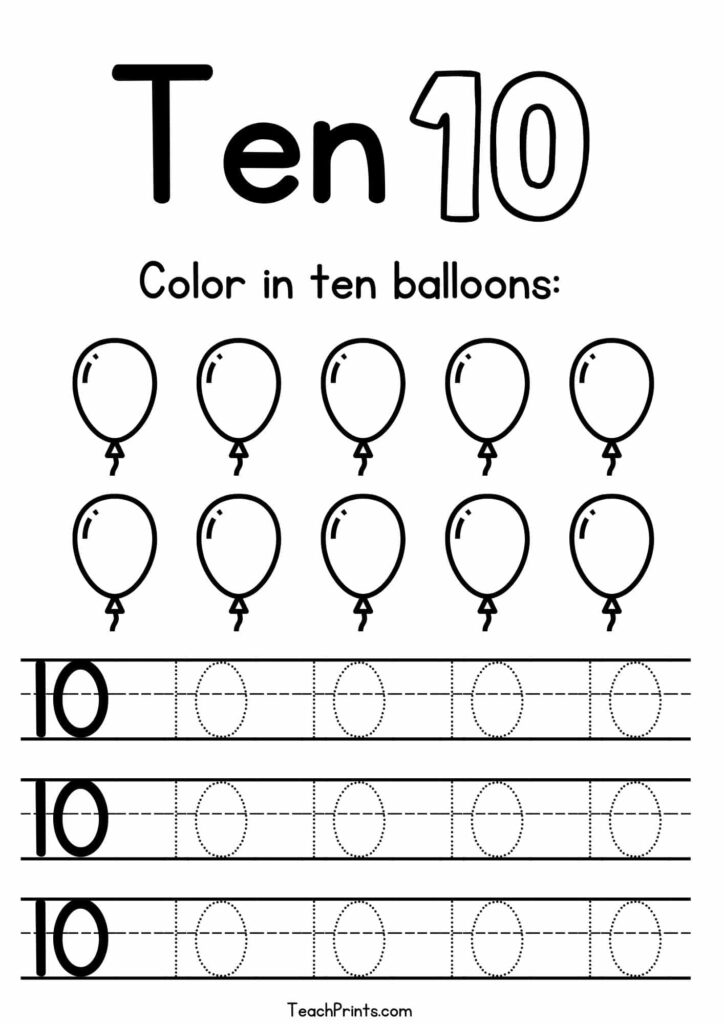
Start with guided tracing before asking for independent writing. A child can first trace with a finger, then with a pencil or crayon, and finally try the number beside the model. It also helps to pair tracing with number identification, such as saying the number aloud or choosing the same numeral from a small group. That connection reinforces both recognition and writing. Short practice sessions usually work better than long worksheets, especially for beginners who are still developing grip and control.
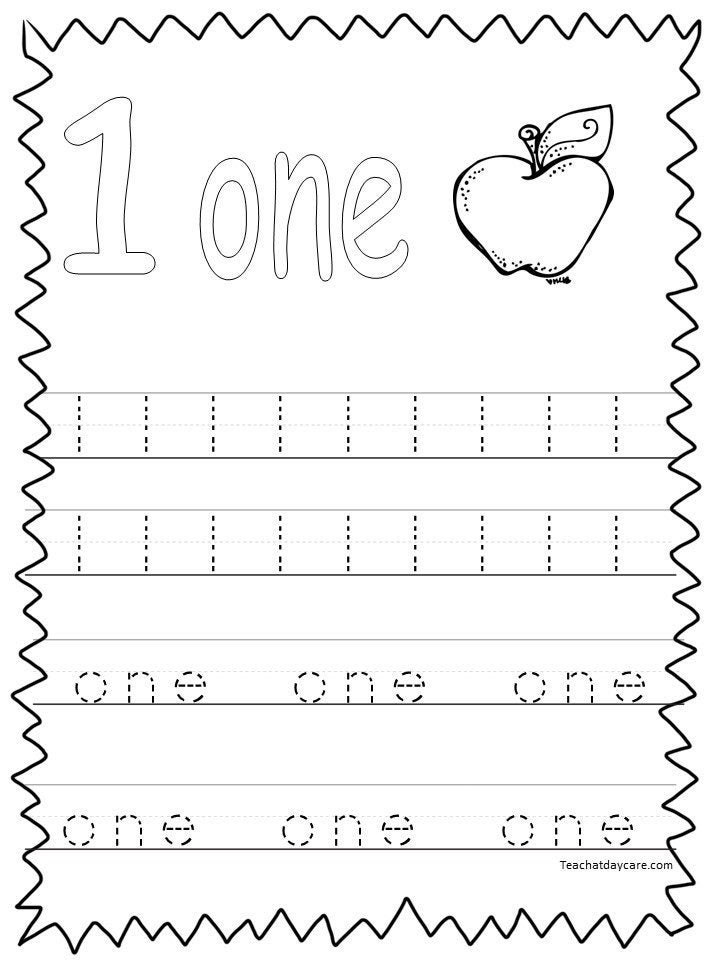
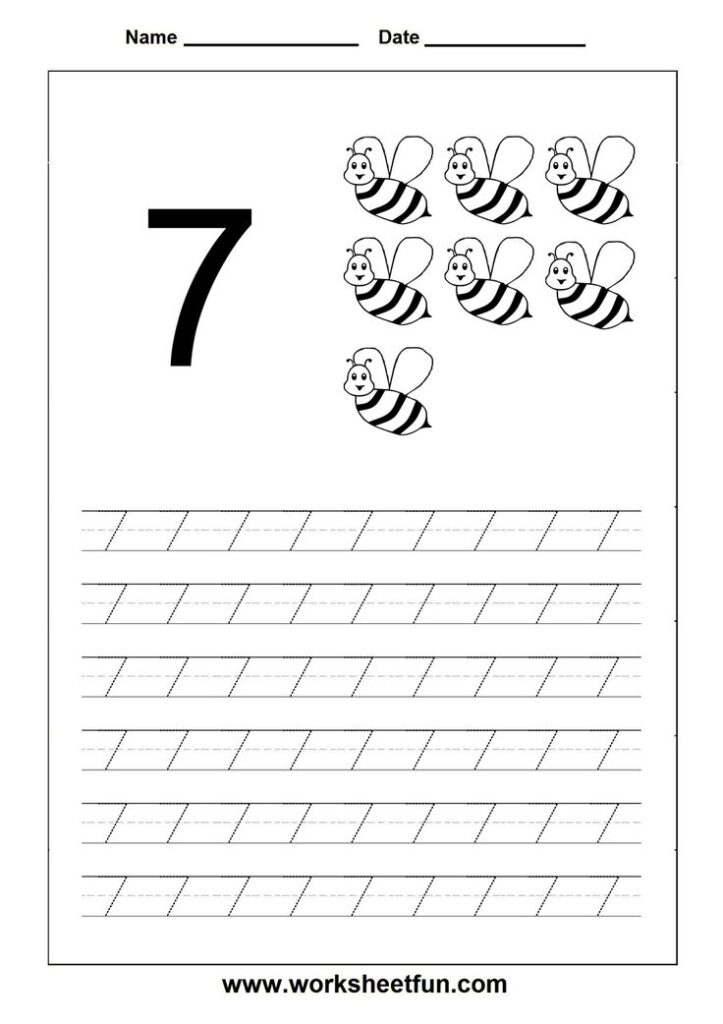
When choosing a worksheet set, check the number range first. For kindergarten, pages often work best with a small range such as 0 to 10 or another age-appropriate sequence. Also consider how much pencil control the page demands: very thin lines, tiny tracing paths, or crowded write-in sections may be too hard for some children. A suitable worksheet should match the child’s current skill level, offer clear tracing support, and leave room for progress toward writing numbers on their own.