Planet matching worksheets are simple printable activities that ask children to pair planet images, names, or identical pictures. They are a practical way to build visual discrimination while also introducing basic space vocabulary. For early learners, the task is clear and manageable: look carefully, find the match, and connect or mark it. That makes the worksheet useful for focused practice without requiring advanced reading or science knowledge.
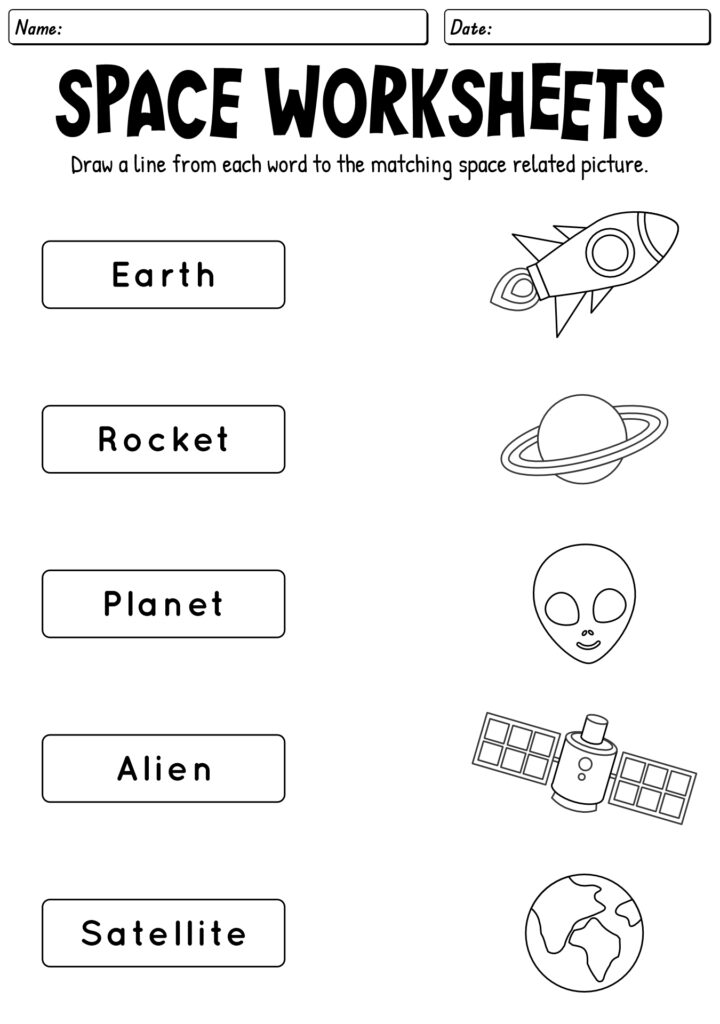
The main skill these worksheets support is matching by shape, picture details, and position. Some pages use two columns of planet images, while others ask children to match a planet to the same picture or to a simple label. This helps preschool and kindergarten students notice differences in color, size, rings, and surface patterns. The activity also strengthens attention, hand-eye coordination, and early classification skills, which are important in beginning literacy and math routines.
What the Worksheet Includes
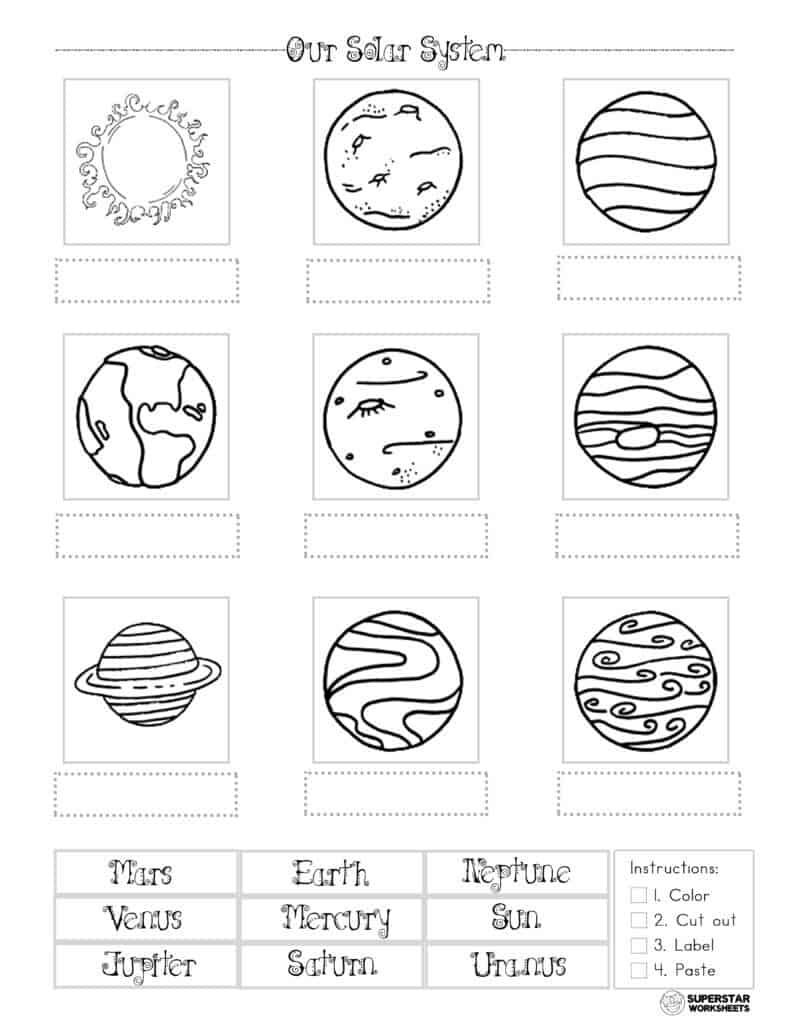
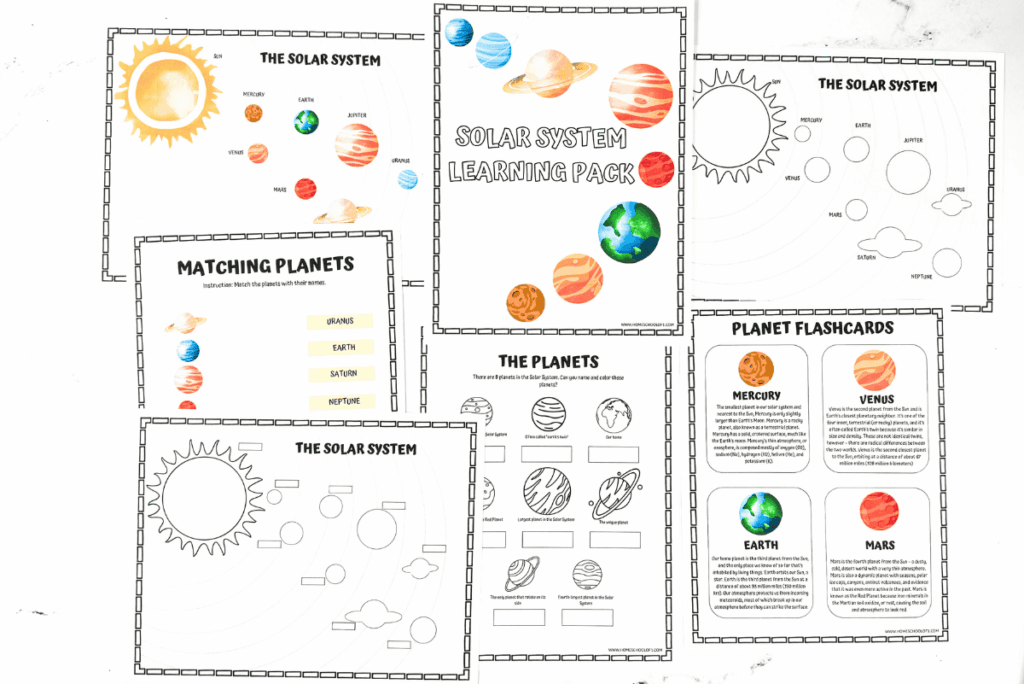
The most helpful planet matching worksheets keep the layout easy to follow. Look for clear planet images, obvious matching pairs, and short directions such as “draw a line,” “circle the match,” or “cut and paste.” Simple pages reduce frustration and let children focus on the task itself. A worksheet may also include a small word bank or picture labels, which adds gentle exposure to planet names without turning the page into a reading-heavy activity.
Best Age and Skill Fit
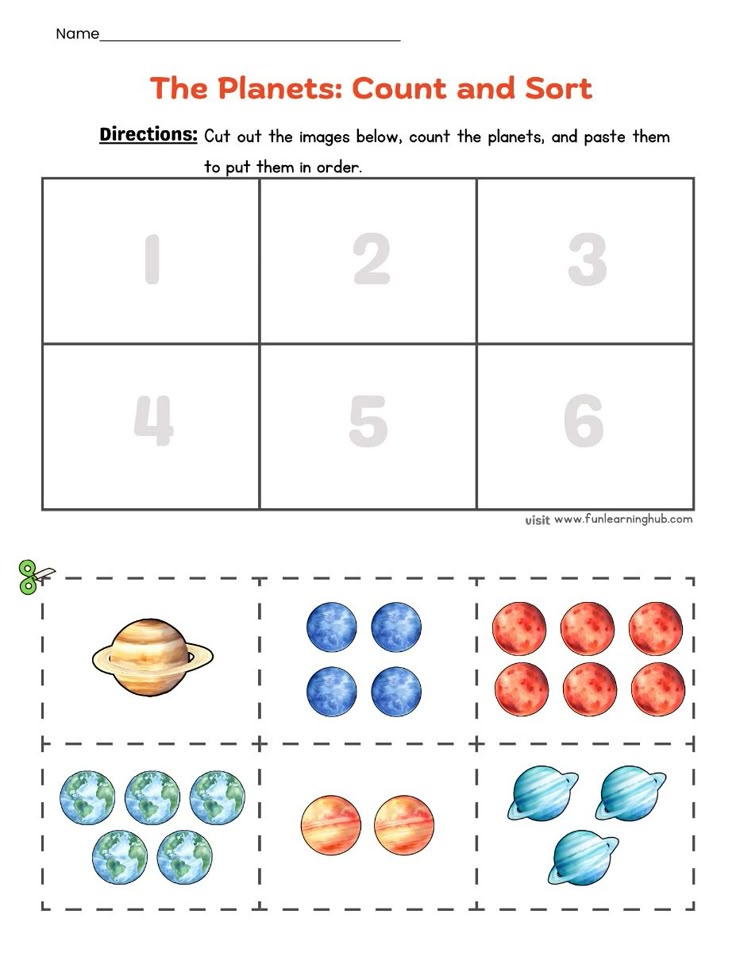
Planet matching worksheets work well for preschool, pre-K, and kindergarten learners, especially children who are just beginning to sort visual information. They are also useful for independent practice when the directions are brief and the matches are easy to spot. In a classroom, they can support centers, morning work, or quiet review. At home, they fit homeschool practice or a short screen-free activity. Because the task is straightforward, children can complete it with light adult help or on their own.
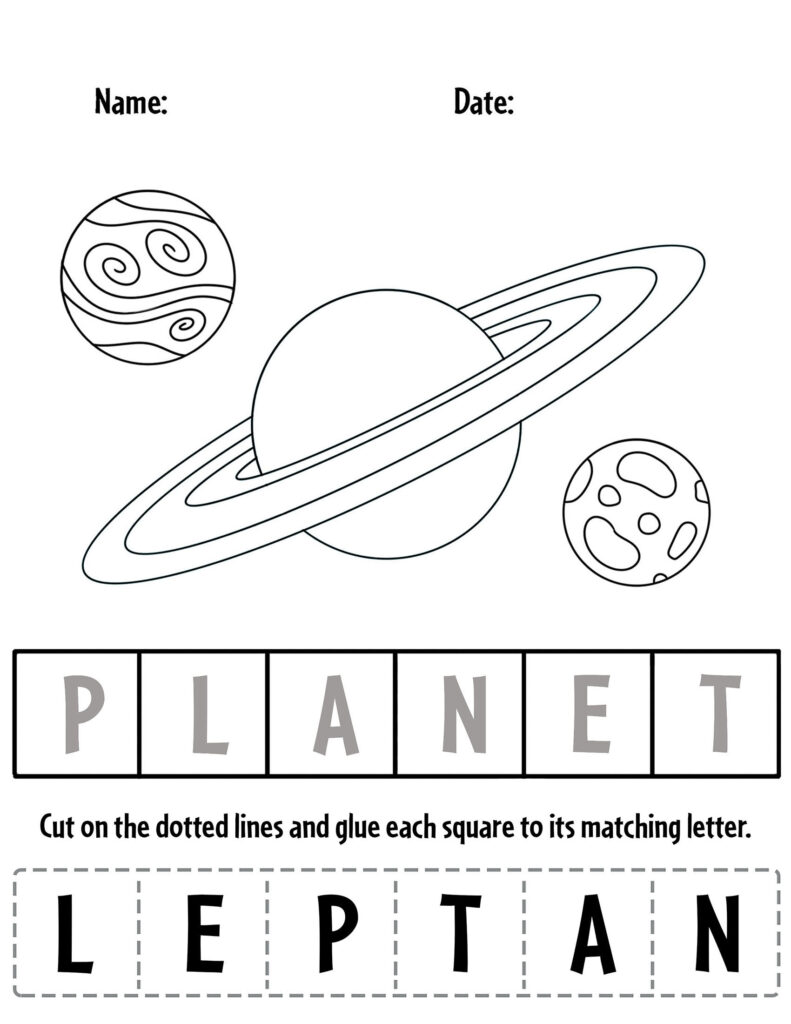
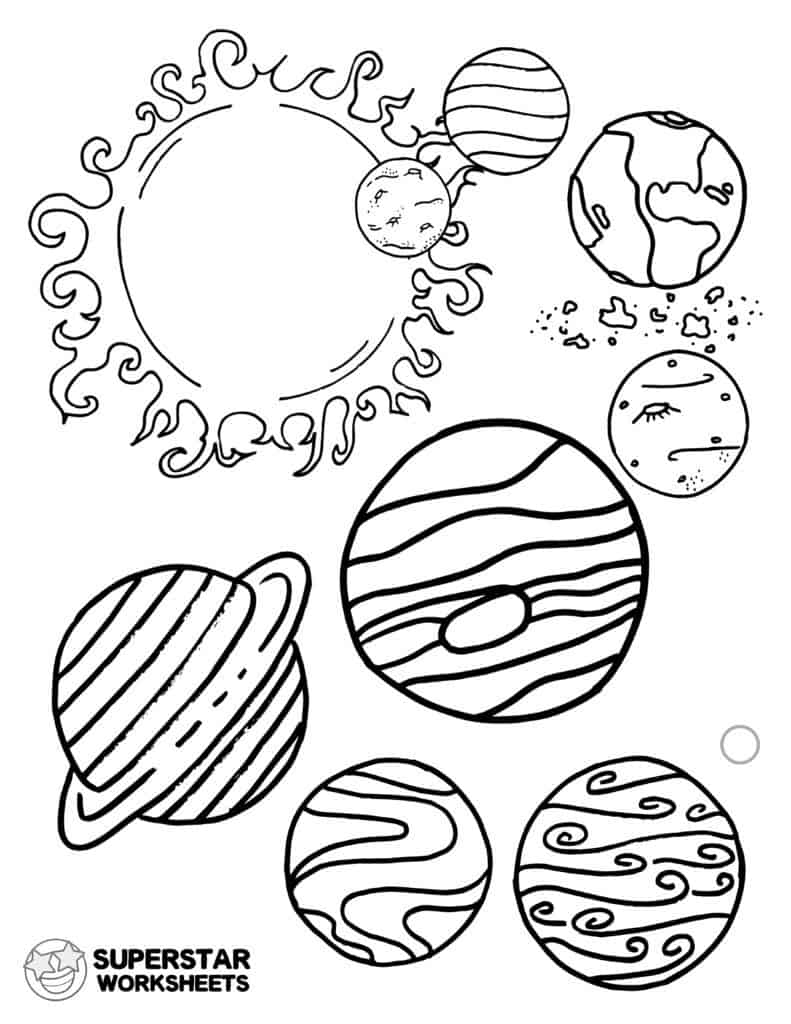
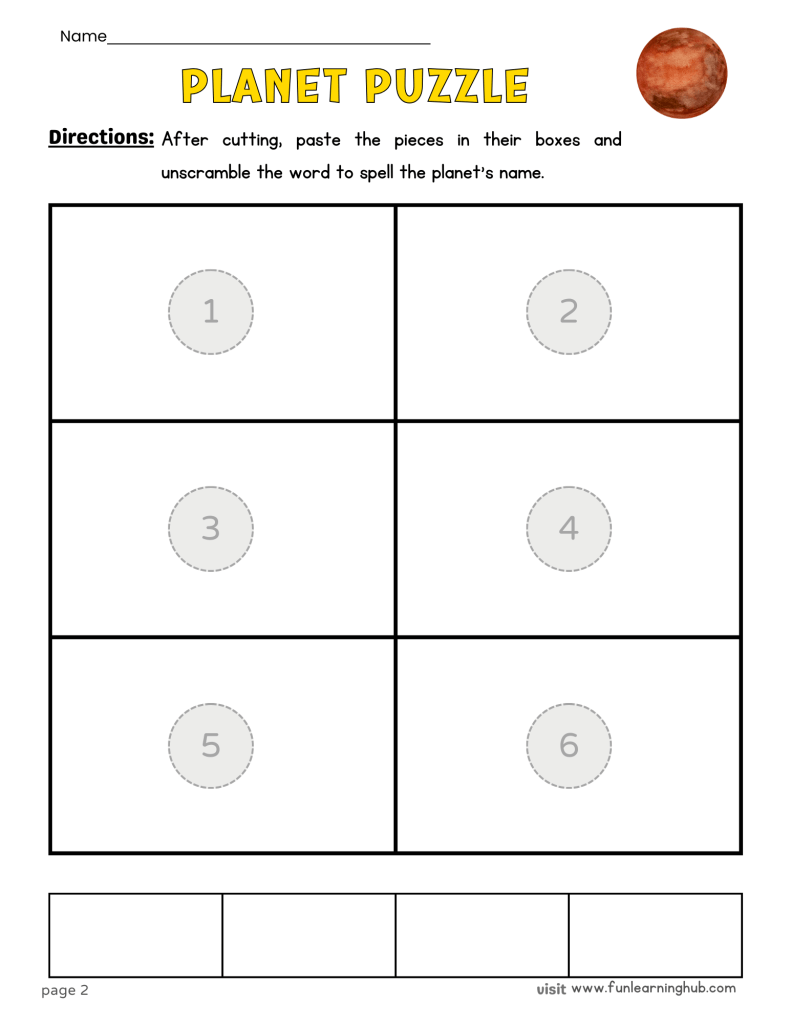
When choosing planet matching worksheets, the best option is usually the one that matches the child’s current level. Younger learners benefit from large pictures and only a few choices, while older kindergarten students can handle more items or added name matching. Keep the directions short, the visuals clean, and the number of matches reasonable. Used this way, planet matching worksheets give children a simple, low-pressure way to practice observation, vocabulary, and early learning confidence.