
Fine motor maze worksheets are simple path-tracing pages that help children move a pencil, crayon, or marker along a maze from start to finish. As they follow the line, they practice hand-eye coordination, visual tracking, and controlled hand movement. These worksheets are especially useful when you want a short, focused activity that feels like a puzzle while still supporting early writing readiness.
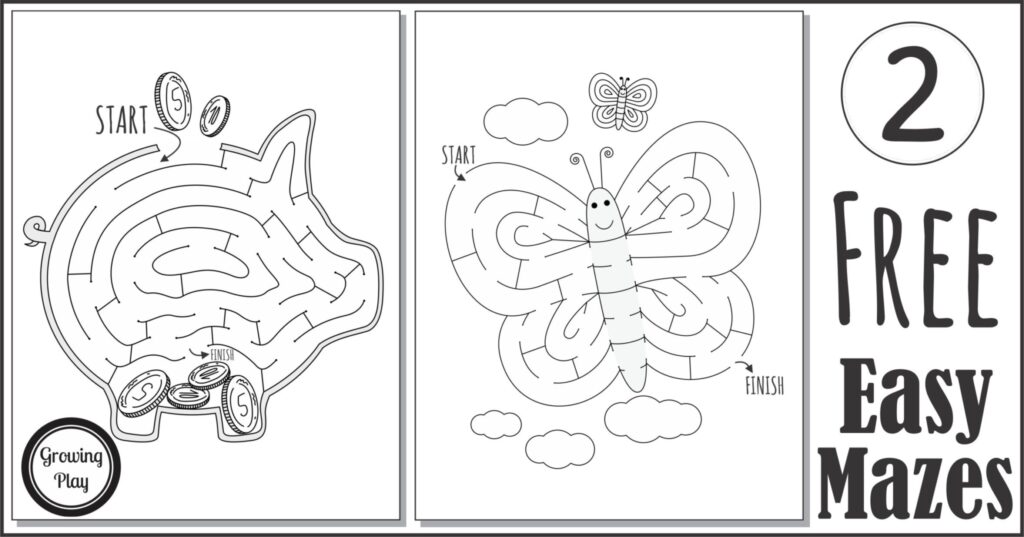
What to look for
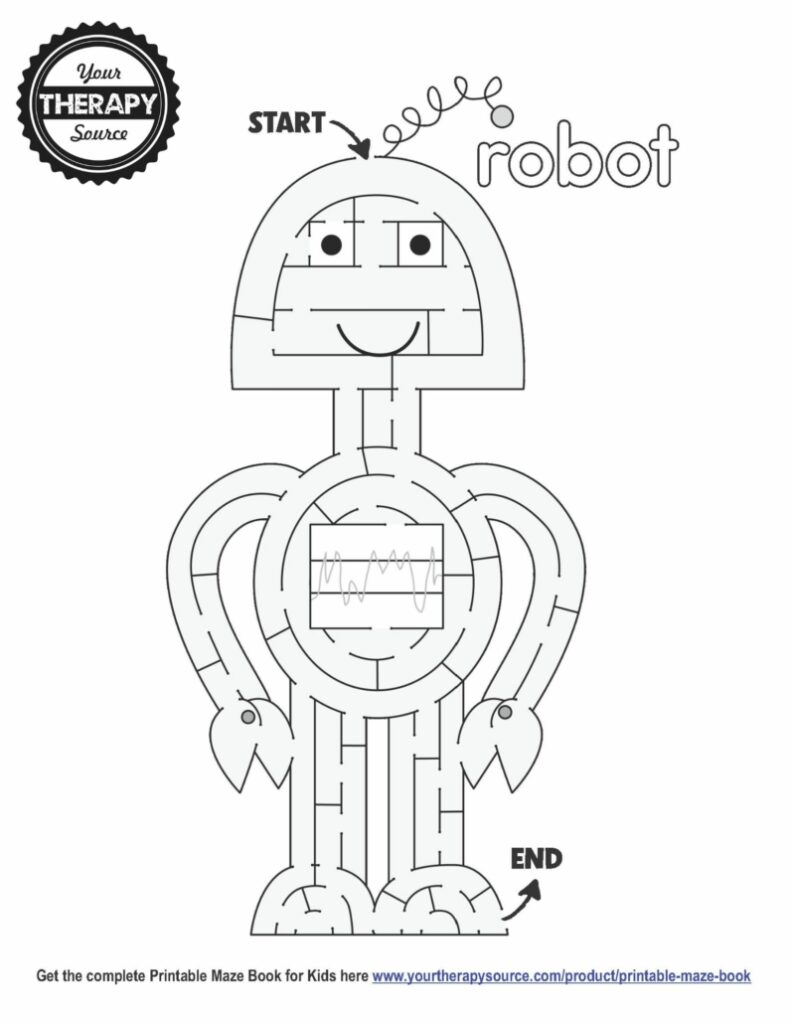
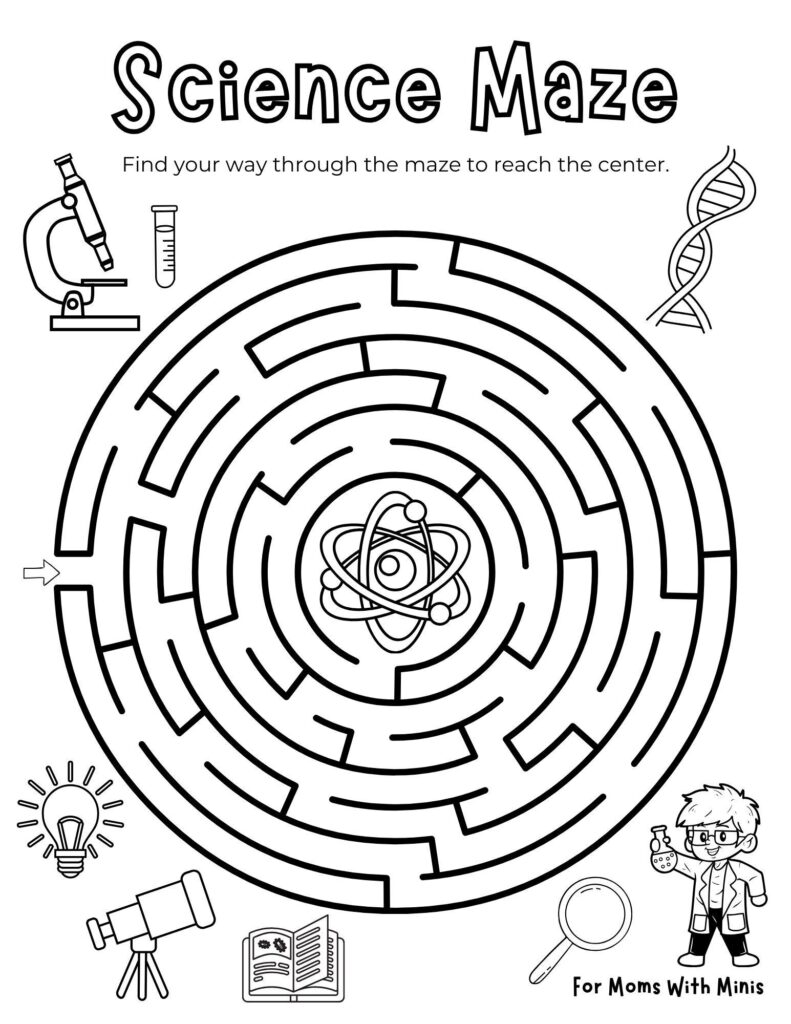
When choosing fine motor maze worksheets, start with the maze difficulty. Simple wide paths with few turns work best for beginners, while narrower routes and extra dead ends add more challenge later. Line thickness also matters: thicker outlines are easier for younger children to follow, while thinner lines require more control. Check whether the worksheet has a clear start and finish, since that helps children stay oriented and complete the path with less frustration.
Using them safely
Fine motor maze worksheets fit well in preschool and early elementary settings because they are quick to set up and easy to repeat. They can be used at home for short practice, in class as a quiet seatwork page, or in therapy sessions for targeted hand control work. They are most effective when children trace at a comfortable pace and are encouraged to stay on the path rather than rush to the end. A short, successful attempt is often better than a long, tiring one.
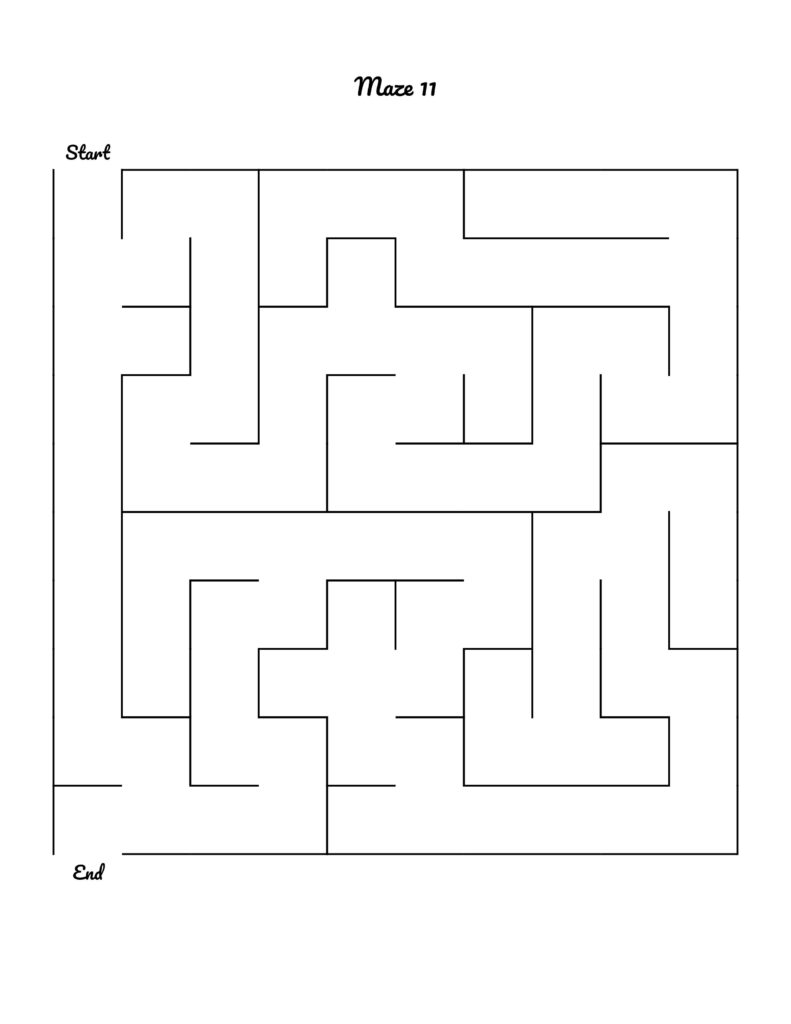
Before printing or handing out a worksheet, check whether it is meant for pencil, crayon, or marker use. Pencil gives the most control, while crayons and markers may work better for children who need a larger grip or clearer feedback. For younger children, it is wise to supervise closely and begin with easier paths before moving to more detailed mazes. That simple progression keeps the activity manageable and helps the worksheet support steady fine motor practice.



