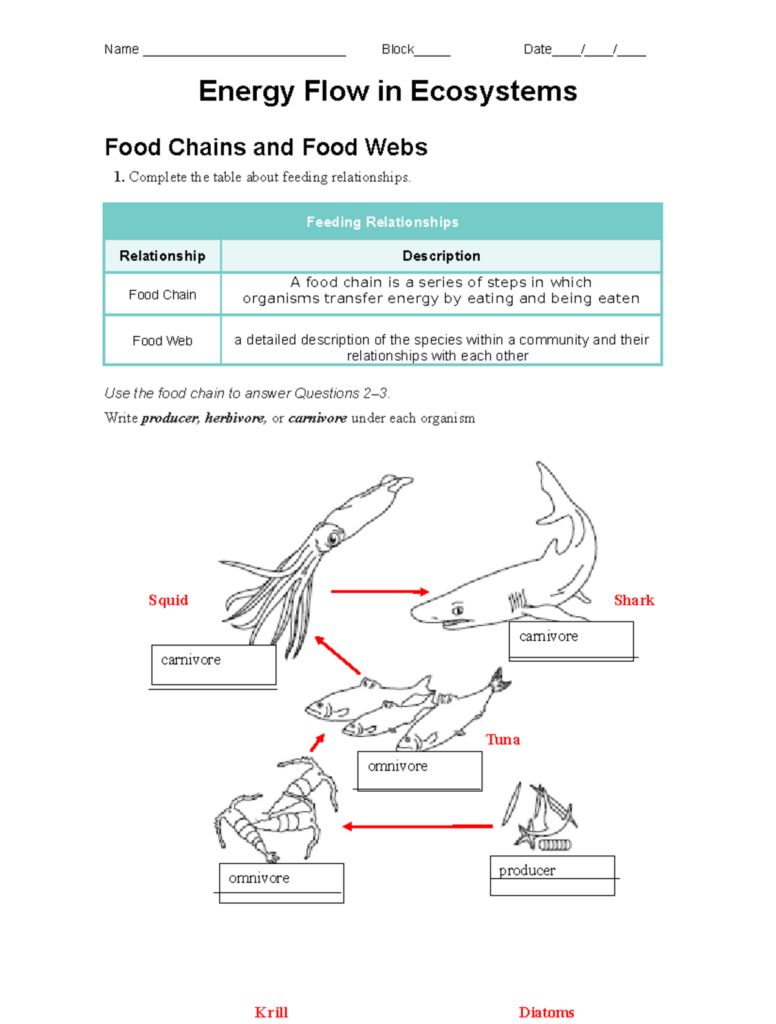
Ecosystem interactions worksheets help students see how living things affect one another in a habitat. The best worksheets use simple examples, pictures, and short prompts so kids can identify who interacts with whom and explain why. These activities are usually aimed at elementary or middle school learners and should keep the focus on recognizing basic relationship types rather than memorizing advanced ecology terms.
What Students Learn
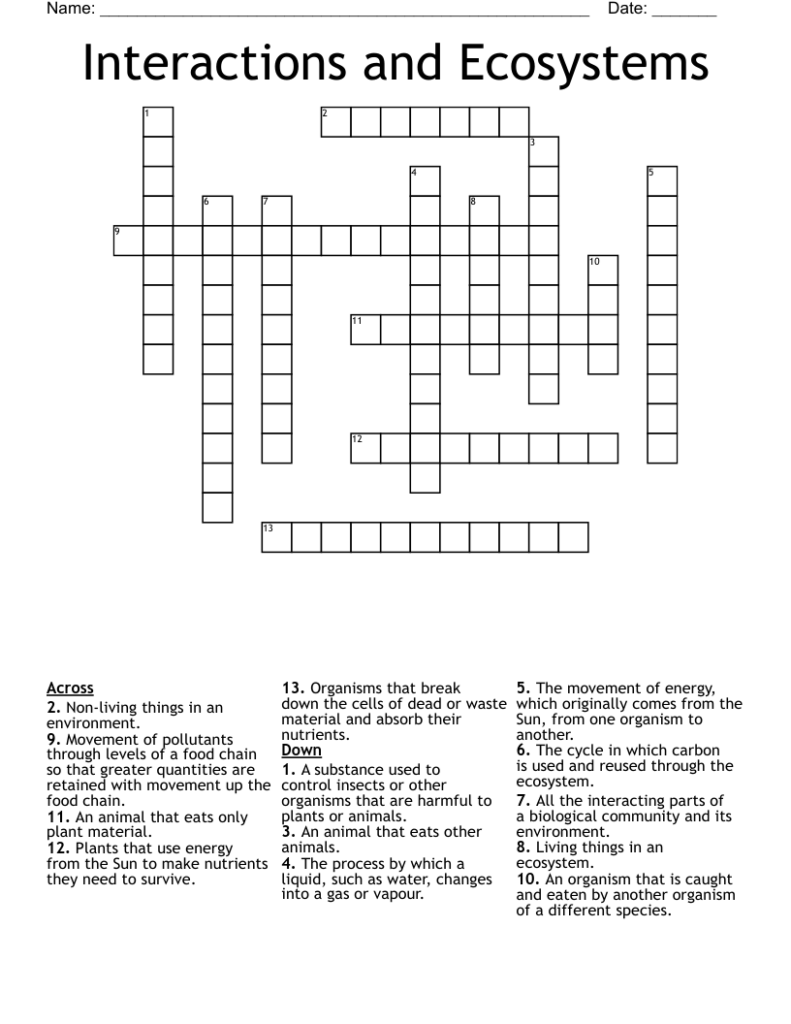
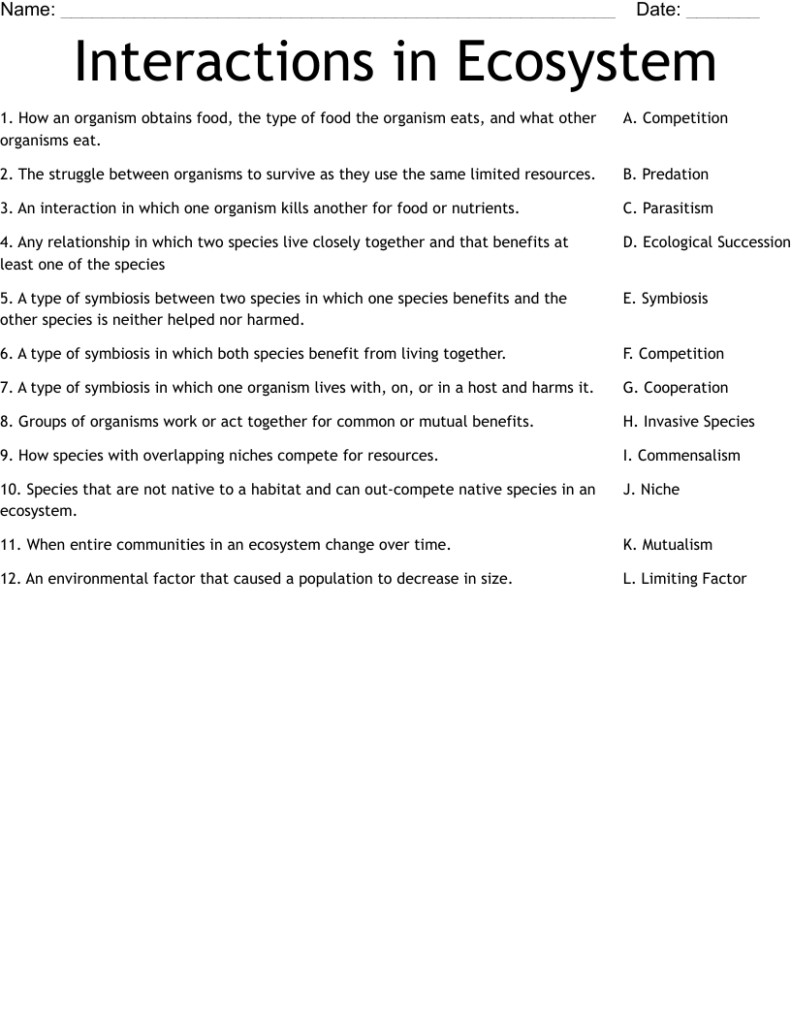
A strong worksheet should define ecosystem interactions in kid-friendly language, such as “ways organisms depend on or affect each other.” It should then guide students to sort examples into the main types commonly taught in class: predator-prey, competition, mutualism, commensalism, and parasitism. The goal is not just naming the type, but noticing clues in a picture or short scenario. For example, a hawk catching a mouse shows predator-prey, while bees and flowers show mutualism because both benefit. Simple matching, labeling, and multiple-choice items work well for this skill.
Good Worksheet Formats
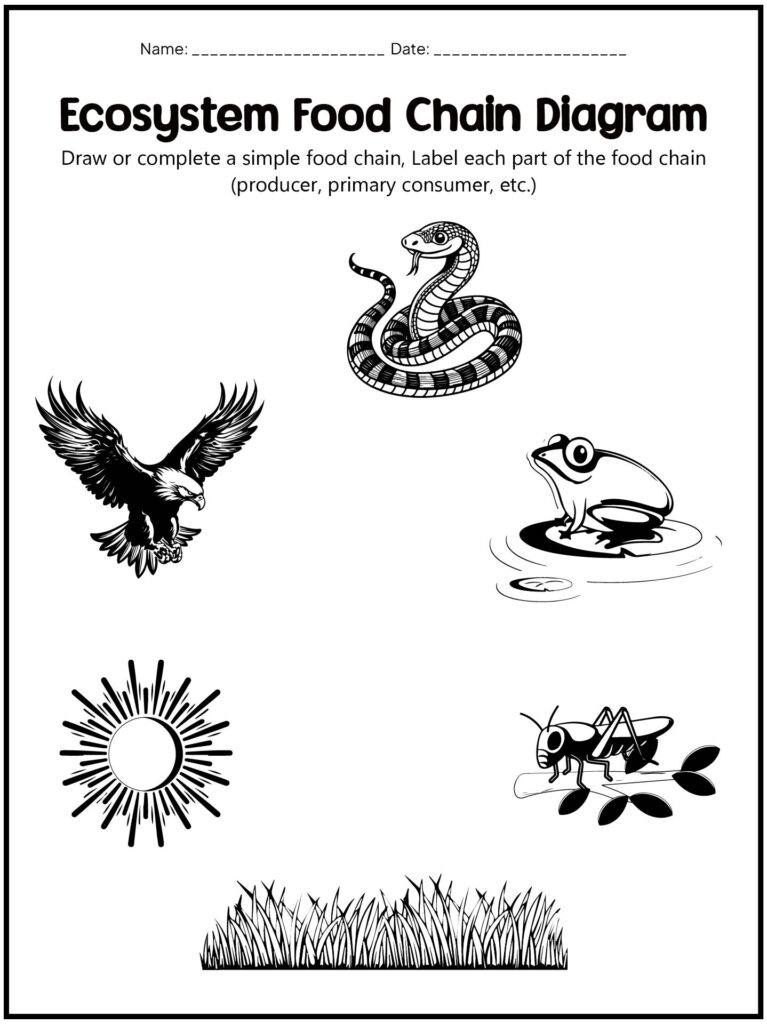
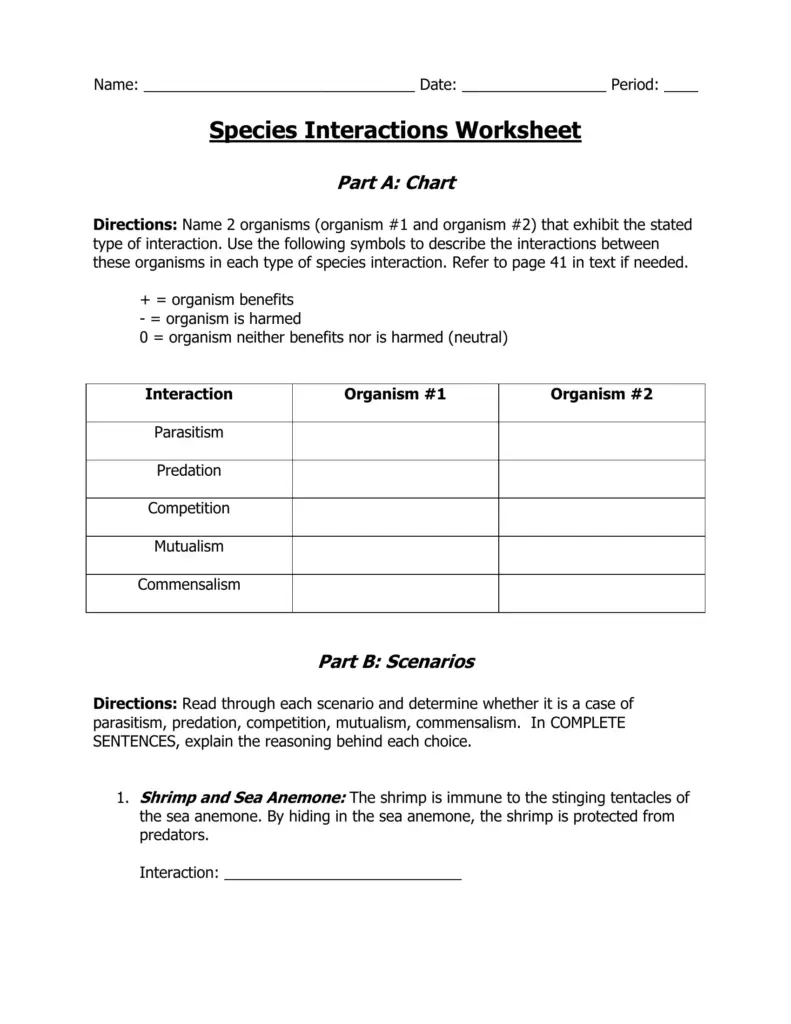
The clearest ecosystem interactions worksheets usually rely on visuals and short reading passages. A diagram with arrows, a pair of organisms, or a brief story gives students enough context to classify the relationship without being overwhelmed. This format works well for guided practice, independent work, or quick review. Commensalism and parasitism are especially useful to include because students often mix them up, so worksheets should show the difference in a clear way.
A bird nesting in a tree can show commensalism, while a tick feeding on a dog can show parasitism. Labels, word banks, and sentence starters can make the task more accessible.
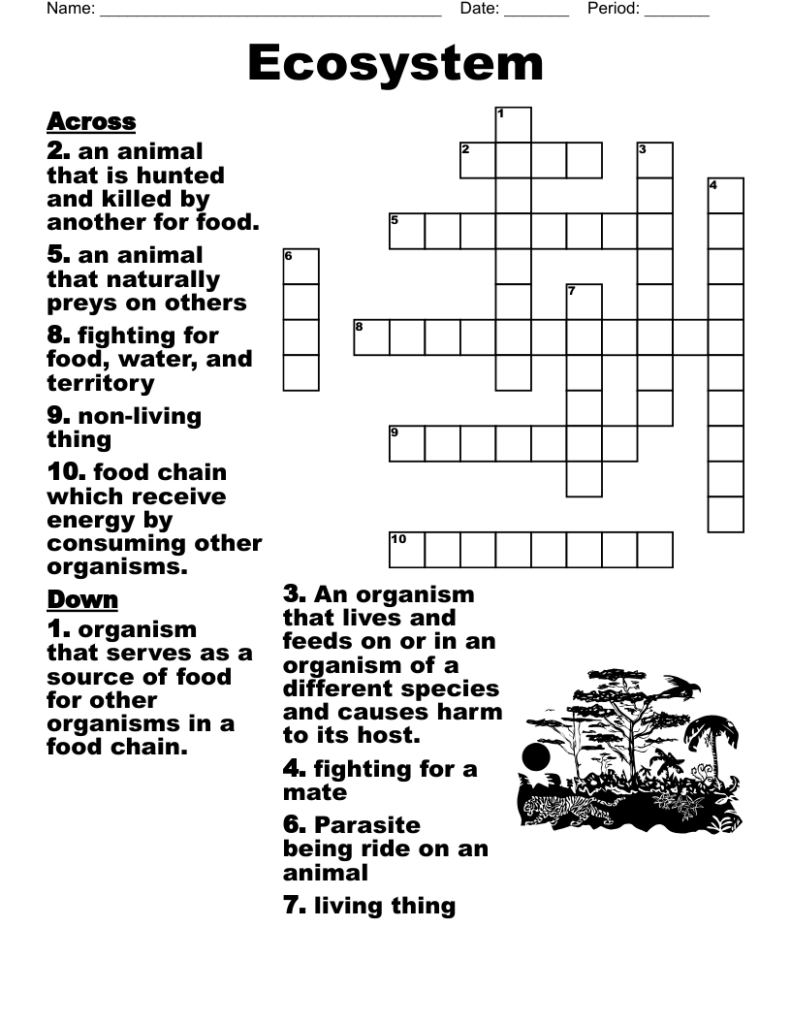
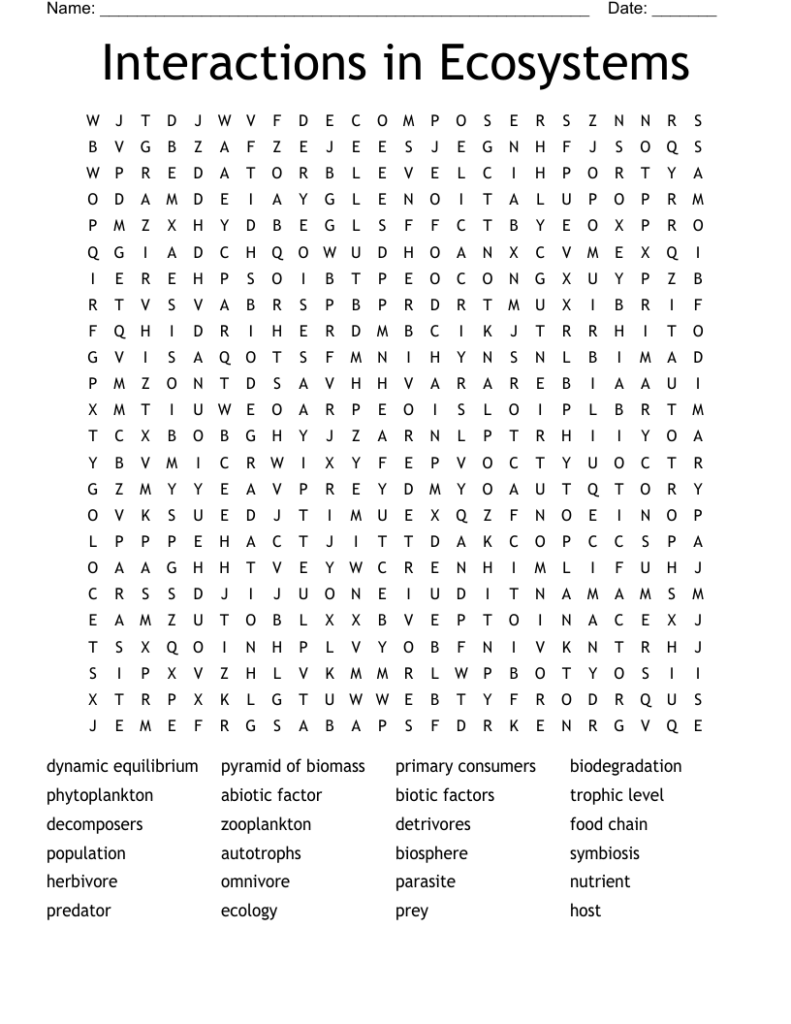
For the classroom audience, the best fit is often upper elementary through early middle school, where students are ready to compare interactions and justify their thinking with evidence from the worksheet. Teachers can also use these pages as informal checks for understanding after a unit introduction or science reading. A helpful worksheet asks students to identify the interaction type and explain the clue that led them to that answer. That keeps the focus on classification and basic reasoning, which is exactly what most ecosystem interactions worksheets should support.