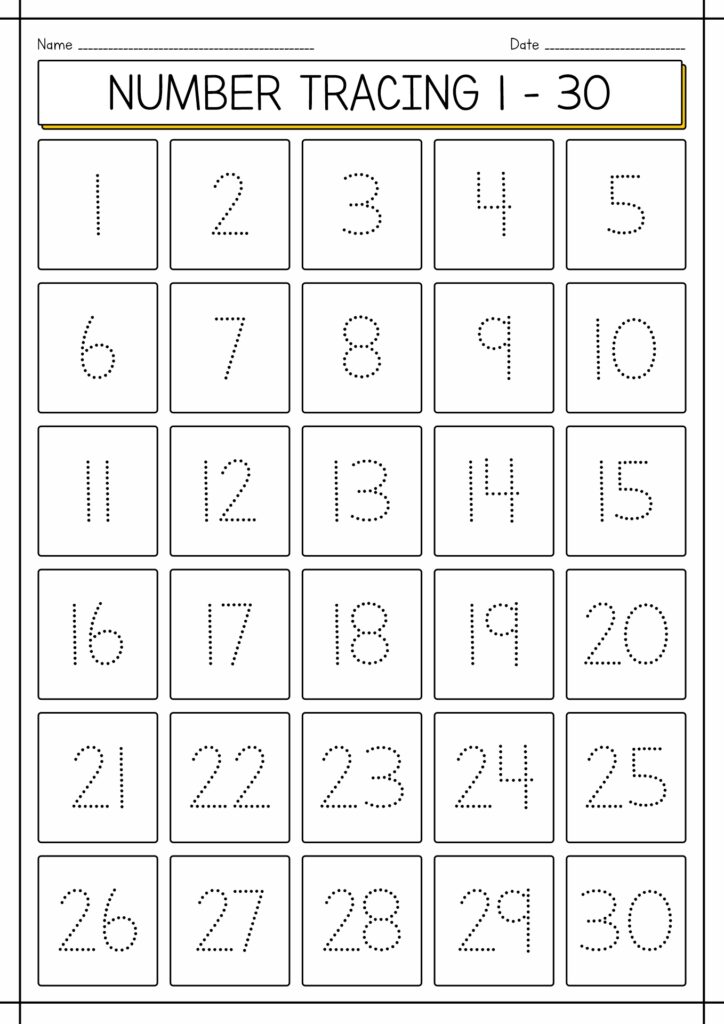
Preschool writing worksheets for 5 year olds should feel simple, clear, and manageable. At this age, children are usually ready for large tracing paths, easy shapes, and short pencil tasks that build control without frustration. The best worksheets help a child practice holding a pencil, following a line, and making early marks that prepare them for letters and words.
Worksheet features
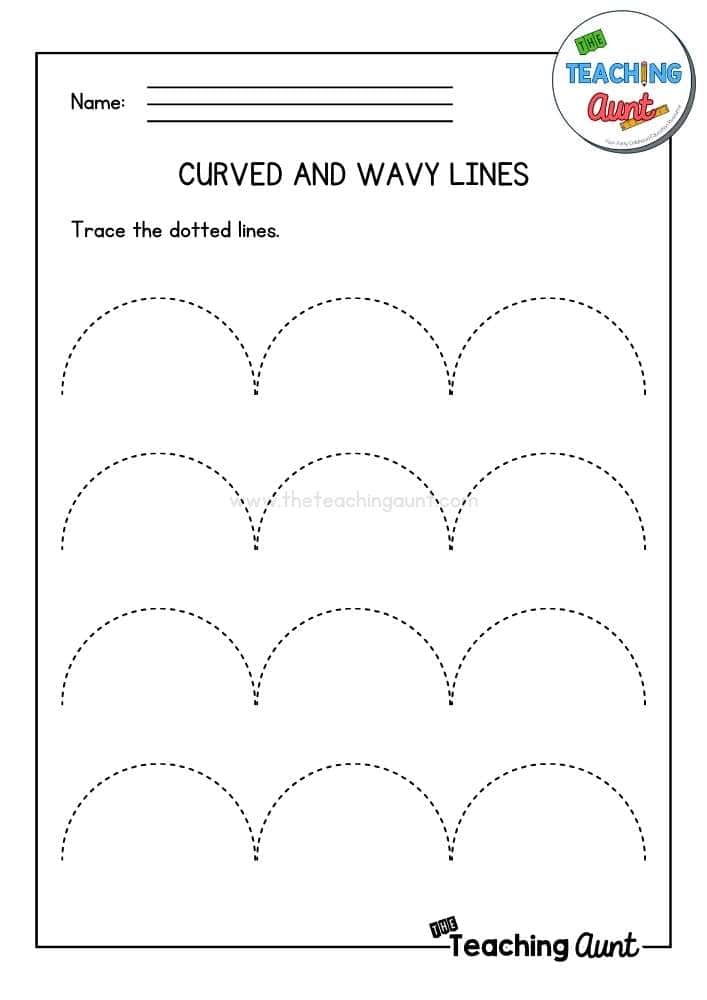
Age-appropriate worksheets for 5-year-olds usually start with big tracing lines, dots, and wide paths to follow. Straight lines, curves, zigzags, and simple shapes give children repeated practice without crowding the page. These layouts support fine motor coordination because the child can slow down and focus on movement instead of precision. Look for pages with plenty of space, bold starting points, and just one skill per page so the task stays clear and achievable.
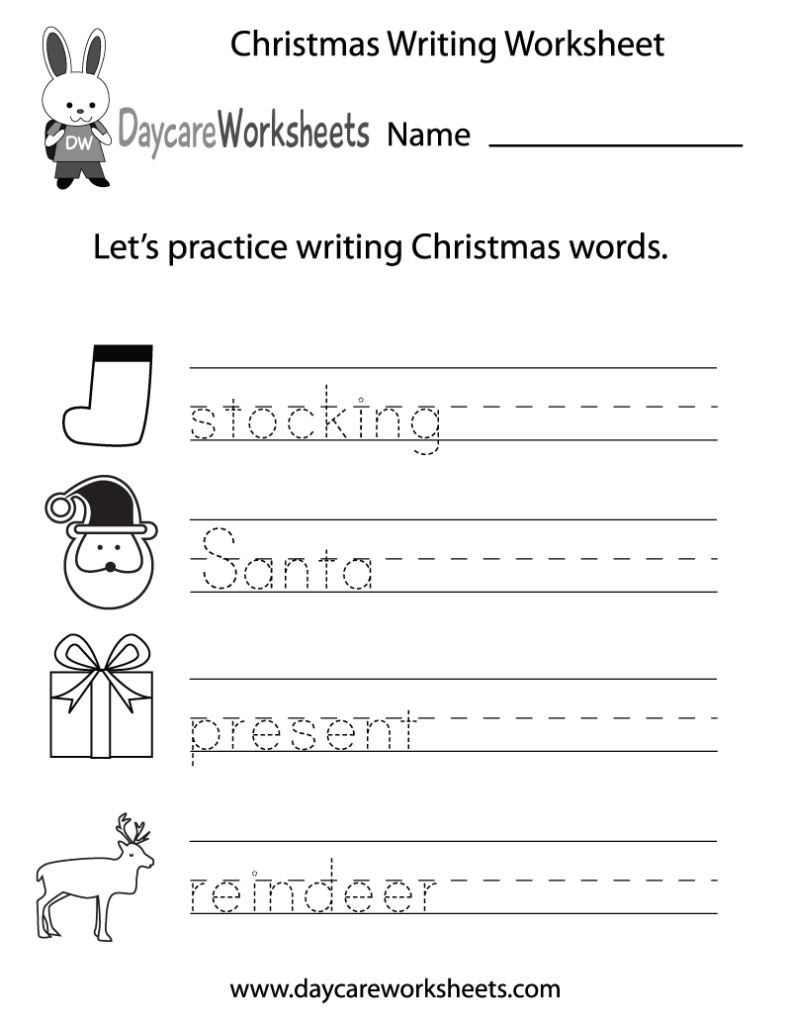
These worksheets also target early writing readiness in small, practical steps. Tracing improves pencil control, while matching shapes or tracing basic letter forms builds recognition and confidence. Short handwriting tasks, such as copying one letter, writing a name, or finishing a simple word, are helpful once tracing feels easy. The goal is steady progress: from following lines, to tracing letters, to writing a few simple characters with support.
Choosing the right level
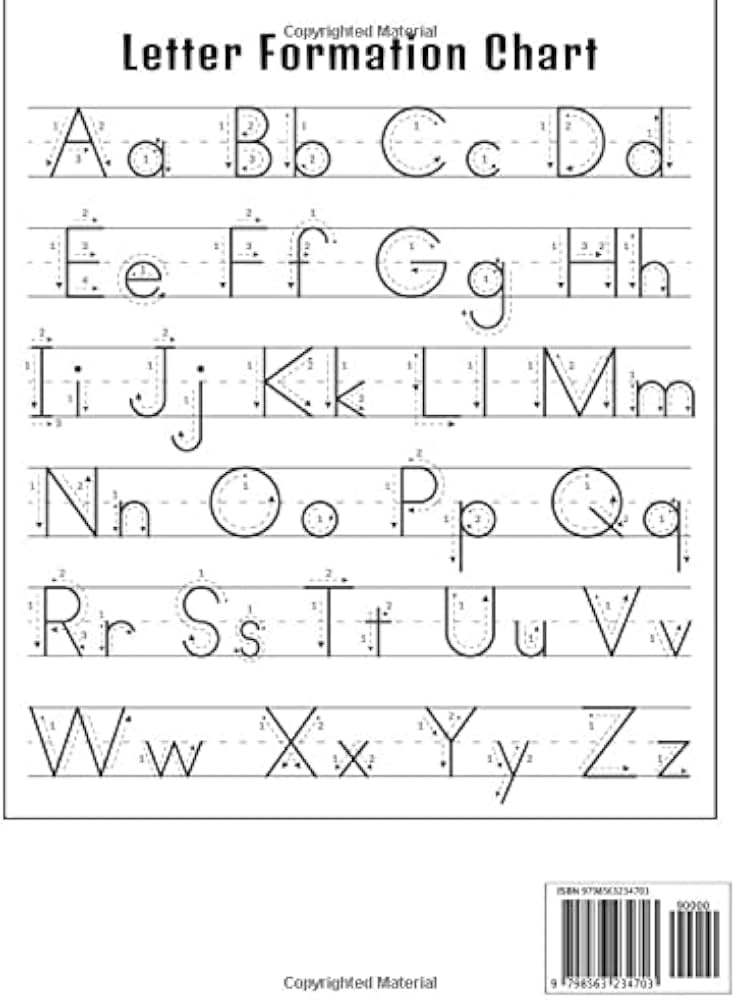
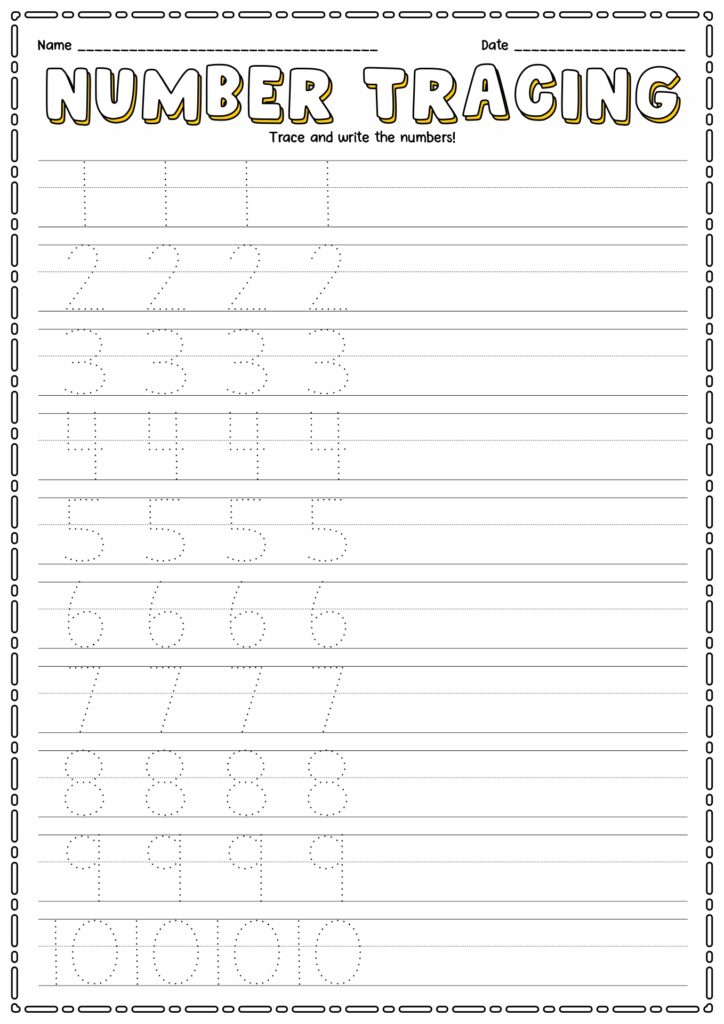
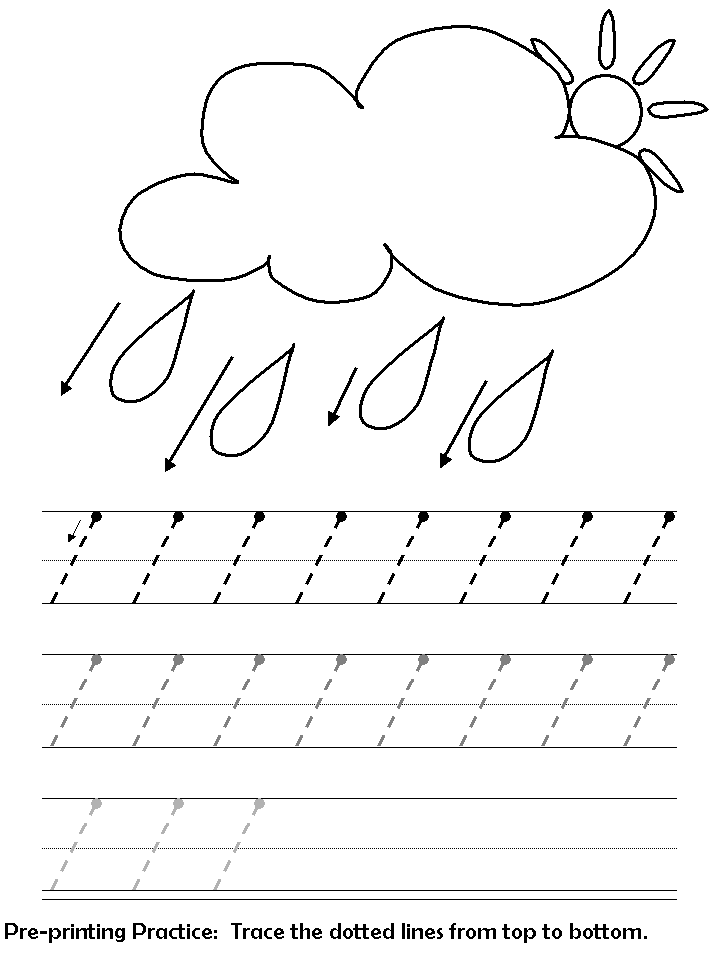
Matching difficulty to a 5-year-old’s development means starting with what the child can do comfortably and then adding a little challenge. If a child is just learning control, begin with straight lines, circles, and large tracing shapes. If tracing is consistent, move to dotted letters or simple first-name practice. Avoid pages that are too dense, too small, or packed with too many instructions, since those can overwhelm early writers and reduce confidence.
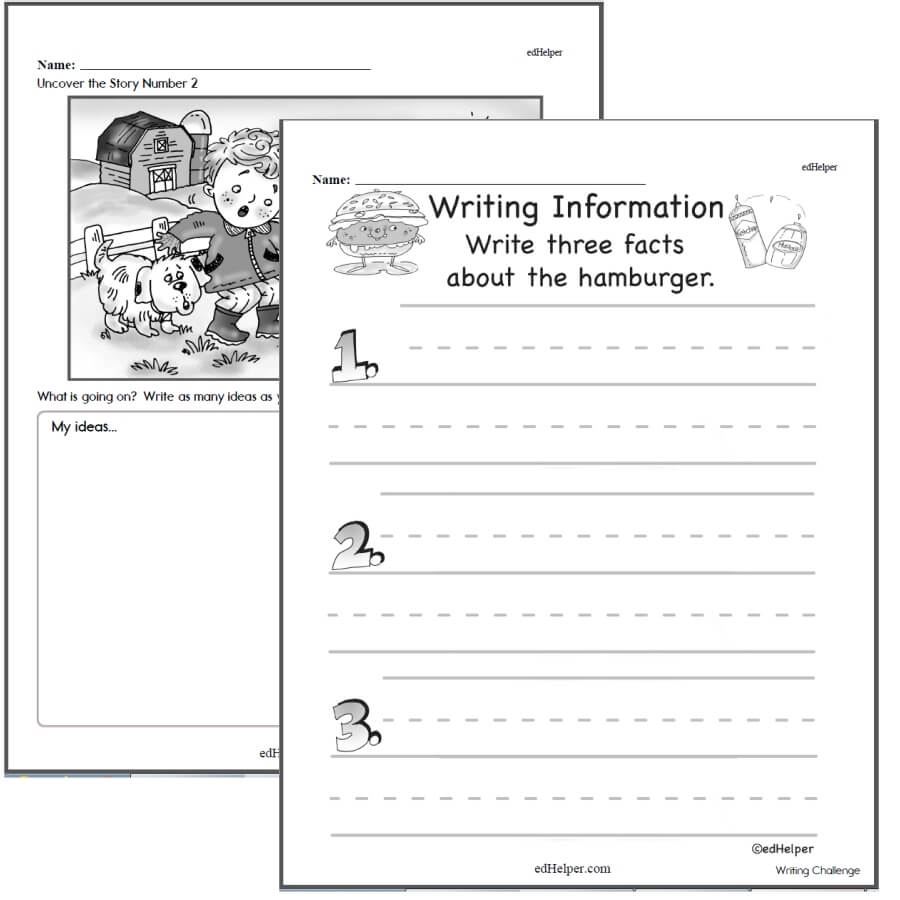
A good preschool writing worksheet for 5 year olds should build success one step at a time. The most useful pages are those that encourage tracing first, then simple letter recognition, and finally short writing tasks that feel within reach. When the worksheet matches the child’s stage, practice feels easier, more enjoyable, and more effective. That steady progression is what helps early writing skills grow.