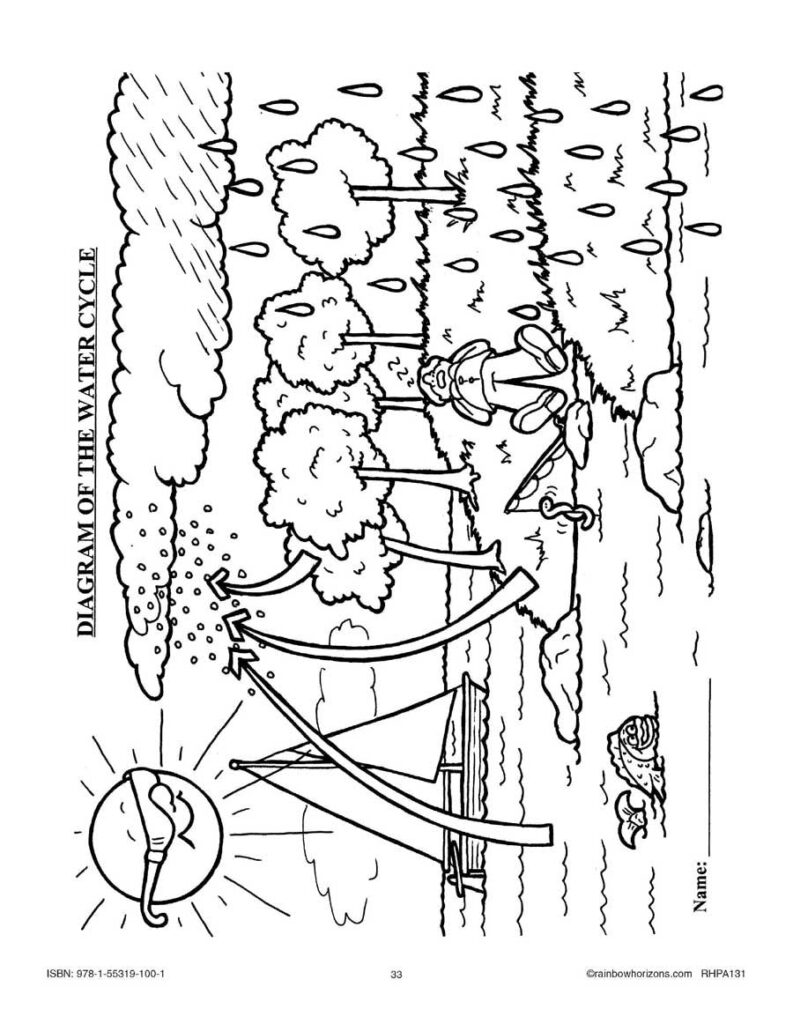
A water cycle diagram for kids worksheet helps children learn the four main stages of the water cycle in a simple, visual way. It usually shows a picture with blanks or labels to fill in, plus spaces to color or trace the path of water. This makes the idea easy to understand at home or in the classroom, even for early readers.
What Children Label
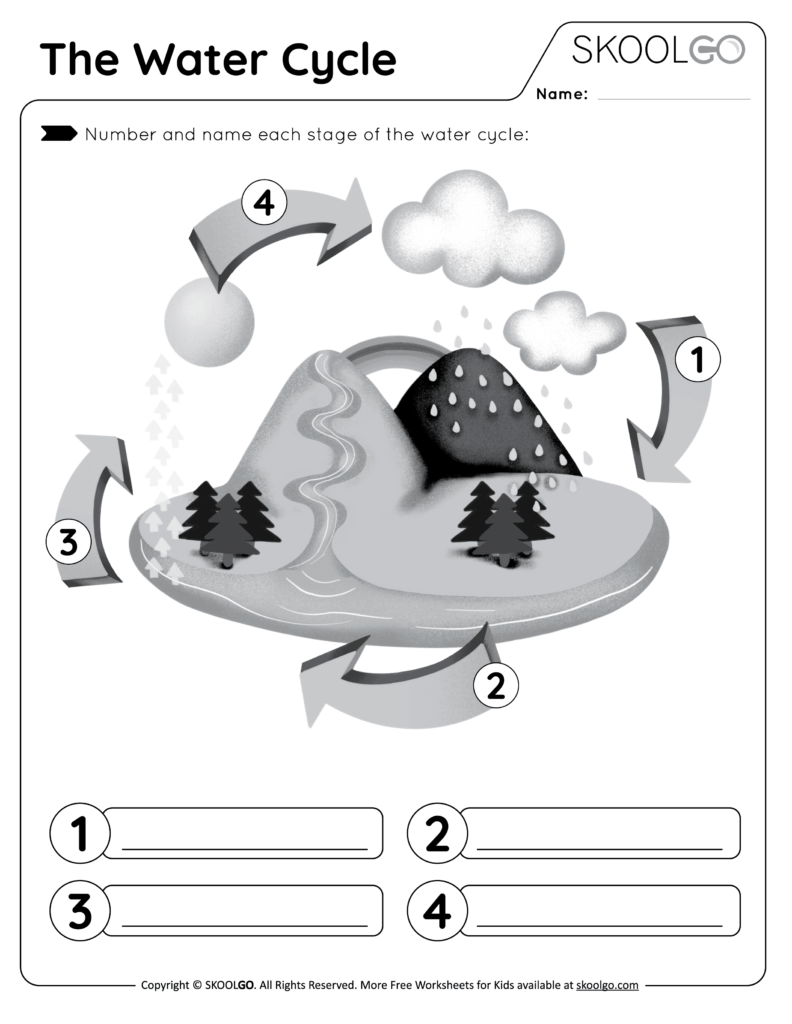
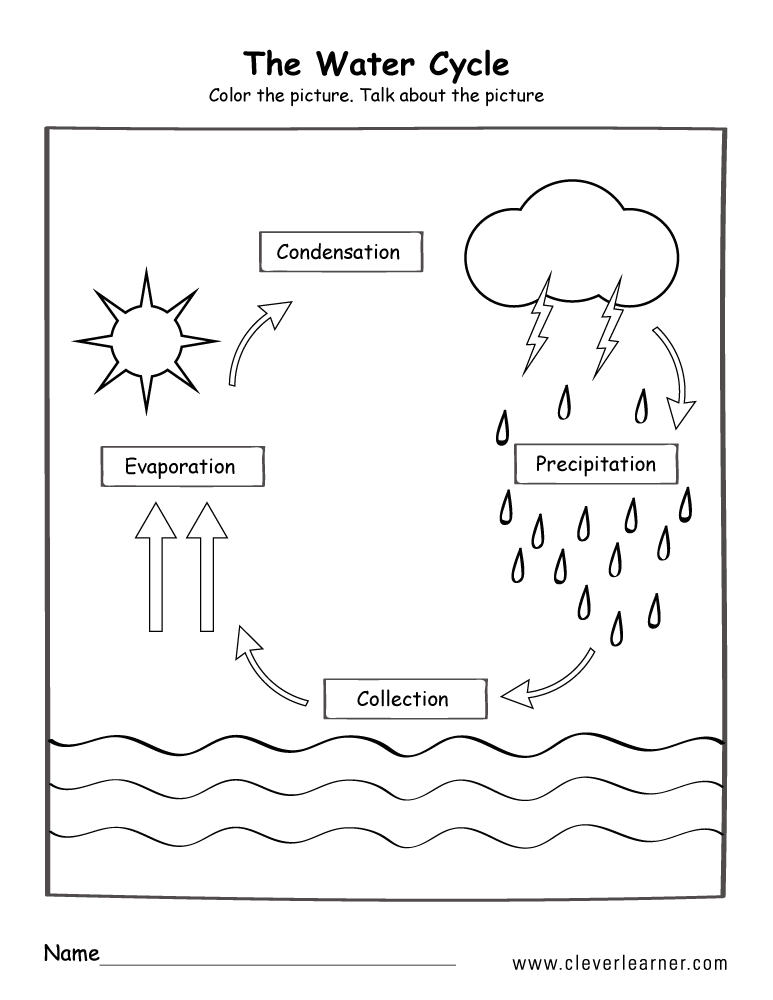
The worksheet should focus on the four core stages: evaporation, condensation, precipitation, and collection. Kids can match each word to the correct part of the diagram, or write the labels in order. A good diagram shows water rising from a lake or ocean, forming clouds, falling as rain or snow, and gathering again in rivers, lakes, or oceans. Keeping the picture clear helps children connect each stage to what they see.
Short, child-friendly directions make the worksheet easy to use. For example, children can look at the picture, say each stage aloud, then color the arrows or draw a line from the word to the matching part of the diagram. Some worksheets also ask them to number the stages from first to last. These simple tasks turn the water cycle into a hands-on activity without adding extra complexity.
Simple Stage Meanings
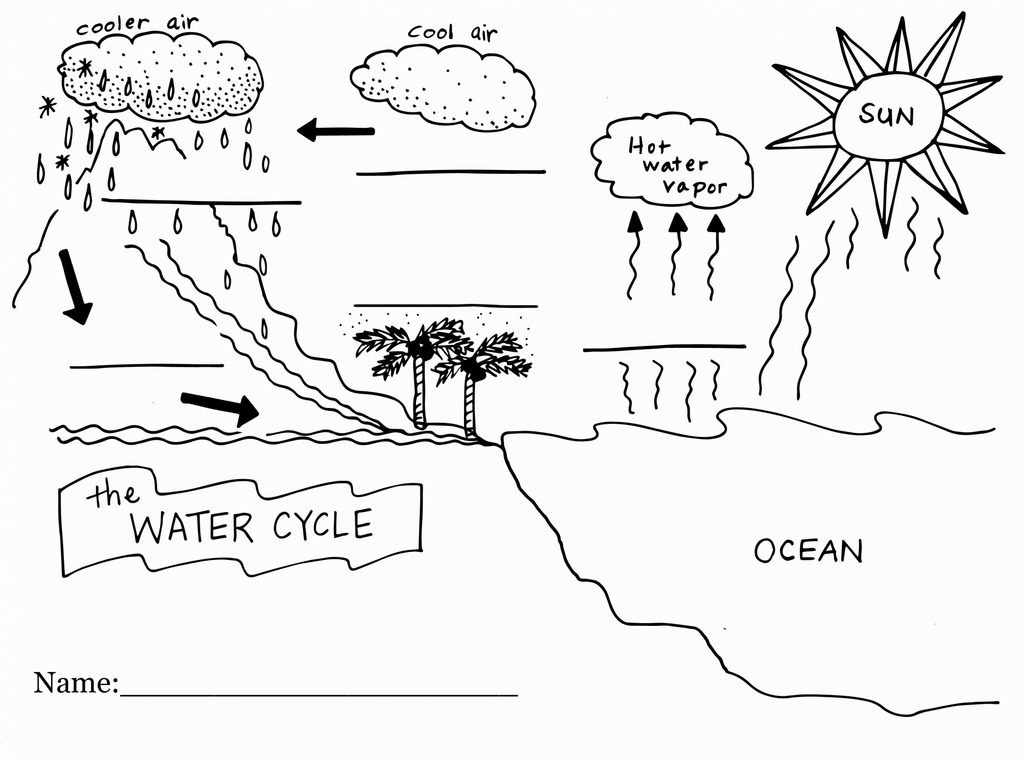
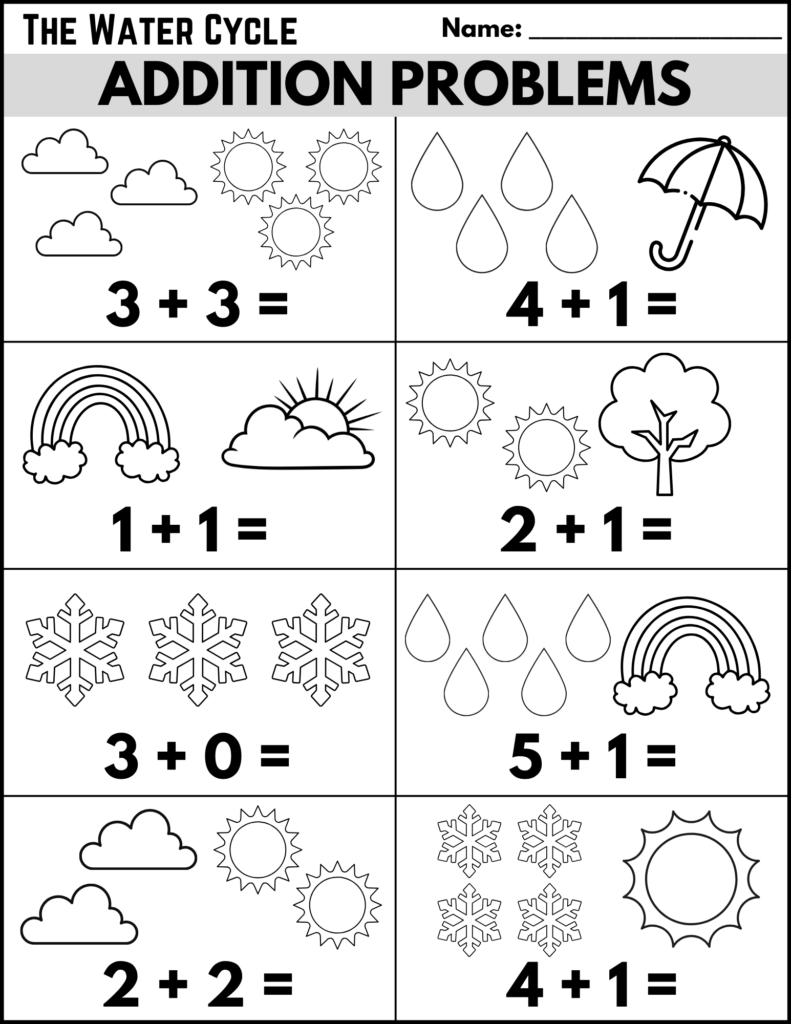
Each stage needs a very brief explanation in plain language. Evaporation means the sun warms water and it turns into vapor. Condensation means the vapor cools and forms clouds. Precipitation means water falls from the clouds as rain, snow, or hail. Collection means water gathers back in places like oceans, lakes, and puddles. Keeping the wording short helps children remember the process while they work.
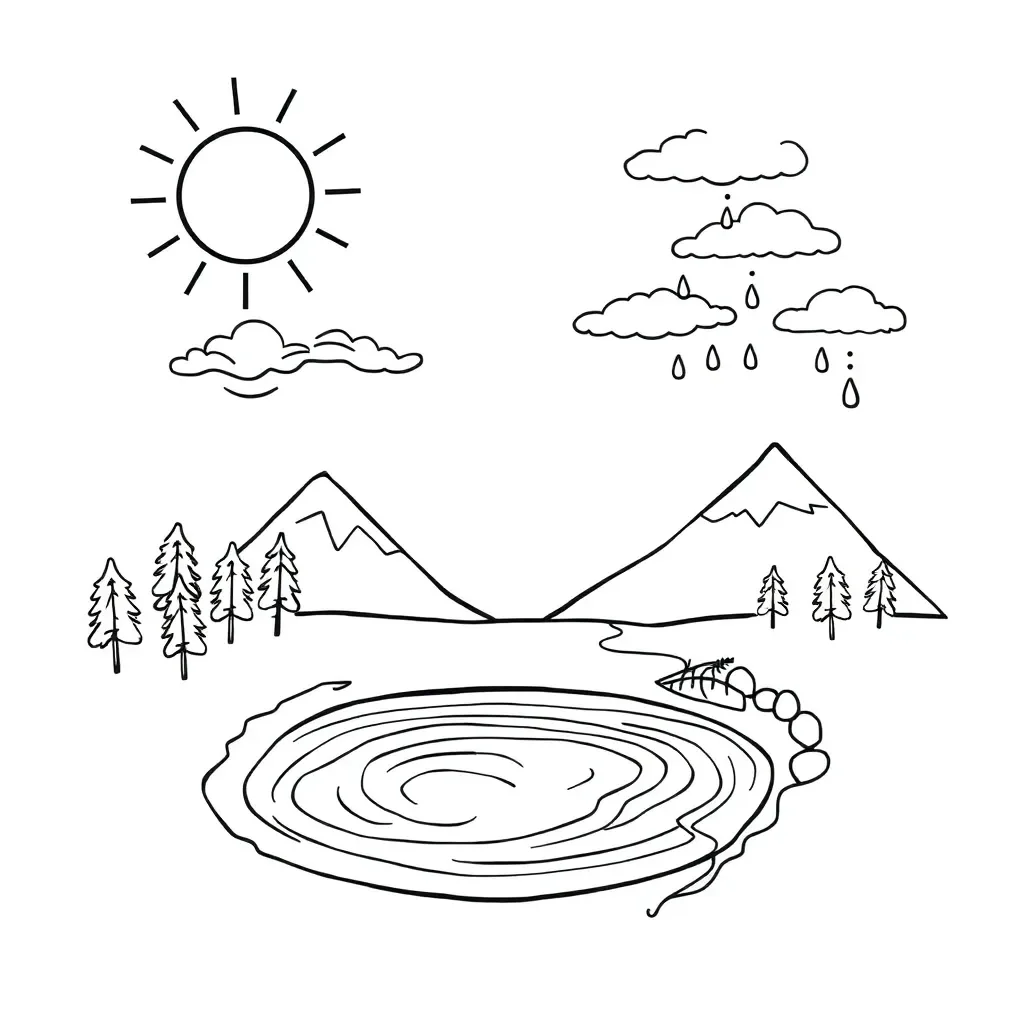
The best worksheet for this topic is clear, uncluttered, and easy to print or use on a screen. It should support labeling, coloring, or sequencing, not a full science lesson. For young learners, a diagram with bold arrows and large words is often enough. Used alongside a quick teacher or parent explanation, this kind of worksheet gives children a simple first understanding of how water moves through nature.