
Social emotional worksheets classroom preschool activities help young children practice feelings, behavior, and friendship skills in a simple, visual way. In preschool, the best worksheets do not rely on lots of reading; they use pictures, tracing, matching, and coloring to make concepts concrete. Teachers can use them to support daily routines, small-group lessons, and guided conversations about emotions and classroom expectations.
Skills to target
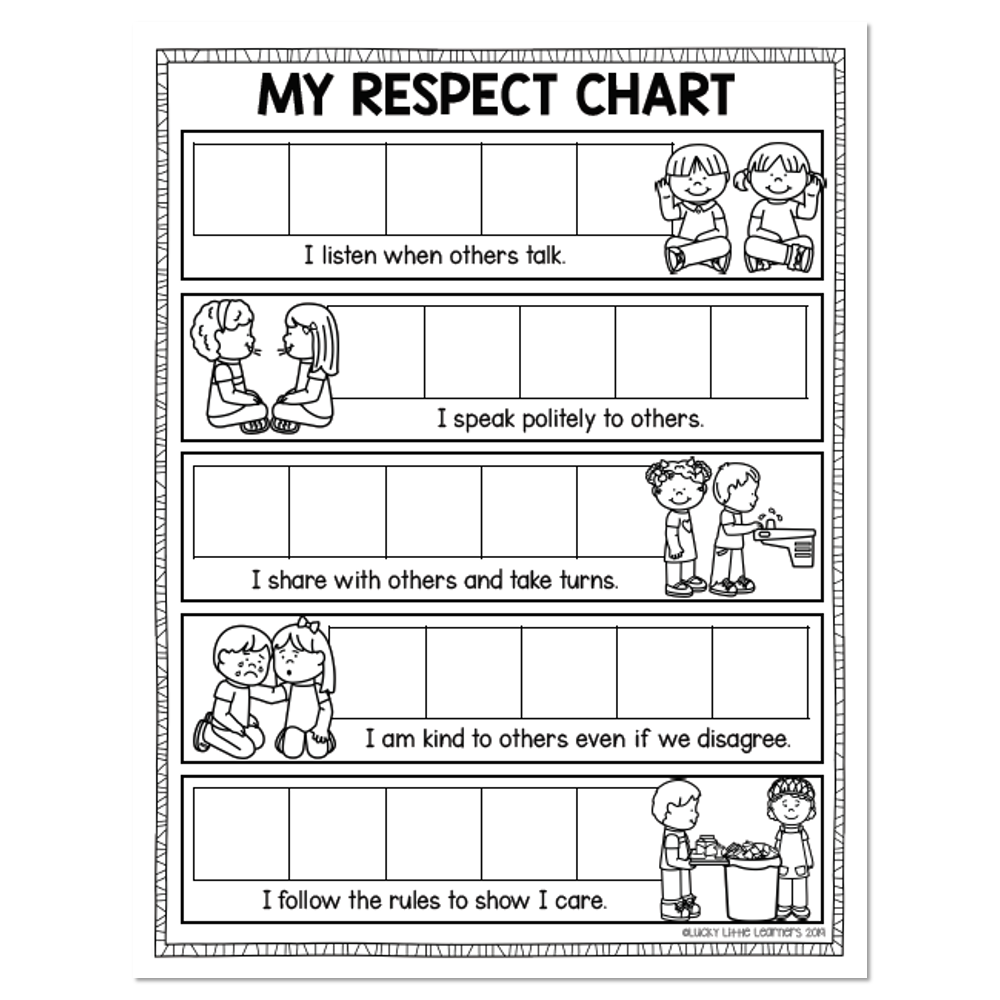
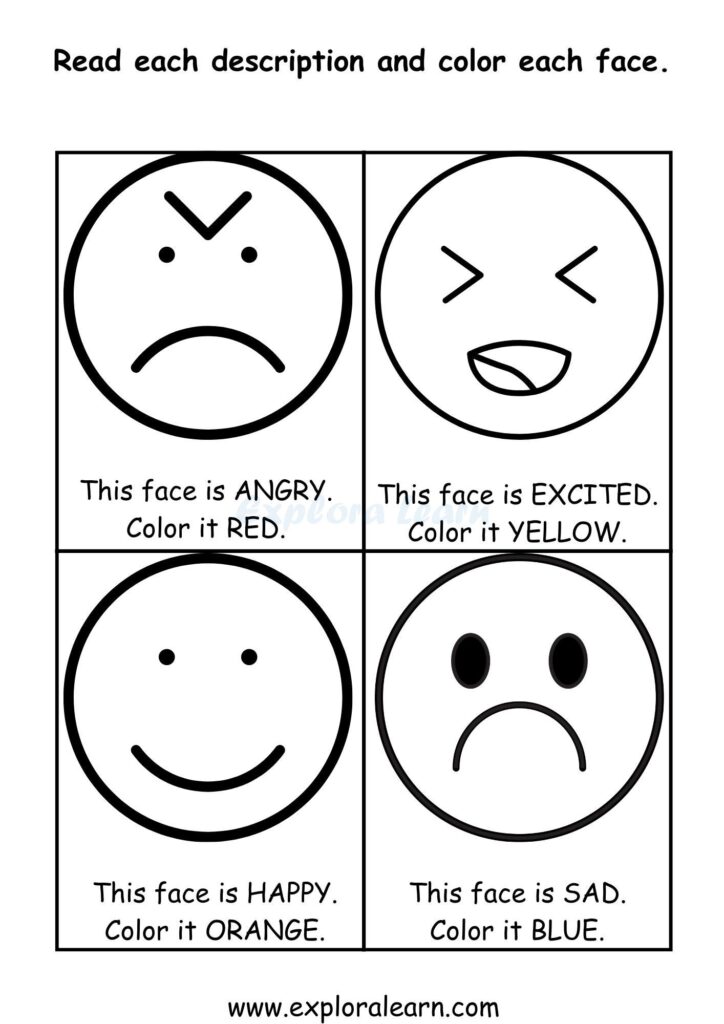
The most useful preschool worksheets focus on a few core skills at a time: identifying emotions, naming feelings, turn-taking, self-regulation, and friendship behaviors. A child might match faces to feelings, trace words like happy or sad, or circle the child who is waiting for a turn. These pages work best when the task is narrow and clear, so children can succeed without needing long explanations or complex directions.
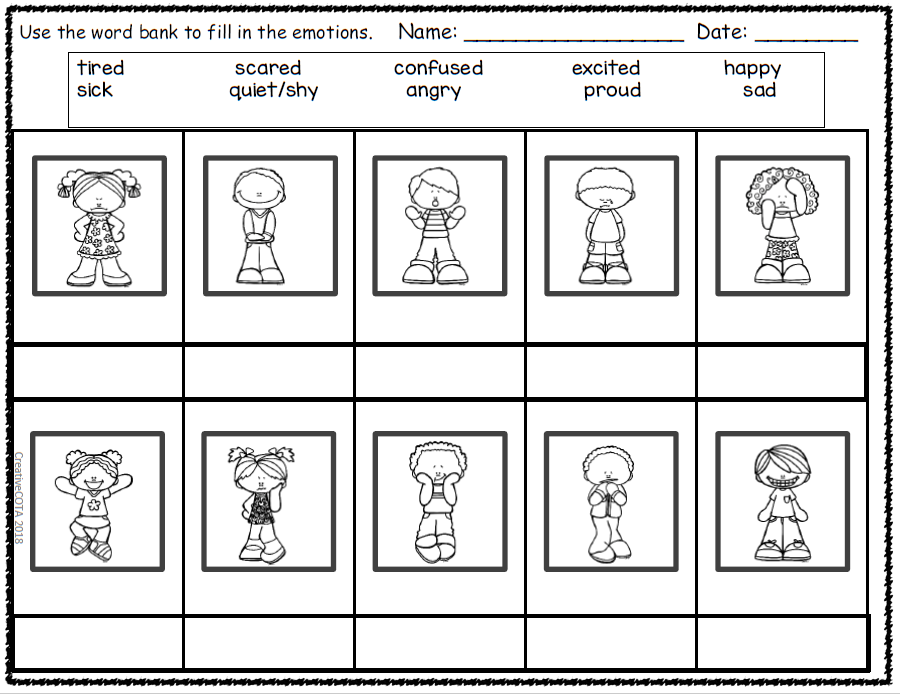
Effective preschool worksheets should be easy to understand at a glance. Look for large images, minimal text, and formats such as trace-and-color, cut-and-paste, or simple matching. Directions should be short, like color the face or draw a line to the friend who is sharing. The design matters because young children need enough visual support to stay engaged while still practicing the social-emotional idea behind the page.
Classroom use
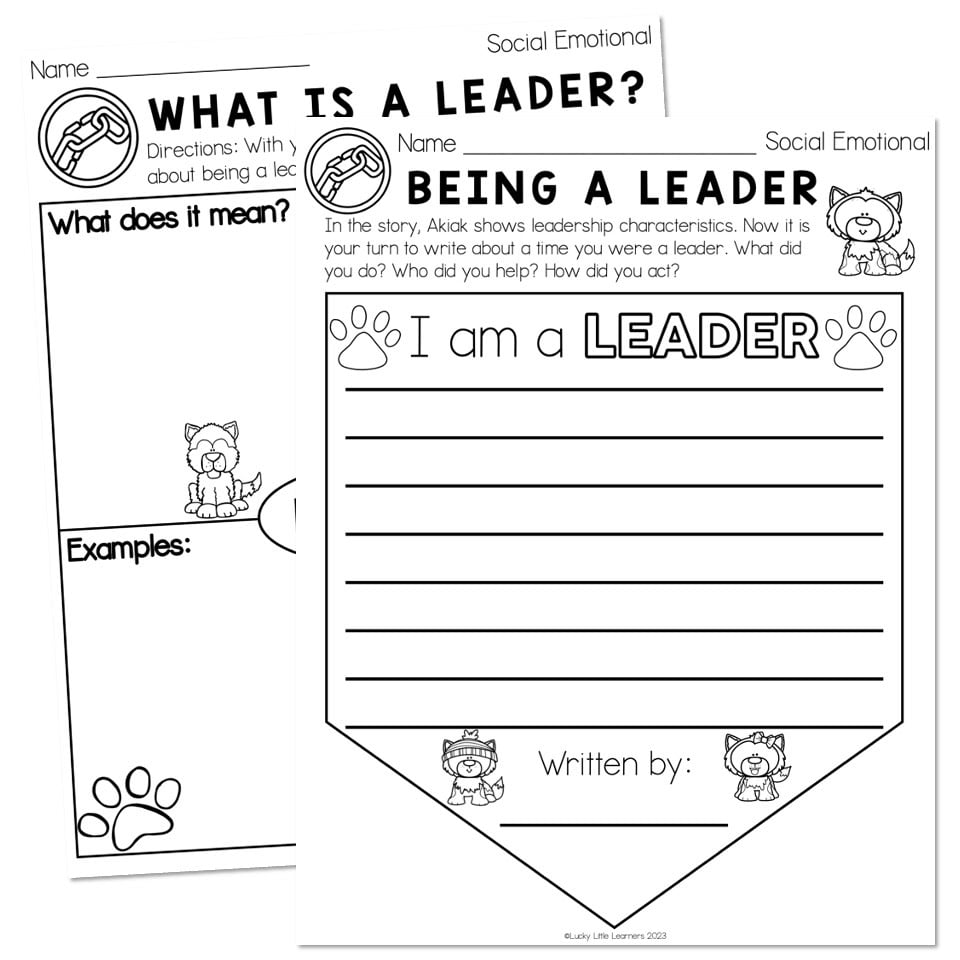
Teachers can fold these worksheets into circle time, morning work, or a calm-down center. For example, a feelings page can start a discussion about what each face looks like and when a child might feel that way. In a small group, the teacher can model the answer, prompt children to explain their thinking, and reinforce vocabulary as they work. This turns the worksheet into a guided practice tool, not just a paper task.
Social emotional worksheets classroom preschool lessons work best when they are short, repeated, and connected to real classroom routines. After children complete a page, teachers can revisit the same skill during play, cleanup, and transitions. A worksheet about taking turns can lead to actual turn-taking with blocks or games, and a self-regulation page can connect to breathing or quiet body practice. The strongest next step is choosing one skill, one simple format, and one daily routine to reinforce it.



