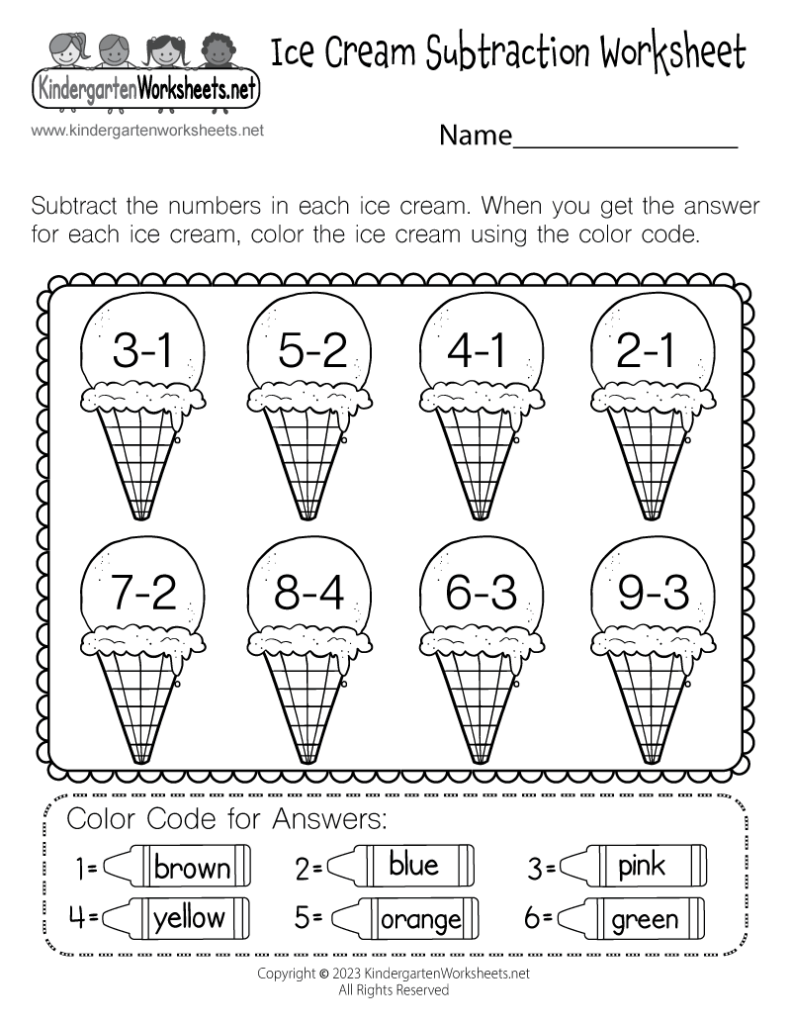
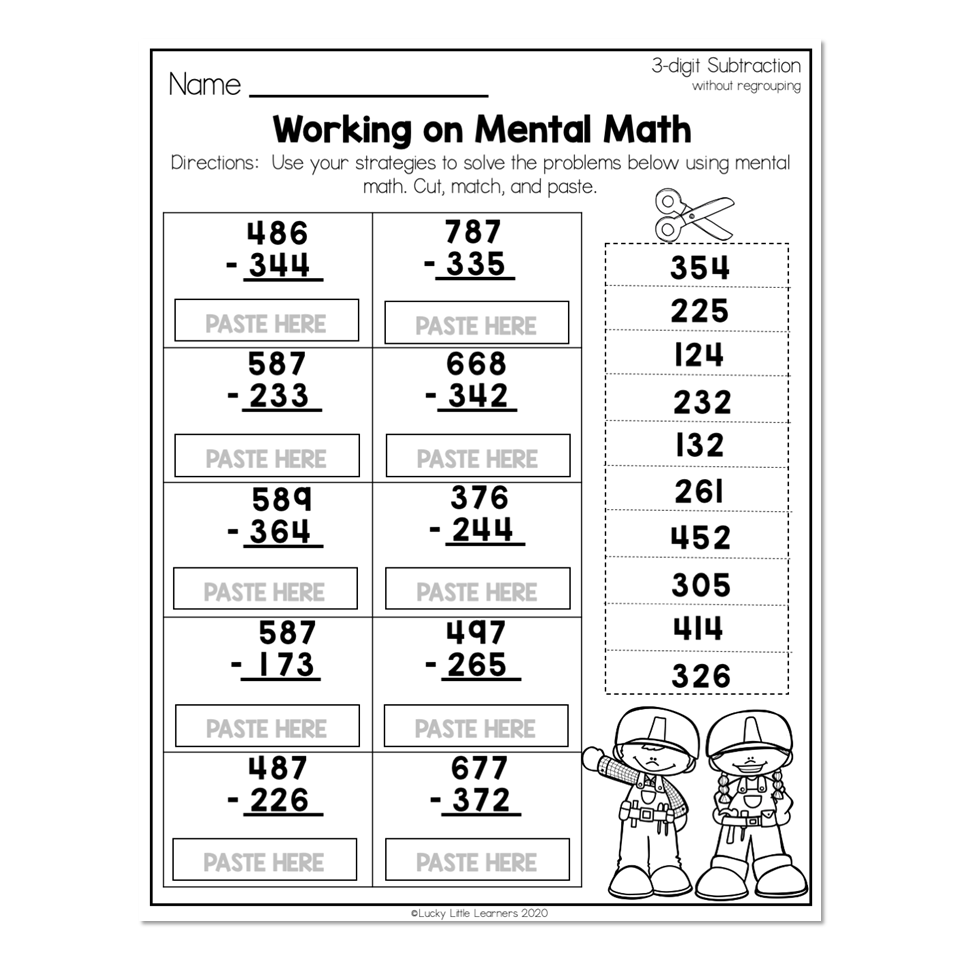
A maths minus worksheet is best when it gives clear subtraction practice at the right level. Whether it is for early learners or more confident students, the sheet should focus on solving minus problems accurately and independently. The most useful worksheets are simple to read, steadily organised, and easy to check, so learners can practise without getting lost in extra maths topics.
What it should include
A strong subtraction worksheet usually mixes problem styles so learners can build skill in different ways. That may include basic number sentences, missing-number questions, and simple word problems that still stay focused on minus practice. For younger learners, pictures or counters can support understanding. For older learners, vertical sums or regrouping examples may be included if the sheet is meant for that level. The key is that every question clearly tests subtraction and nothing else.
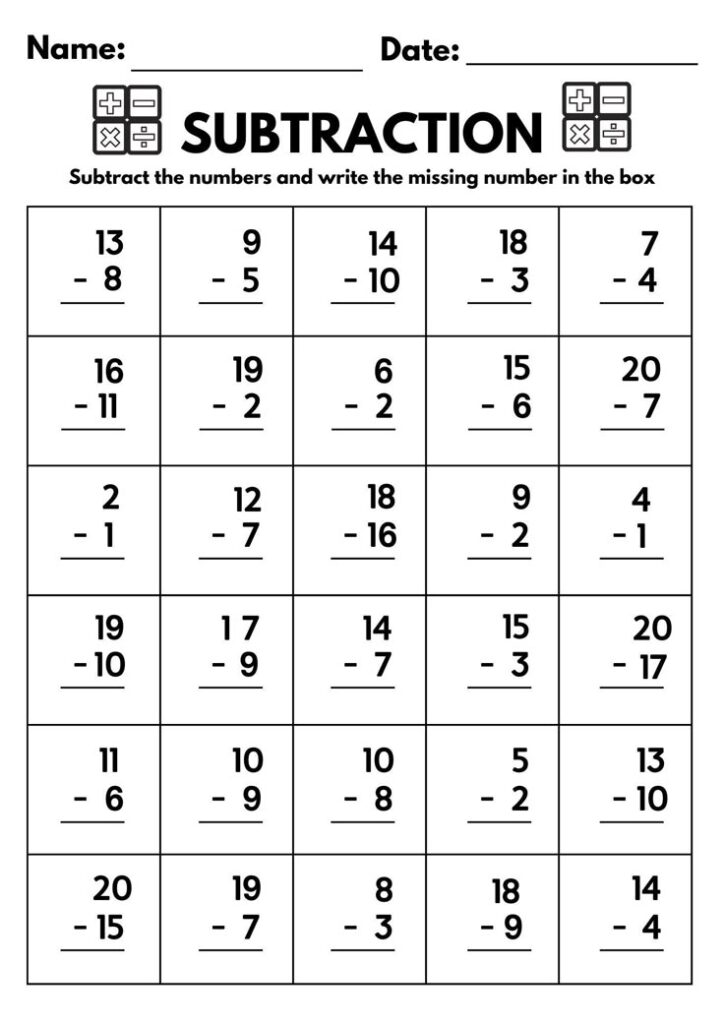
When choosing a maths minus worksheet, match the difficulty to the learner’s stage. Early primary worksheets are often best for counting back, subtracting within 10, or using visual support. More advanced sheets may move into larger numbers or written methods. A good fit should challenge the learner without making the task feel confusing. If the worksheet is for classroom use, look for a clear progression from easier questions to slightly harder ones so students can build confidence as they work.
Useful worksheet features
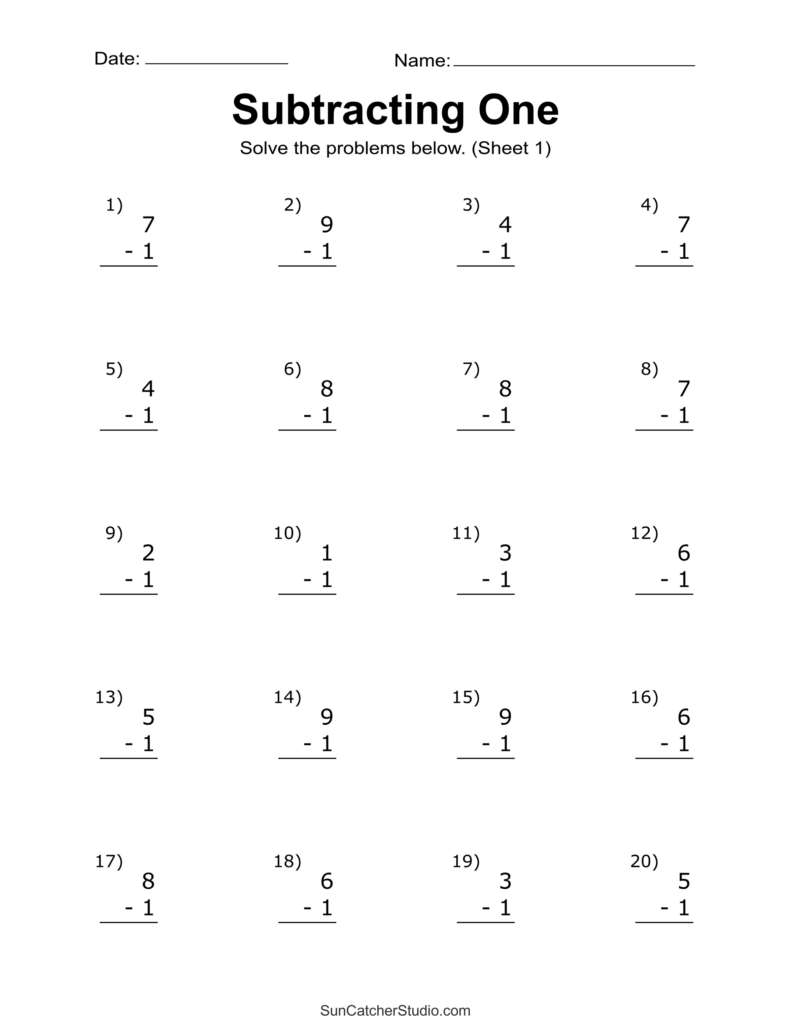
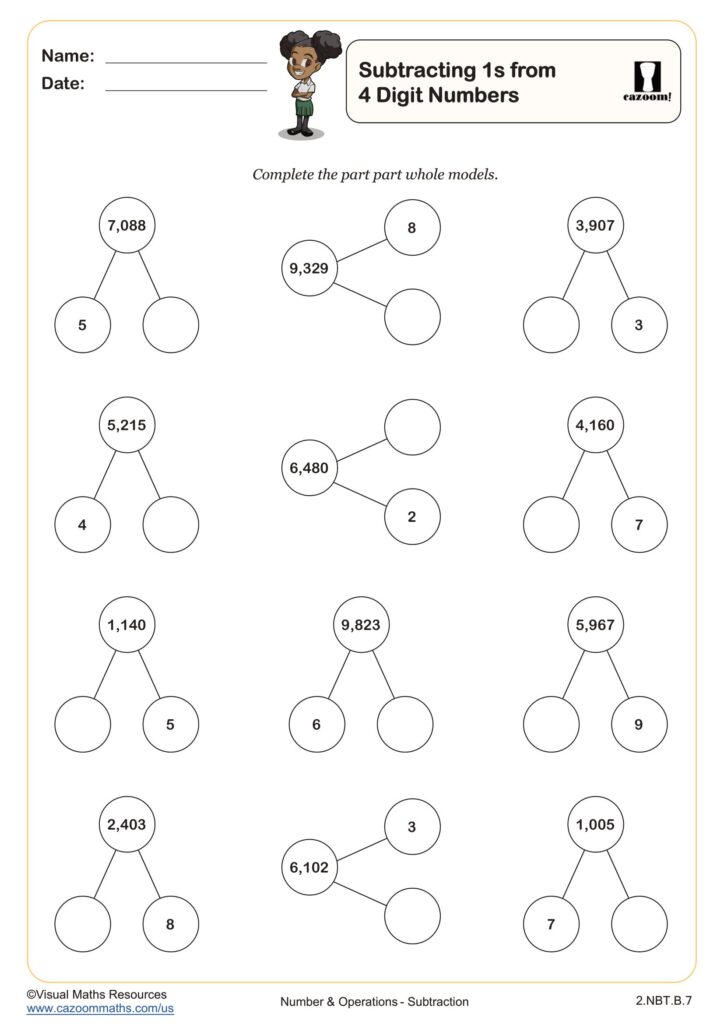
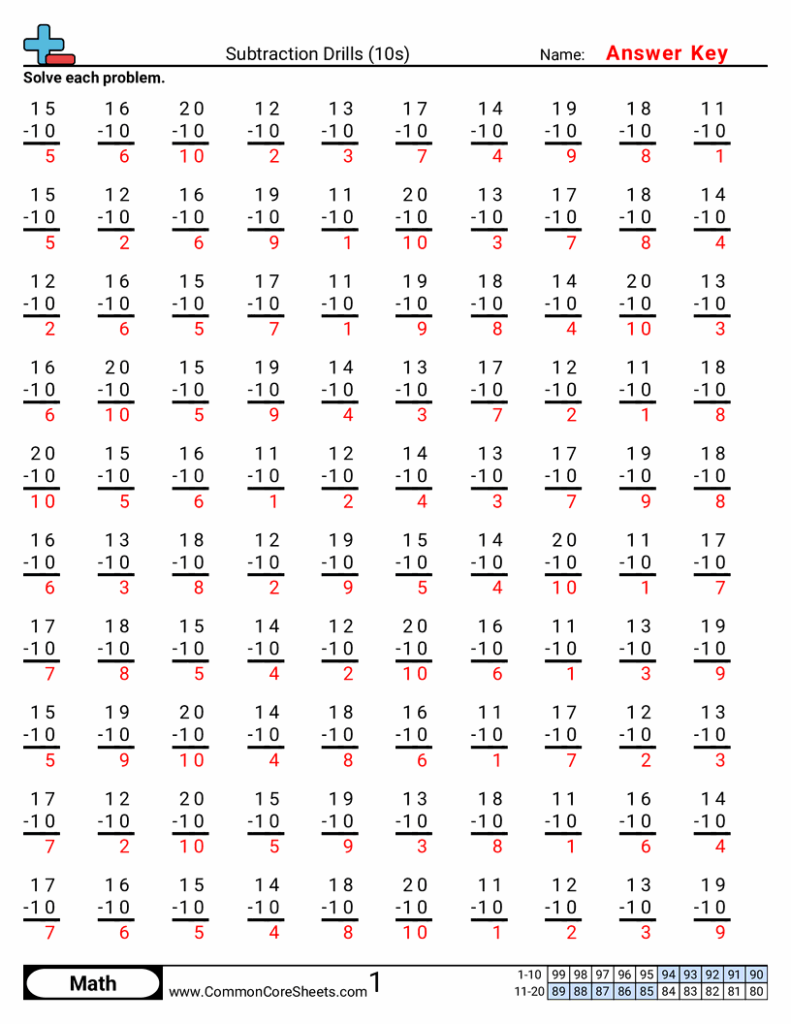
Usability matters as much as the questions themselves. Clear instructions help learners know whether to write answers, circle the correct number, or show working. Neat spacing leaves room for calculation, and simple layout reduces distraction. Answer support is also valuable, especially for homework or self-checking, because it lets learners correct mistakes quickly. If the worksheet includes a completed example or answer key, it becomes easier for adults and students to use it efficiently.
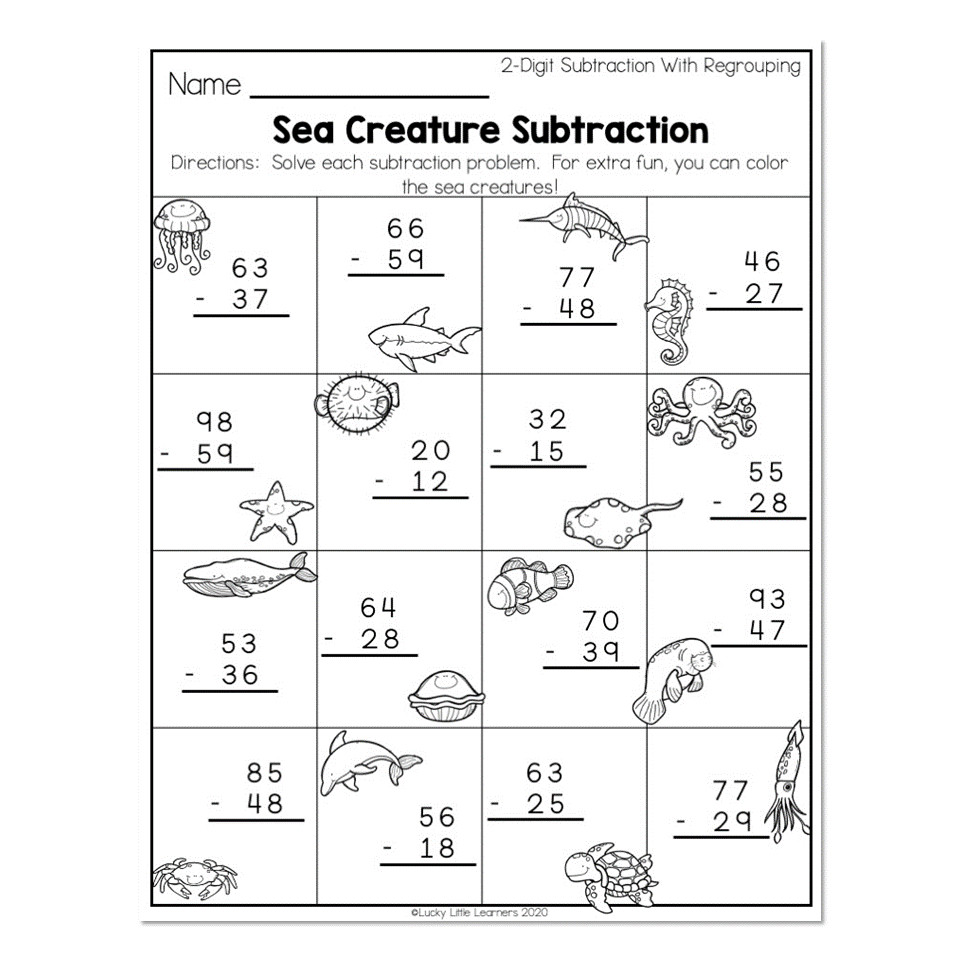
The best maths minus worksheet is the one that stays focused on subtraction, suits the learner’s level, and is easy to complete and check. Before using one, scan the problem types, difficulty, and layout. If it supports independent practice, gives clear directions, and offers answer help, it is likely a good choice for classroom work or short revision sessions.