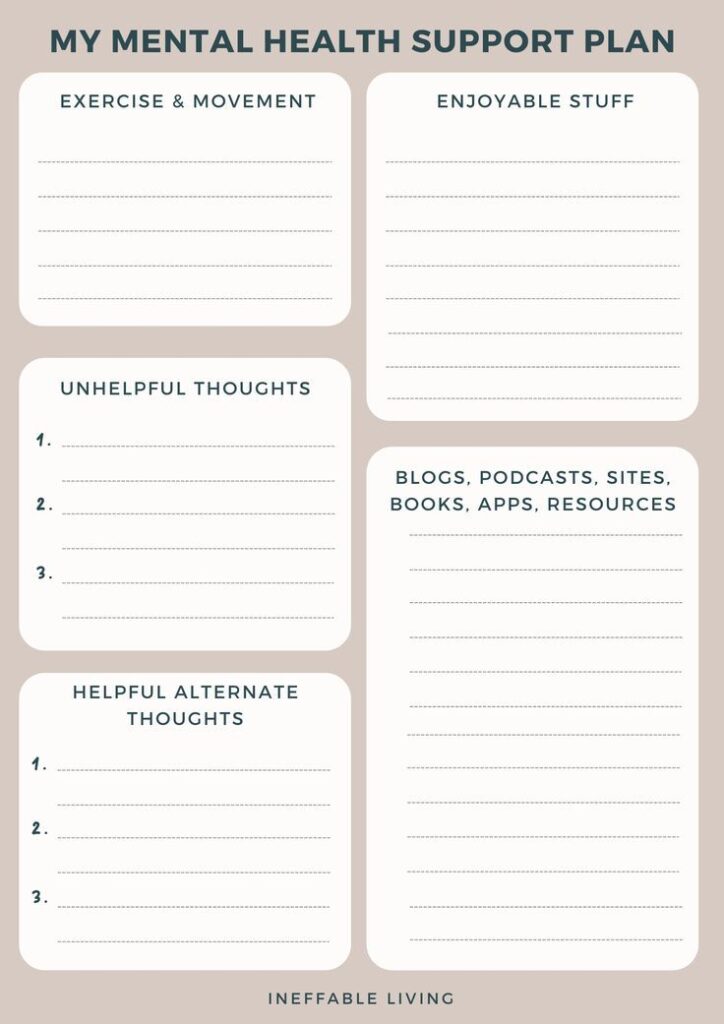
Mental health printable worksheets are simple pages people can use to notice feelings, practice coping skills, and organize reflection. They are often helpful because they make a mental health goal concrete: track a mood, try a grounding exercise, or set a small intention for the day. The best worksheets are easy to understand, easy to print, and matched to the person using them.
Common Uses
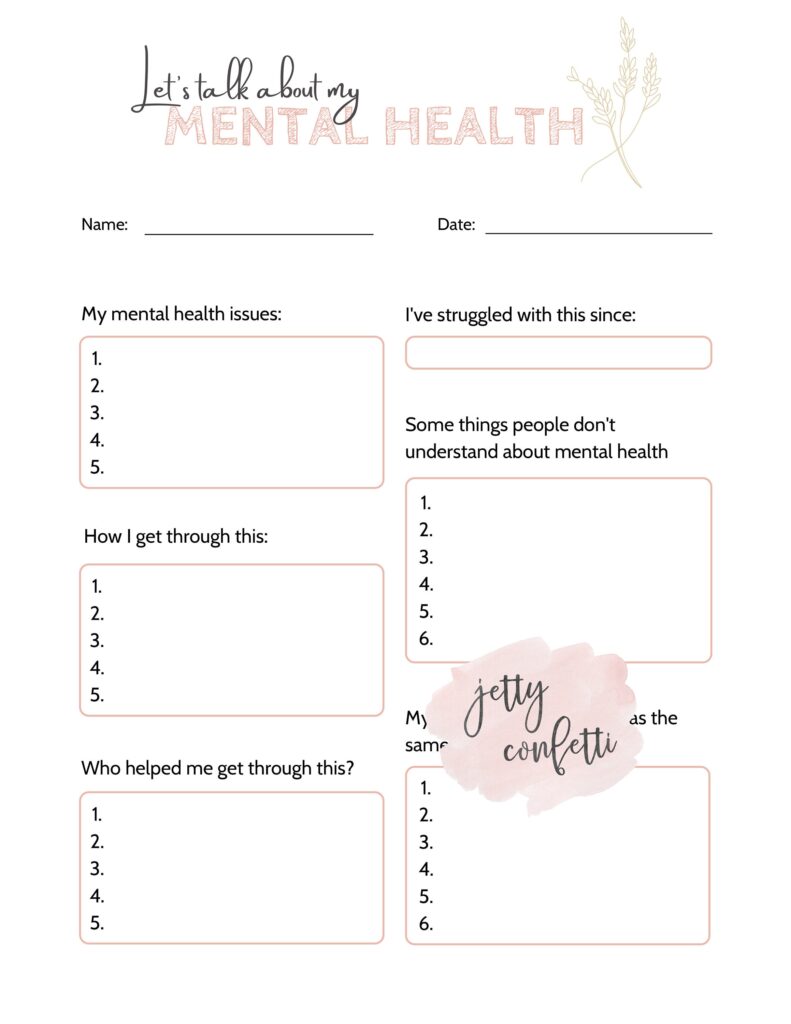
These worksheets usually serve a few core purposes. Mood trackers help spot patterns over time. Coping-skills sheets can list calming actions to try when stress builds. Reflection pages may prompt journaling about triggers, helpful thoughts, or gratitude. Grounding worksheets often guide attention through breathing, the senses, or the present moment. Goal-setting printables can break one supportive habit into small steps. A good worksheet should match the specific need, not just look attractive.
How to Choose
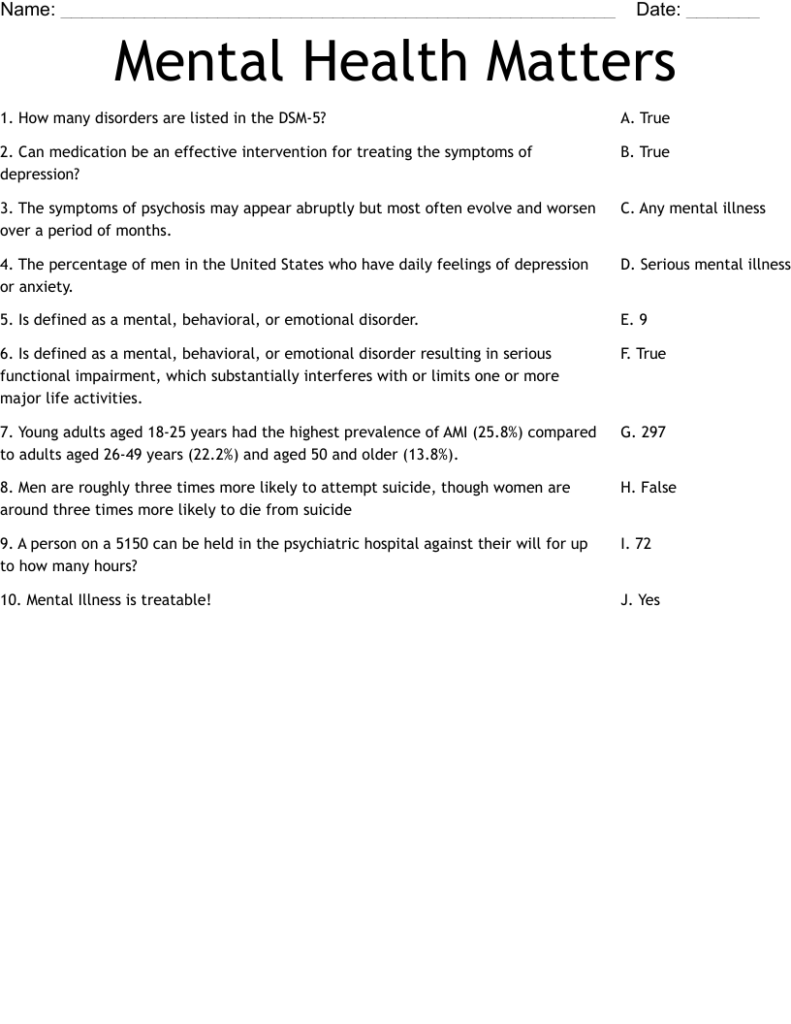
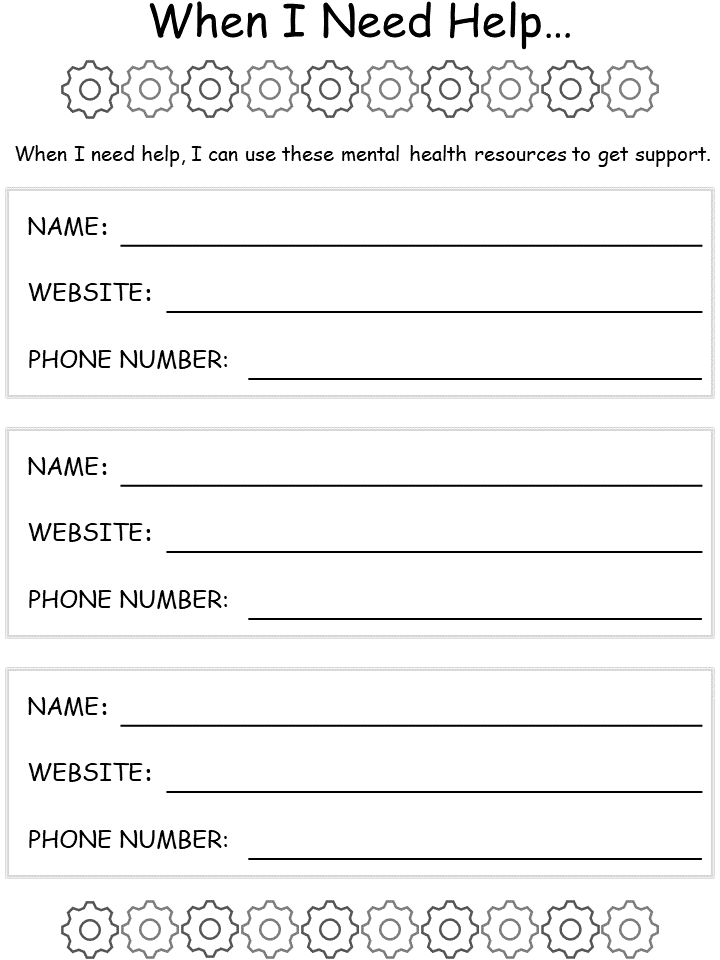
Choose by age group, reading level, and setting. Younger children do better with simple prompts, icons, and short sentences, while teens and adults may prefer more space to write. At home, a worksheet can be more personal and flexible; in a classroom, it should be quick to use and not overly private; in therapy, it should support reflection without requiring advanced vocabulary. If the text feels too dense, the worksheet will be harder to use consistently.
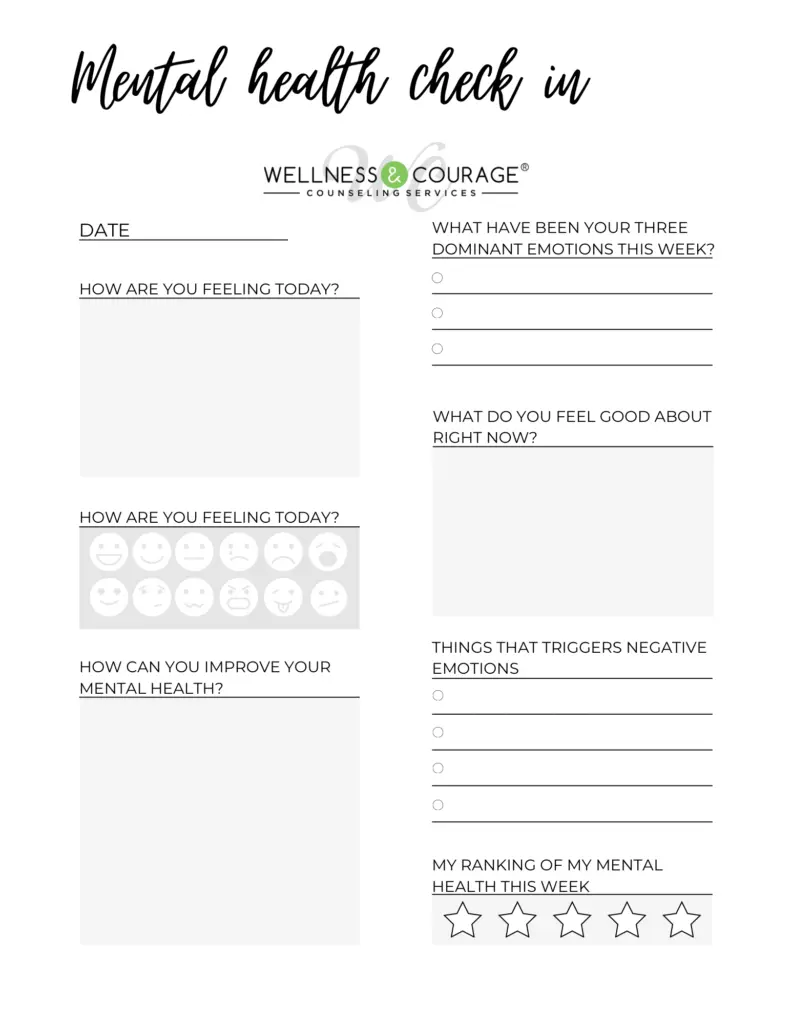
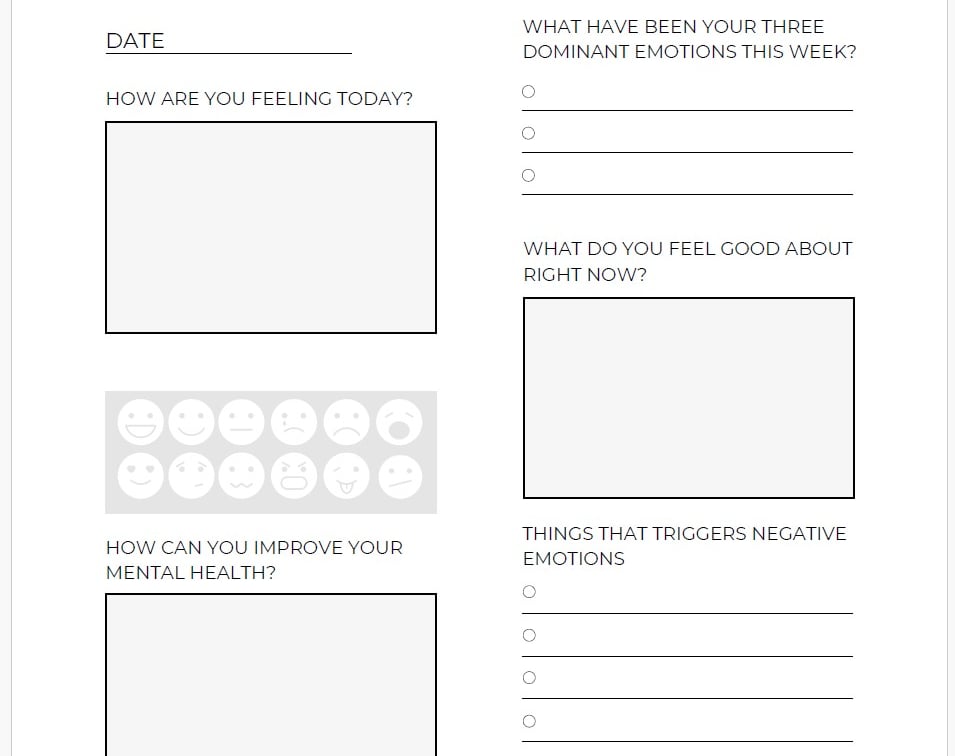
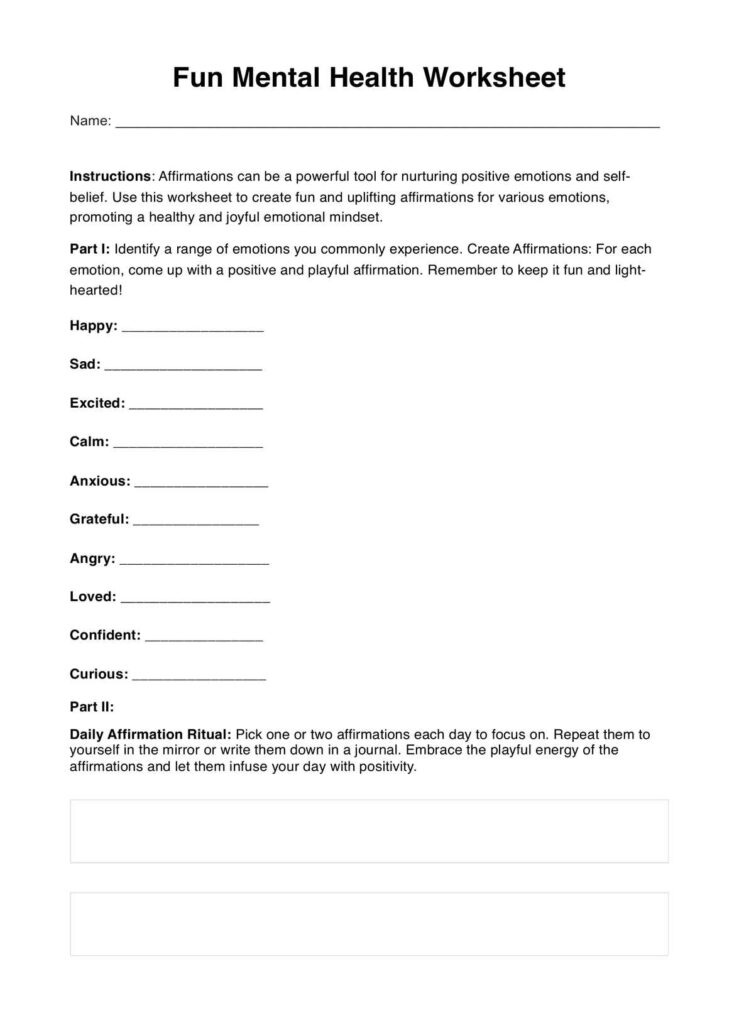
Before downloading or printing, check for clear instructions, a clean layout, and enough space to write. The design should print well in black and white and avoid clutter that makes the page hard to follow. Make sure the worksheet matches the intended goal, such as calming down, noticing mood changes, or planning a coping step. These printables can support mental wellness, but they do not replace professional care. If symptoms feel severe, urgent, or unsafe, seek professional help right away.