
Visual matching worksheets preschool are simple picture-to-picture activities that ask children to find the same image or a closely related one. In a preschool setting, they should feel like visual games, not academic drills. The best worksheets use clear pictures and one easy direction so children can focus on looking closely, comparing details, and making a match.
What preschool matching means
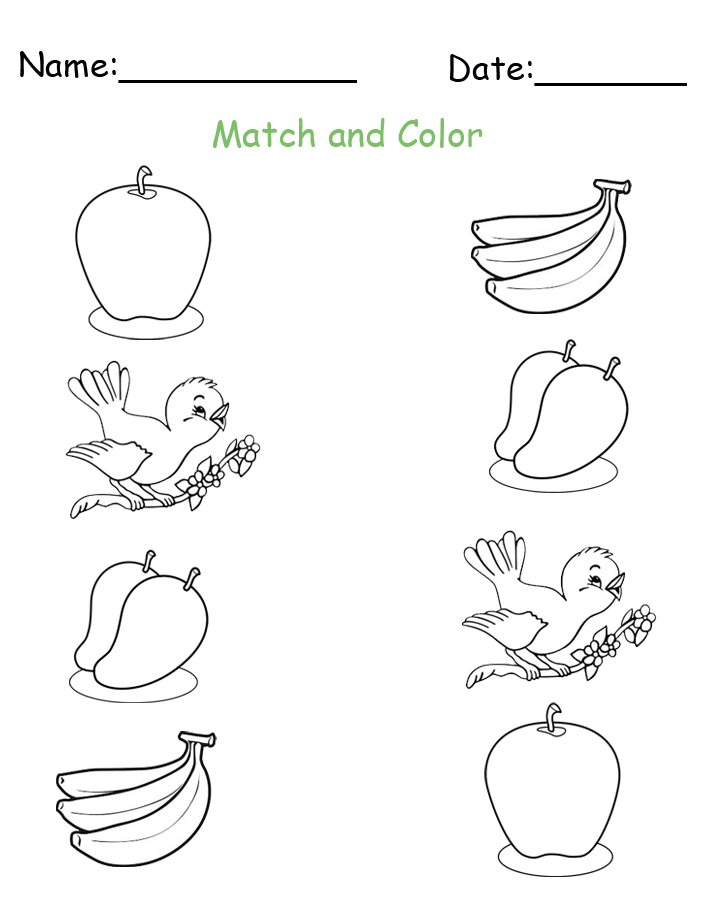
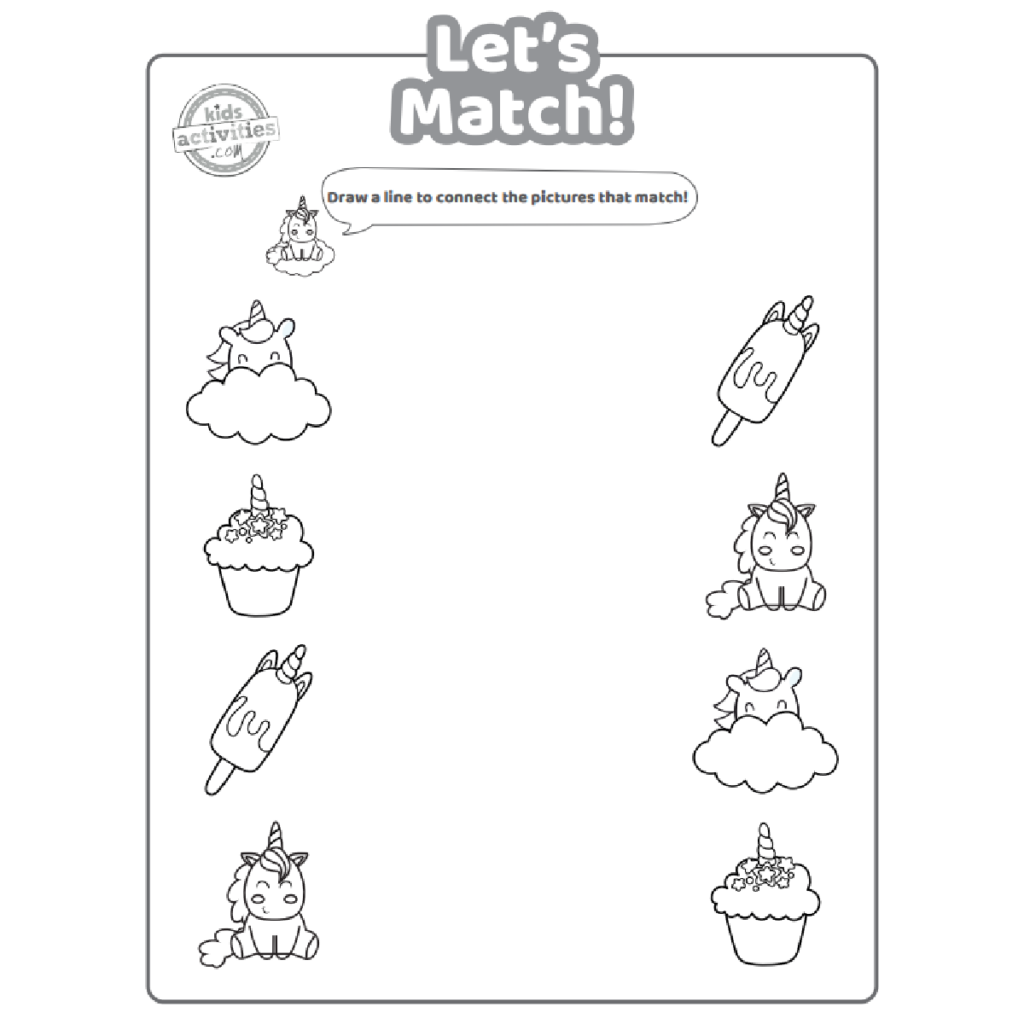
In preschool, visual matching usually starts with identical images. A child might connect two apples that look the same or place a picture card under its twin. This builds the habit of scanning, noticing details, and checking whether two pictures truly match. The goal is not reading words or solving problems; it is learning to observe with care. That makes these worksheets a strong fit for early classroom centers, home practice, or calm independent work.
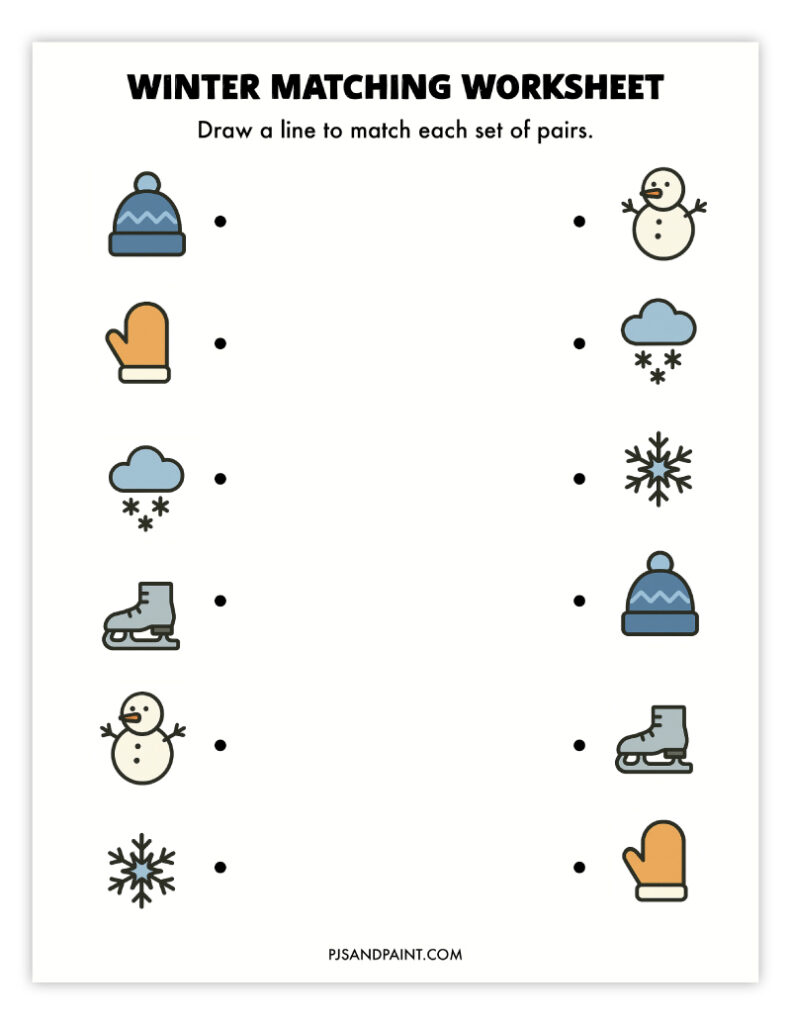
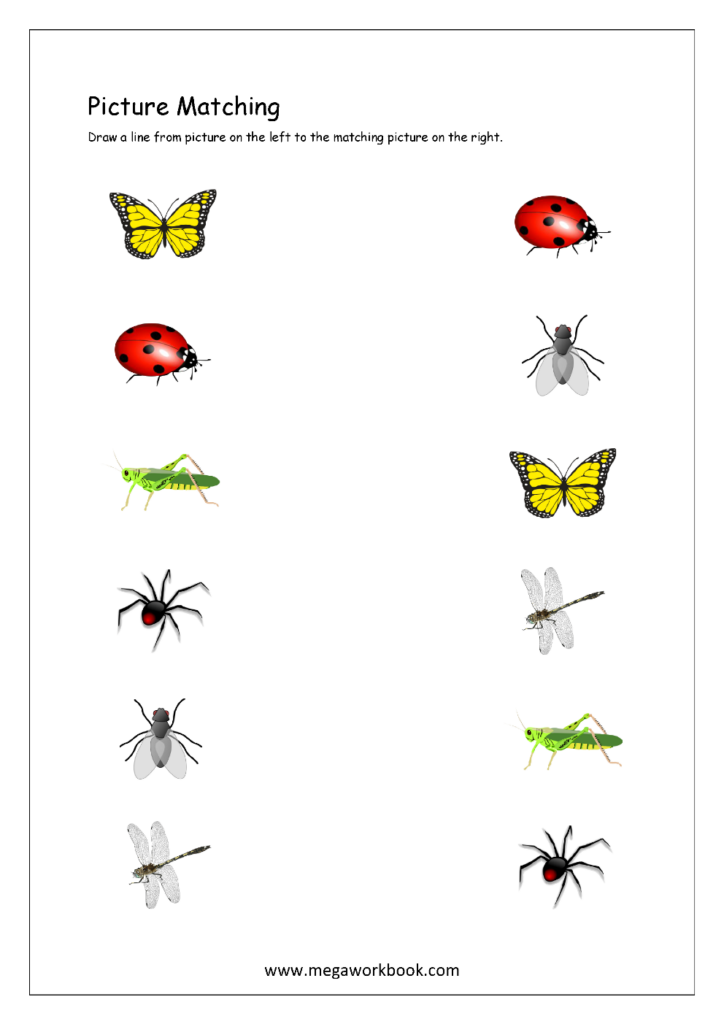
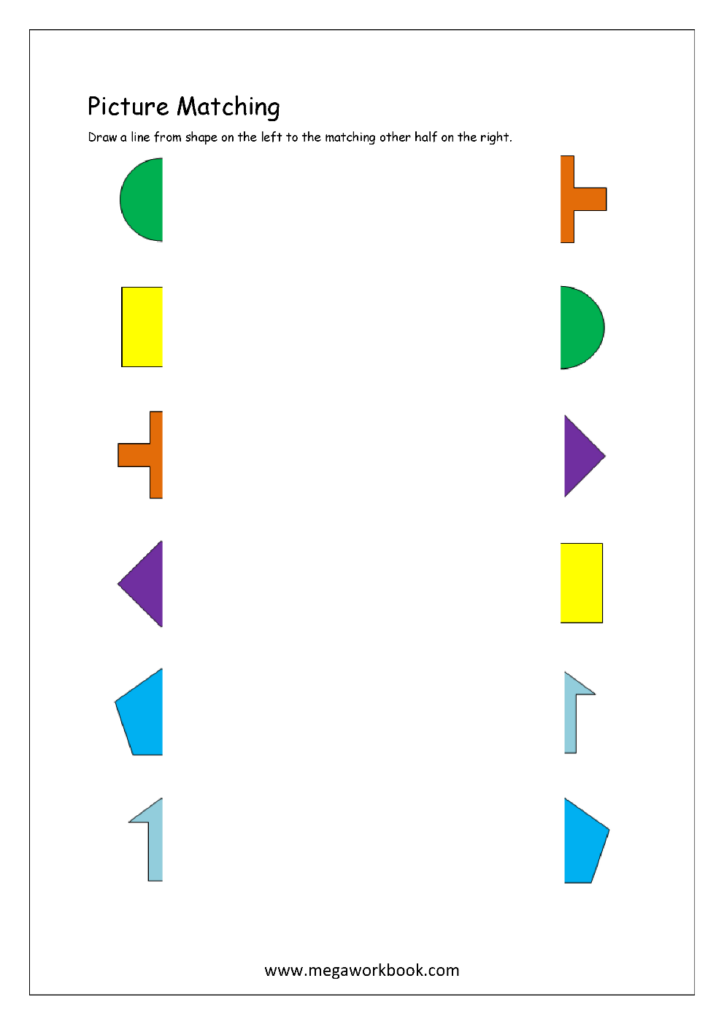
The main matching types for preschool are shape matching, color matching, and object or category matching. Shape matching may ask children to pair circles, squares, or triangles. Color matching might group items by red, blue, or yellow. Object and category matching can include animals, vehicles, foods, or school items, helping children sort by what belongs together. These activities stay age-appropriate when they use familiar pictures and a single, obvious task on each page.
Design features that help
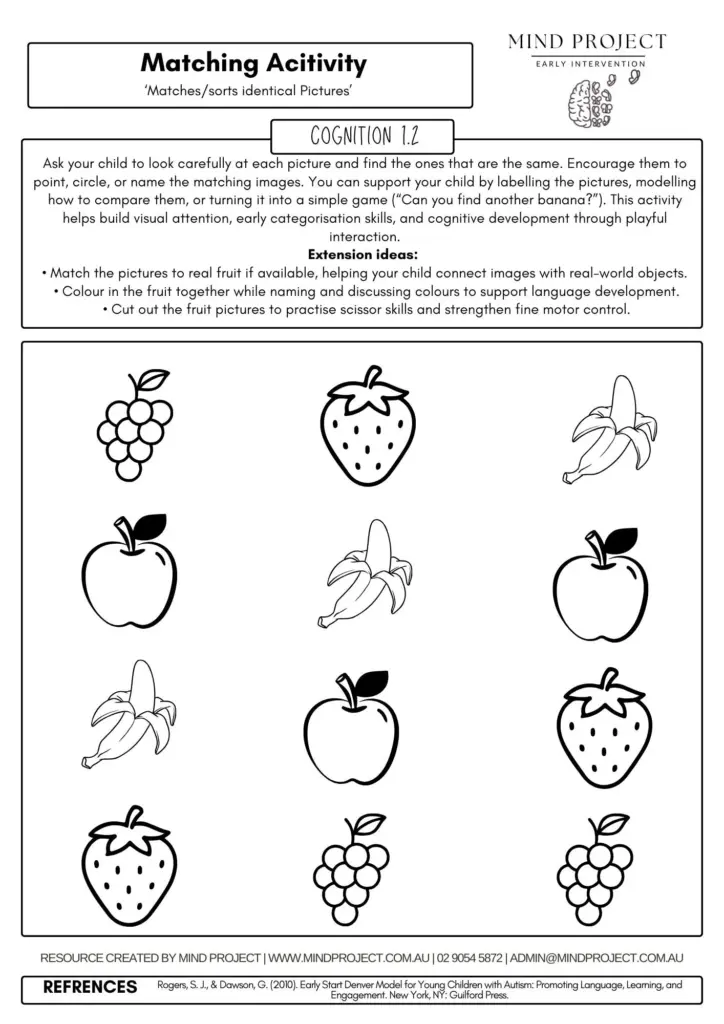
Good preschool worksheets keep the page simple. Large images are easier to see and touch with a finger, especially for young children still building control. Low text demand matters too, since many preschoolers are not reading independently yet. A short direction or an adult cue is enough. Minimal distractions also help: avoid crowded layouts, decorative clutter, and too many choices on one page. Clean spacing lets children focus on the match instead of the background.
The learning value comes from more than finishing a page. Visual matching helps children pay attention, compare differences, and strengthen visual discrimination, which means noticing what is the same and what is different. Those skills support early pre-reading readiness because children practice tracking details in pictures before they later track letters and words. For the best results, choose a worksheet that matches the child’s ability level and keep the activity brief, clear, and encouraging.



