
Beginning sounds worksheets help children practice hearing and matching the first sound in a spoken word. That first sound is the initial phoneme, or the first letter sound they notice when they say a word aloud. These worksheets are a simple way to build early phonics awareness with pictures, letters, and short tasks that fit preschool, kindergarten, or early intervention practice.
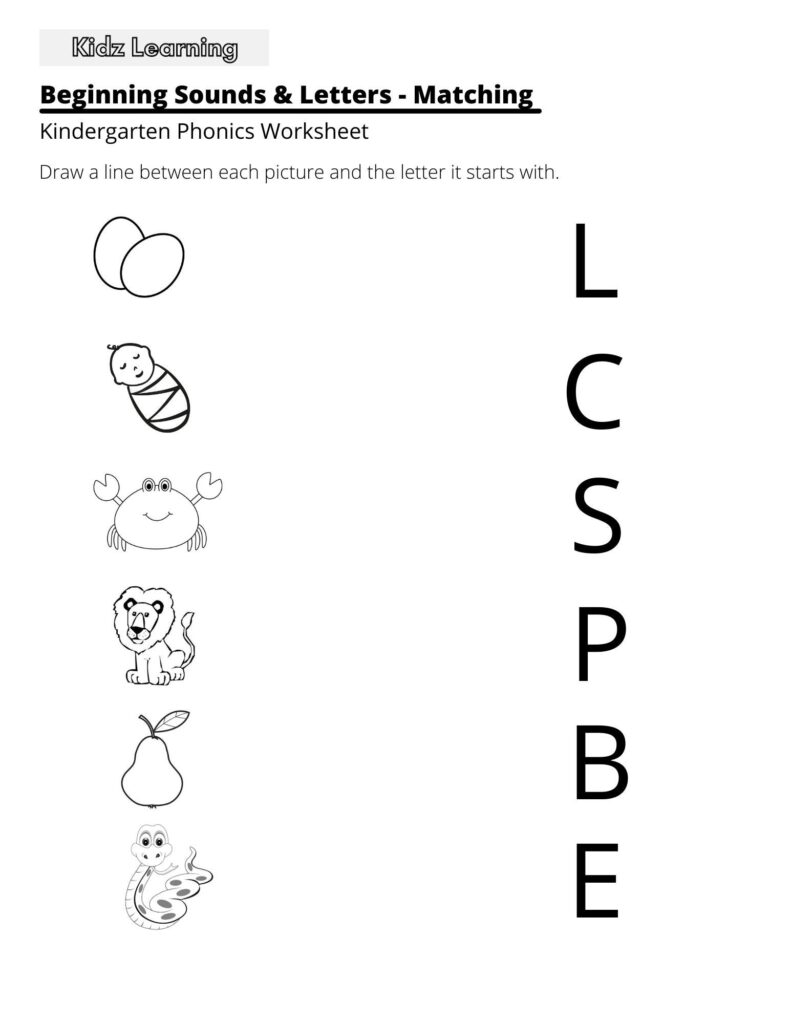
What They Teach
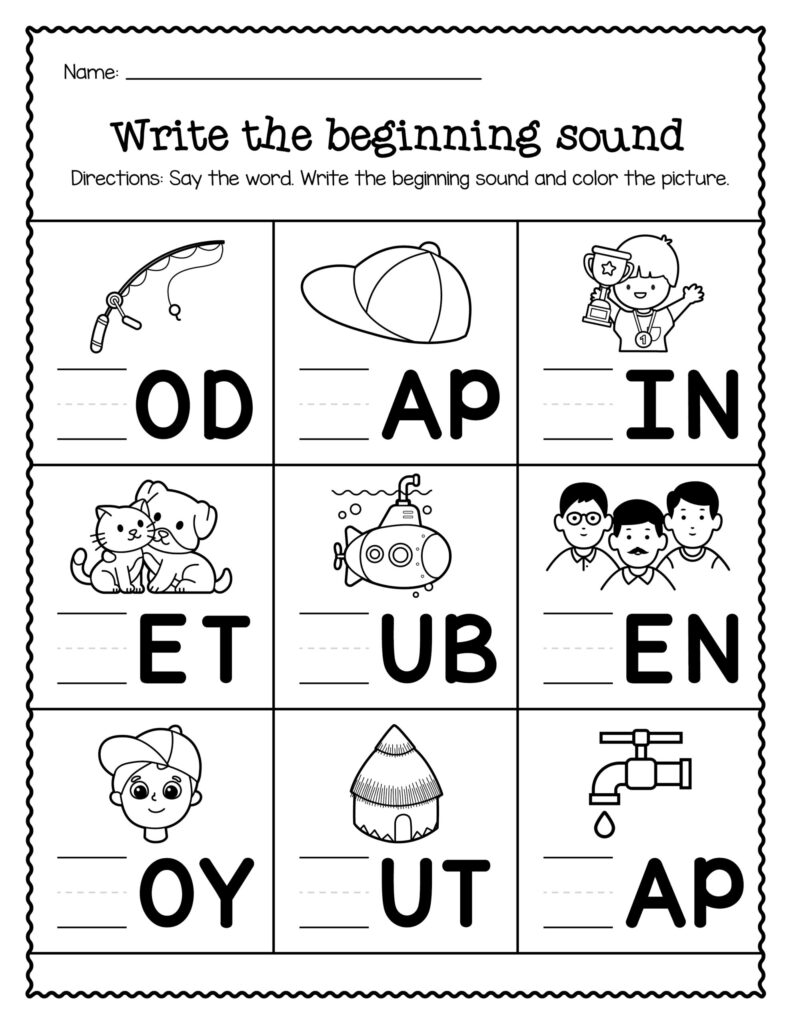
Most beginning sounds worksheets focus on a few repeatable tasks. Children may identify the first sound in a picture, match a picture to the correct beginning letter, circle the object that starts with a target sound, or cut and paste items into sound groups. These activities keep the skill narrow and manageable, which is helpful for early learners who are still connecting spoken words to print. The best pages give clear, direct directions and only one sound focus at a time.
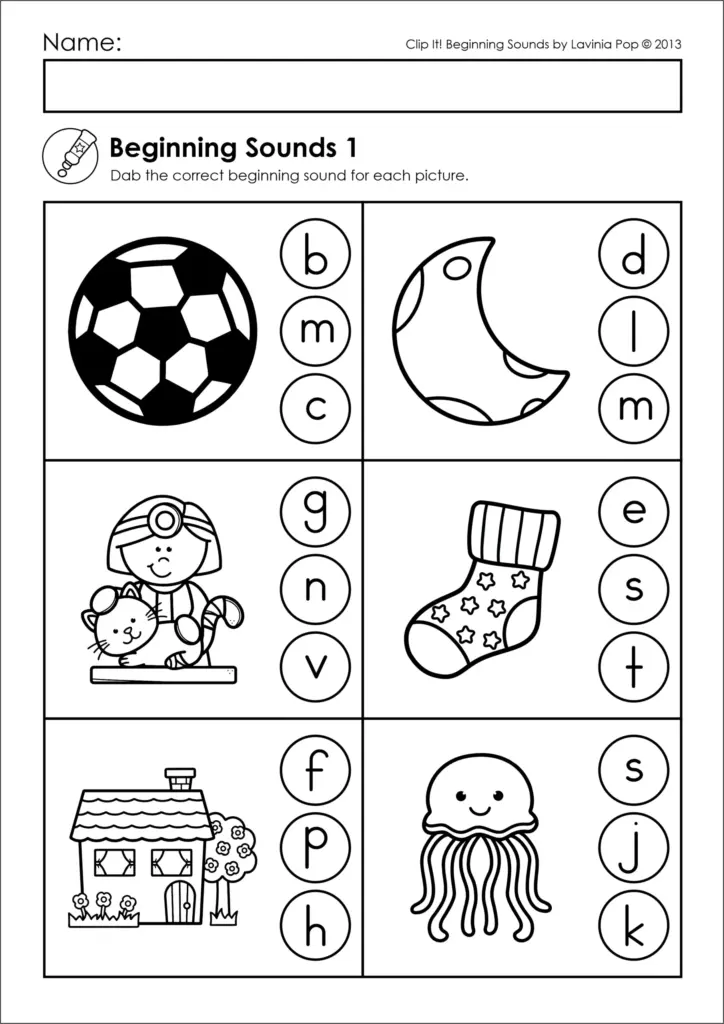
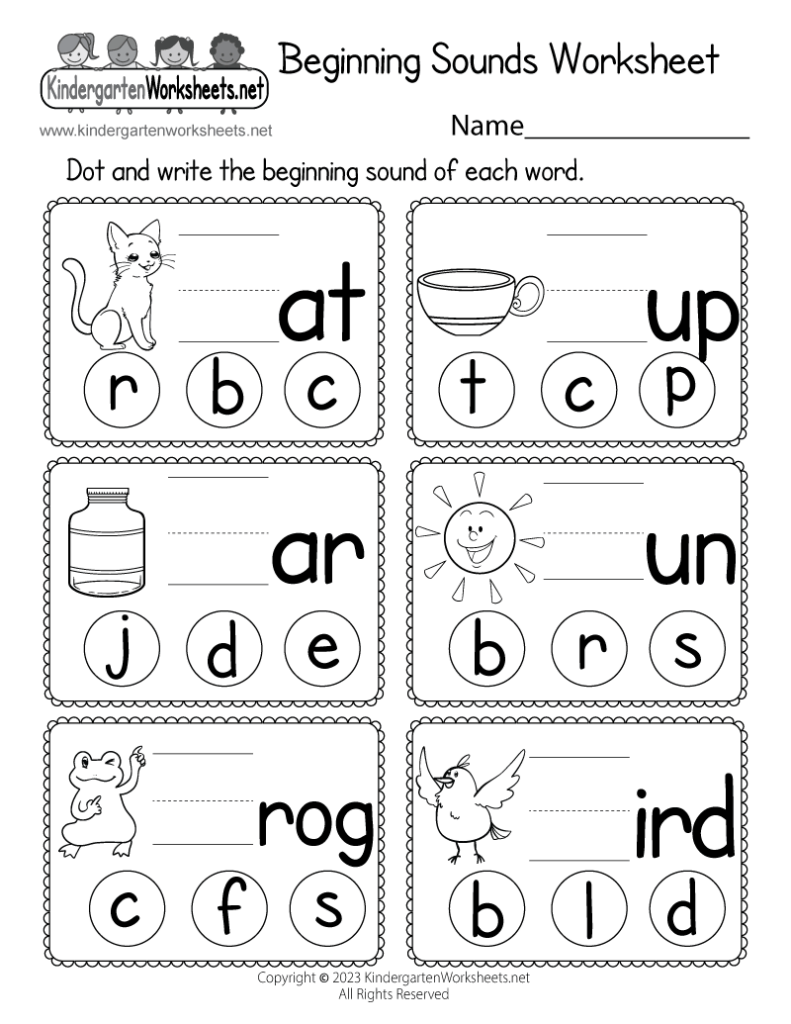
Choosing the Right Format
When choosing beginning sounds worksheets, think about how much support the child needs. Younger learners usually do best with large pictures and limited choices, while children ready for more practice may handle sorting pages with several beginning sounds on one sheet. Direction complexity matters too: one-step tasks are easier than multi-step cut-and-paste work. Picture-based worksheets are ideal before letter-heavy pages, and letter matching can follow once children recognize the sound in speech.
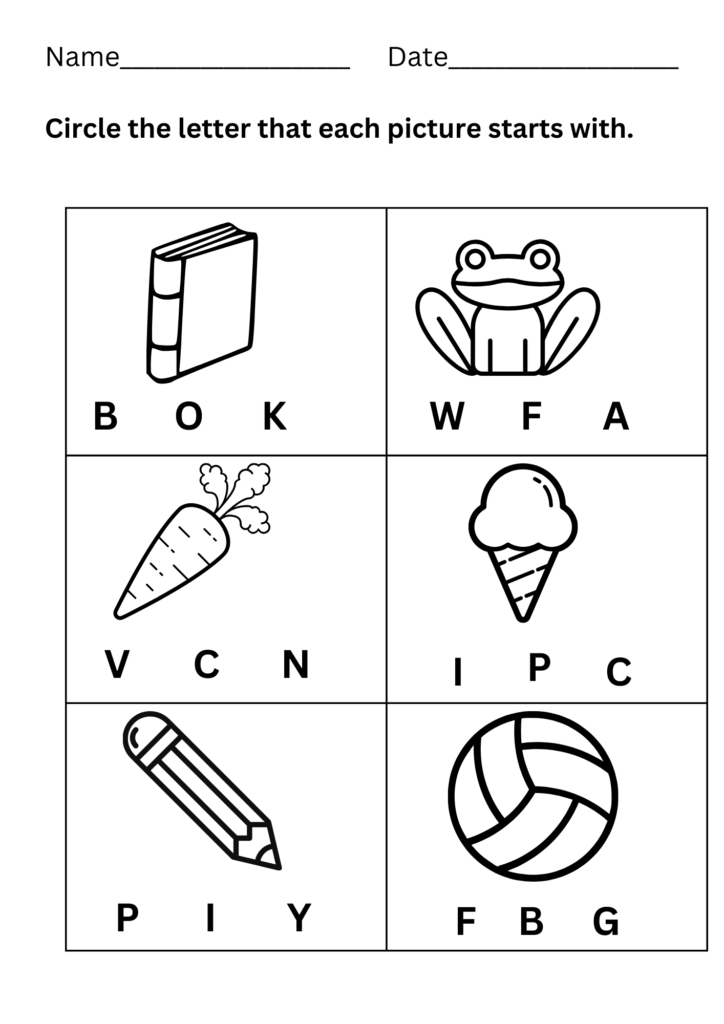
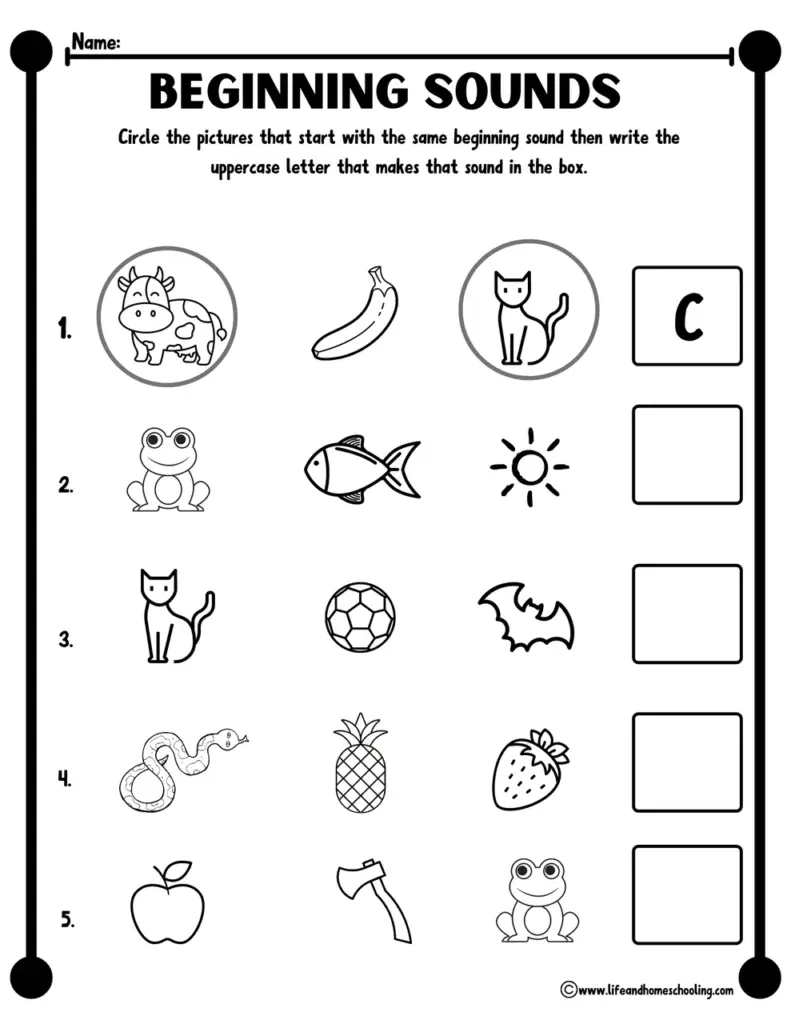
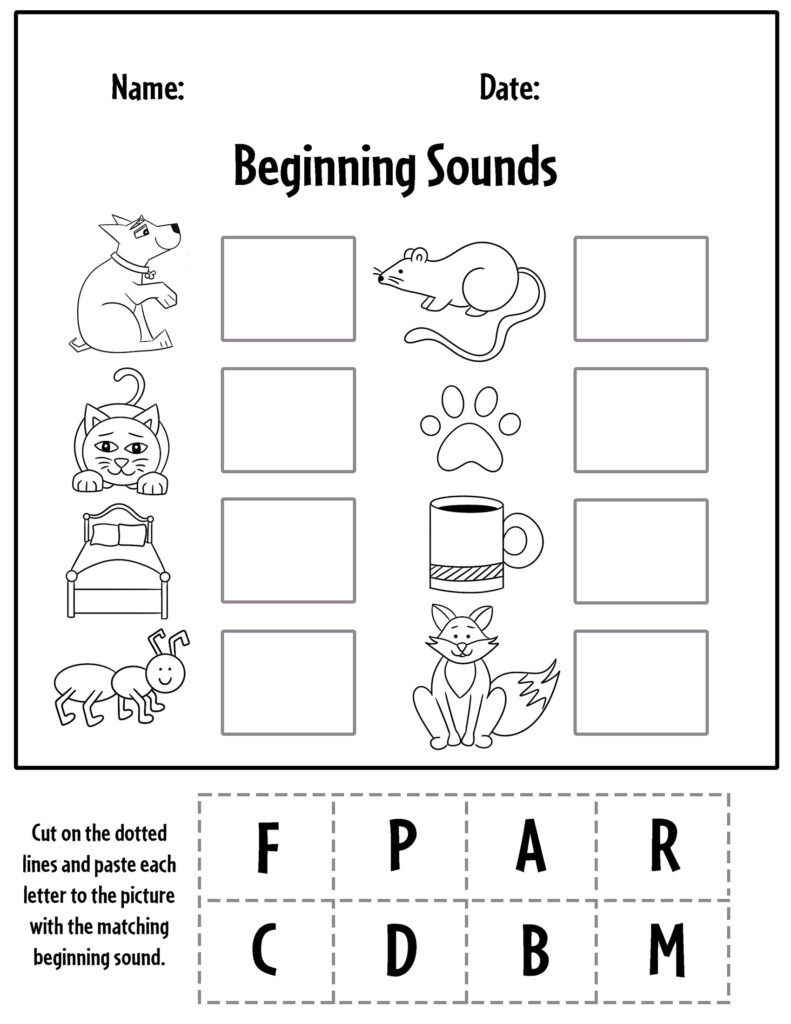
Beginning sounds worksheets work well in short classroom centers, small-group lessons, morning work, or quick home practice. They are especially useful when a child needs repetition without a long lesson. A strong worksheet keeps the focus on initial sounds only, avoids advanced phonics patterns, and uses familiar objects that are easy to name. If you want the most useful option, choose pages that match the child’s level, use clear pictures, and ask for one beginning-sound skill at a time.



