
Math common core worksheets are practice pages built around a specific grade-level skill or standard, such as addition within 20, fractions, or multi-digit multiplication. They are most useful when you want focused practice that matches what a student is expected to know at school. The key is choosing worksheets by grade, domain, and exact standard so the work feels targeted rather than random.
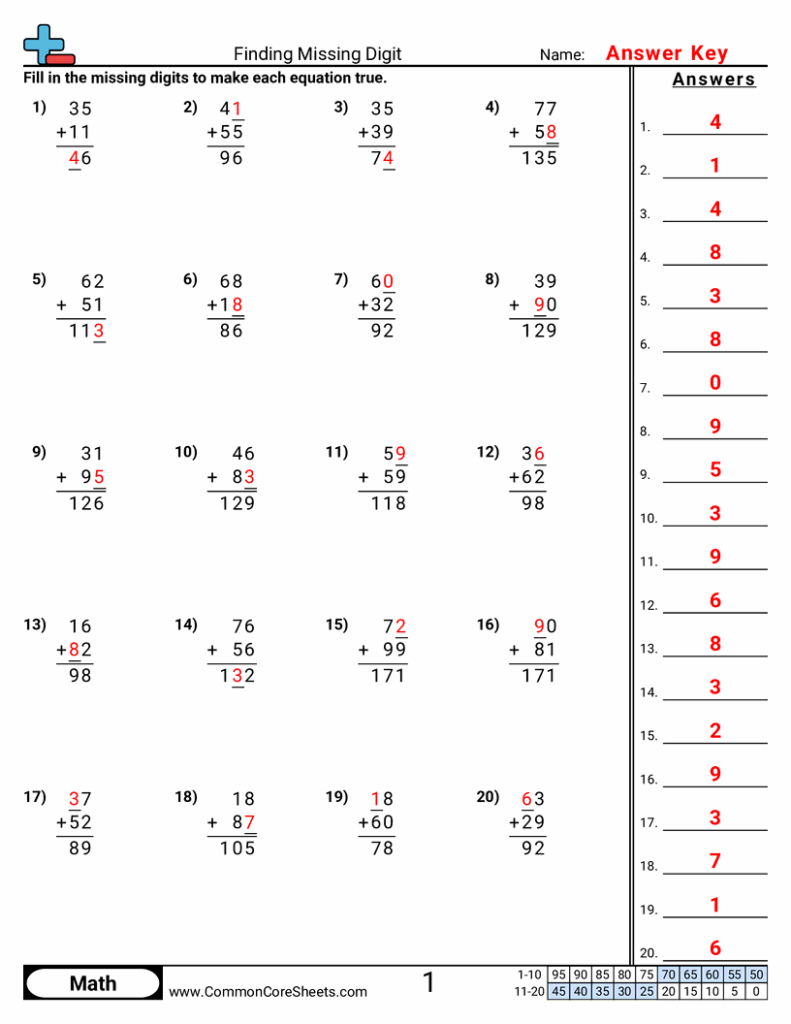
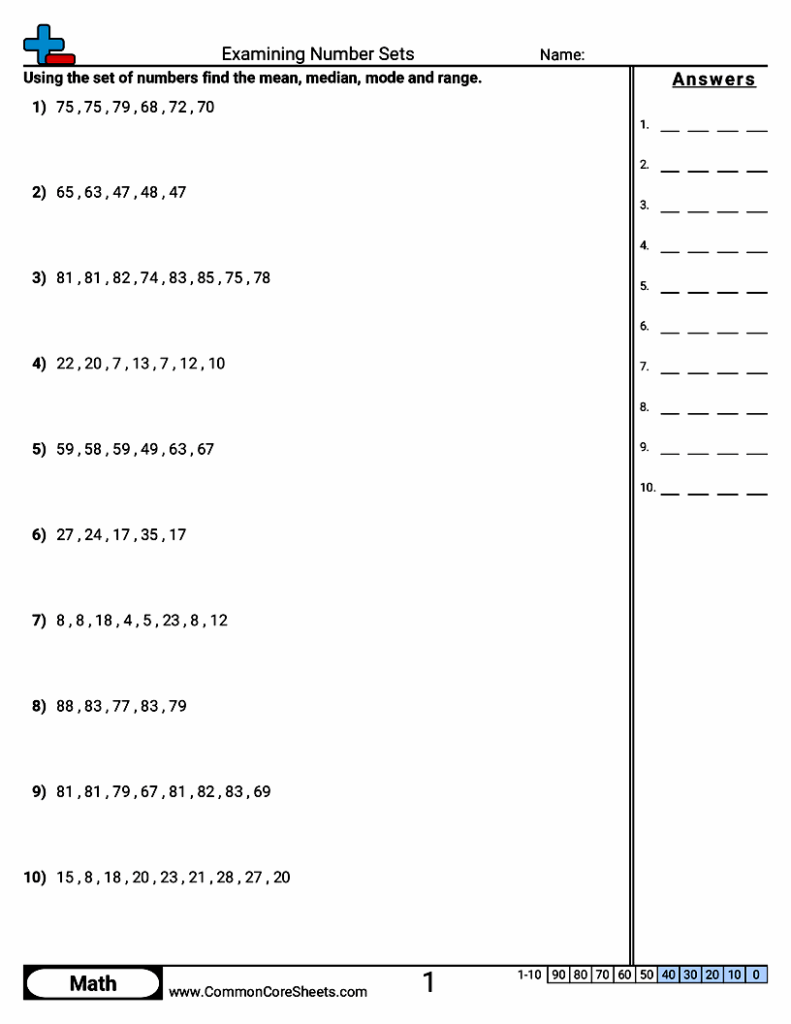
Match Grade and Standard
Start by checking the grade level first, then the domain and standard code. A worksheet labeled Grade 3 Operations and Algebraic Thinking should not be used the same way as one for Grade 5 Number and Operations in Base Ten. The standard code helps you see the exact skill, such as solving word problems or comparing fractions. When the code and task match, the worksheet is easier to place into practice or review time.
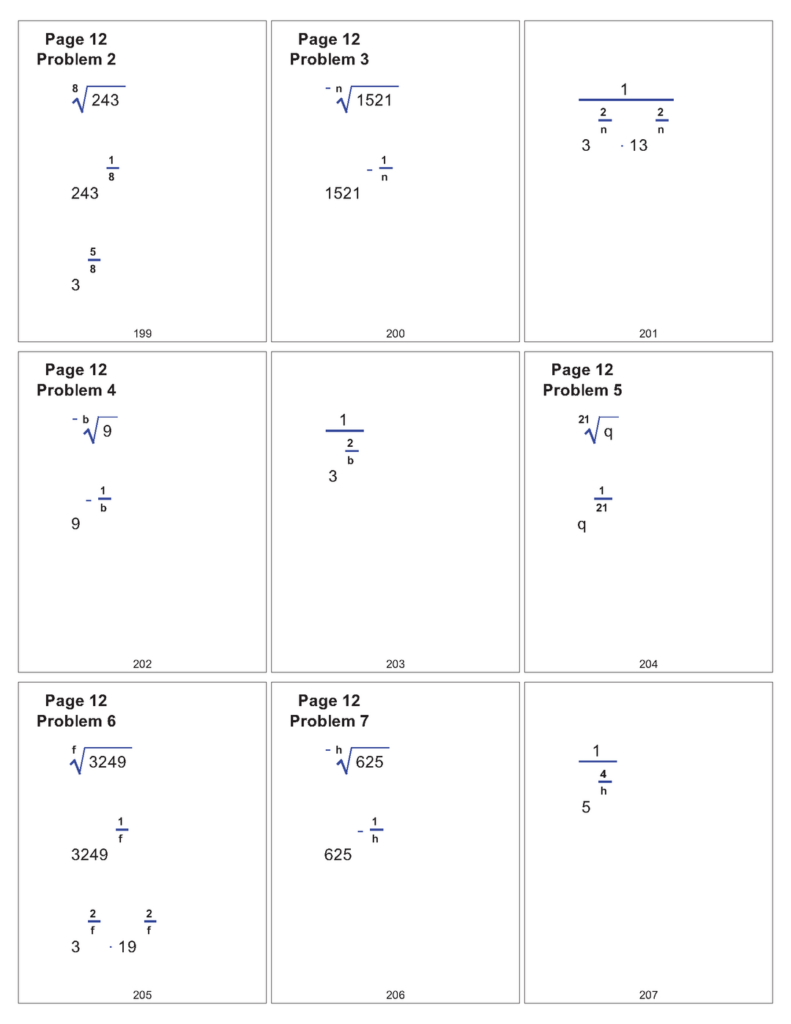
Check for Real Alignment
A truly aligned worksheet should make the standard obvious on the page or in the description. Look for the code, a clear skill focus, and problems that actually practice that skill rather than drifting into mixed review. Answer keys are important too, especially for homework or self-checking. Brief directions, sample items, and consistent formatting also help students understand what to do without extra explanation. If those pieces are missing, alignment may be weak.
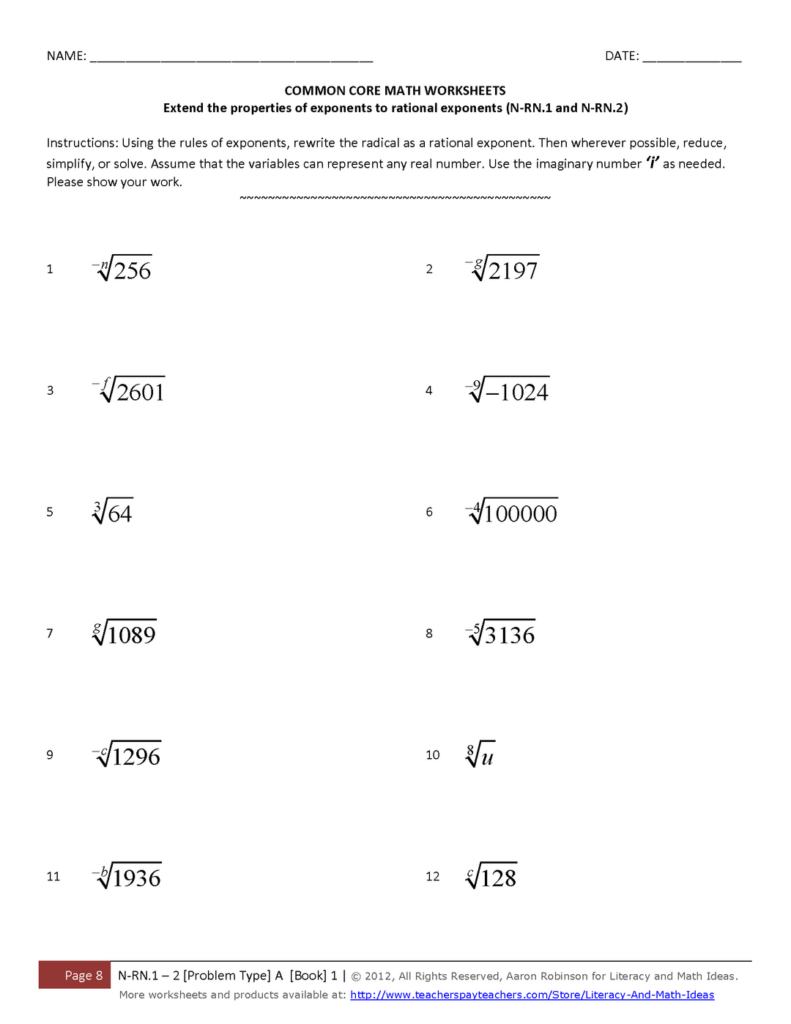
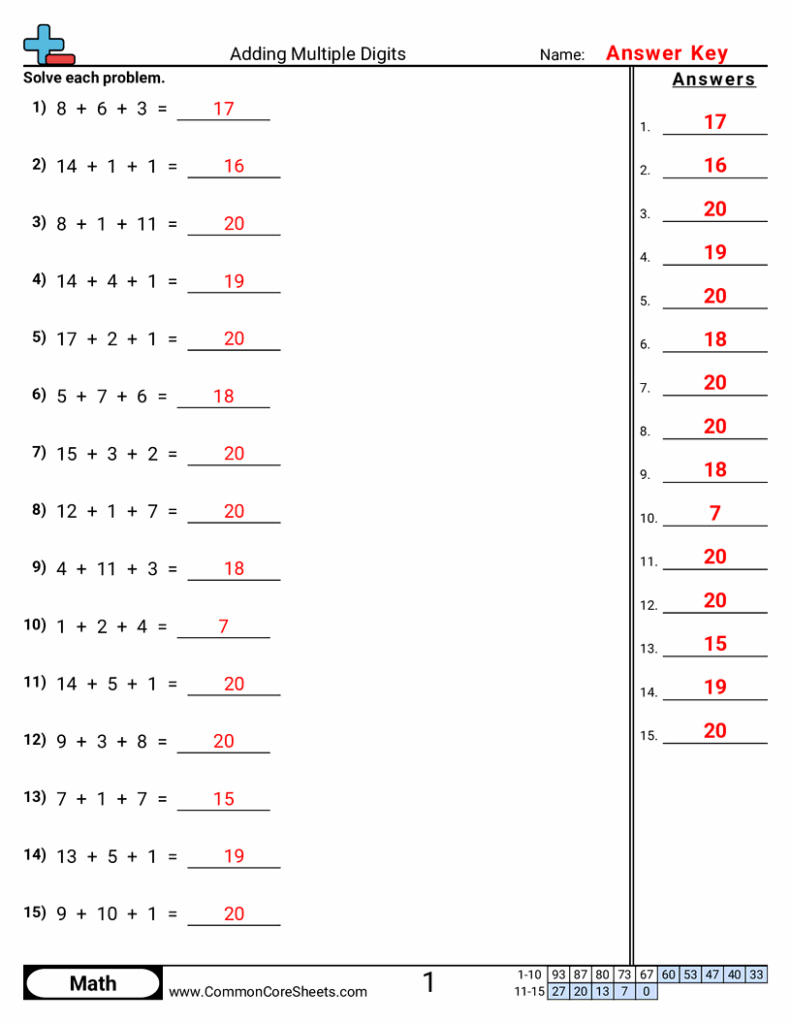
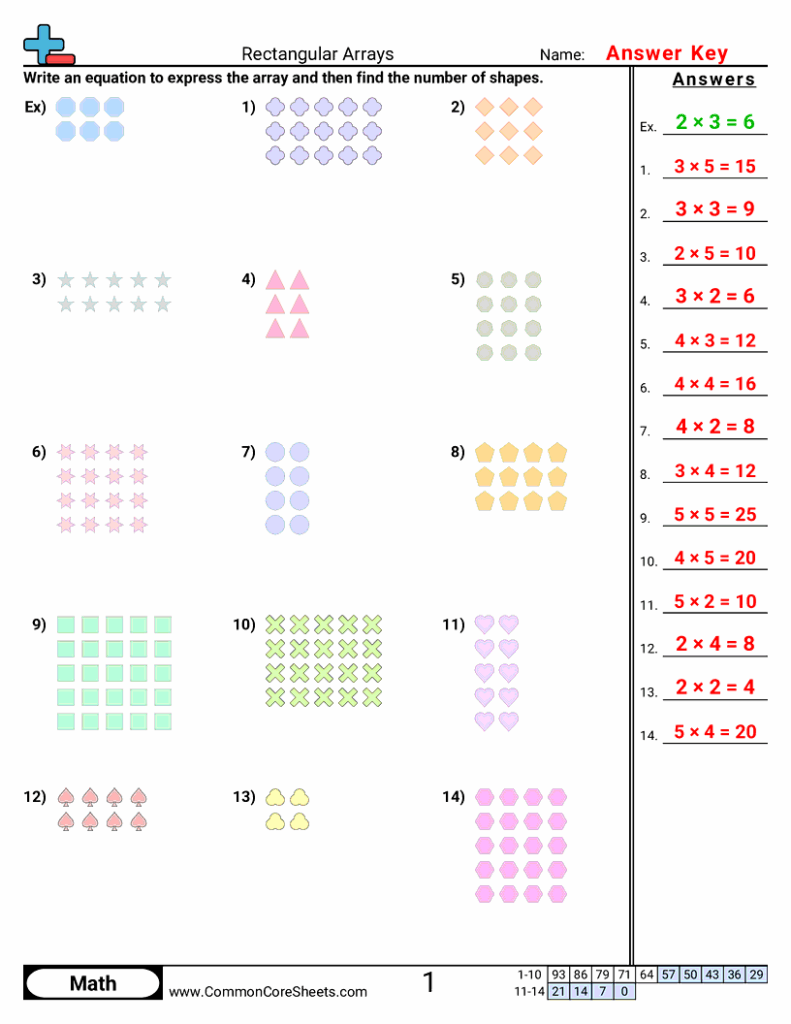
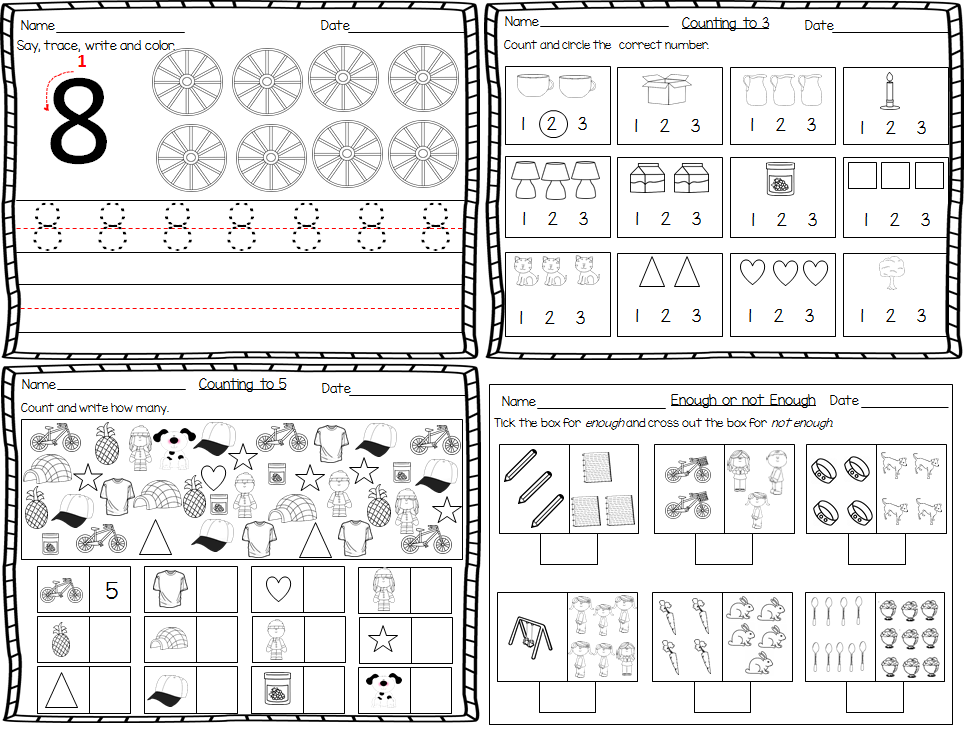
Use math common core worksheets in short sets instead of long packets. One page or a small group of similar problems is often enough for practice, review, or homework. If a student is new to the skill, choose easier items first and save mixed review for later. Keep the goal narrow: one standard, one session, one clear outcome. That approach makes worksheets more manageable and helps you see whether the student is truly ready to move on.



