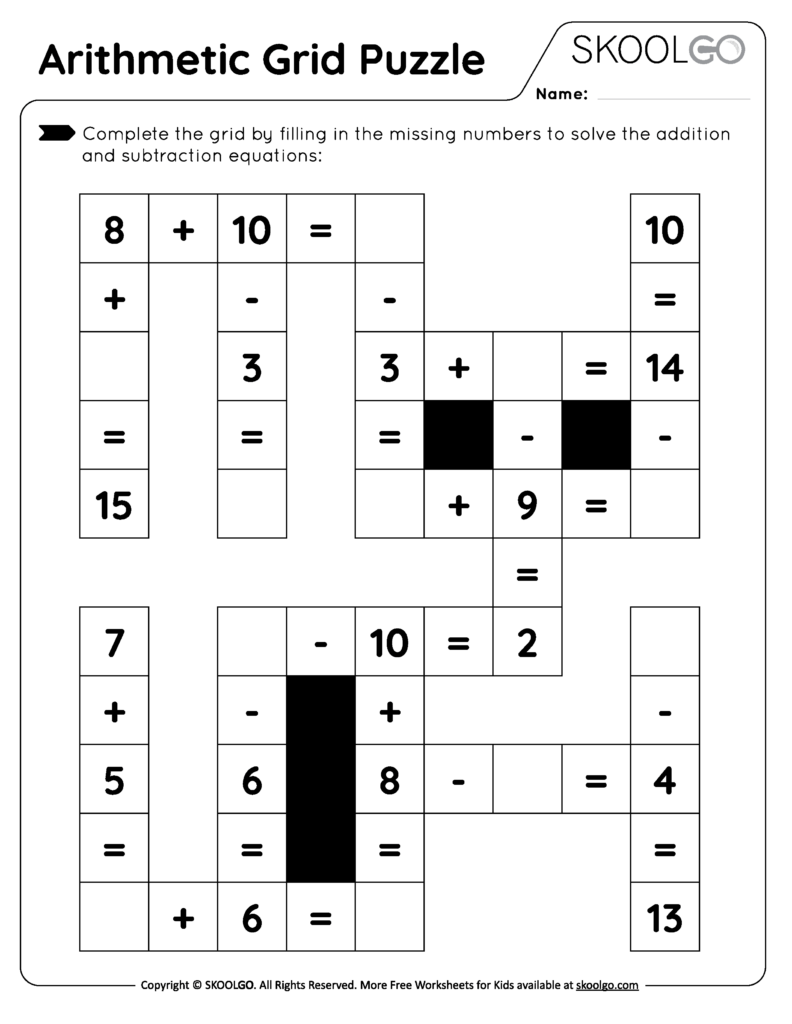
Math puzzle worksheets work best when they match both the puzzle type and the learner’s goal. Some are built for quick number sense practice, while others focus on reasoning, patterns, or operations. The most useful worksheet is one that feels solvable, has clear directions, and reinforces a specific math skill without turning into guesswork.
Common puzzle types
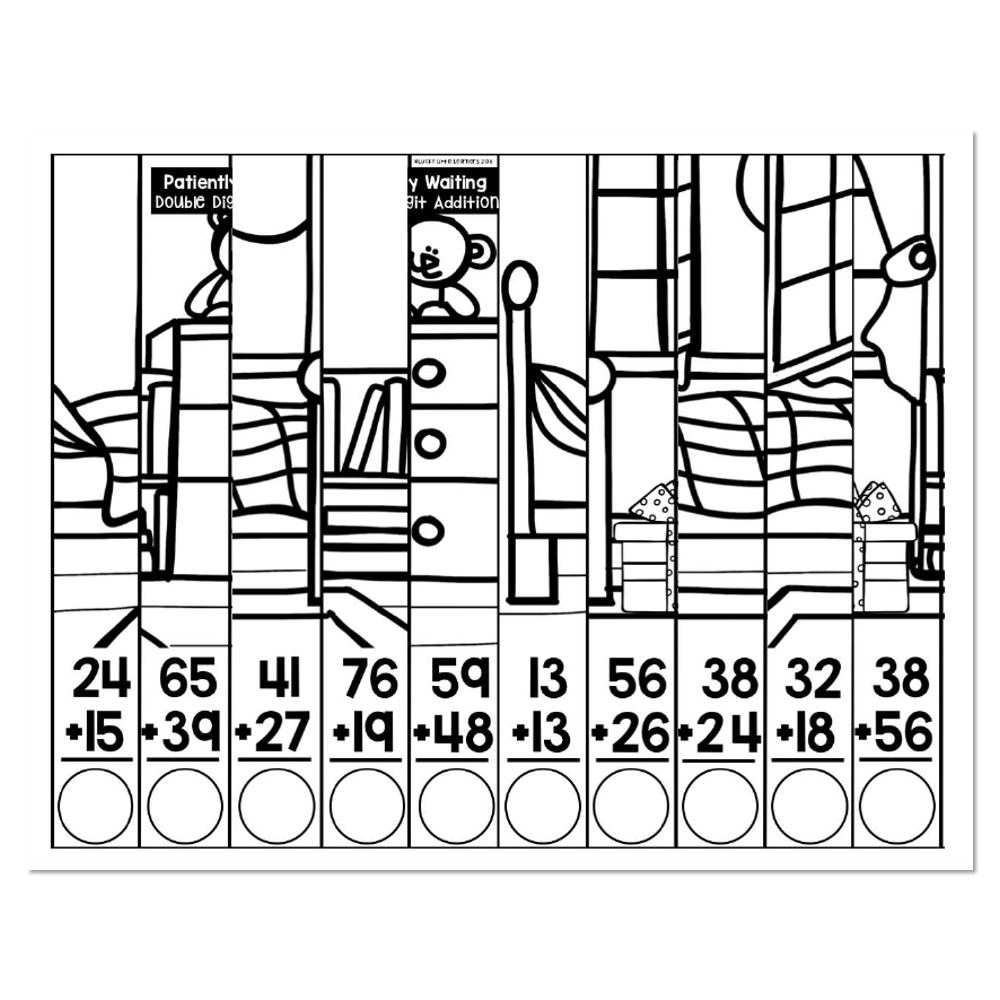
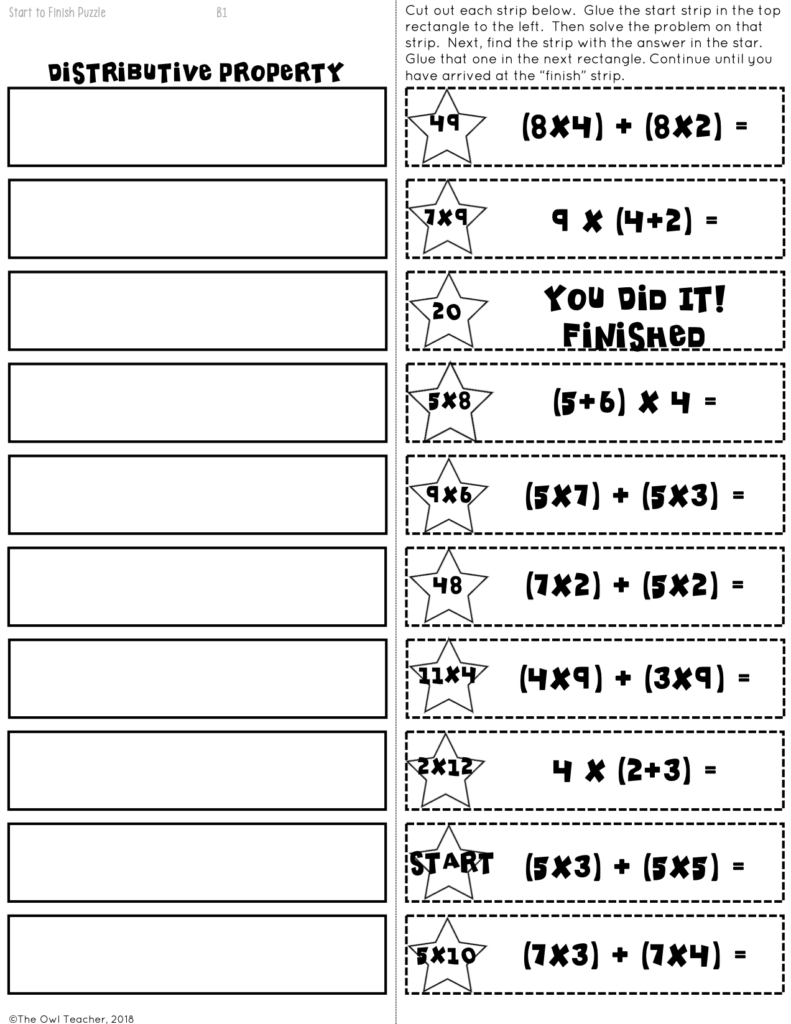
Math puzzle worksheets usually fall into a few familiar groups. Number puzzles may use missing numbers, magic squares, or sequence completion. Logic puzzles ask students to use clues to eliminate possibilities. Code-breakers connect answers to letters or symbols, which adds extra motivation while still practicing math facts. Pattern and matching puzzles help learners notice relationships and rules. Each type supports a different kind of thinking, so the best choice depends on whether the goal is computation, reasoning, or pattern recognition.
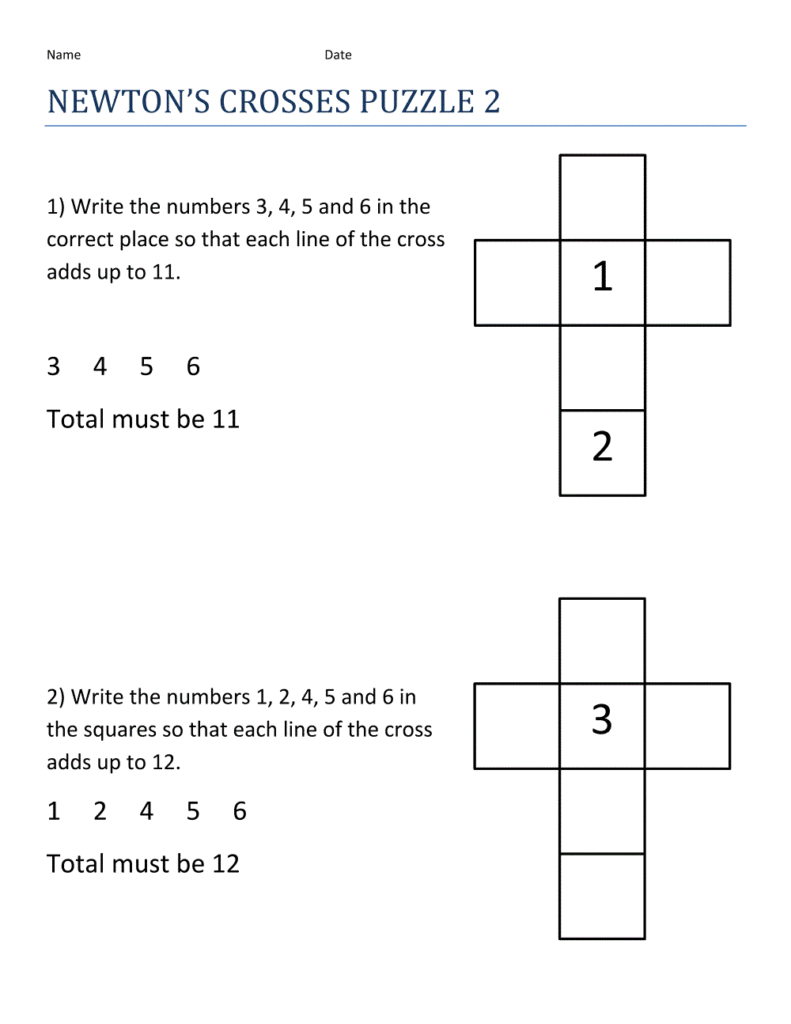
Match level to learner
To choose the right difficulty, look at both the grade level and the skill demands of the worksheet. A good fit should use numbers and steps the learner can handle independently, with just enough challenge to require attention. For younger students, keep layouts simple and tasks short. For older learners, you can add multi-step work, larger numbers, or mixed operations. If a worksheet has too many clues, too much reading, or unfamiliar content, it may be harder than the math itself.
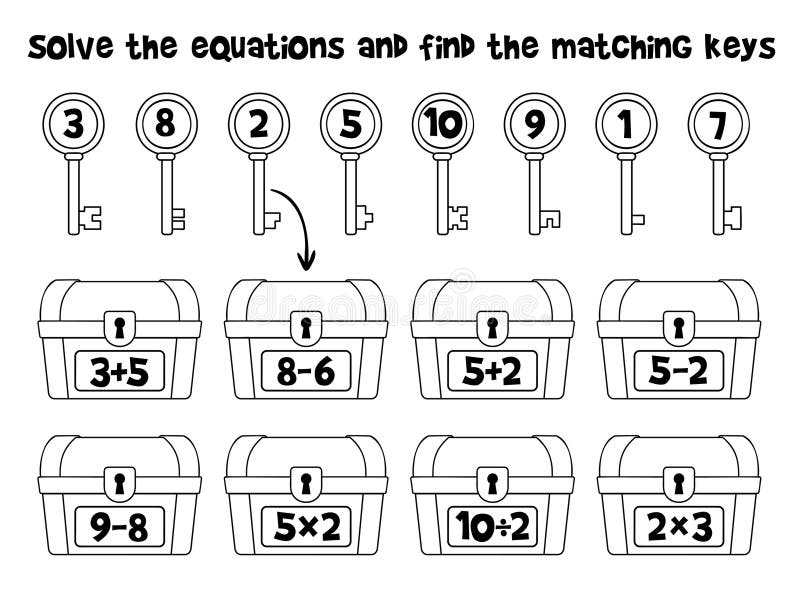
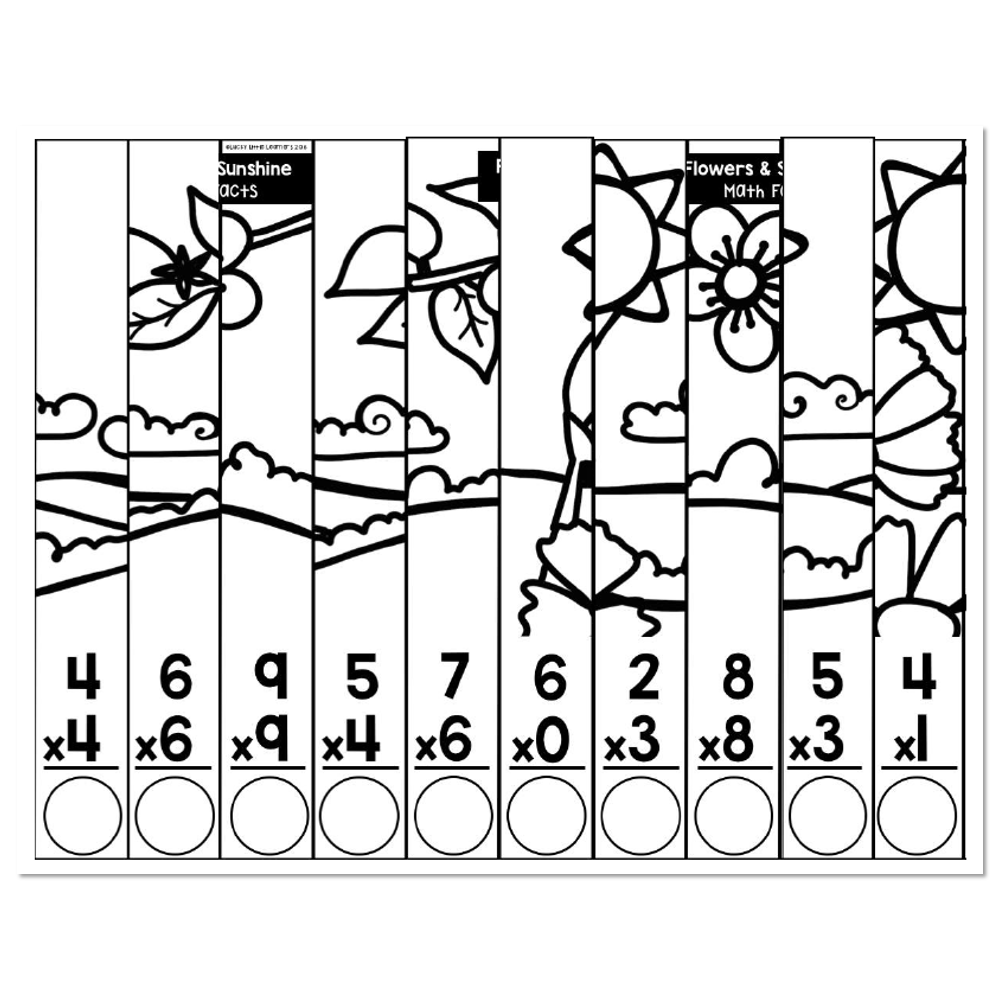
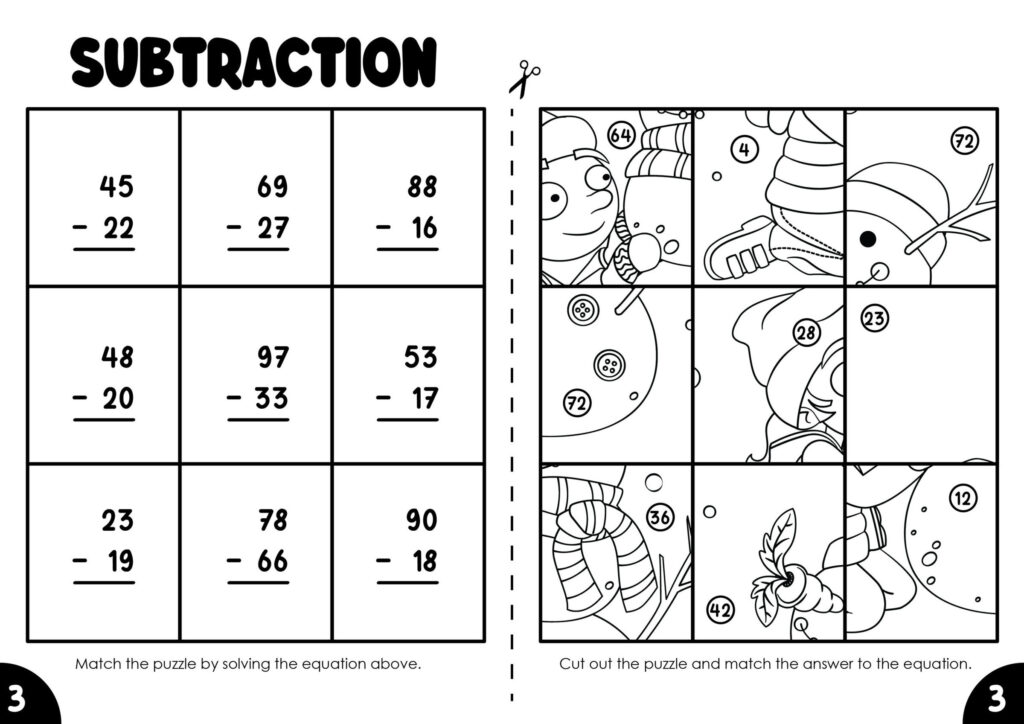
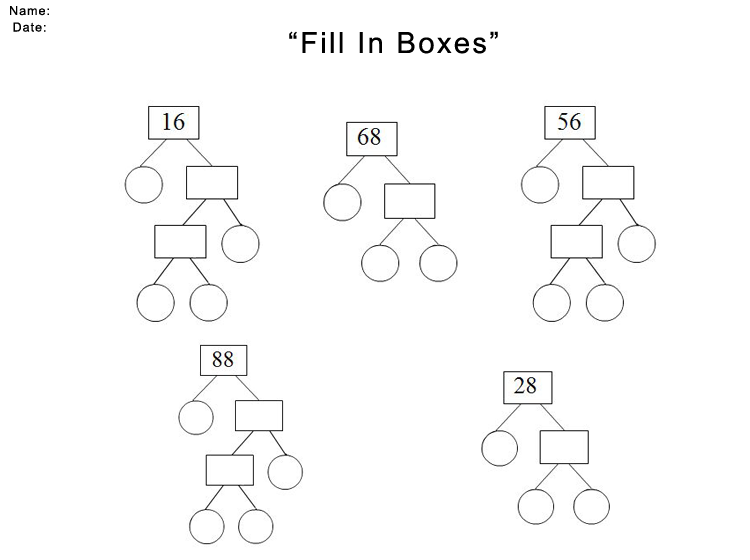
Always check what the worksheet is meant to reinforce before printing. Some math puzzle worksheets focus on addition and subtraction facts, while others strengthen multiplication, division, fractions, place value, or logical reasoning. Usability matters just as much: directions should be easy to follow, the page should print cleanly, and an answer key should be available for quick checking or self-correction. When those pieces line up, the worksheet becomes a practical tool instead of a frustrating one. The best pick is clear, targeted, and appropriately challenging.