
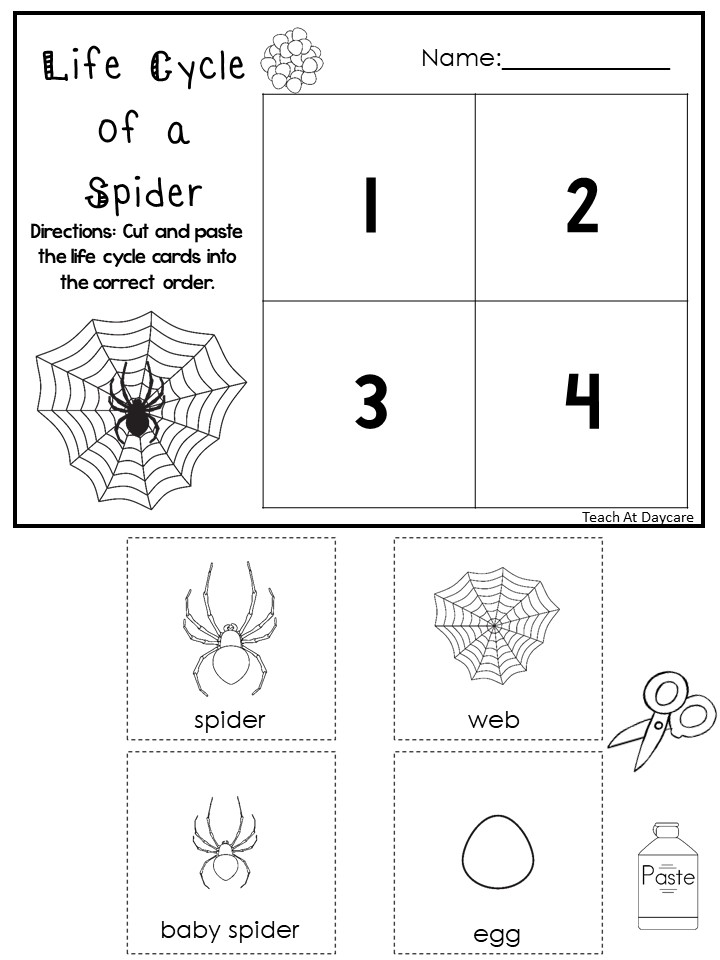
Life science educational worksheets help learners explore how living things work in a structured, low-prep way. The best sets are easy to read, age-appropriate, and clearly tied to a science goal. Whether the focus is plants, animals, cells, ecosystems, or human biology, a strong worksheet should help students practice observation, labeling, sorting, comparing, or short-answer responses without extra confusion.
Core life science topics
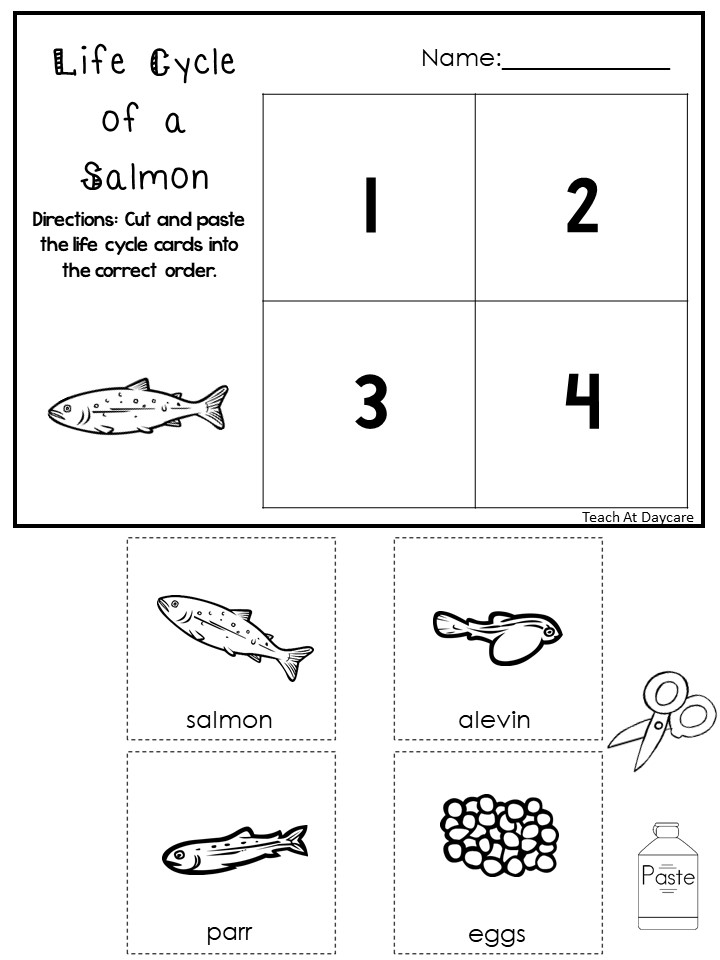
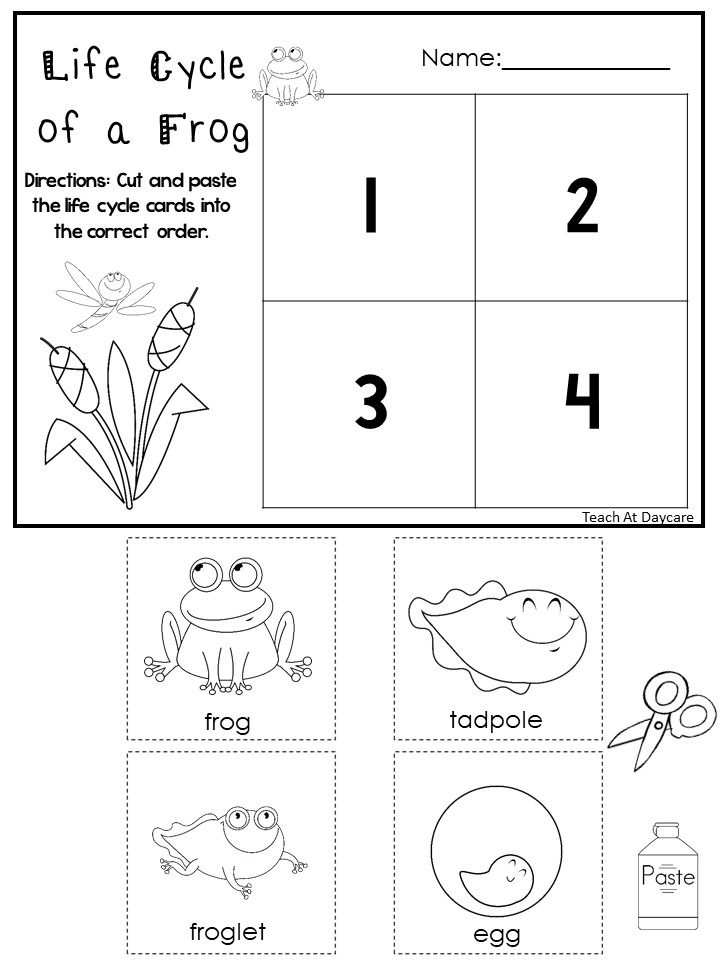
A useful worksheet set should match the main life science ideas students are studying. Common topics include living vs. nonliving things, plant parts and life cycles, animal groups and adaptations, cells and body systems, habitats and ecosystems, and basic human biology. Good materials stay focused on one topic at a time or combine closely related ideas in a clear sequence. That makes them easier to use for review, practice, centers, homework, or quick assessment.
Choosing by age and level
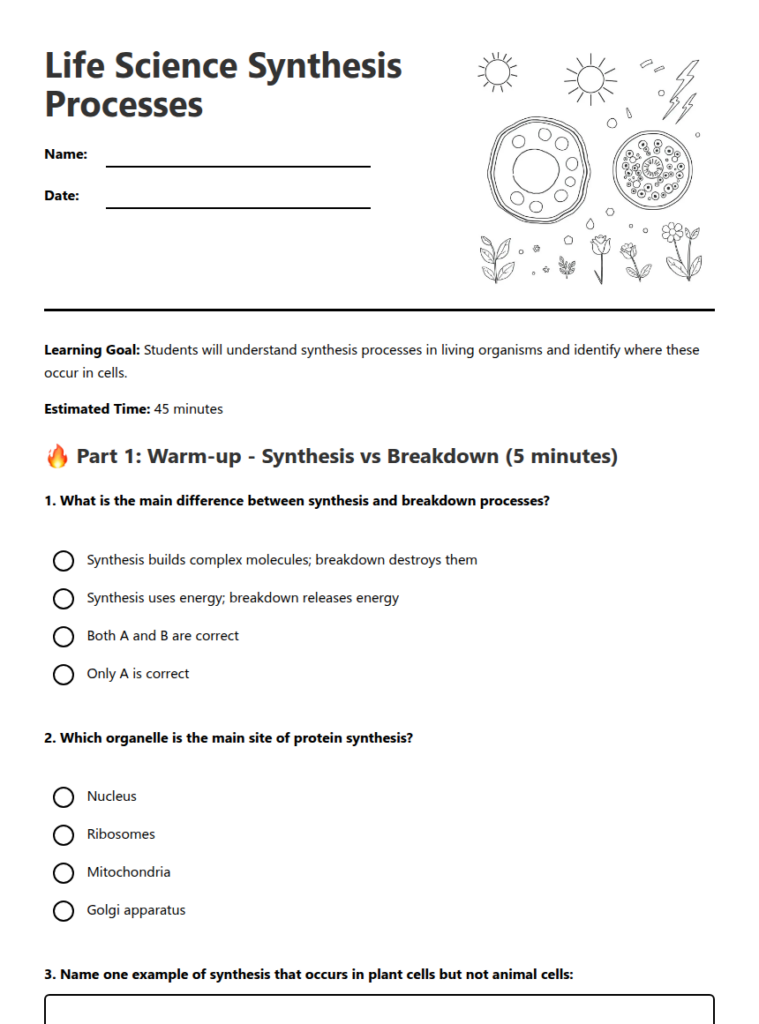
Match the worksheet to the learner, not just the topic. Younger students usually need large print, pictures, tracing, simple matching, and fewer response choices. Upper elementary and middle school learners can handle more vocabulary, diagrams, and multi-step questions. The best fit also depends on the objective: identification, classification, comprehension, or application. A worksheet should challenge students slightly without turning into a reading test or a guessing game.
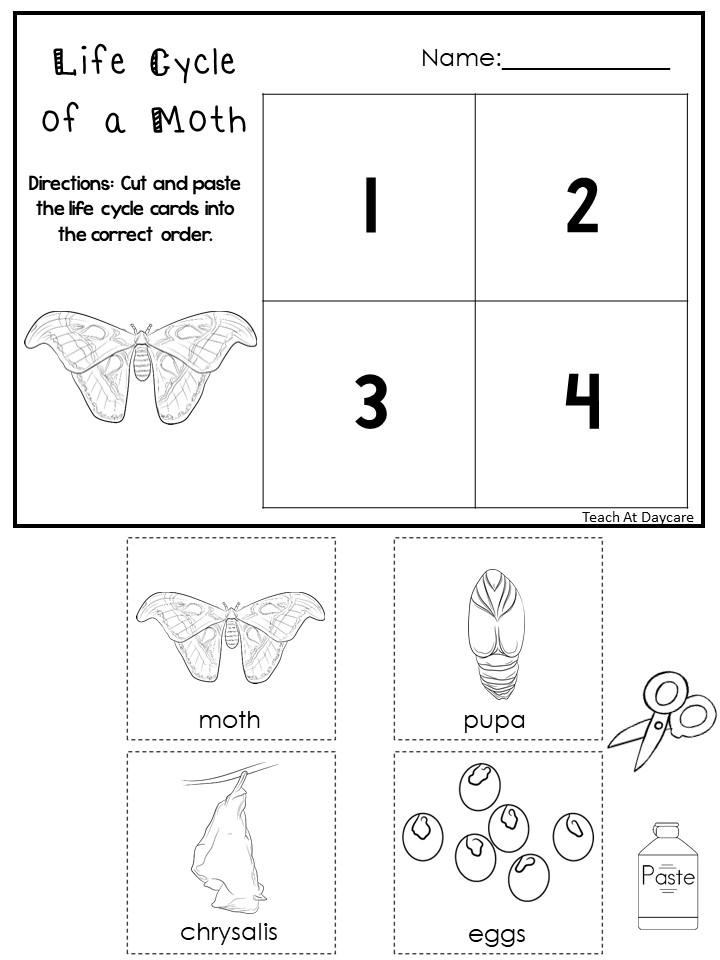
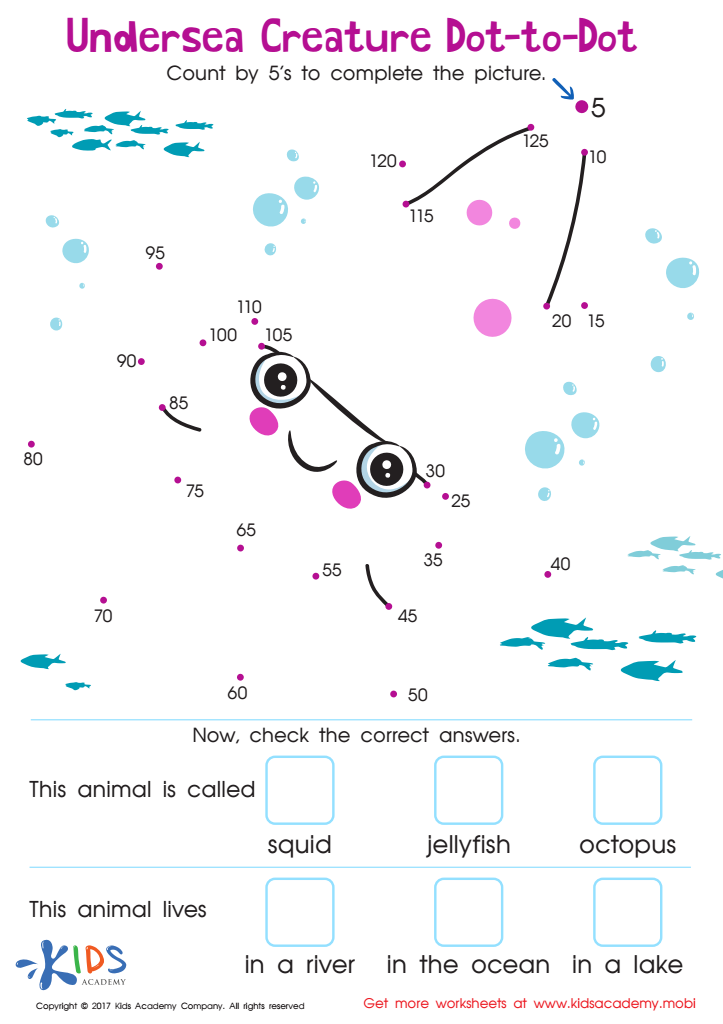
Before using a worksheet, check that instructions are short and specific, diagrams are accurate, and science language is correct. Questions should be answerable from the material students have learned or from the worksheet itself. For classroom use, look for clean layout, manageable length, and tasks that can be completed independently or with minimal support. For home learning, clarity matters even more. A strong worksheet set saves time because it is easy to assign, complete, and review.



