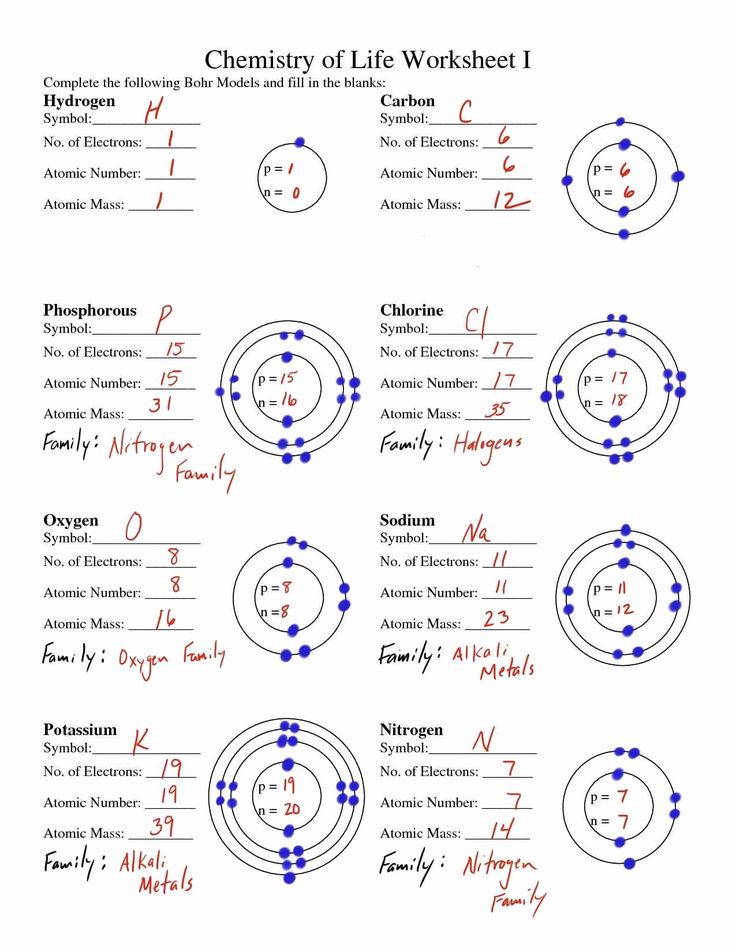
Drawing atoms worksheet answers usually come down to a few basics: the nucleus in the center, protons and neutrons inside it, and electrons shown around it. If a worksheet asks for a simple atom drawing, the safest answer is clear labeling and the correct particle counts. Most classroom diagrams only need the element name, symbol, and the right number of each particle.
Core Atom Labels
For a basic atom diagram, label the center as the nucleus and place protons and neutrons there. Protons are usually marked with a plus sign or p+, and neutrons with n0. Electrons are drawn outside the nucleus in rings or shells and marked with e- or a dot. If the worksheet asks for a specific element, use the correct atomic number to show how many protons are in the nucleus.
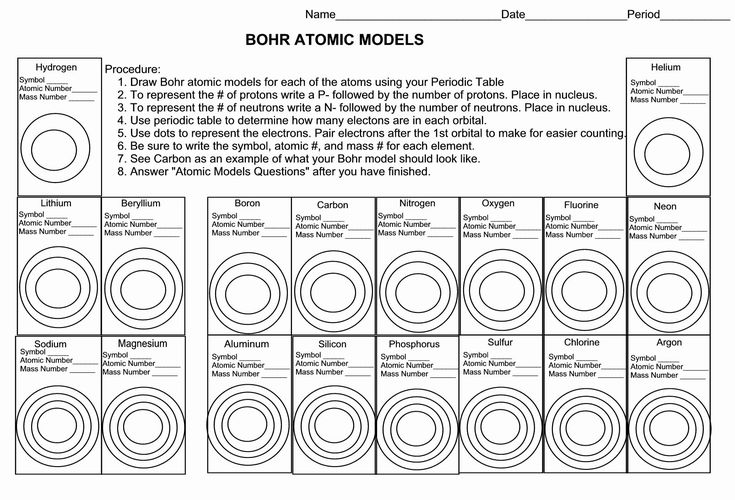
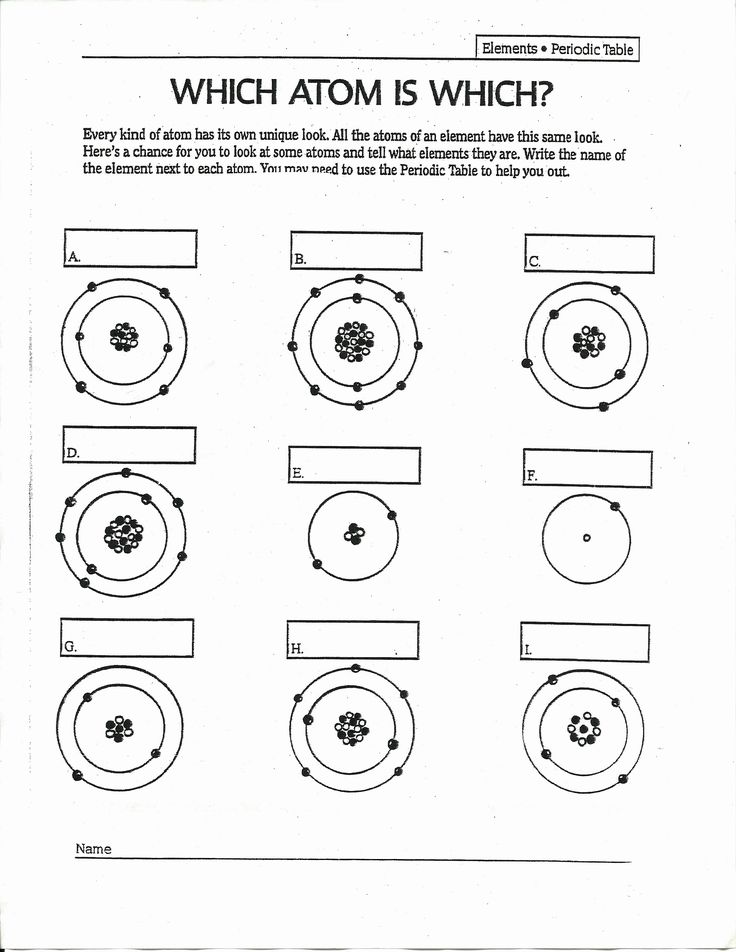
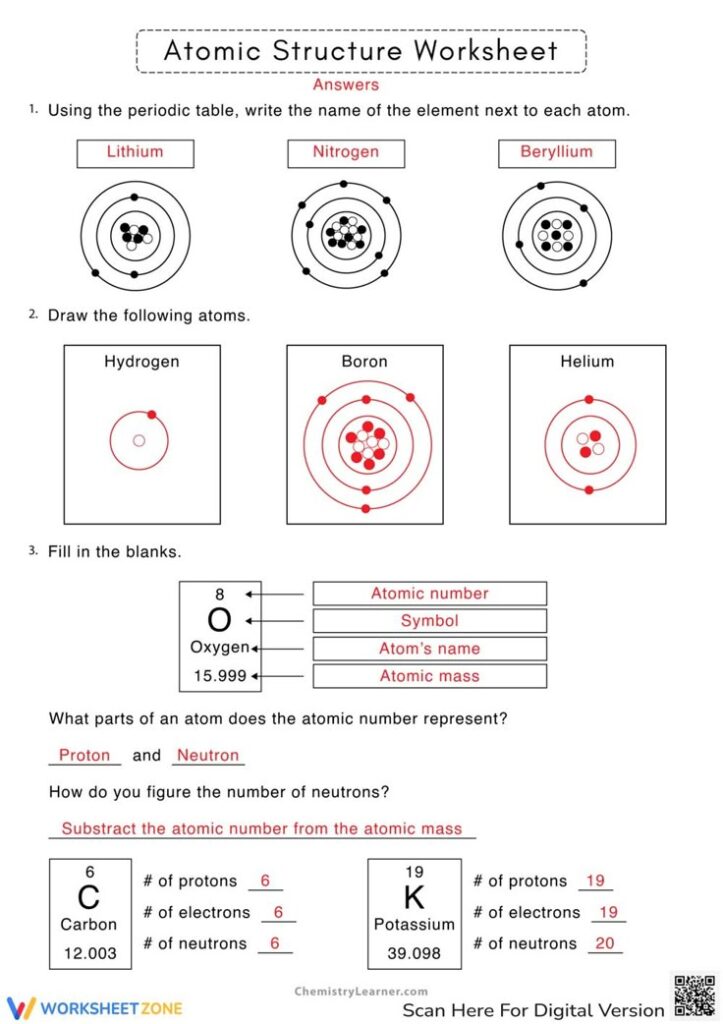
When checking the drawing, count the particles the worksheet is asking about. Atomic number means protons only. Mass number means protons plus neutrons. Charge means protons minus electrons. A neutral atom has the same number of protons and electrons. For example, a carbon atom should show 6 protons and 6 electrons, and if the mass number is 12, it also has 6 neutrons. Those counts are usually the key to a correct answer.
Electron Shell Placement
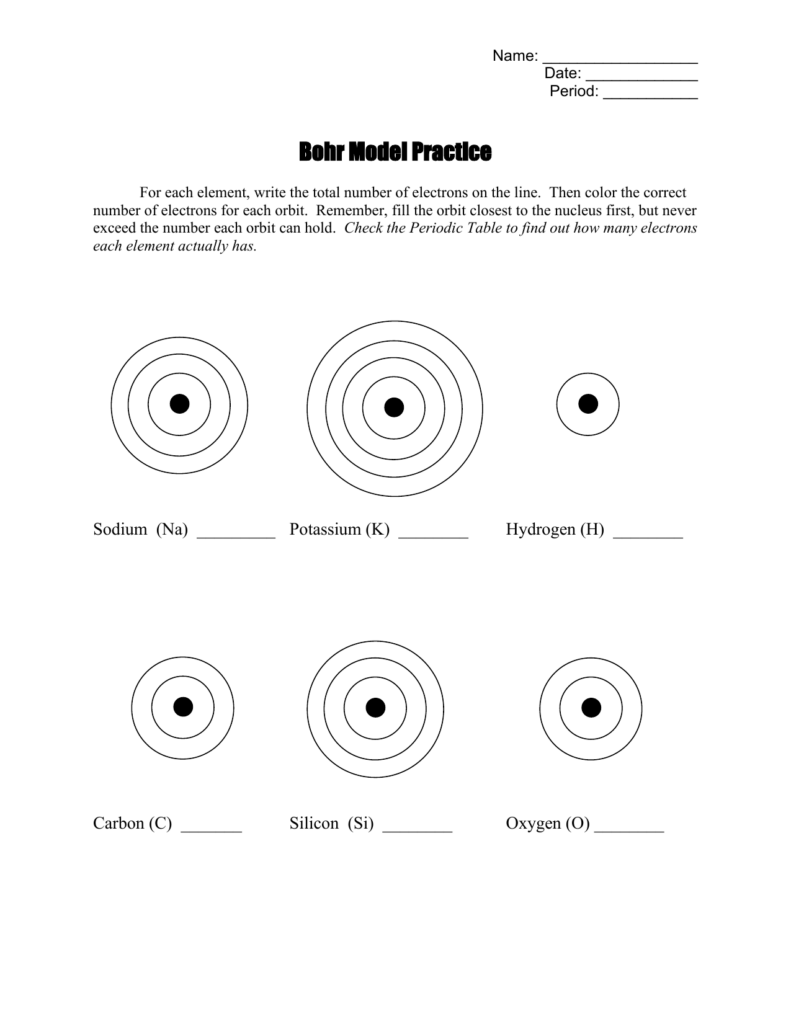
For simple worksheet drawings, electrons are placed in shells or energy levels around the nucleus, starting with the first shell. Many classroom worksheets expect the first shell to hold up to 2 electrons and the second shell to hold up to 8 for the early elements. Keep the electrons spaced around the ring rather than piled in one spot. If the worksheet gives a specific element, match the total number of electrons to the atomic number unless the atom is shown as an ion.
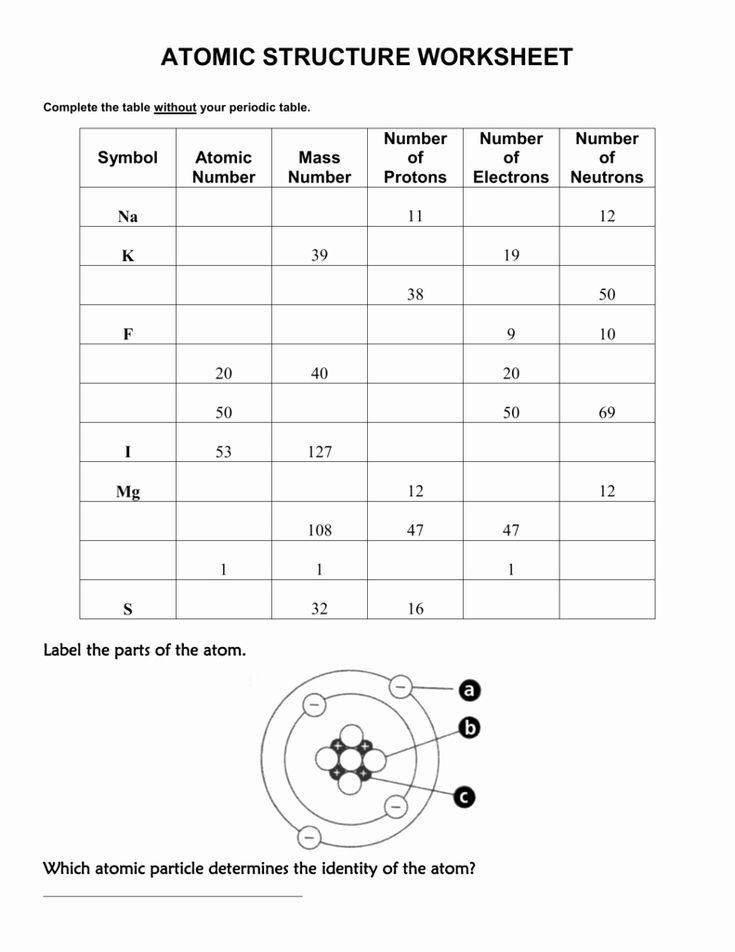
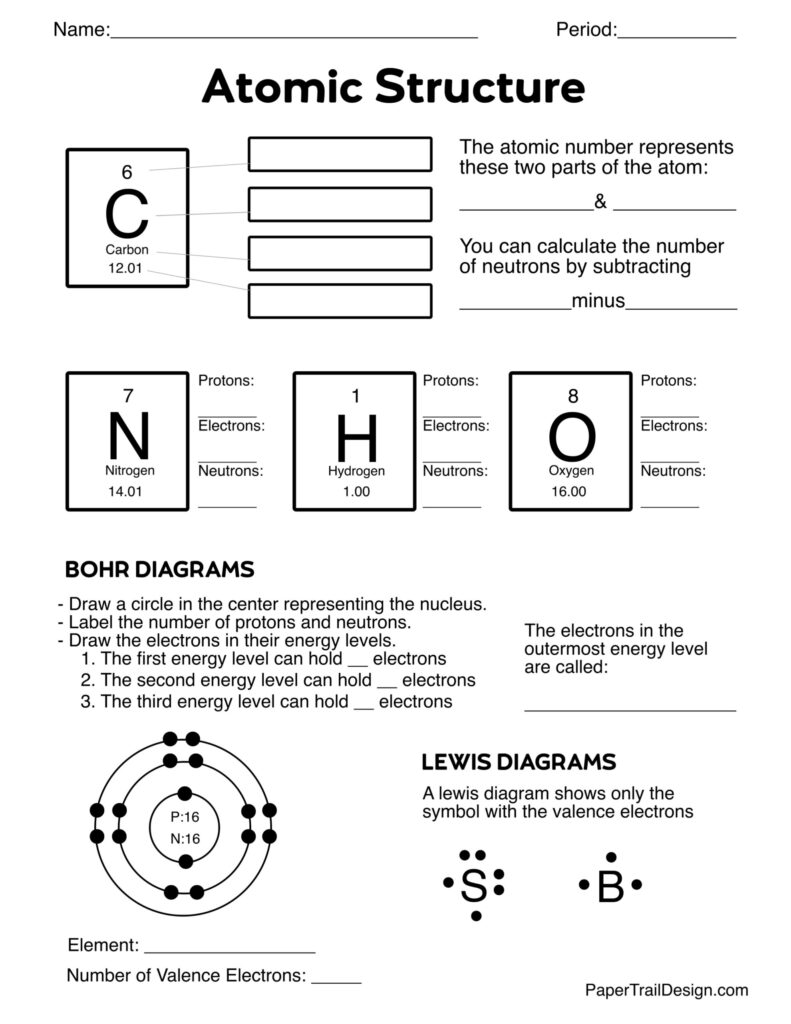
A good answer-key style check is to verify three things: the name or symbol matches the element, the protons match the atomic number, and the electrons match the charge or neutral atom count. Then confirm the neutrons by subtracting atomic number from mass number. If the worksheet includes a Lewis-style or shell drawing, keep the labels neat and the electrons evenly placed. Those details are usually enough to mark the diagram correct.