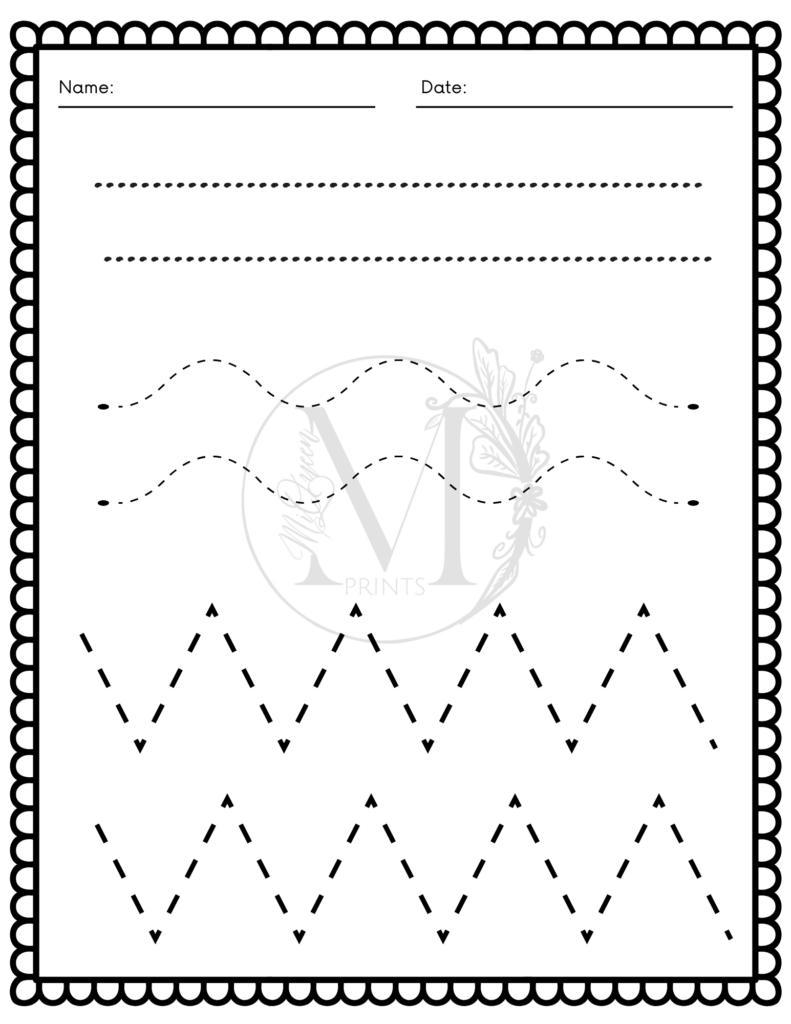
Beginner handwriting worksheets for kids should feel simple, clear, and easy to follow. The best pages give children enough space to trace without crowding and focus on one small skill at a time. For true beginners, that usually means basic strokes, large shapes, and letter practice that builds confidence before moving into words. The goal is steady first practice, not perfection.
Start With Simple Strokes
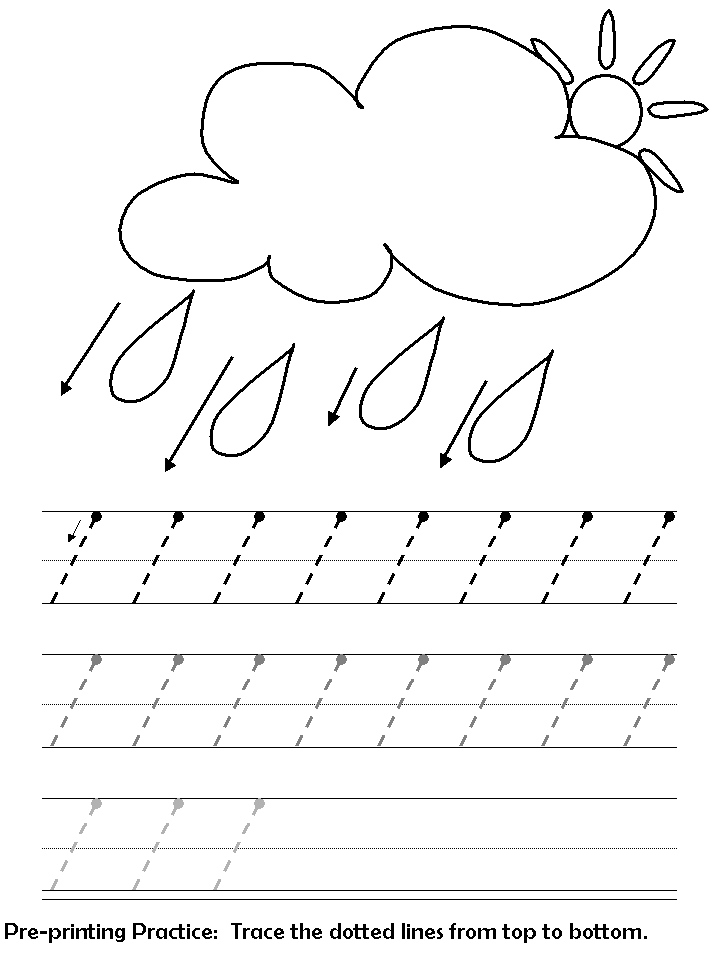
The most useful beginner worksheets usually begin with pre-writing strokes. Lines, curves, circles, zigzags, and loops help kids learn control before they trace letters. Look for pages with large tracing spaces and light visual guides so children can follow the shape without feeling overwhelmed. These early sheets are especially helpful for preschoolers and kindergarteners who are just learning how to hold a pencil and move it with purpose.
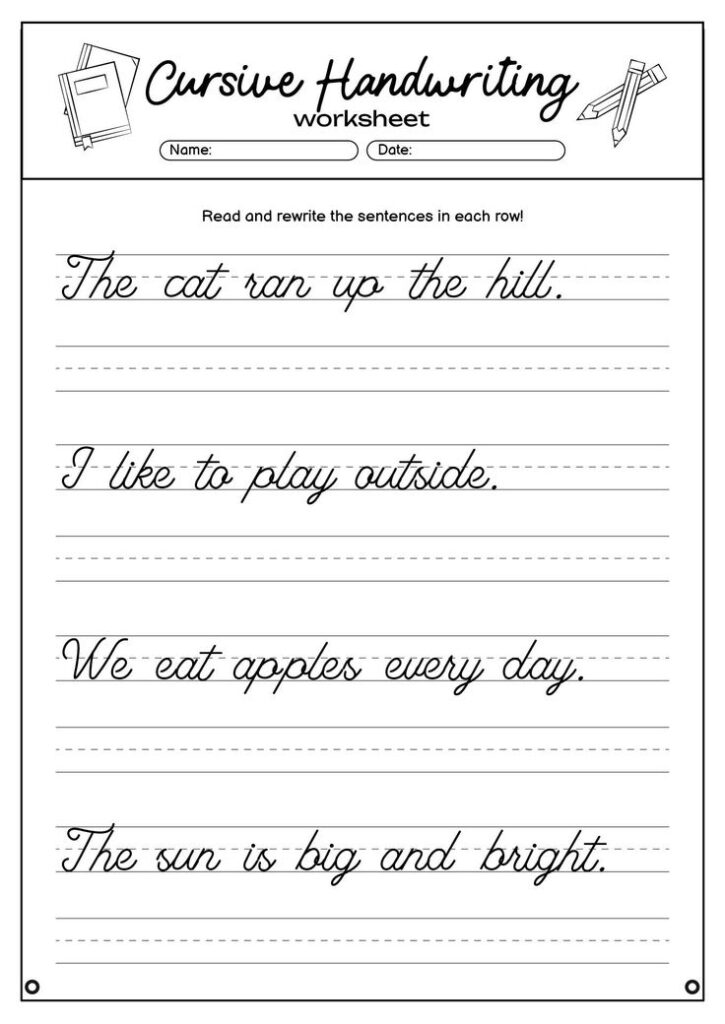
Move Into Letter Tracing
After basic strokes, the next step is letter formation practice. Good beginner handwriting worksheets for kids often introduce uppercase letters first, then lowercase letters once the child is ready. Pages should show a clear model letter, a tracing path, and enough repetition for practice without too much clutter. Short, focused sets work better than crowded worksheets because beginners need to see one letter pattern clearly before trying the next one.
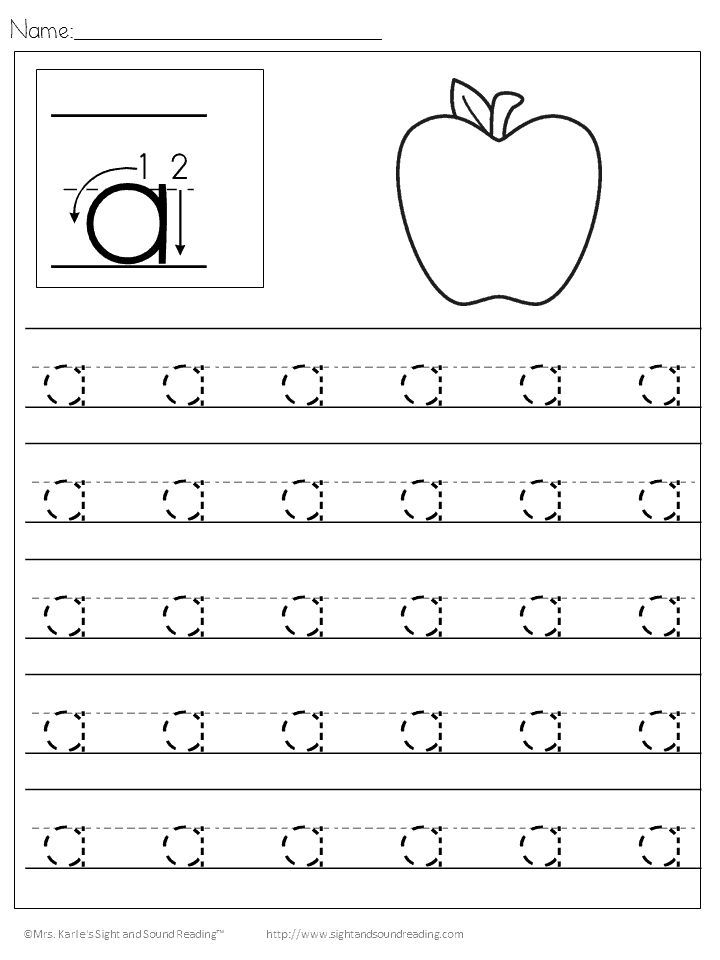
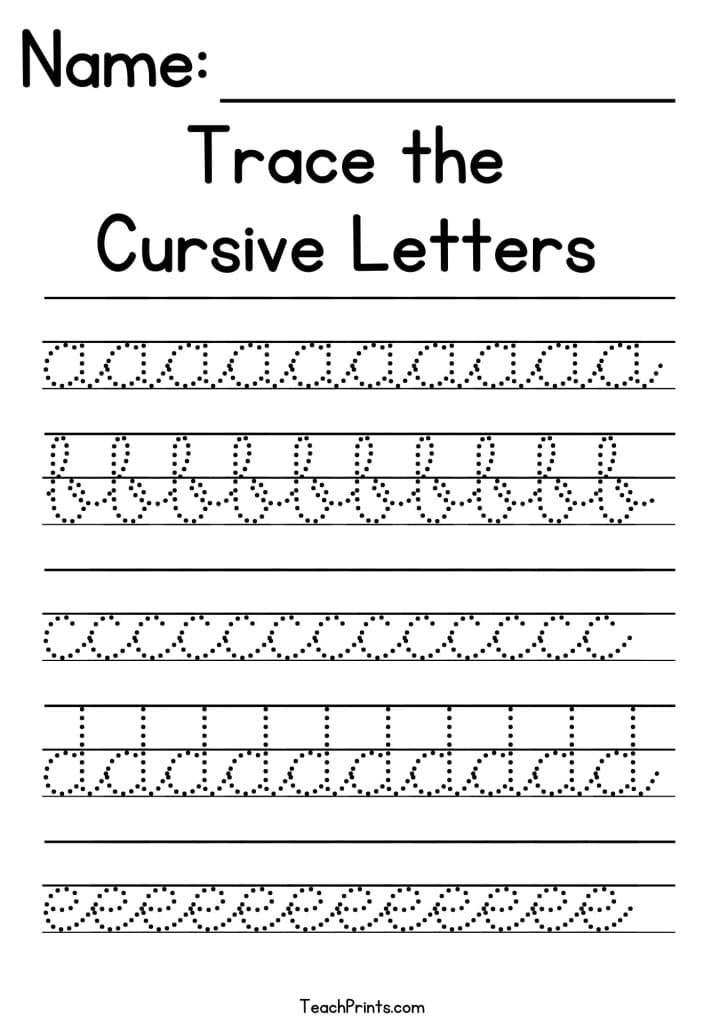
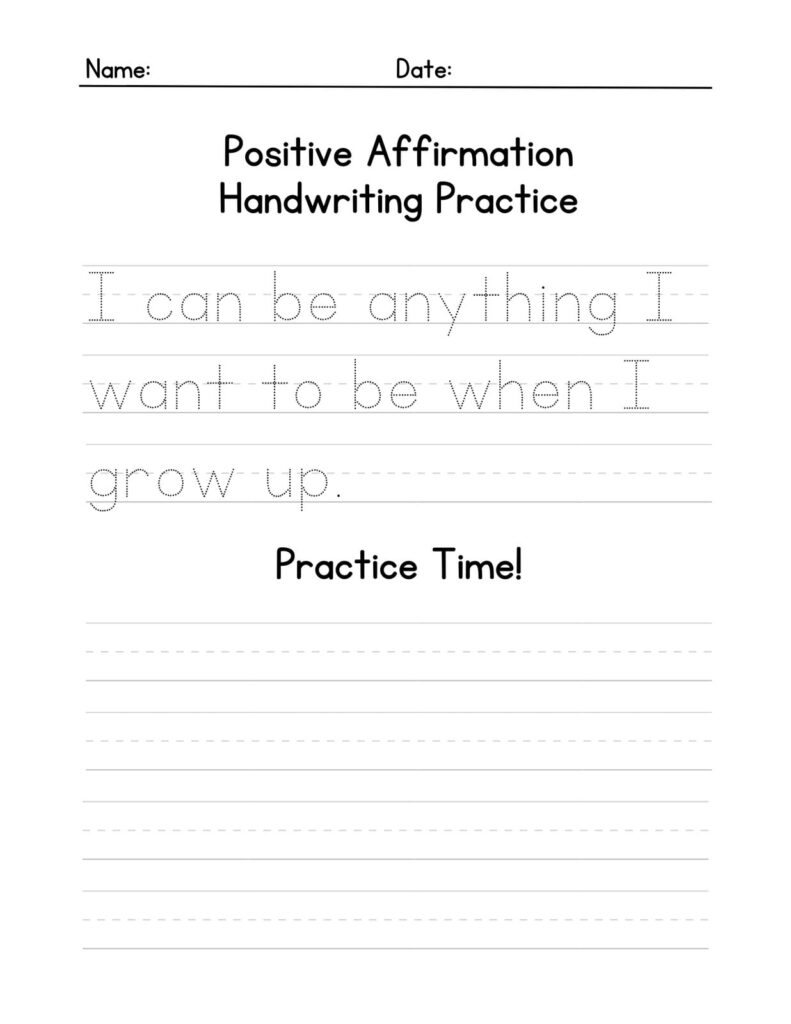
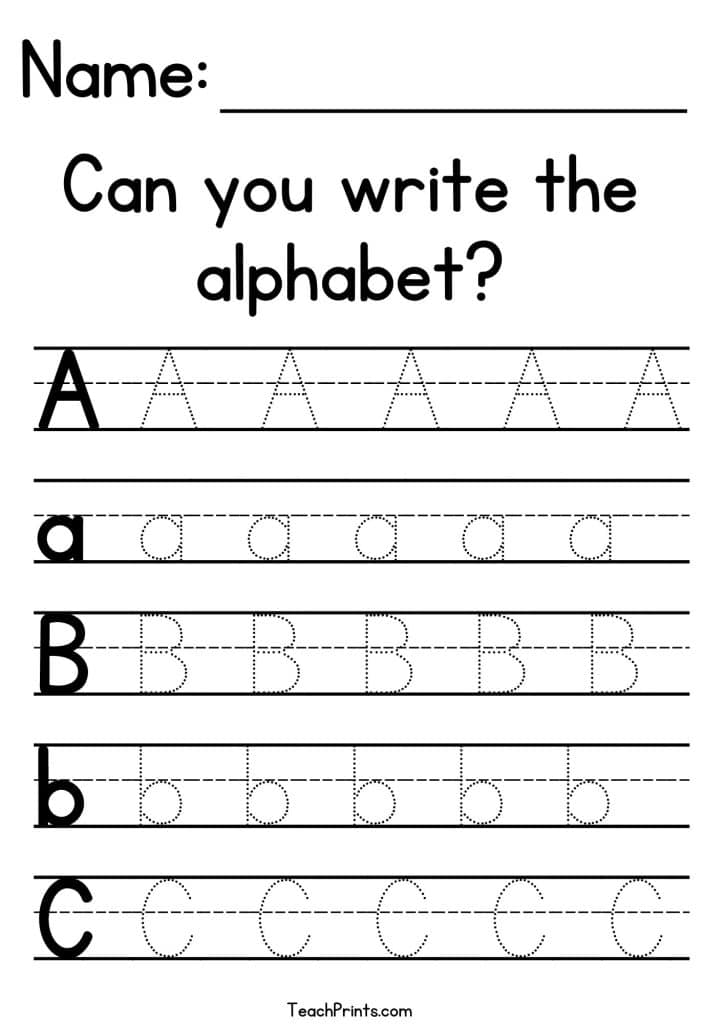
Usability matters just as much as the handwriting exercise itself. Choose worksheets with clear directions, simple visual examples, and a layout that prints cleanly at home or in a classroom. If a child can understand what to do from the page alone, the worksheet is probably beginner-friendly. When they are ready, add short word tracing such as names or very simple sight words, but keep the page easy and uncluttered. That steady progression helps children build confidence one step at a time.