
Colour numbers worksheets are simple printables where children match numbers to a colour key and fill in each space accordingly. They are easy to understand, quick to set up, and useful for short practice sessions at home or in class. Because the task is visual and structured, they can support number recognition, attention, and calm independent work without needing a long explanation.
How They Work
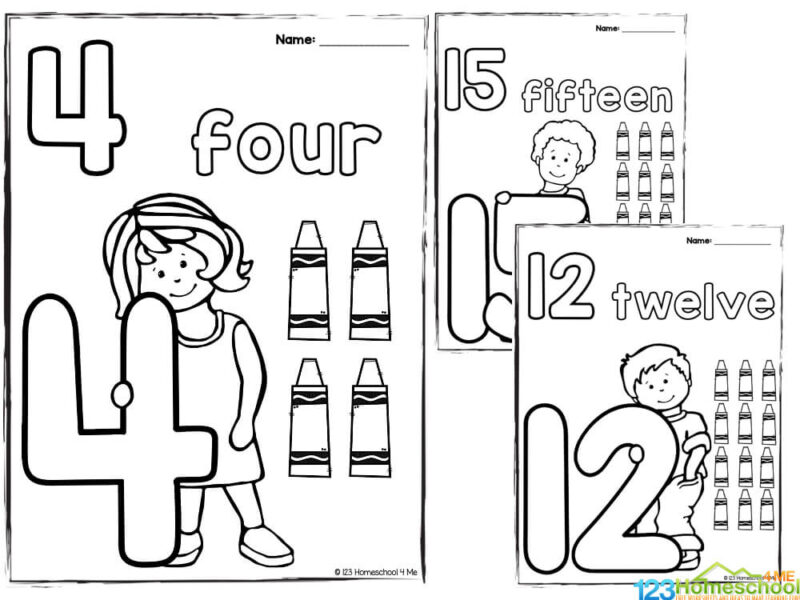
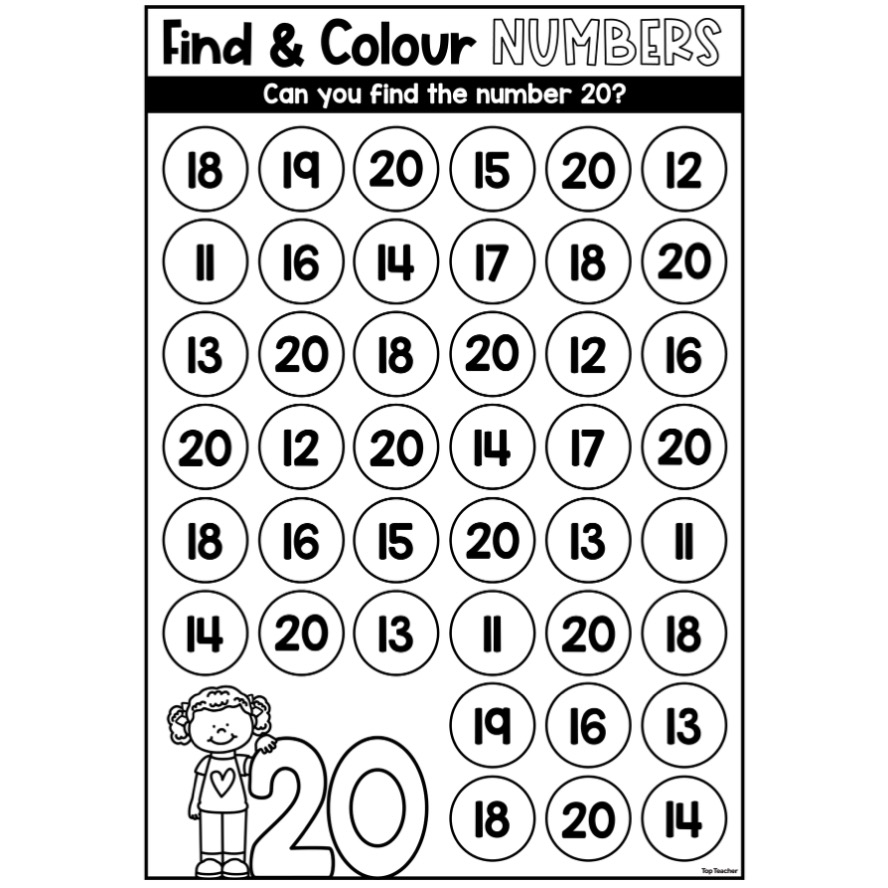
Most colour by number pages use a code that links each number to a colour, such as 1 for red and 2 for blue. A child identifies the number in each section, finds the matching colour, and shades it in. This creates a finished picture while reinforcing number recognition and careful matching. Younger children often do best with small number ranges and large spaces, while older children can handle more numbers, finer details, and more complex images.
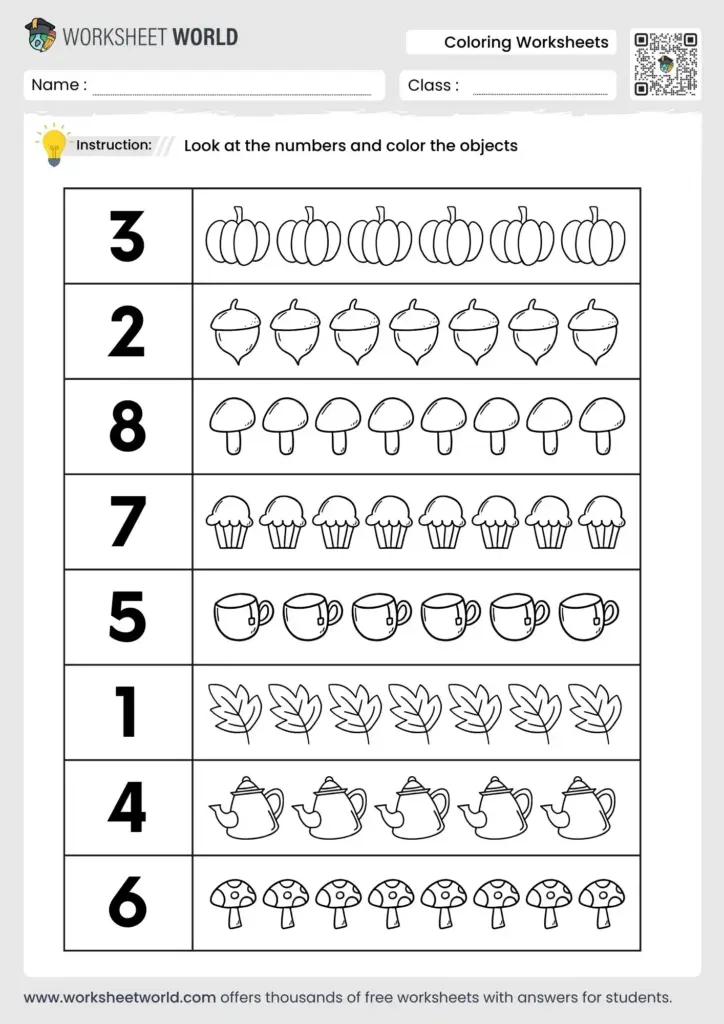
These worksheets suit different ages in different ways. Preschoolers and early primary learners can use them to become familiar with numbers and practice controlled colouring. Children who are already confident with basic counting may use them for quiet review or a focused downtime activity. They are also helpful for children who need a low-pressure task that still feels purposeful. The best worksheets usually match the child’s current skill level so the activity feels manageable, not frustrating.
Choosing a Set
When choosing colour numbers worksheets, look first at the number range. A simple set with numbers from 1 to 5 or 1 to 10 is usually best for beginners. Also check the picture style: bold outlines and larger spaces are easier for younger children, while busier designs suit children who can sustain attention longer. Themes matter too, because animals, seasonal pictures, and familiar objects can make the activity more engaging. Clear instructions and a visible colour key are especially important.
To use them well, keep the purpose simple. For number recognition, ask the child to say each number aloud before colouring it. For fine motor practice, encourage neat colouring within the spaces rather than speed. For quiet time, give one page at a time and avoid turning it into a test. These worksheets work best as short, focused activities that build confidence. If a child finishes quickly, choose a slightly harder page next time so the activity stays useful and enjoyable.



