
Fun alphabet worksheets for preschool should make early letter learning feel simple, playful, and successful. The best ones give children just enough structure to notice letters, trace shapes, and connect sounds to pictures without overwhelming them. Look for pages that are visually clear, easy to follow, and designed for short preschool attention spans. When the worksheet matches the child’s stage, it can turn practice into a quick, confidence-building activity.
What Makes Them Preschool-Friendly
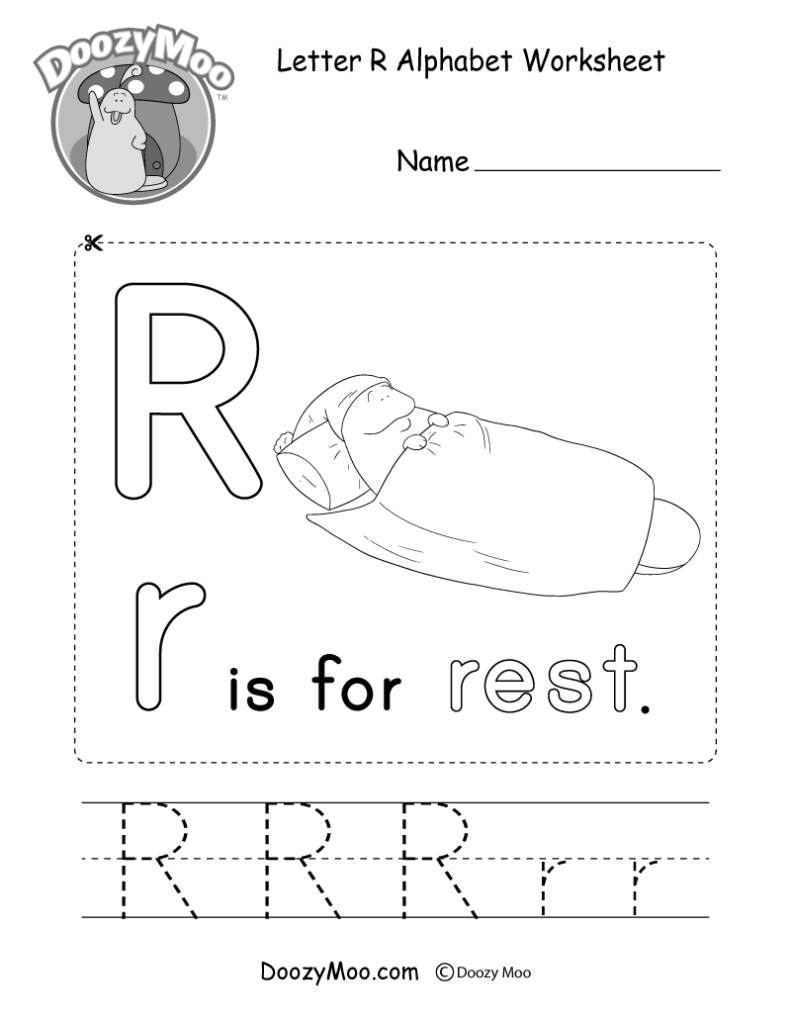
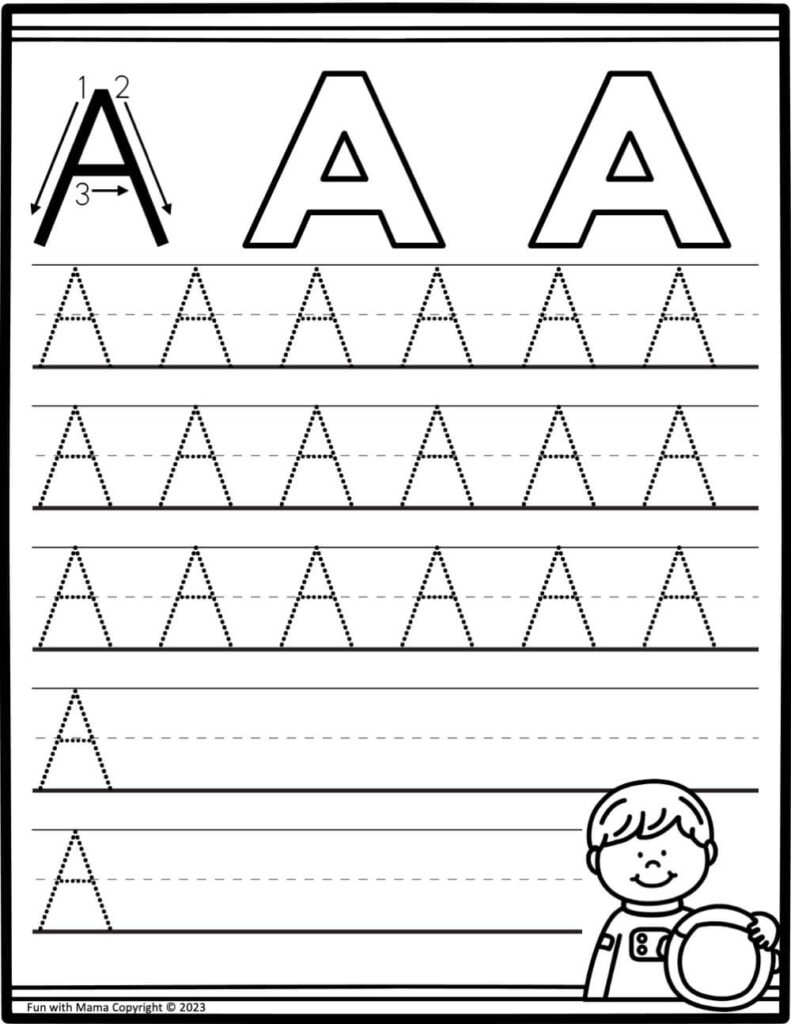
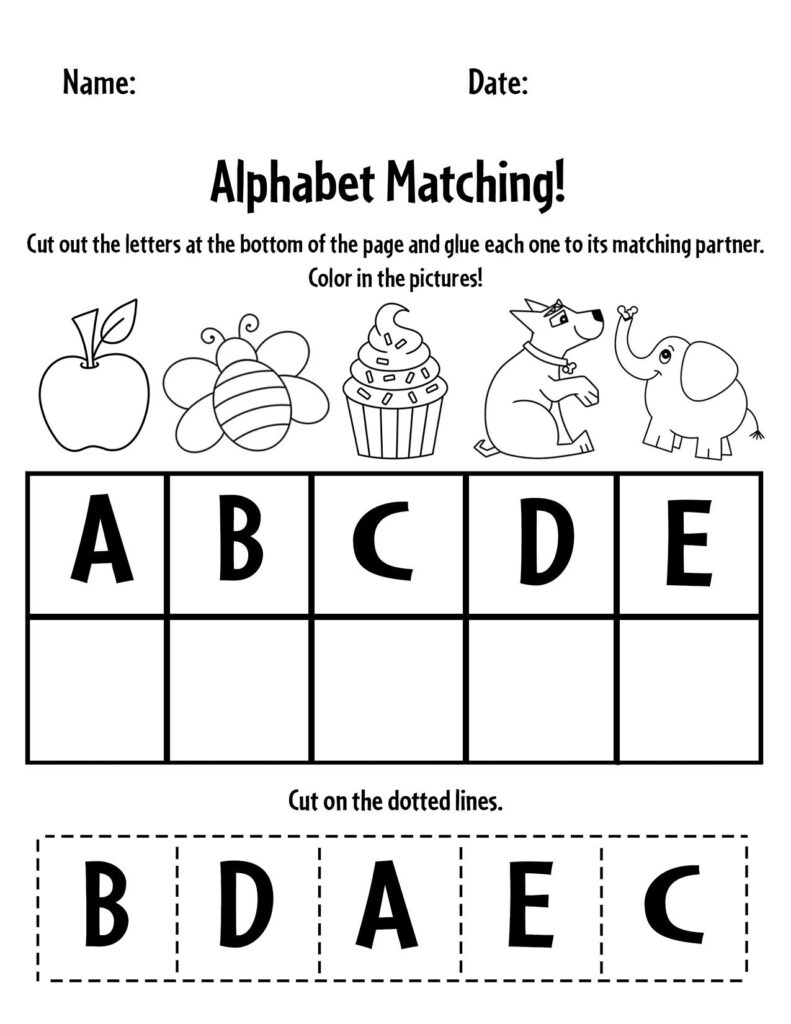
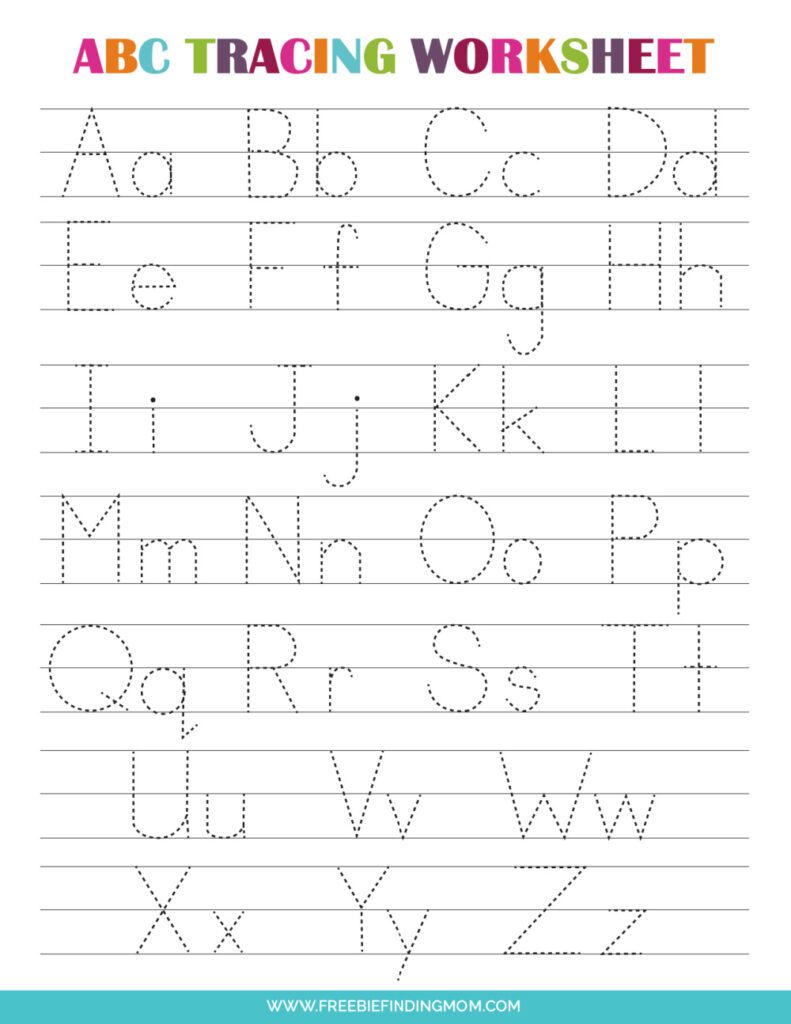
Preschool-friendly alphabet worksheets use large, easy-to-see letters, roomy tracing paths, and minimal writing demands. Simple directions matter because many young children need to know exactly what to do at a glance. A good worksheet might ask a child to trace one letter, circle the matching picture, or connect a letter to an object that starts with its sound. These small tasks support fine motor control without expecting neat handwriting or long focus.
Ways to Keep Practice Fun
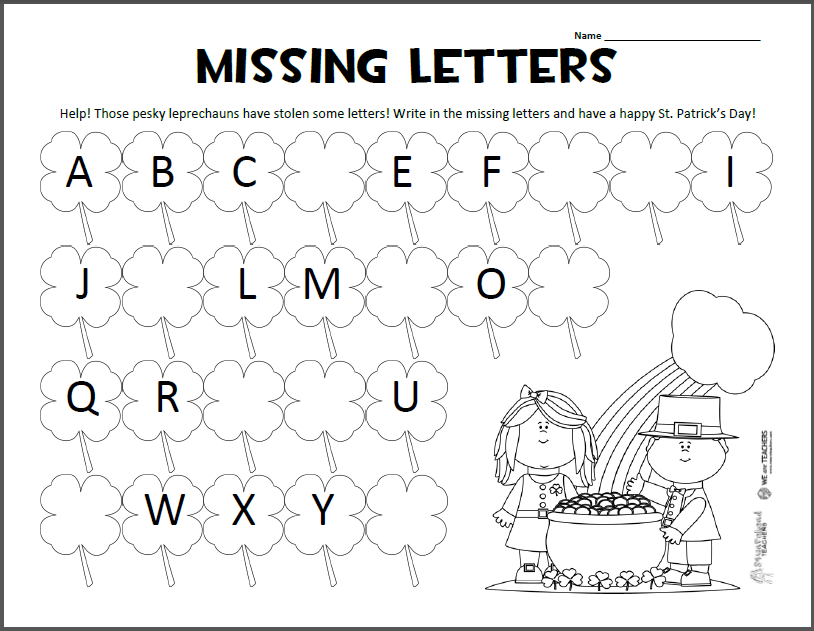
What makes these worksheets engaging is often the extra layer around the learning. Bright colors, familiar pictures, and playful themes such as animals, foods, or toys can help preschoolers stay interested. Activities like finding the same letter, coloring an object that starts with that sound, or tracing with crayons instead of pencils add variety. Fun visuals also help children feel that the page is a game, not a chore, which encourages them to keep trying.
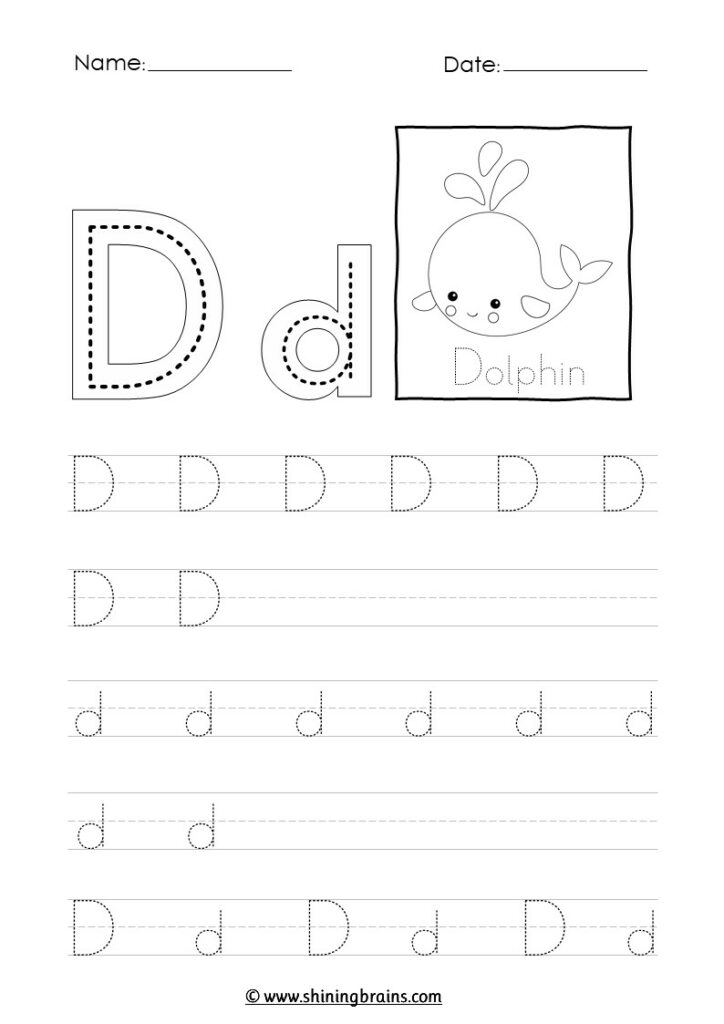
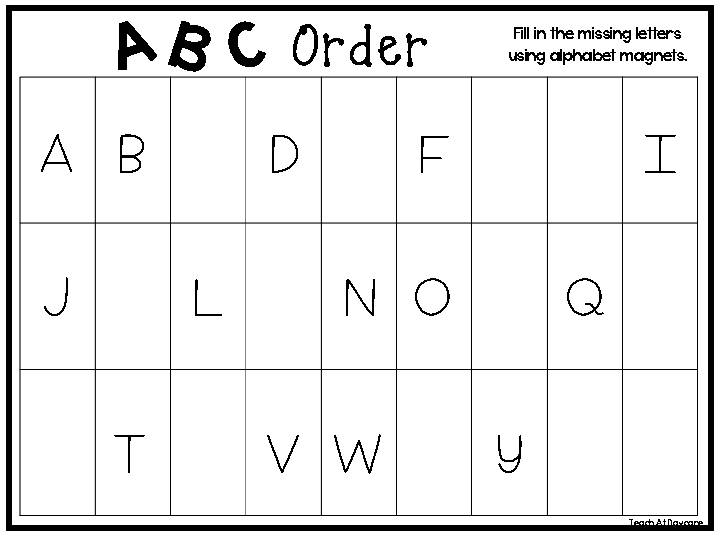
For parents and teachers, the best results usually come from short sessions and careful matching. A child who is just beginning may do best with one letter at a time, while another may be ready to trace, identify, and say the sound in one sitting. Keep practice brief, encourage pointing and naming, and stop before frustration builds. The goal is steady exposure, not perfection. With the right level and a light touch, alphabet worksheets can support early literacy in a way preschoolers enjoy.



