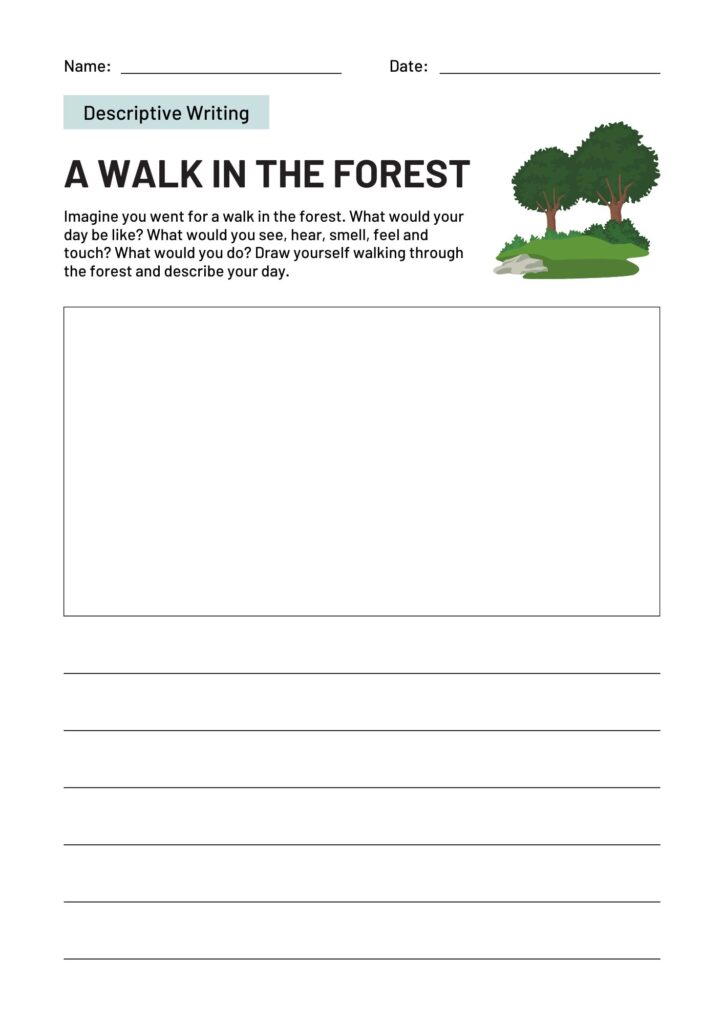
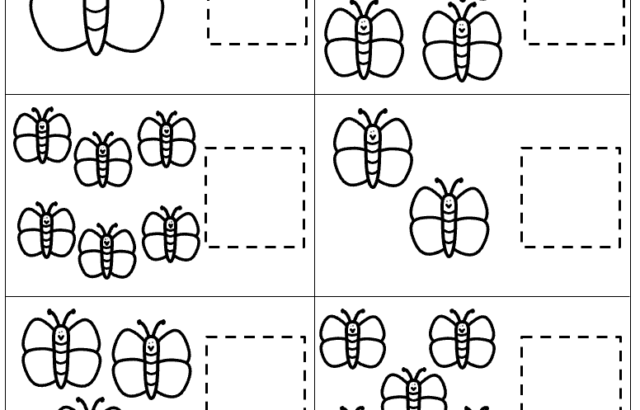
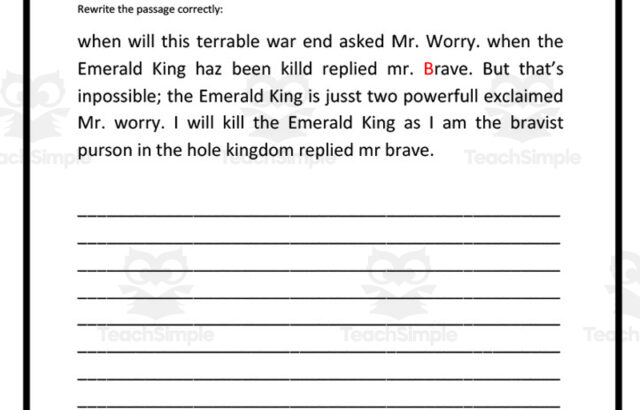
Descriptive writing worksheets for first grade help young writers notice details and turn what they see into simple sentences. At this age, the best pages are easy to read and give children a clear place to begin. Look for worksheets that focus on describing familiar objects, pictures, or scenes so students can practice choosing exact words and writing short, complete descriptions.
What to Practice
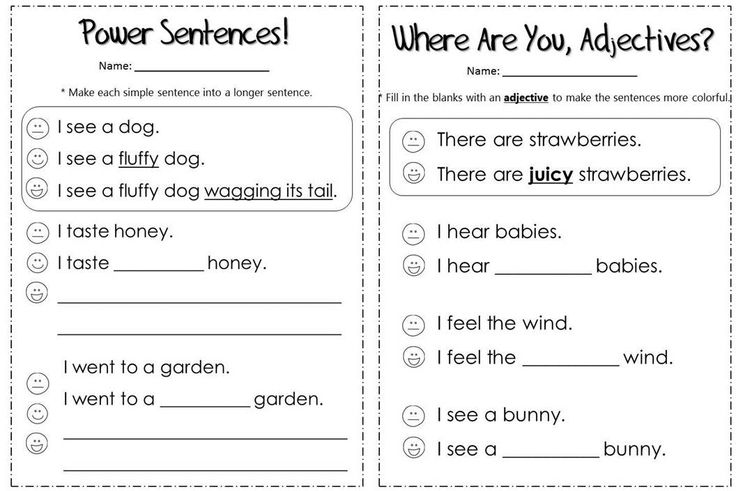
The most useful worksheets for first graders build three skills at once: observing details, using adjectives, and writing simple descriptions. Students might look at a picture of a dog, an apple, or a playground and answer prompts such as color, size, shape, or feeling words. This keeps the task concrete and age-appropriate. The goal is not long paragraphs, but clear sentences like “The apple is red and round.”
Best Worksheet Features
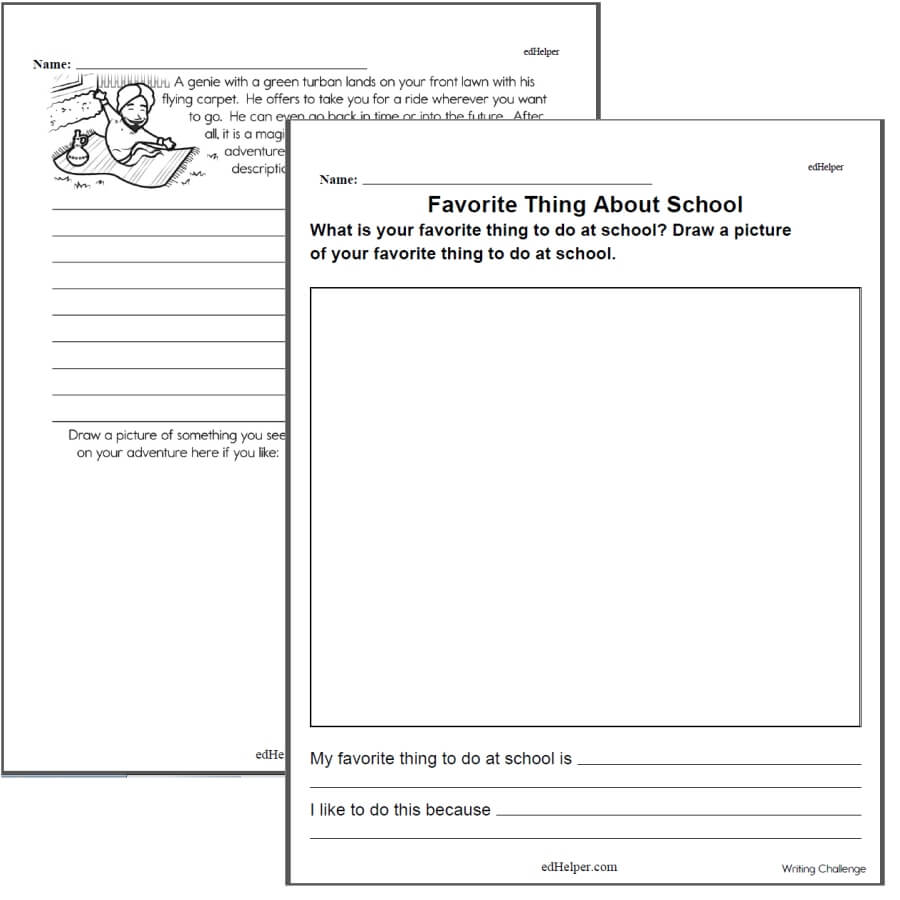
For this age, worksheet design matters as much as the skill. Large print helps new readers stay on track, and short directions reduce confusion. Picture cues give children something specific to describe, while word banks support spelling and vocabulary choices. Manageable writing space is also important because first graders write better when they are not overwhelmed by a crowded page. Simple layouts make it easier to focus on the description itself.
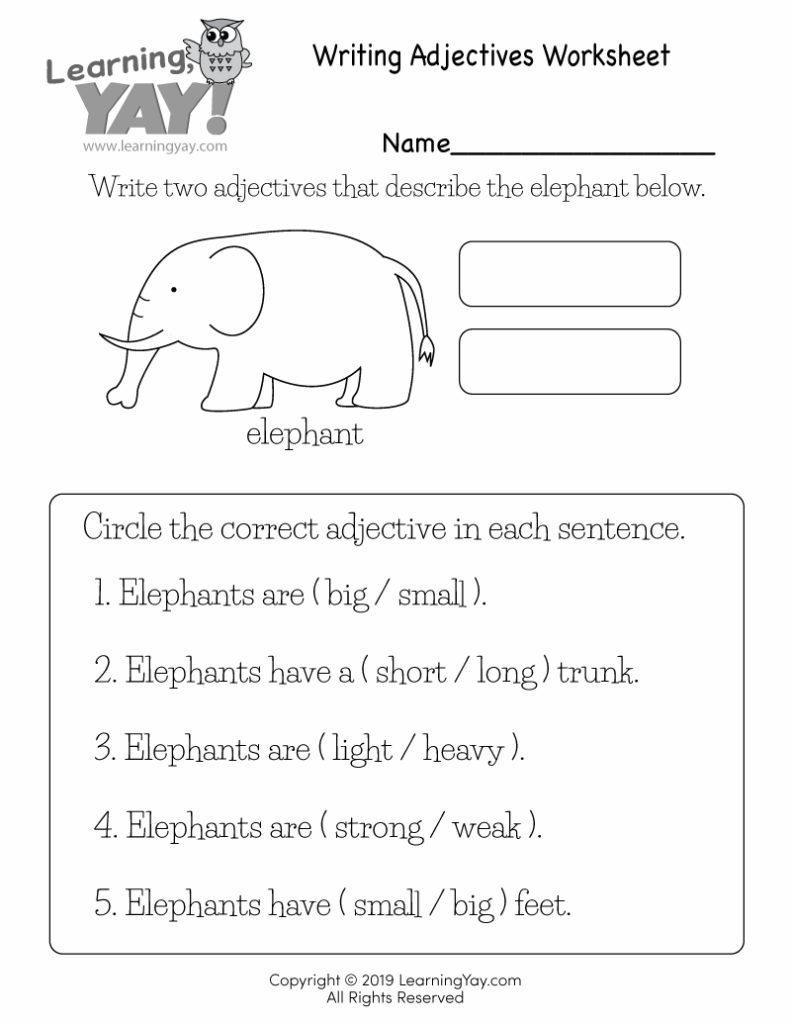
These worksheets work well in class or at home when adults model one example first. Read the picture together, point out a few details, and write a sample sentence aloud. Then guide the child through the next item with prompts such as “What color do you see?” or “What word describes it best?” After that, let the student finish independently. This gradual release helps first graders build confidence without losing support.
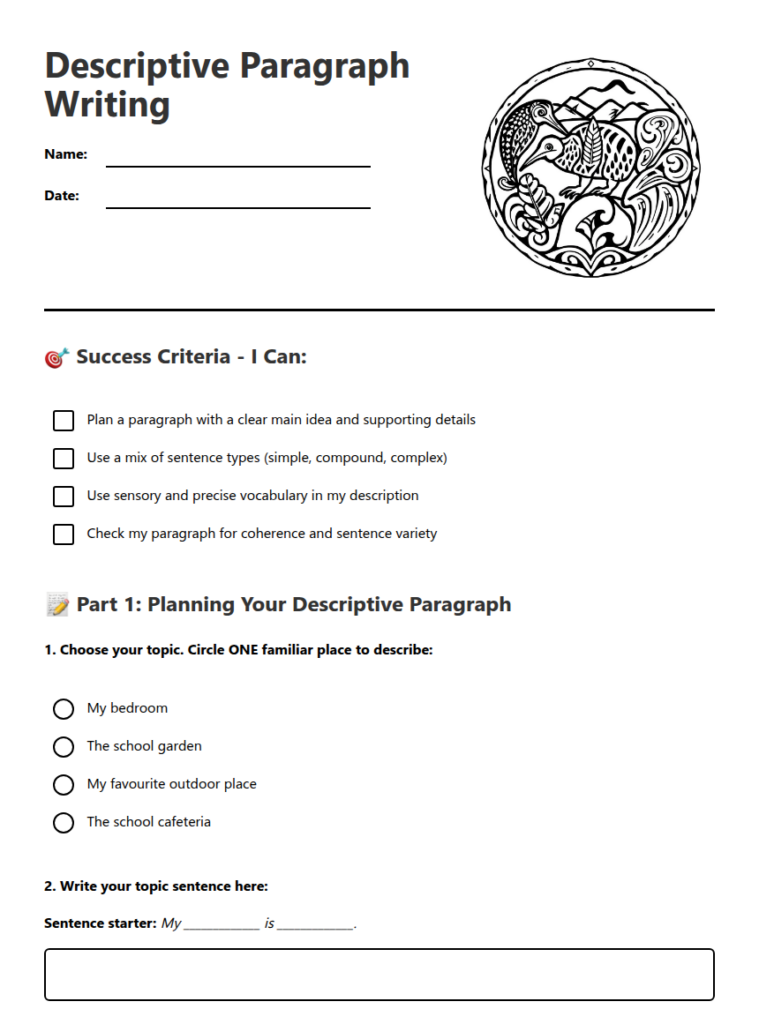
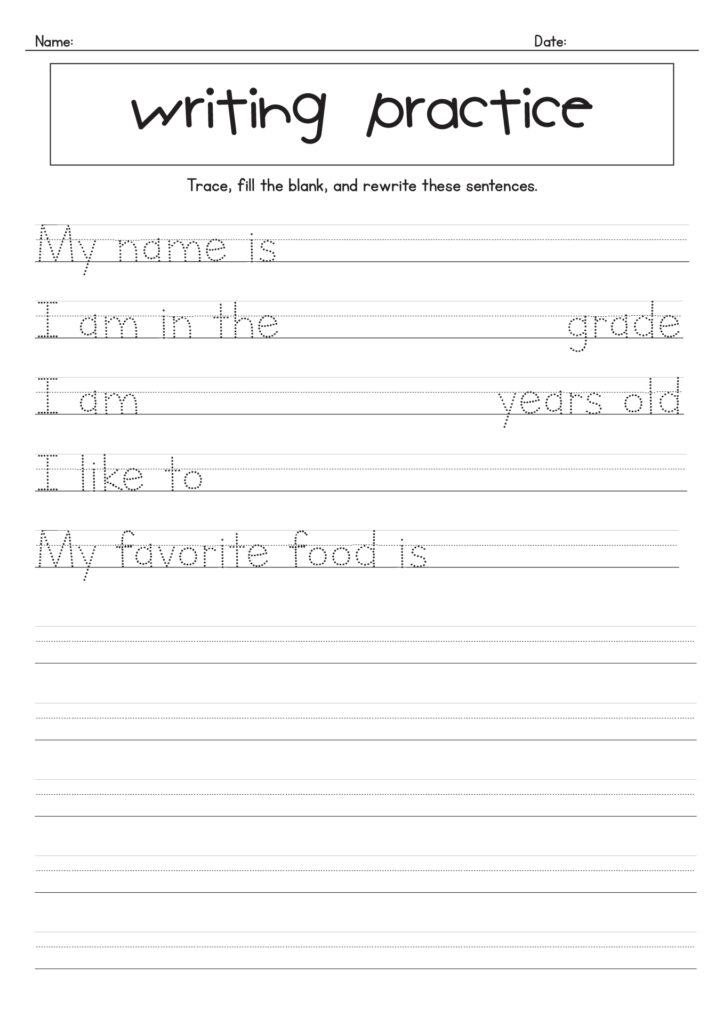
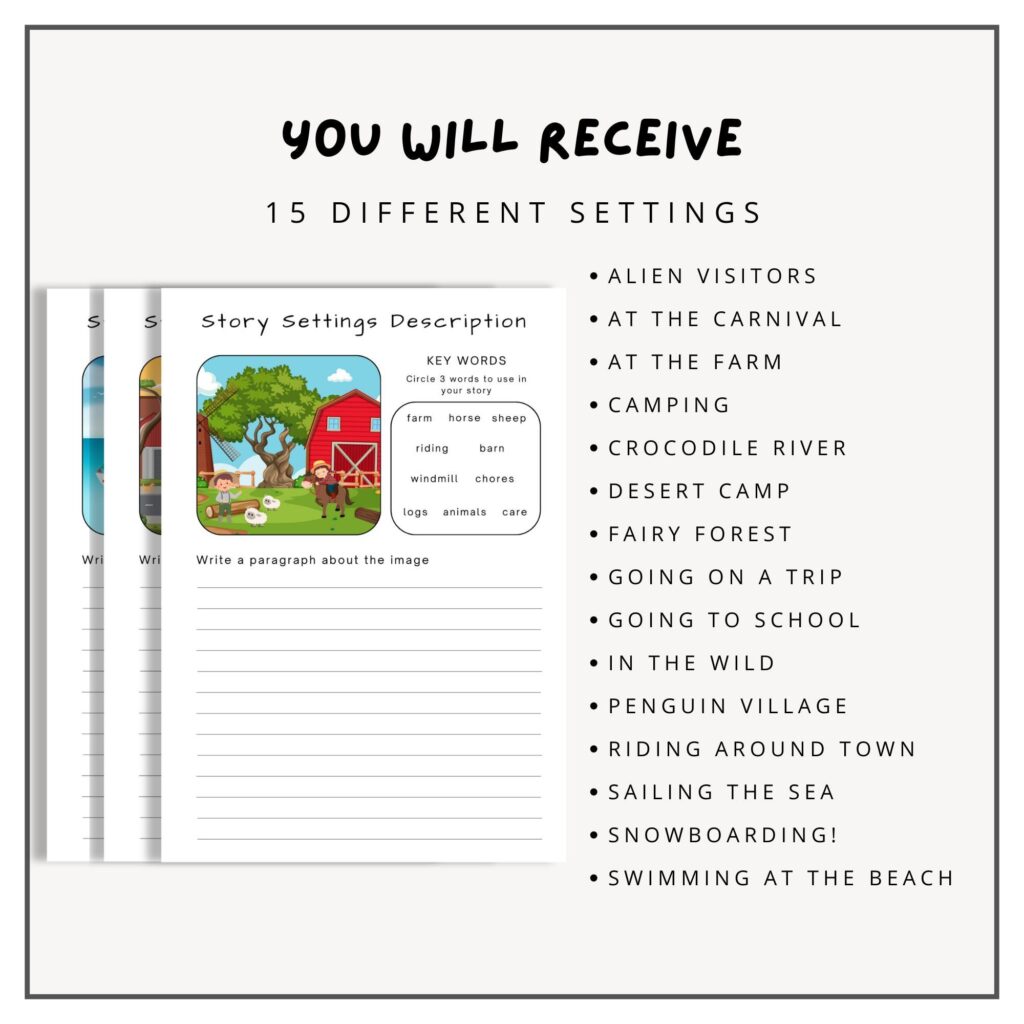
A good descriptive writing worksheet for first grade should feel short, clear, and successful. If a page asks children to observe, choose describing words, and write one or two simple sentences, it is doing its job well. Start with easy pictures and familiar topics, then use the worksheet as a quick practice routine. The best results come from repeated, gentle practice that helps young writers notice details and say more about what they see.