An environmental science intro plate tectonics worksheet should help beginners connect Earth’s moving surface to natural hazards, landforms, and changing environments. The best worksheets stay simple, visual, and concept-focused. They should introduce tectonic plates, show where plates meet, and explain how movement can shape mountains, earthquakes, volcanoes, and seafloor features without overwhelming students with advanced geology.
What It Should Teach
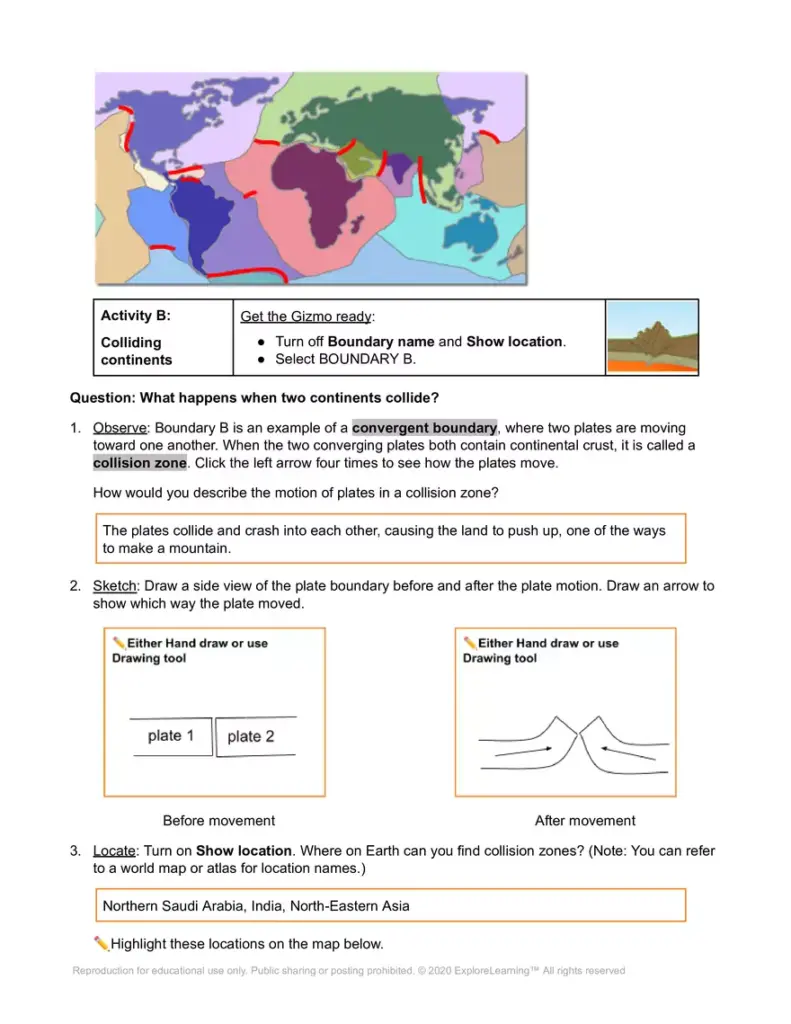
A strong introductory worksheet covers the basics of tectonic plates as large pieces of Earth’s lithosphere that move slowly over the mantle. It should identify the main plate boundary types, especially convergent, divergent, and transform boundaries, because those are the ideas students need first. For environmental science learners, the worksheet should also connect plate movement to Earth systems by showing how it affects the crust, landforms, hazards, and sometimes climate-related patterns through volcanic activity and changing landscapes.
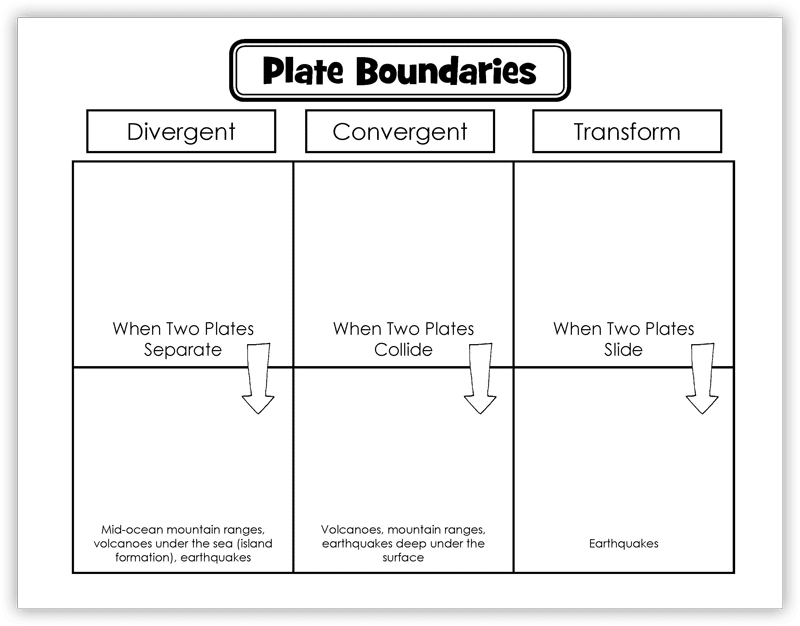
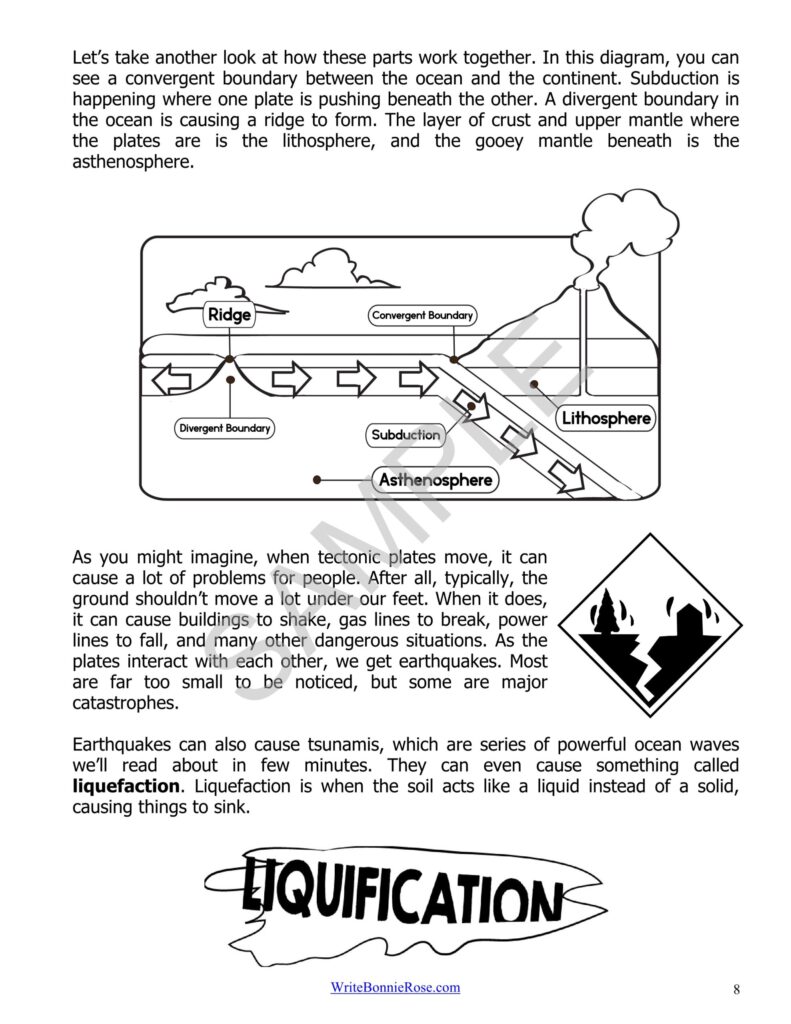
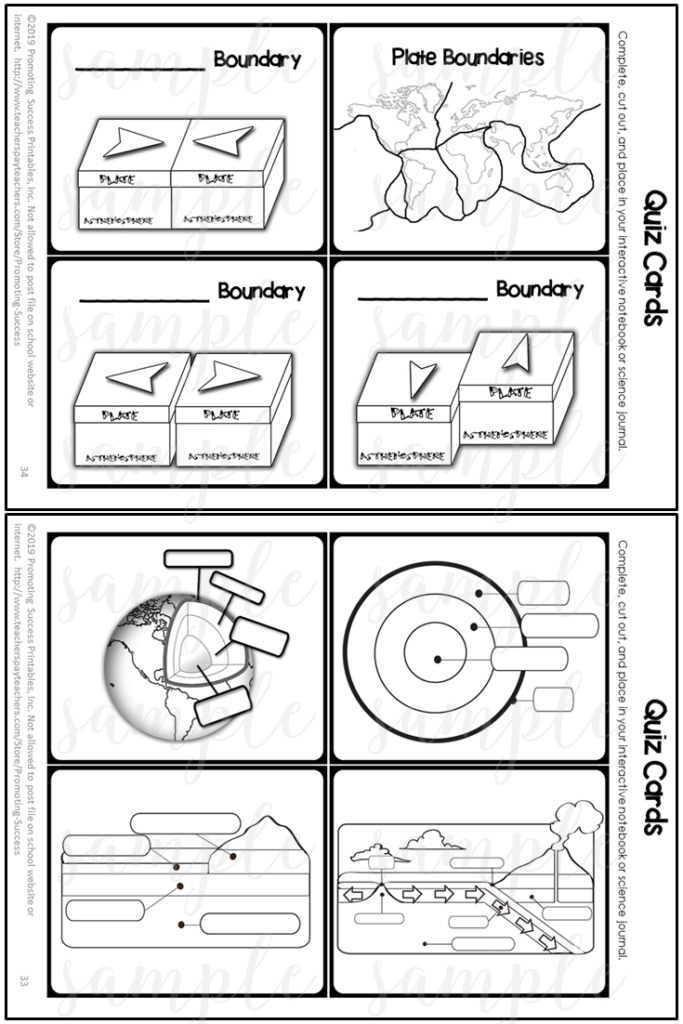
Useful worksheet tasks are usually simple and concrete. Labeling diagrams helps students name plates or boundary types, while matching activities can pair terms with definitions or Earth features. Short-answer questions work well when they ask students to explain, in one or two sentences, how plate movement can create mountains or earthquakes. A good intro worksheet may also include map-based identification or a basic cause-and-effect prompt, but it should not rely on long reading passages or multi-step analysis.
Fit and Prerequisites
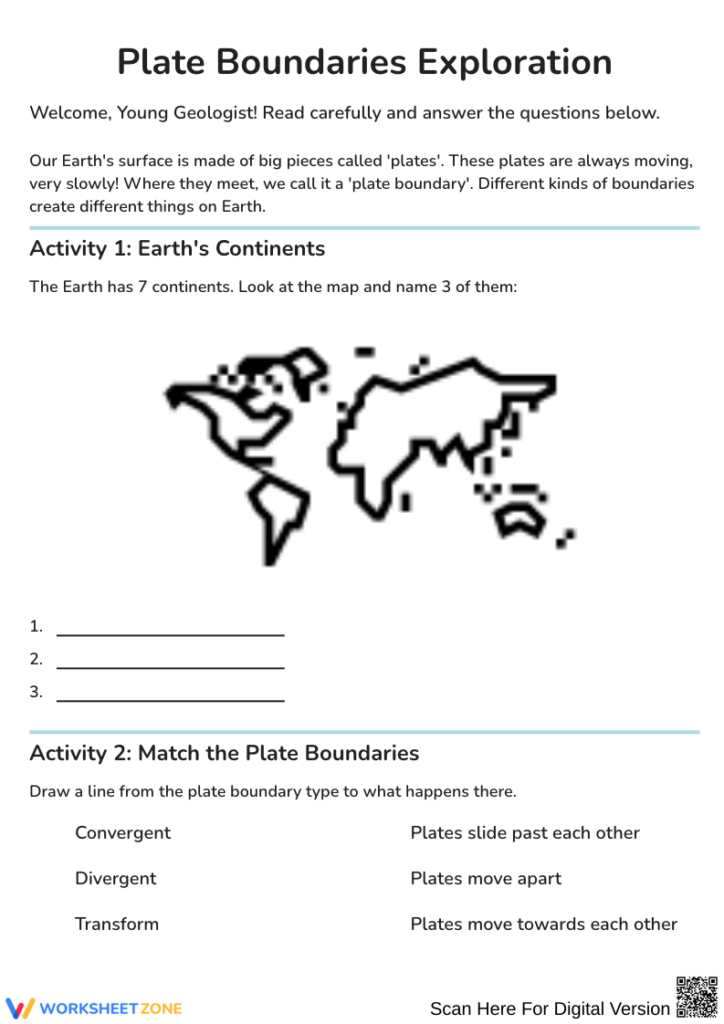
The worksheet fits best as an introductory resource when it uses familiar vocabulary, clear visuals, and limited new terms. Students should not need deep prior knowledge of geology to complete it, but they do need basic reading ability and comfort with simple diagrams. If the worksheet assumes terms like subduction, convection currents, or mantle dynamics without explanation, it is probably beyond a true intro level. For environmental science, the ideal grade-level fit is often middle school or early high school, depending on wording and task complexity.
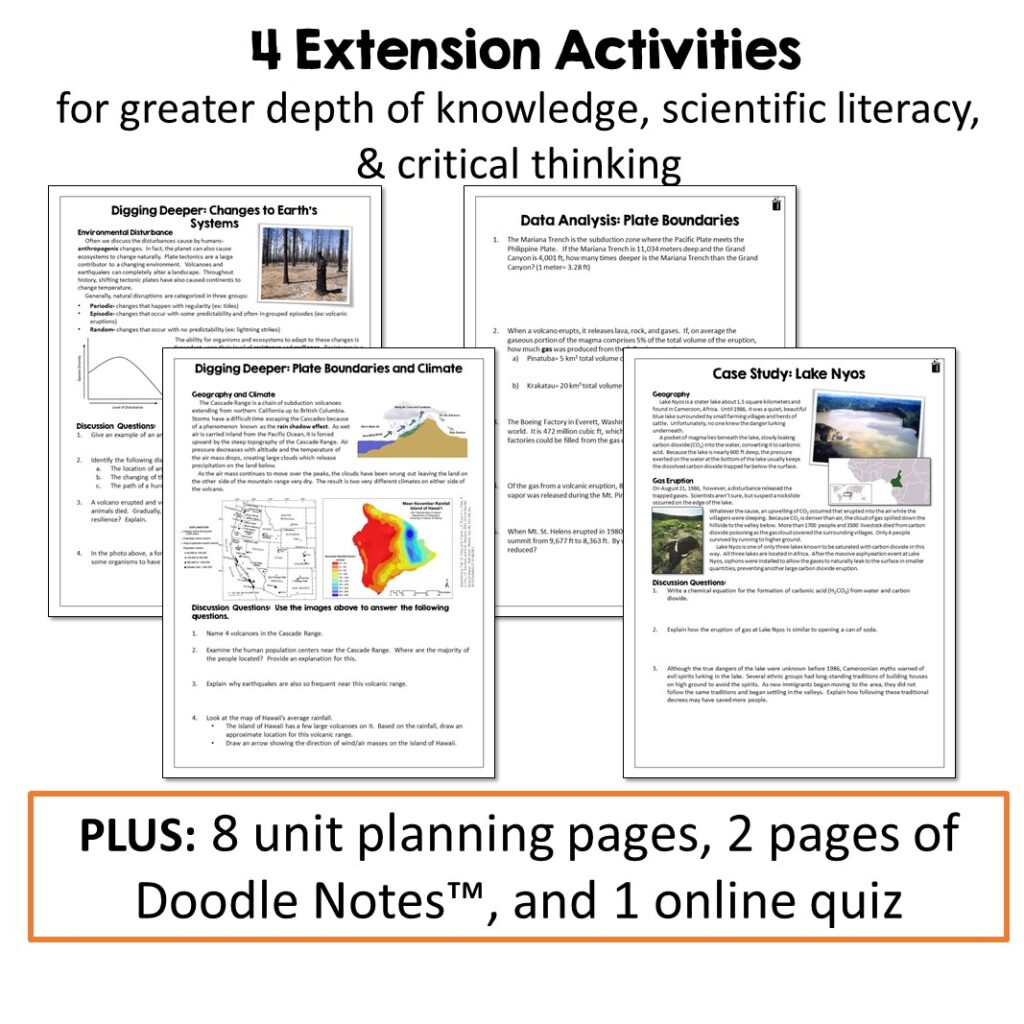
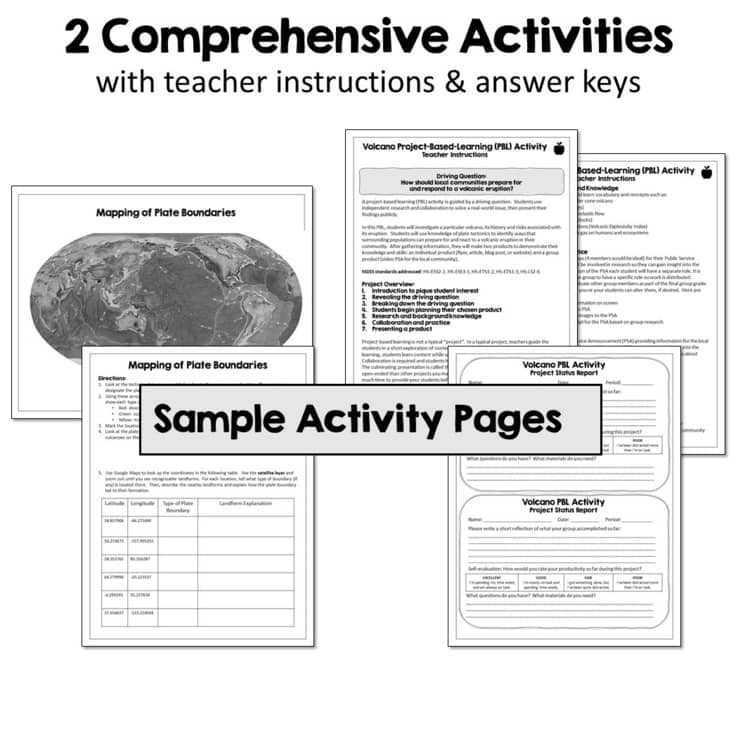
Before using the worksheet, check whether it focuses on the essentials rather than extra detail. It should answer three questions clearly: What are tectonic plates? Where do plates interact? How does movement affect Earth’s surface and environmental conditions? If those ideas are present and the activities stay straightforward, the worksheet is likely a good match for a basic introductory lesson. If it skips boundaries or asks for advanced explanations, it may need simplification before classroom use.