Gottman method worksheets are practical tools based on Gottman-inspired relationship concepts. They give couples a simple structure for talking, listening, and noticing patterns that affect closeness. Used well, they can support everyday communication, help reduce avoidable conflict, and make it easier to build friendship in the relationship. They are best viewed as guided exercises, not a cure-all.
Communication Tools
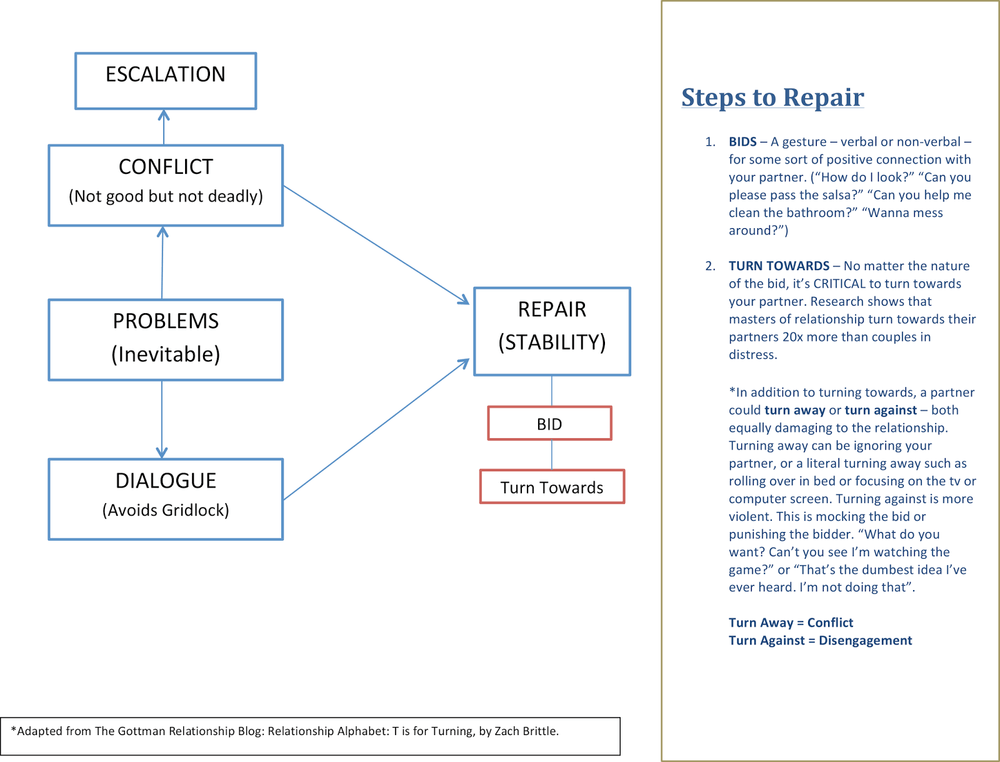
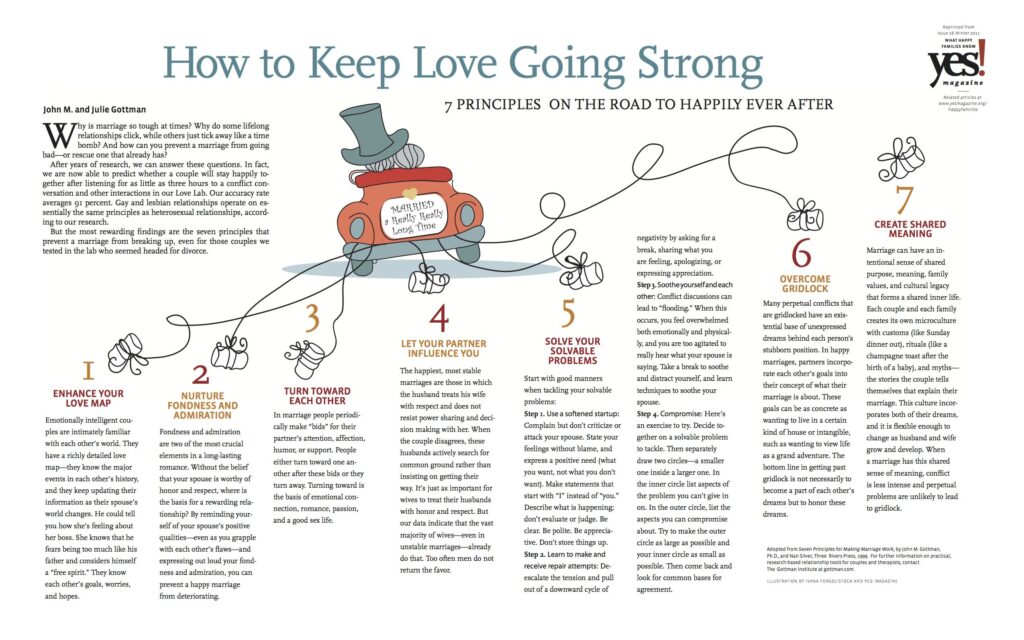
One of the main uses of gottman method worksheets is improving communication. Many worksheets prompt partners to slow down, name feelings clearly, and respond without interrupting or assuming. That structure can make difficult conversations more manageable. For example, a worksheet may guide each person to share a concern, reflect back what they heard, and identify a small next step. The value is in creating a calmer process, not in forcing agreement.
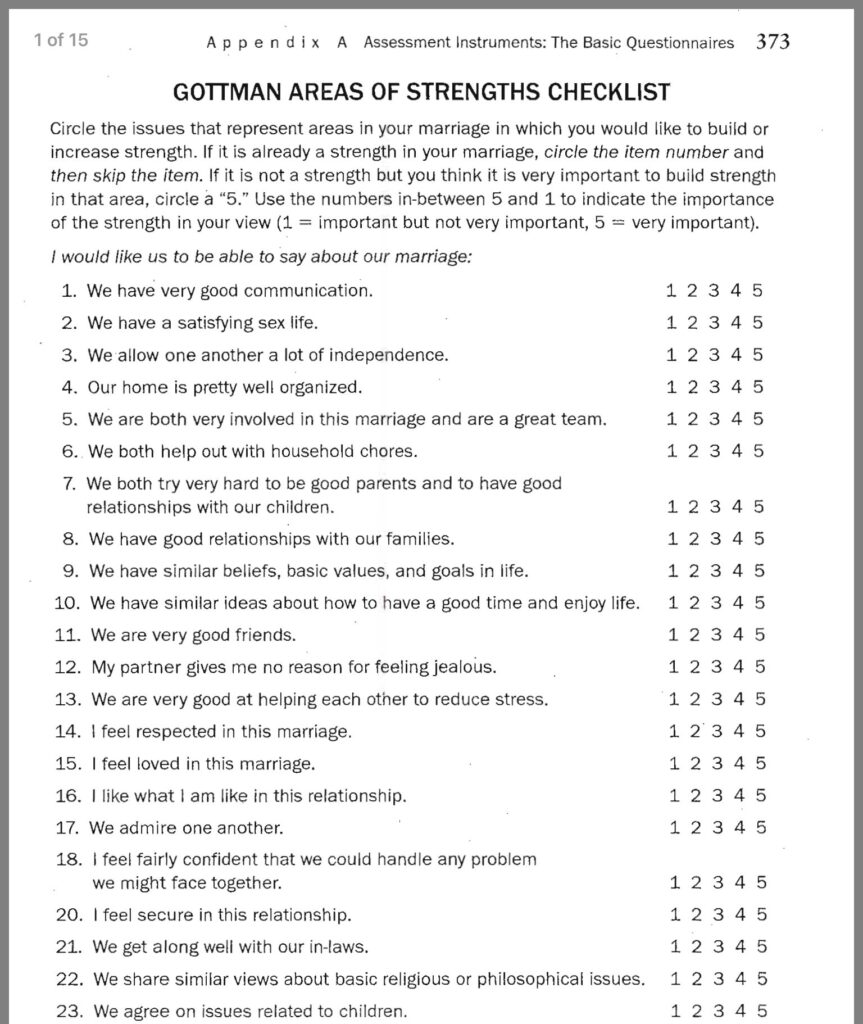
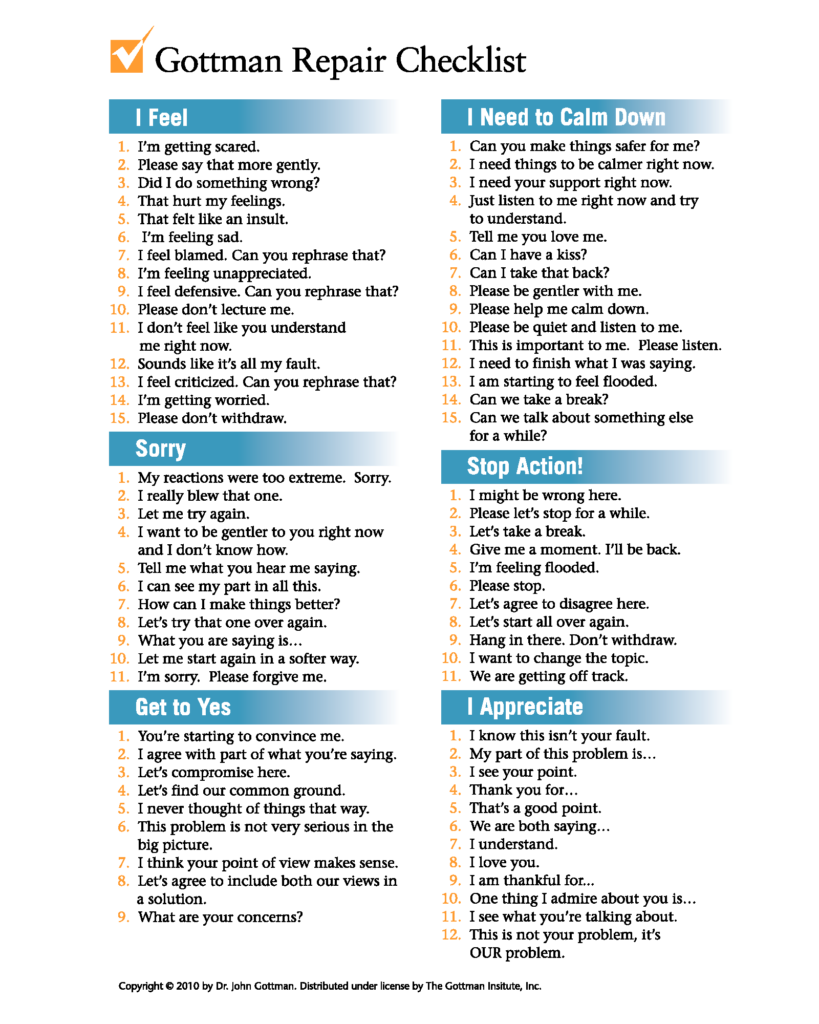
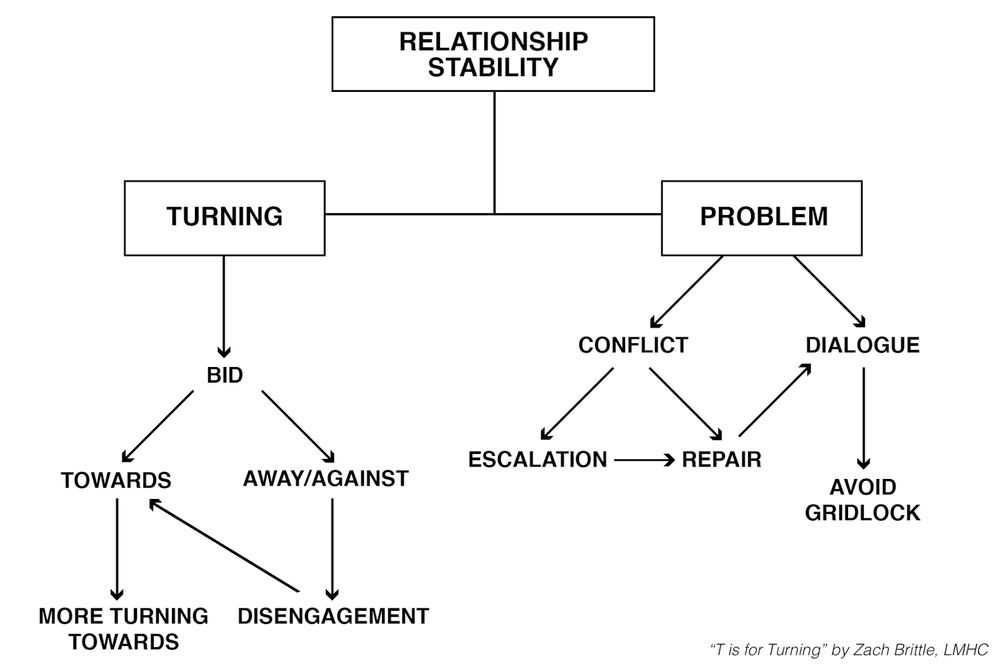
These worksheets can also help reduce conflict by making patterns visible. Instead of arguing in circles, couples can use written prompts to notice triggers, recurring complaints, or moments when conversations tend to escalate. That kind of self-awareness can make it easier to pause before reacting. Some worksheets also encourage repair attempts, which are small efforts to cool tension and keep a discussion from turning into a bigger fight.
Connection Builders
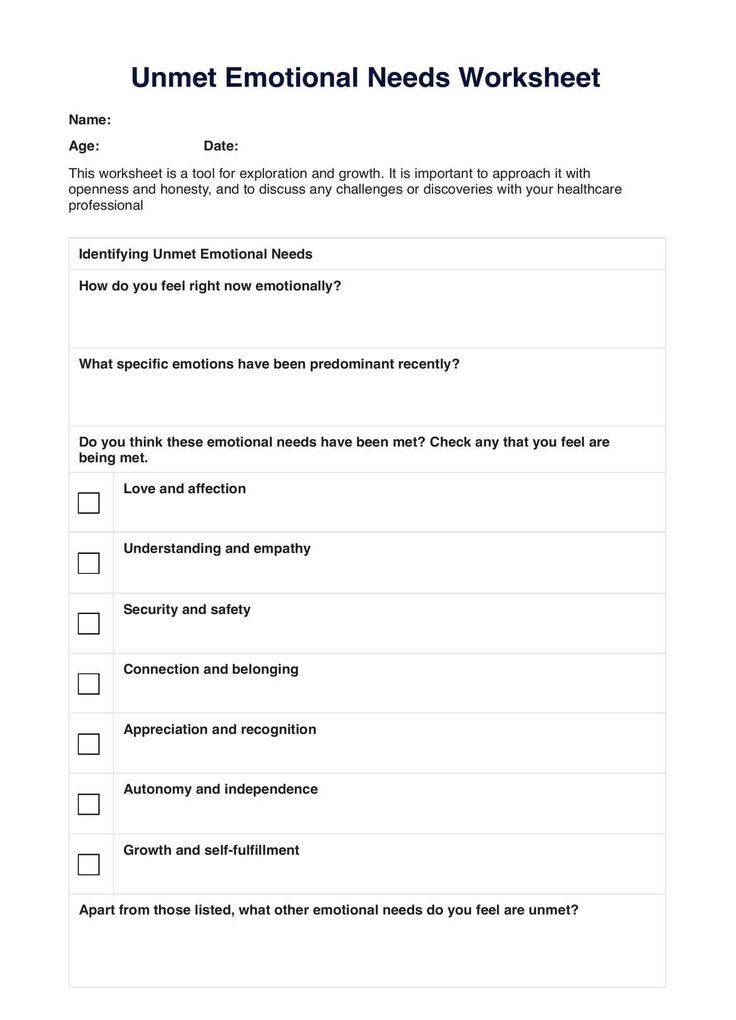
Another important use case is strengthening friendship and connection. Gottman method worksheets often focus on appreciation, shared values, and positive attention, which are key to feeling like teammates rather than opponents. A simple exercise might ask each partner to list what they admire about the other or describe activities that help them feel close. These prompts support everyday connection, especially when routines or stress have made the relationship feel flat.
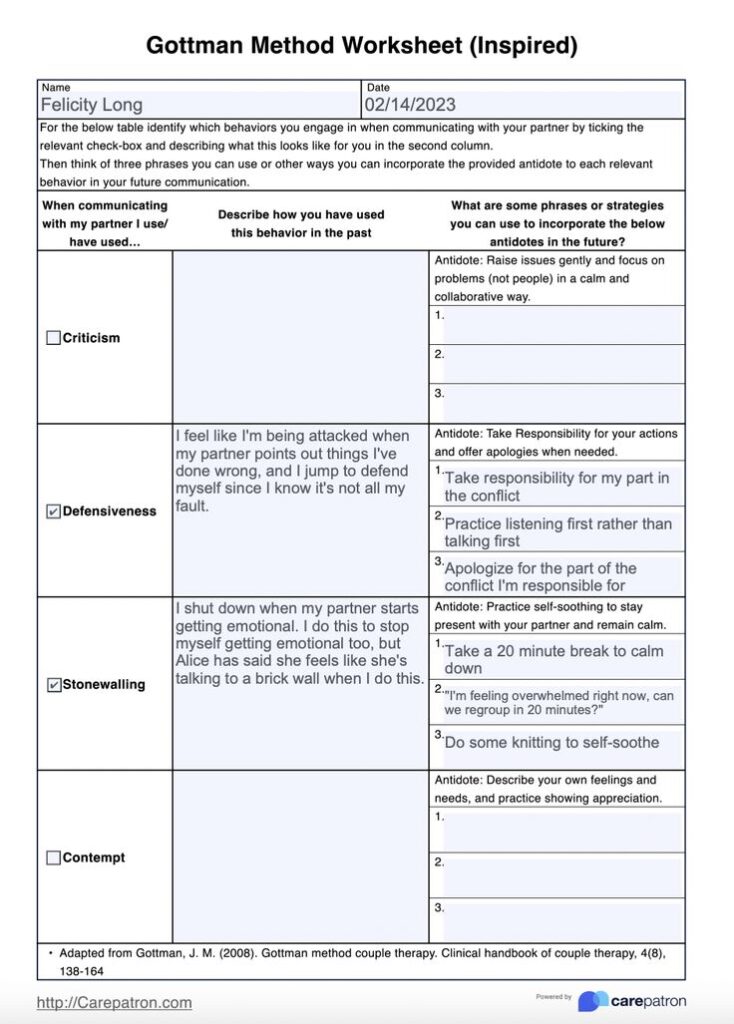
When choosing gottman method worksheets, look for ones that match your current goal: communication, conflict management, or connection-building. The best worksheets are clear, specific, and easy to use without turning into a long therapy program. Still, they have limits. If the relationship involves serious distress, repeated betrayal, abuse, or ongoing safety concerns, worksheets alone are not enough. In those cases, professional couples therapy is the more appropriate next step.