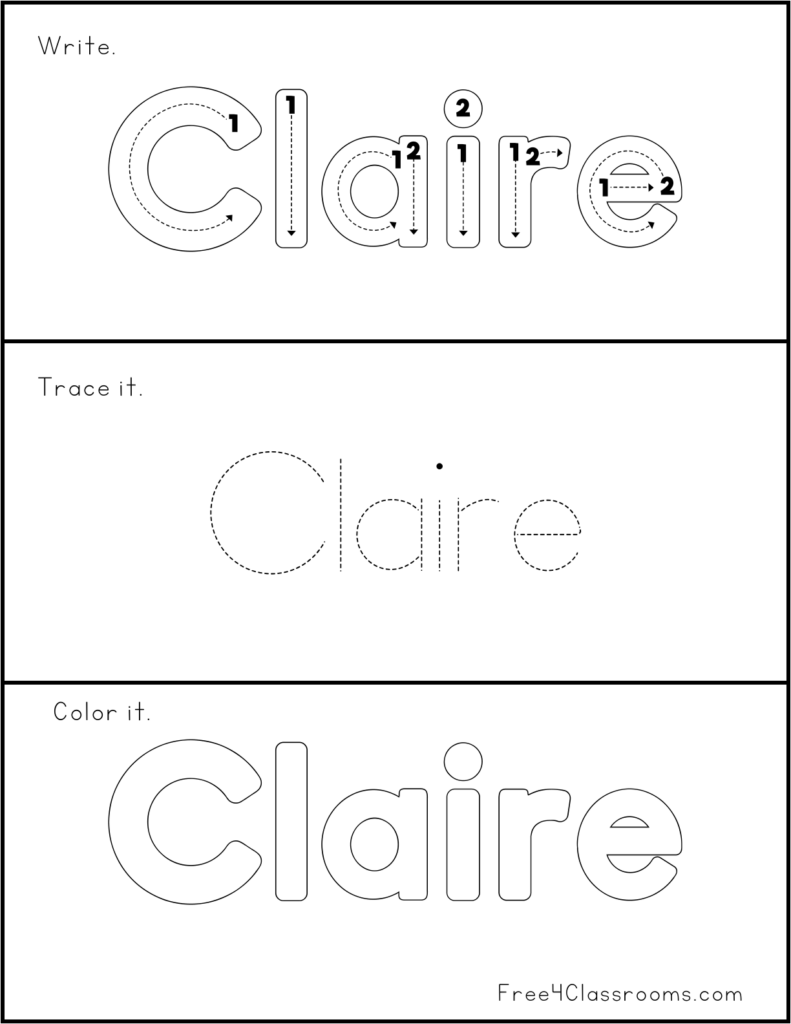
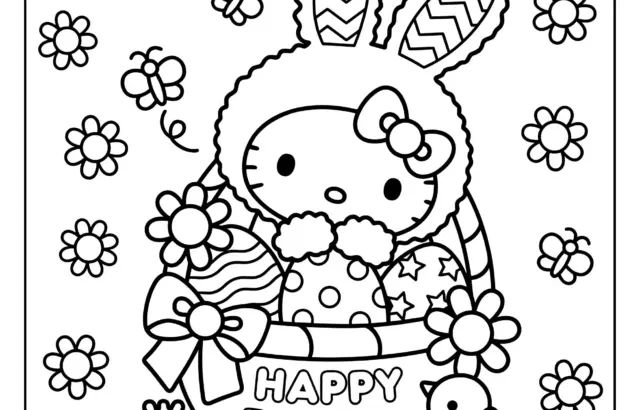
Preschool writing worksheets with coloring offer a simple path to early literacy through playful repetition. This brief compares two practical approaches and explains when each makes sense, with attention to how pages look, how much independence children can have, and how long a session might last. It also considers finishing a page and revisiting it later to extend meaning.
Two practical approaches
Approach A centers on structure and visual cues. The worksheets present simple letters or shapes with large, bold outlines that invite coloring in sections as a first step before tracing or writing. This reduces visual clutter, supports focus, and helps children connect color choices to form recognition. Independent coloring is encouraged, but the page design keeps adult prompts minimal, so a child can move at their own pace.
Time-wise, this approach fits shorter sessions that end with a neat, finished page that can be saved for later revisiting. When a page is revisited, the child may color a new detail on the same surface, compare it with the initial version, or use the finished image as a bridge to discuss letters or sounds. Materials are typically pencils or crayons and a single sheet that can be kept as a keepsake or used as a model for a new page, depending on the family or classroom routine. The emphasis is clarity and consistency in visual detail.
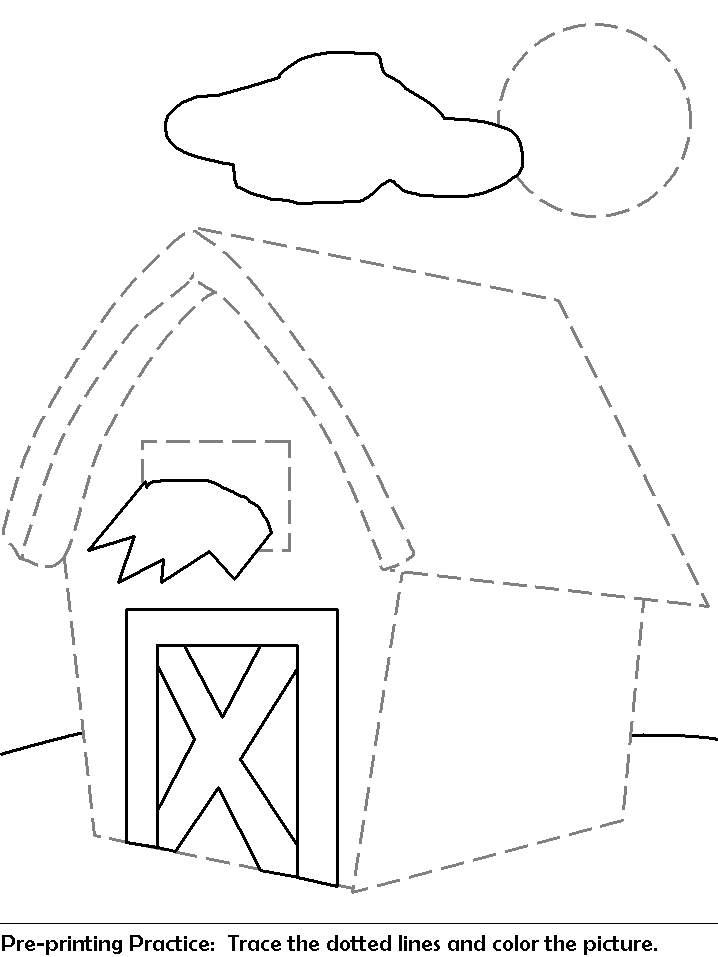
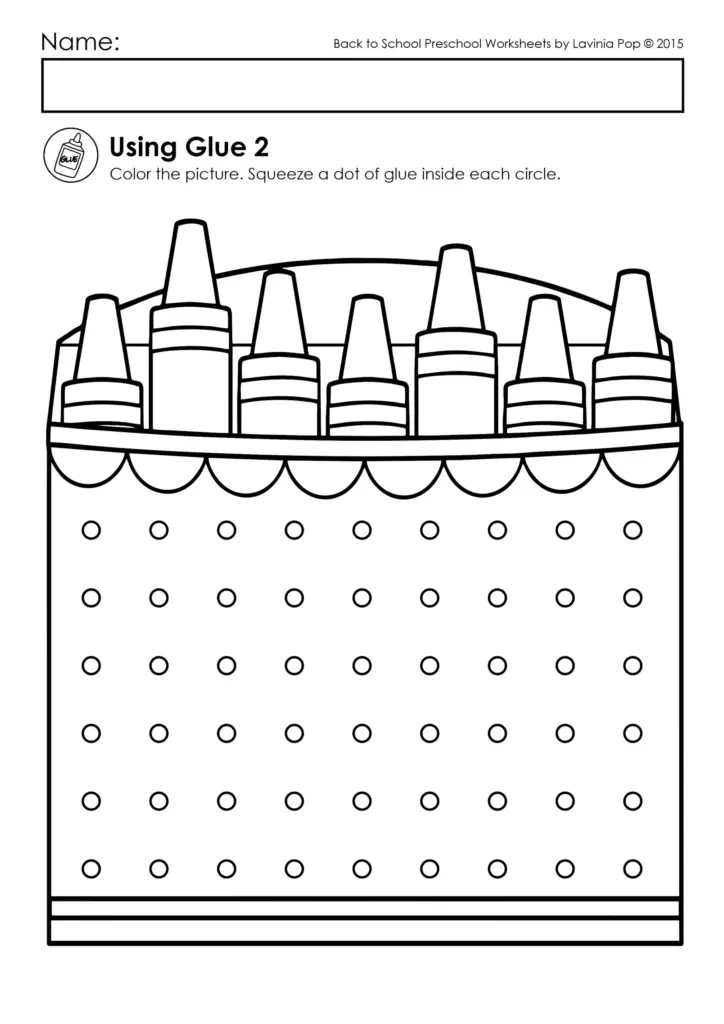
Color-first approach
Approach B uses color as the primary hook and then adds writing steps to build letters or words. The worksheets in this approach feature more open spaces for coloring, plus smaller visual prompts for letters as icons or starter shapes. The initial coloring phase invites choice, experimentation, and engagement with texture and color combinations, which can feel motivating to some children.
After coloring, adults or older peers provide light writing prompts, tracing guides, or sticker cues to scaffold letter formation and simple words. This approach can require longer sessions and more materials, such as extra page copies, tracing templates, or a few tactile tools. For child preference, some learners enjoy the opportunity to color first and then attempt writing with guidance, while others prefer starting with a line of writing and finishing with coloring as a reward.
Regardless of the order, the finished page can later be revisited for a fresh coloring layer or as a reference when introducing new letters or sounds. The emphasis is variety and scaffolding.
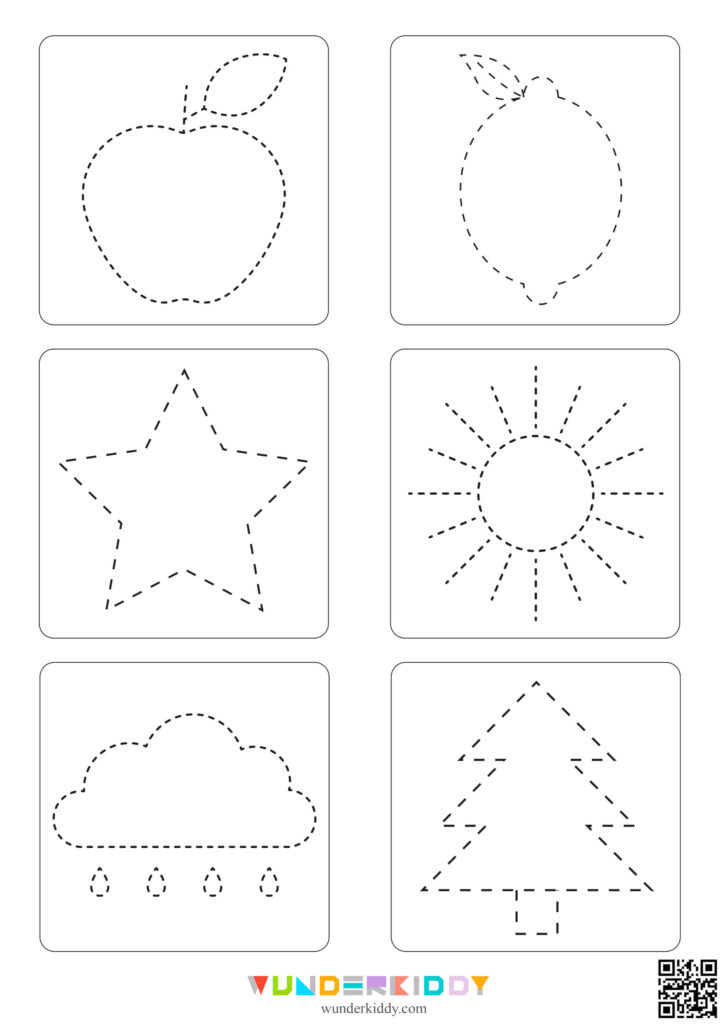
Choosing between the two approaches depends on the child's visual preference, stamina, and the classroom or home setting. If a child gravitates toward clear lines, strong color blocks, and quicker turnaround, Approach A may feel satisfying and help build confidence with letter or shape recognition before writing. If a child is motivated by color play, enjoys texture, or needs guided support to form letters, Approach B offers a natural bridge from coloring to writing.
In both cases, you can preserve some independence by letting the child select colors and decide when to pause, while reserving adult support for specific prompts, tracing, or modeling. Time management matters: short, repeatable sessions suit Approach A, while a longer, activity-rich session suits Approach B. Materials can be kept simple—crayons, pencils, and one or two extra templates—yet you may add stickers, stamps, or tactile tools if they align with the child's interests.
Finally, always honor preference: some children want to color alone, others want collaborative coloring with an adult or peer.
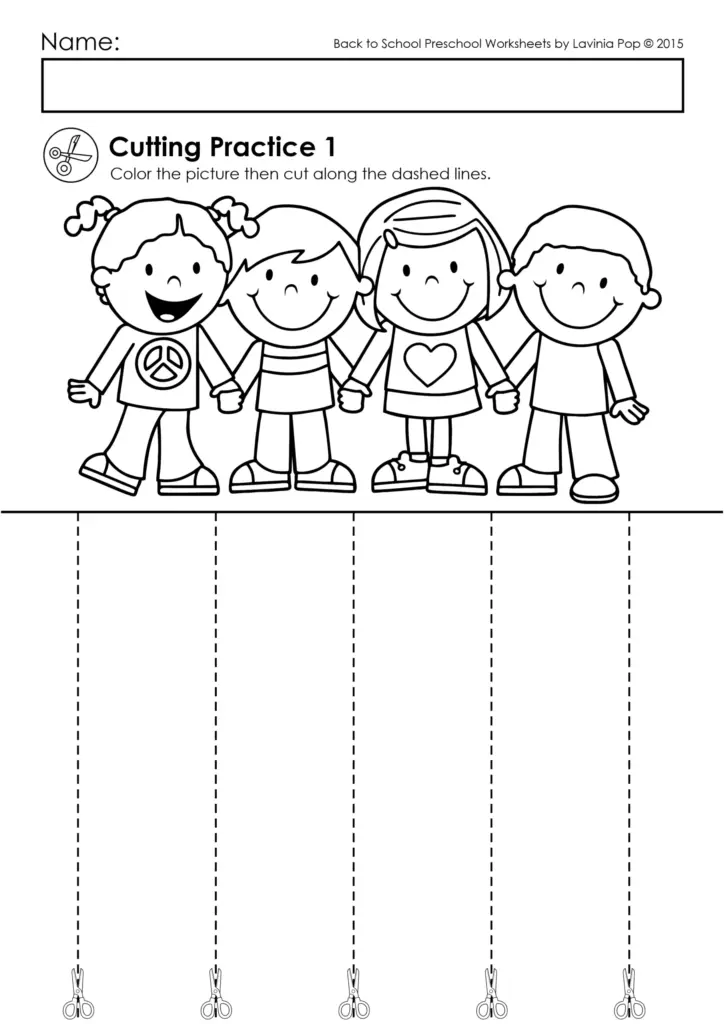
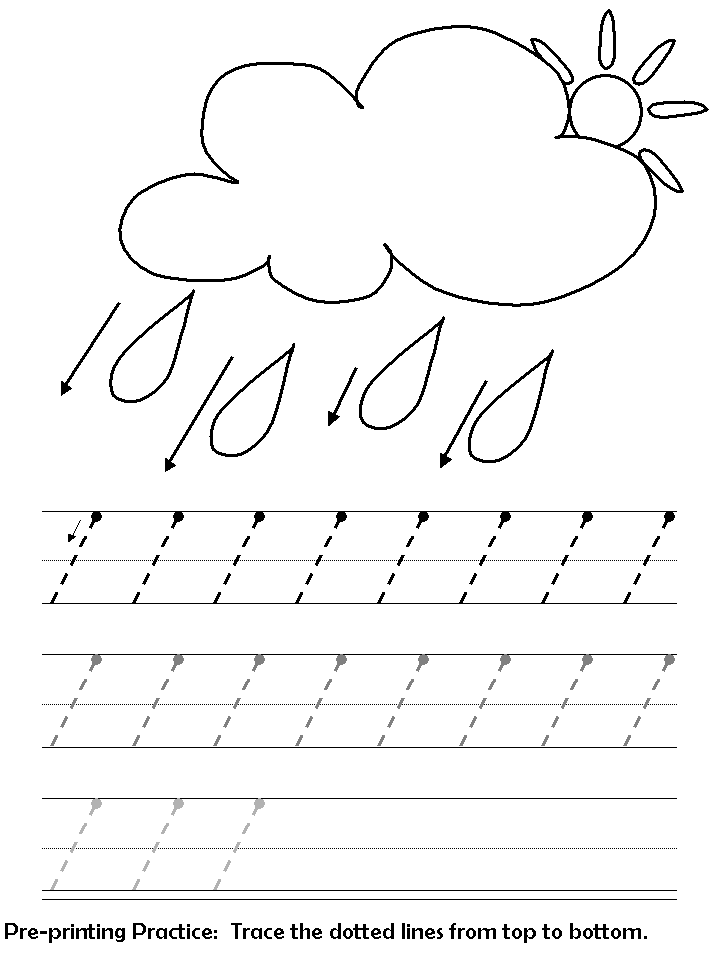
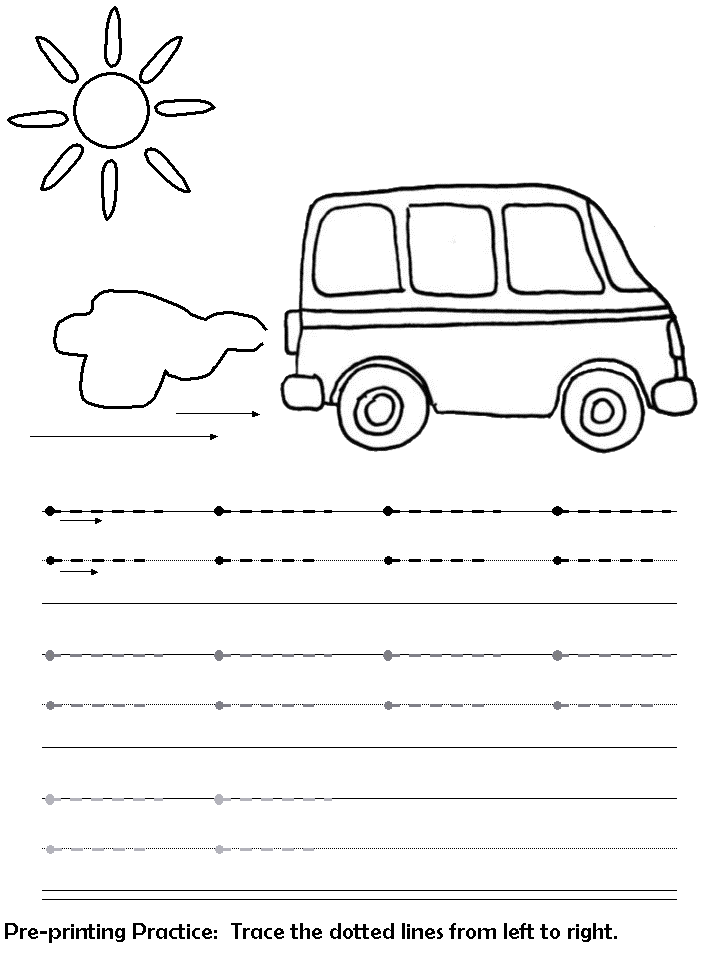
Ultimately, preschool writing worksheets with coloring are most effective when they acknowledge both independence and support. Start by selecting a structure that aligns with the child's current comfort with writing and with their interest in color. A finished page can serve as a personal artifact to celebrate progress, and it can be a starting point for a brief revisiting activity, such as coloring a small detail again or tracing a letter from the image.
Alternatively, begin with a color-first activity and pair it with light writing prompts to scaffold new skills. The key is flexible timing and a light hand with expectations so the activity remains enjoyable rather than frustrating. Keep materials simple and easy to rotate, and offer both quiet time for independent coloring and a short, adult-supported session when needed. When used thoughtfully, preschool writing worksheets with coloring can support early literacy, fine motor growth, and a sense of ownership over finished pages.