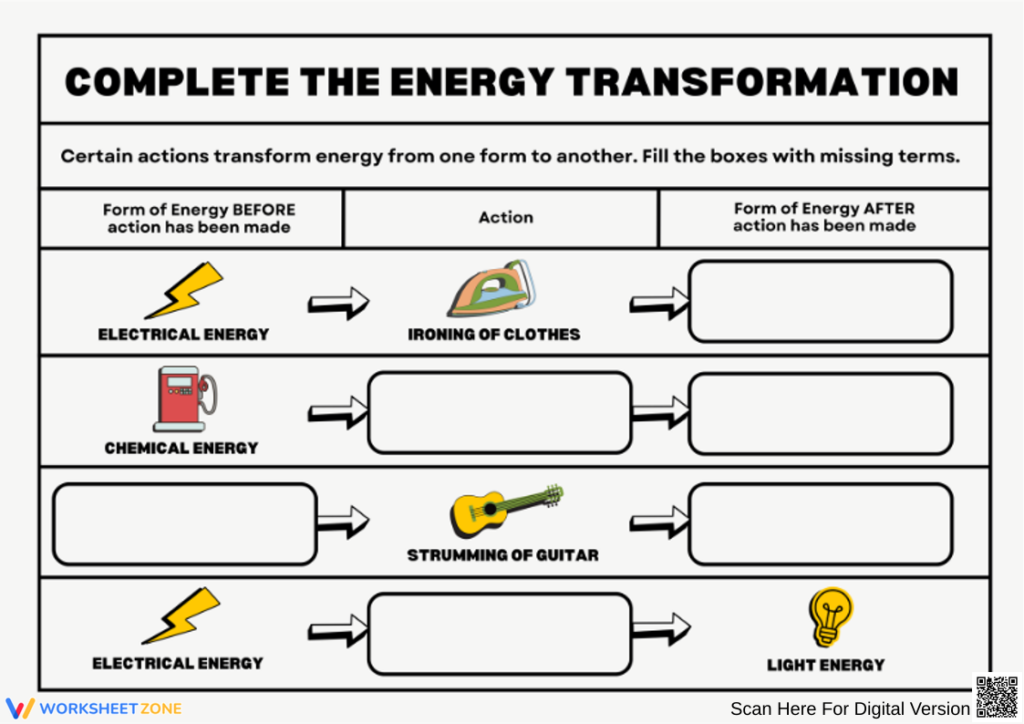
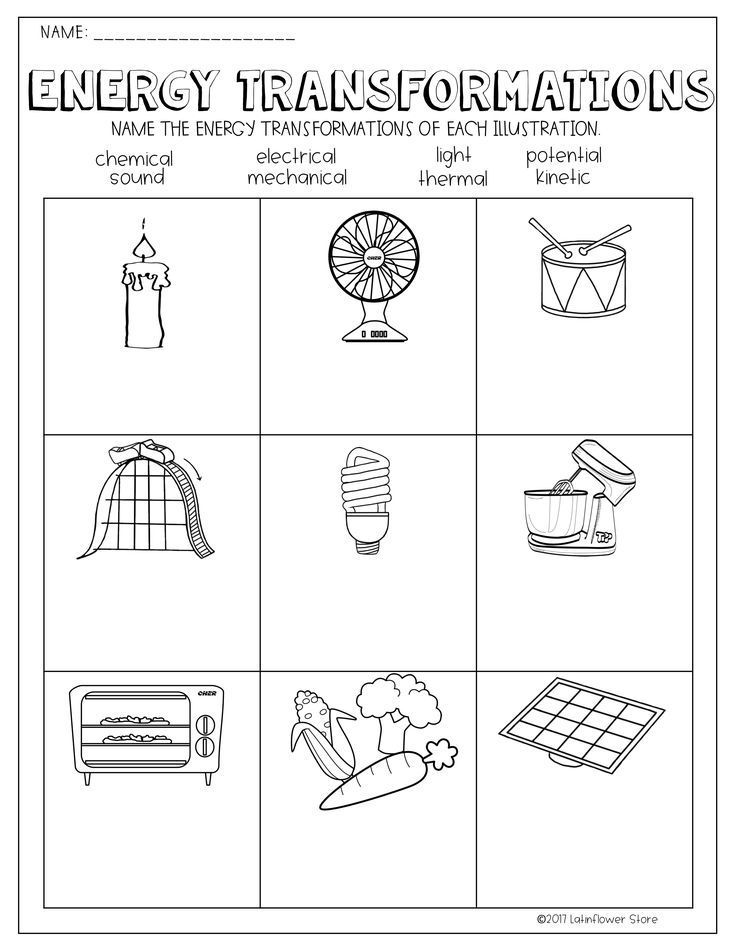
An energy conversion worksheet helps learners practice a basic idea: energy does not disappear, it changes form. In simple worksheet terms, students look at a situation, identify the starting energy, and name the ending energy after the change. This makes it easier to trace energy in everyday events like a flashlight, a toaster, or a moving bike.
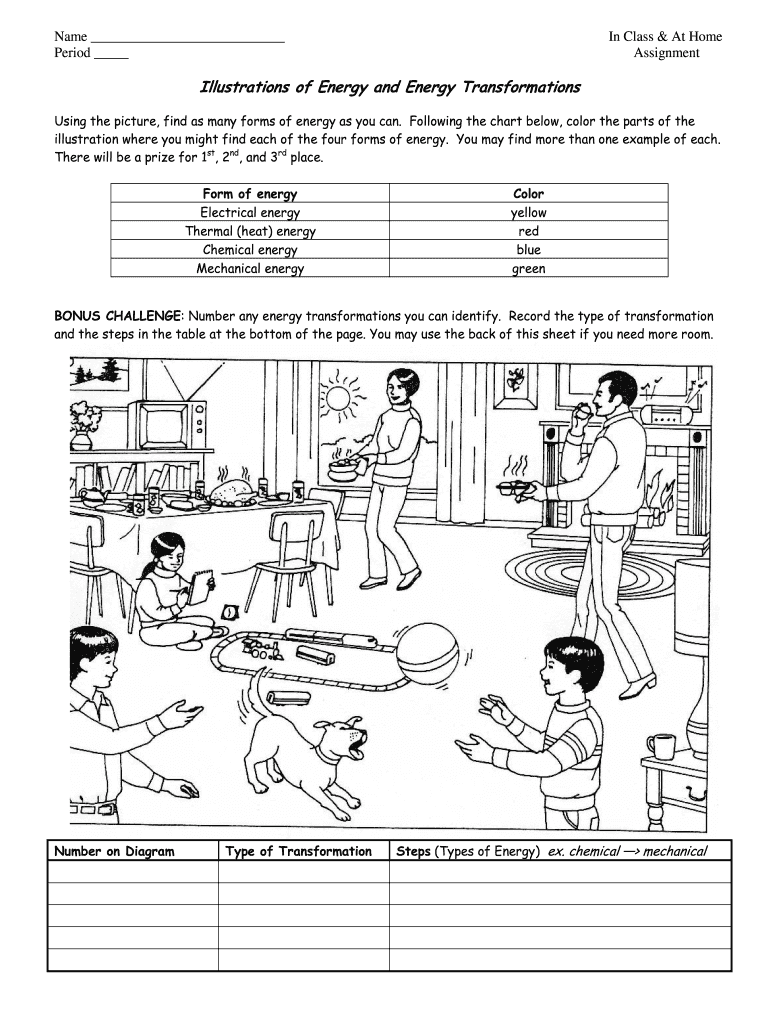
A good worksheet should use the common energy forms students meet first: mechanical, electrical, thermal, light, sound, and chemical. Mechanical energy is tied to motion or position, electrical energy comes from circuits or batteries, thermal energy is heat, light energy is what we see, sound energy is vibrations we hear, and chemical energy is stored in food, fuel, and batteries. Keeping the list small helps students focus on patterns instead of memorizing too many terms.
How to Read the Items
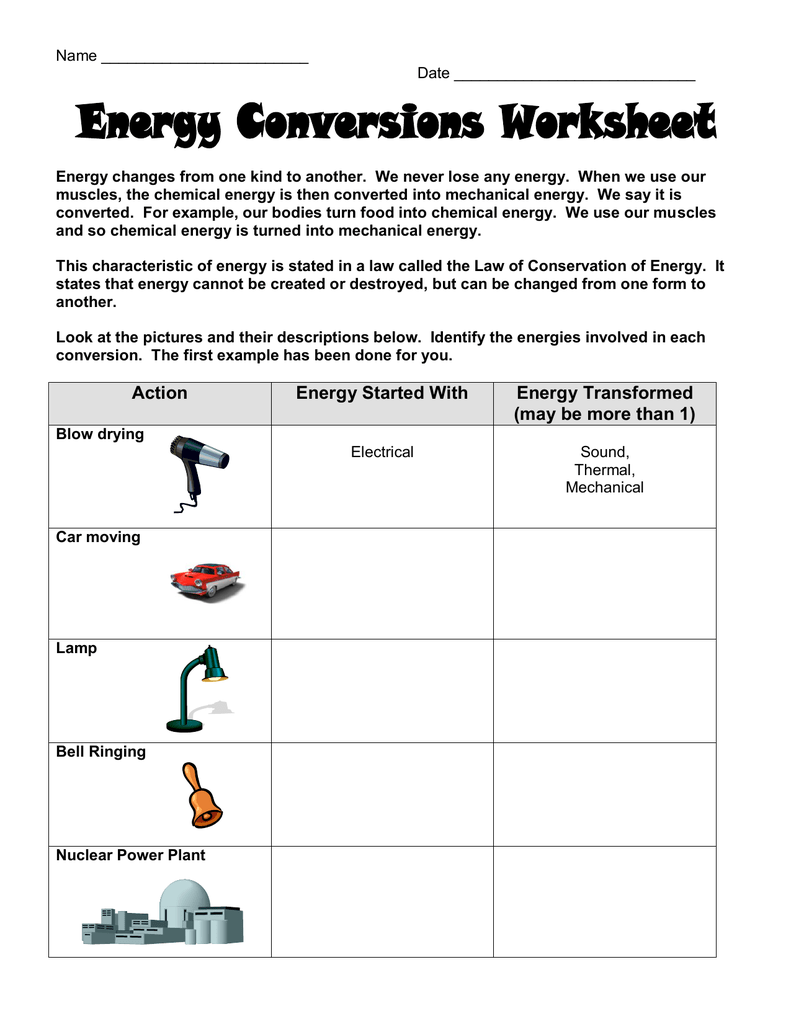
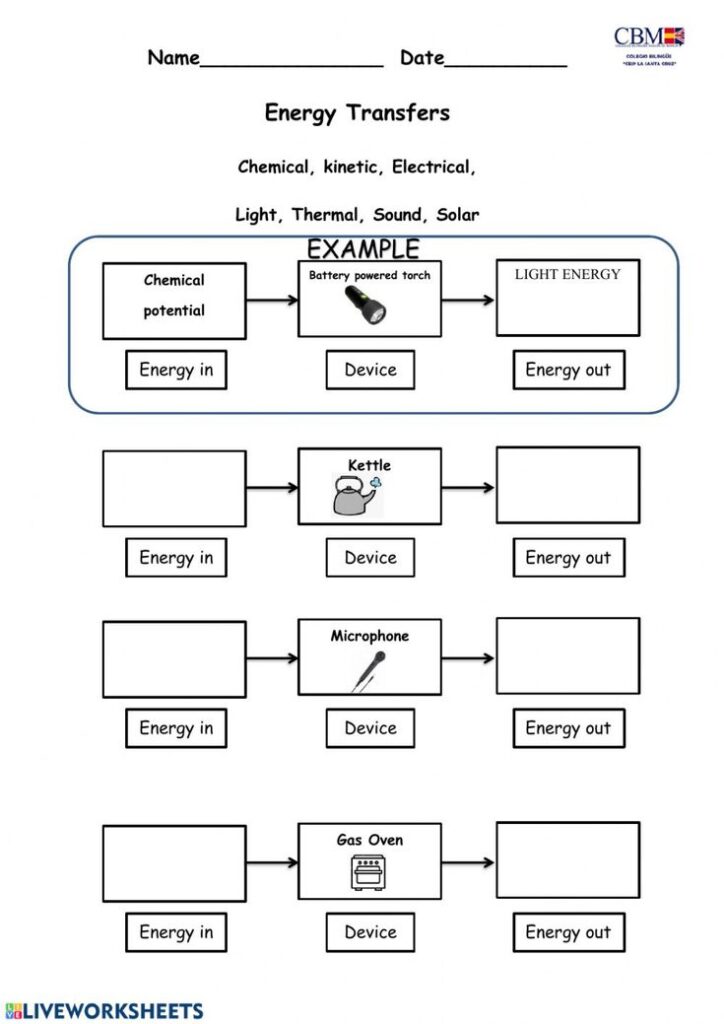
When completing an item, ask three questions: What energy starts the process? What energy comes out at the end? What changed in between? For example, a lamp uses electrical energy and changes it into light and thermal energy. A person pedaling a bicycle uses chemical energy from food, which becomes mechanical energy for motion. Some worksheet questions may ask for one final form, while others expect more than one output. The wording of the prompt usually shows which level of detail is needed.
Teacher Key Tips
If the worksheet includes an answer key, it should match the exact wording used on the page. For simple practice, accept common equivalents such as “electricity” for electrical energy or “heat” for thermal energy if the directions allow plain language. A clear key can also note when more than one answer is reasonable, especially for examples that produce both light and thermal energy. This keeps grading consistent and helps students understand that real energy changes often have multiple results.
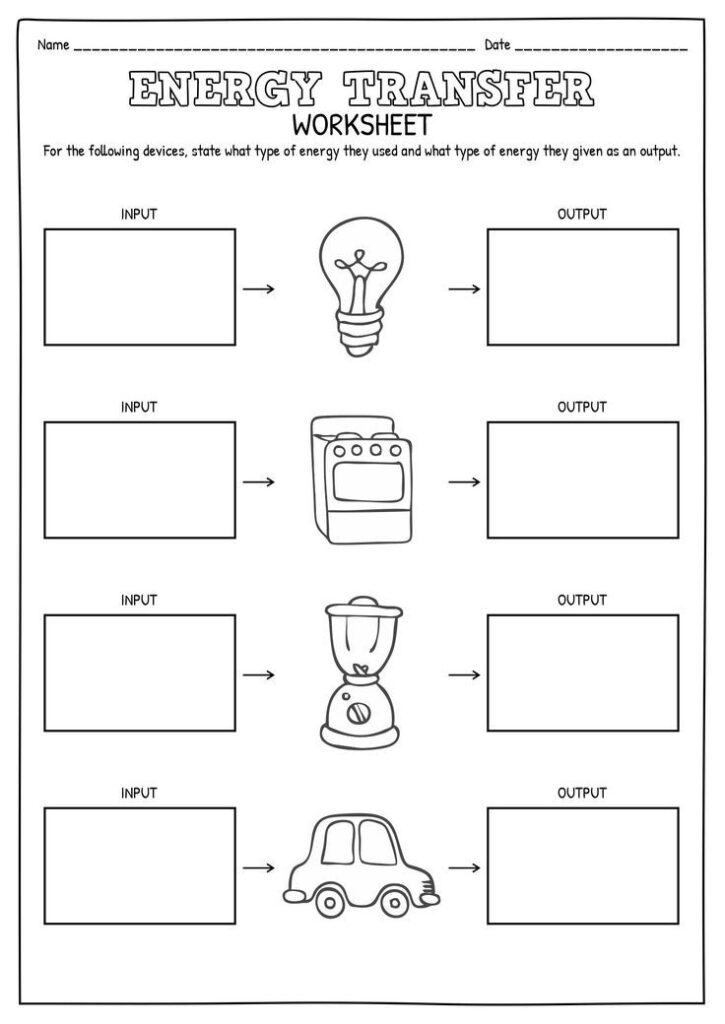
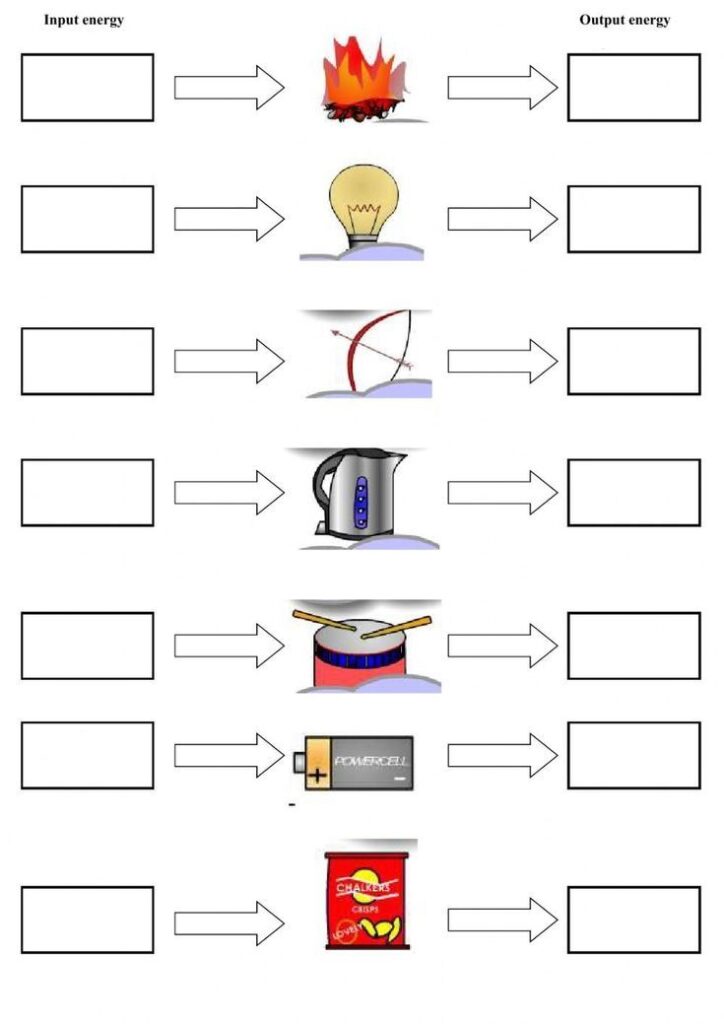
For best results, use the worksheet as short practice after introducing the terms. Students can work individually, then check answers with a partner or as a class to explain why each conversion makes sense. If a learner gets stuck, have them circle the source of energy first and underline the output energy second. That simple routine builds confidence and makes energy conversion easier to trace in new examples.