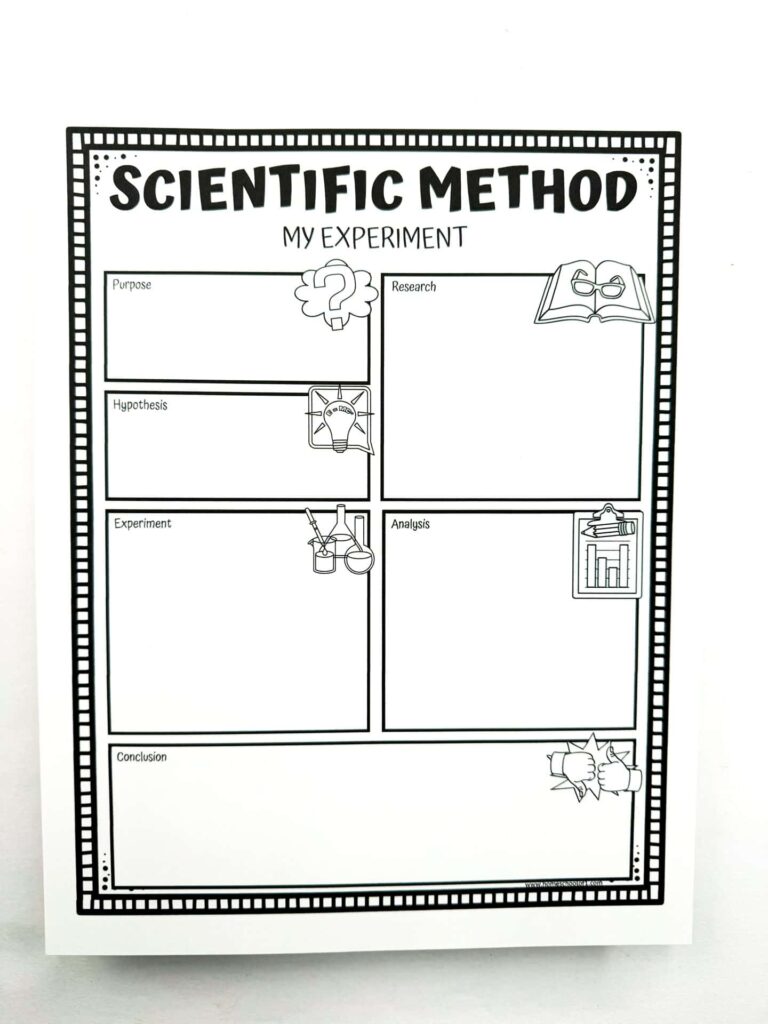
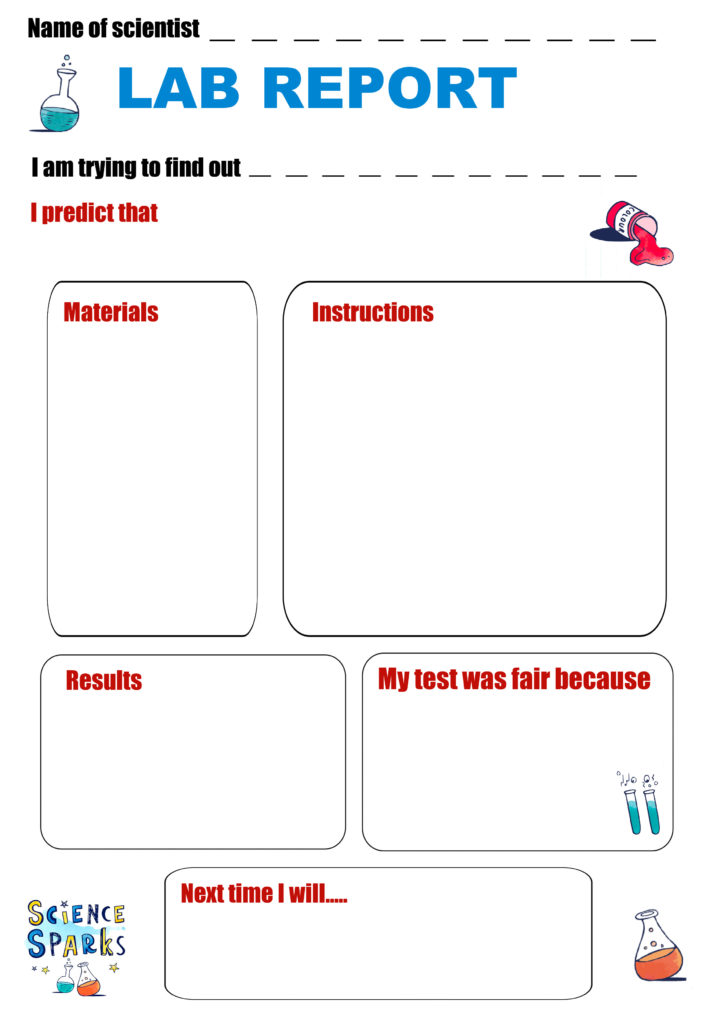
Science worksheets for young scientists work best when they feel inviting, simple, and hands-on. For early learners, the goal is not dense facts but curiosity, confidence, and basic STEM habits. The most useful worksheets use clear directions, strong visuals, and short tasks that children can finish without getting overwhelmed. Good pages should help kids notice, compare, label, and talk about what they see.
Age-Friendly Worksheet Features
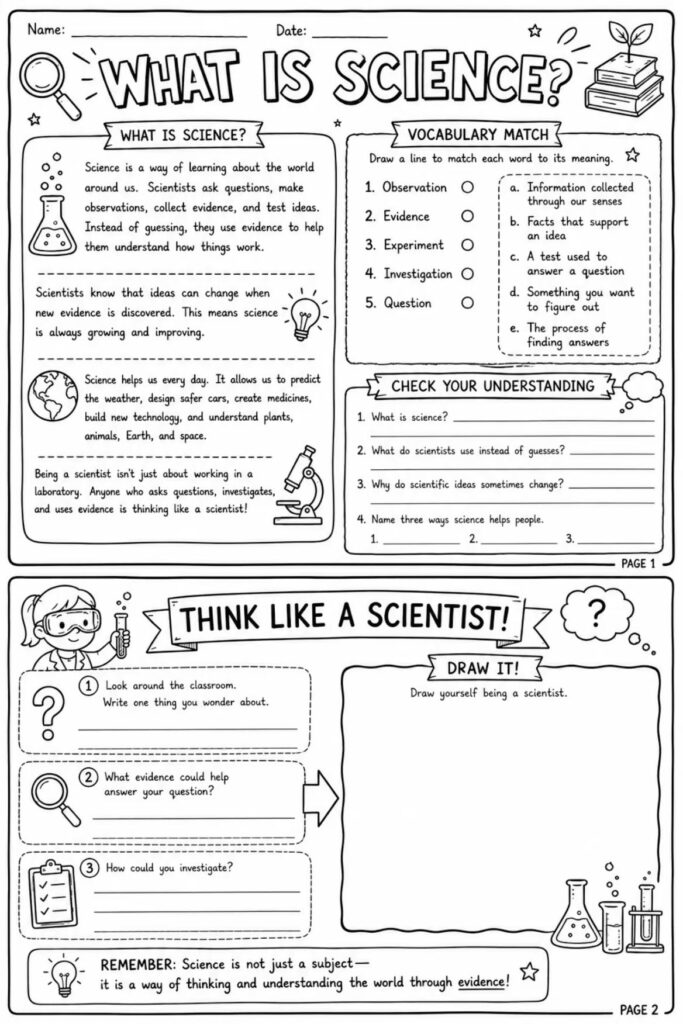
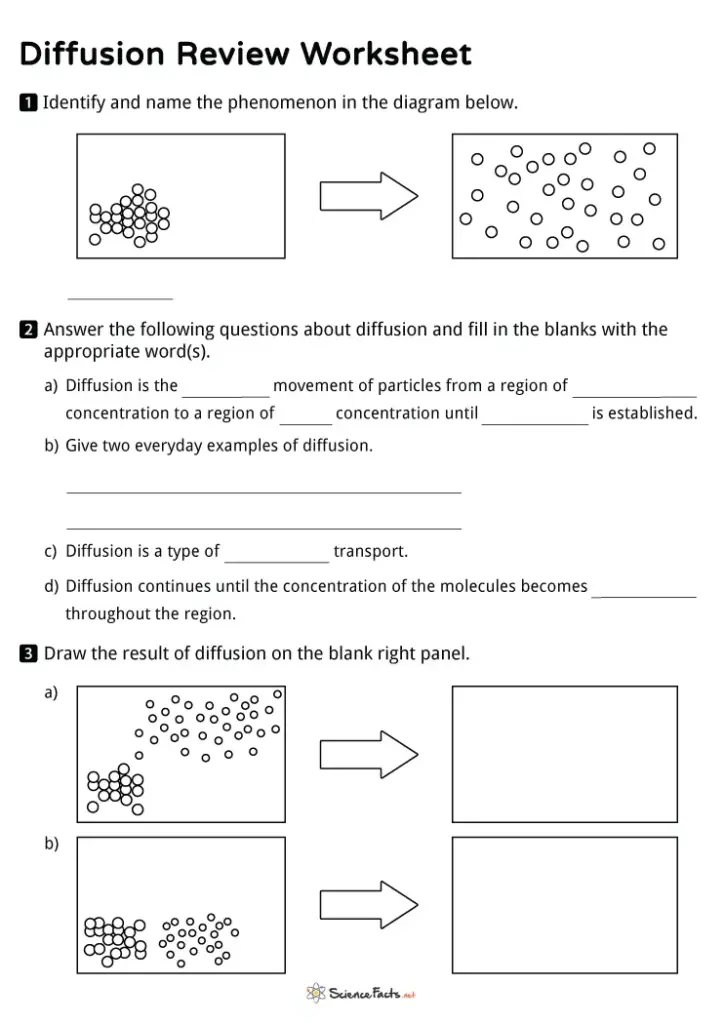
Effective worksheets for young children keep the focus on one skill at a time. Simple instructions, large text, and uncluttered layouts make it easier for children to follow along. Pictures should do real teaching, not just decoration, because early learners often understand science better when they can match words to images. Short activities also matter: tracing, circling, coloring, matching, or one-sentence responses are usually enough. The best worksheets feel manageable while still encouraging active thinking.
Core Science Topics
The most useful science worksheets for young scientists cover topics children can observe in everyday life. Animals and plants are strong choices because kids can compare body parts, habitats, and life cycles. Weather worksheets help children notice clouds, rain, wind, and seasons. Sense-based activities build observation skills by asking what children can hear, smell, touch, see, or taste safely. Basic experiment pages can introduce simple cause and effect, like what happens when objects are mixed, moved, or changed.
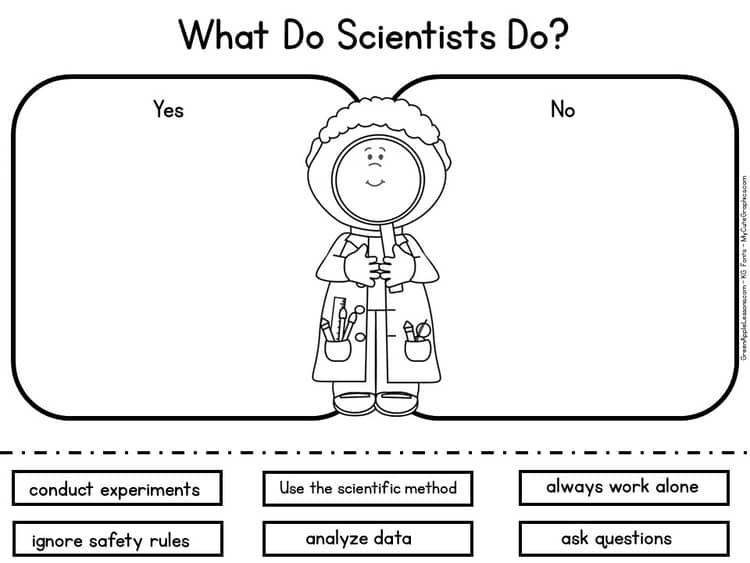
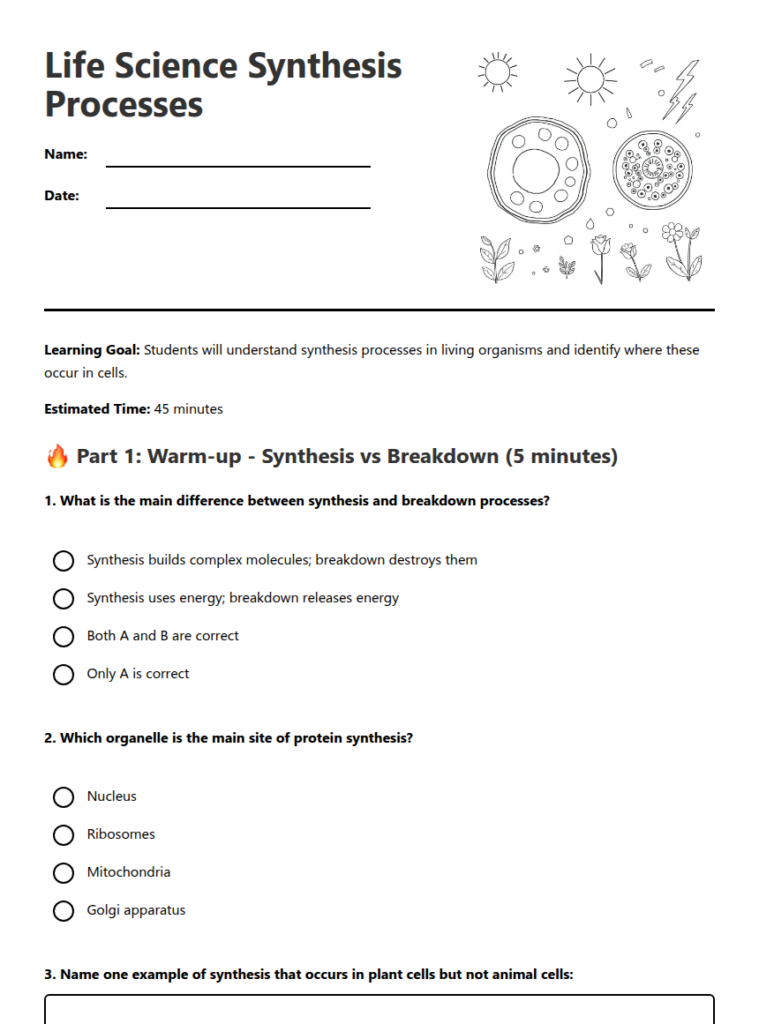
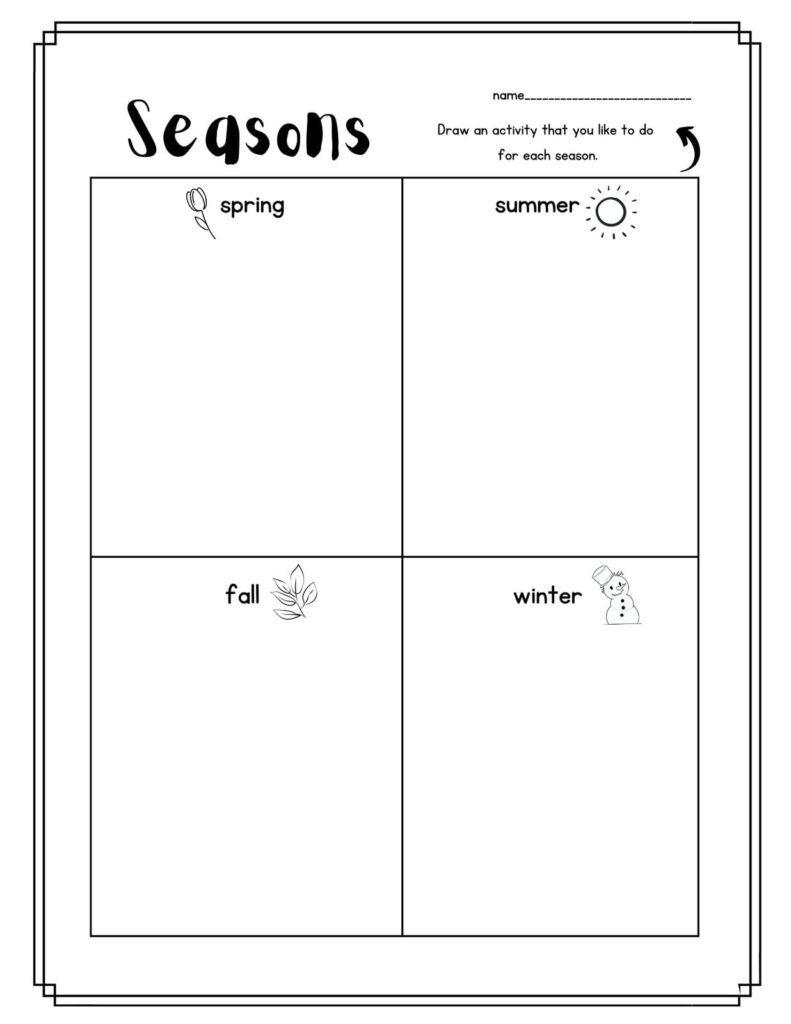
Strong science worksheets do more than test memory. They guide children through observation, prediction, sorting, labeling, and recording results in simple ways. A child might predict which object will sink, sort animals by where they live, or label parts of a plant after looking at a picture. These tasks build early scientific thinking without requiring advanced reading or writing. If you are choosing worksheets, look for pages that invite children to think, notice details, and explain their answers in a kid-friendly way.