Narrative writing worksheets for kids help children practice telling a story in a simple, guided way. A strong worksheet should make the task feel manageable, not intimidating. Look for materials that teach the basics of story structure, give clear prompts, and leave room for a child to plan ideas before writing full sentences. The best worksheets support confidence as much as writing skill.
In kid-friendly terms, narrative writing means telling a story with characters, a setting, a problem, events that happen, and an ending. Worksheets should reflect that structure so children can see how stories fit together. A good page might ask who the story is about, where it happens, what goes wrong, and how it ends. When children can name each part, they are more likely to write a clear beginning, middle, and end instead of a list of random ideas.
Worksheet Features That Help
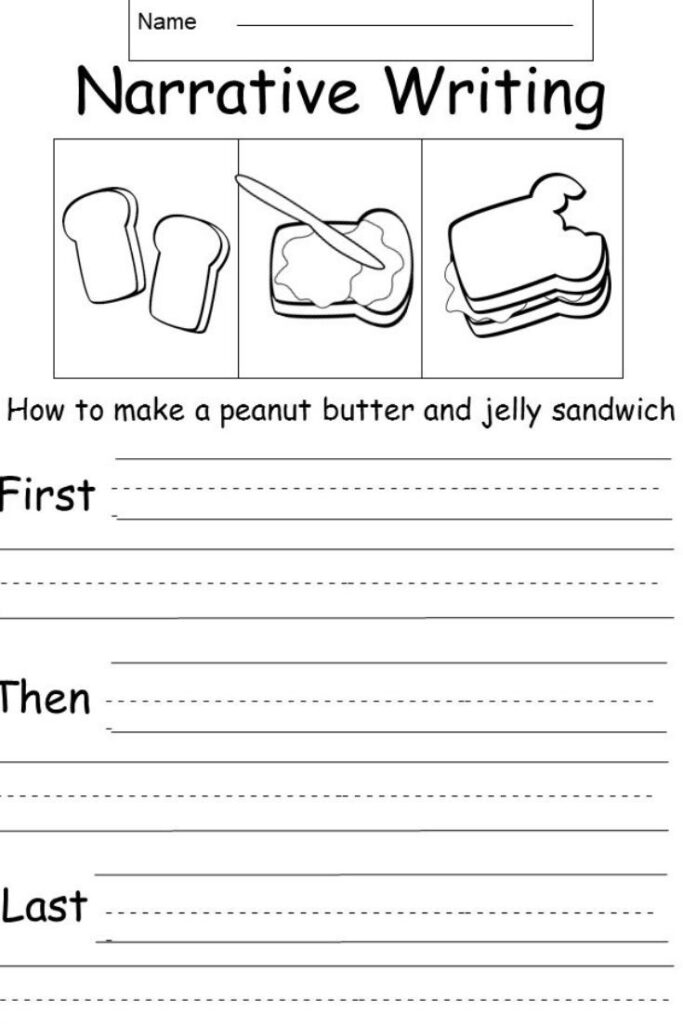
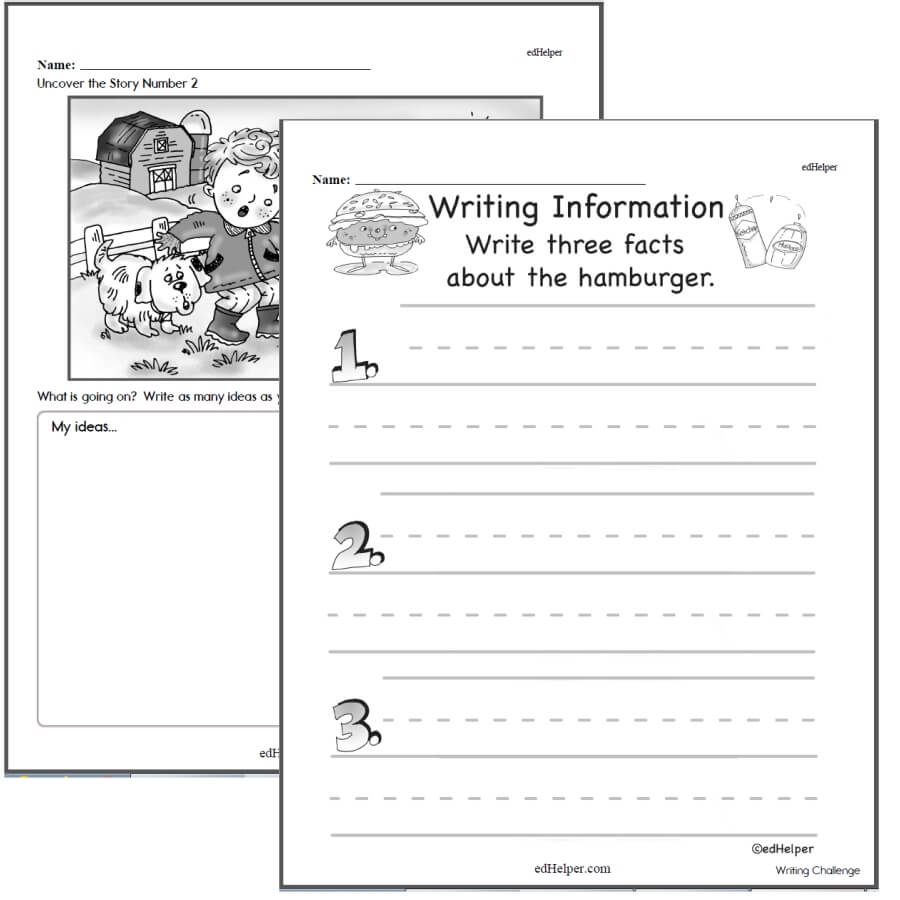
The most useful narrative writing worksheets for kids usually include age-appropriate prompts, sequencing support, graphic organizers, and space to draft the story. Younger children may need picture cues, word banks, or sentence starters, while older elementary students can handle more open-ended prompts. Graphic organizers help children map out characters, setting, problem, and solution before they write. Extra lines or boxes for beginning-middle-end planning can also reduce stress and make the assignment easier to complete.
Match By Grade Level
Choosing the right worksheet means matching the challenge to the child’s grade and writing stage. A beginning writer may need one-sentence prompts and picture support, while a more confident student can handle a fuller prompt and longer response space. If the worksheet is too open-ended, children may freeze; if it is too simple, they may not learn anything new. The goal is a task that stretches them a little without overwhelming them, so they can finish with success and understand the story structure.
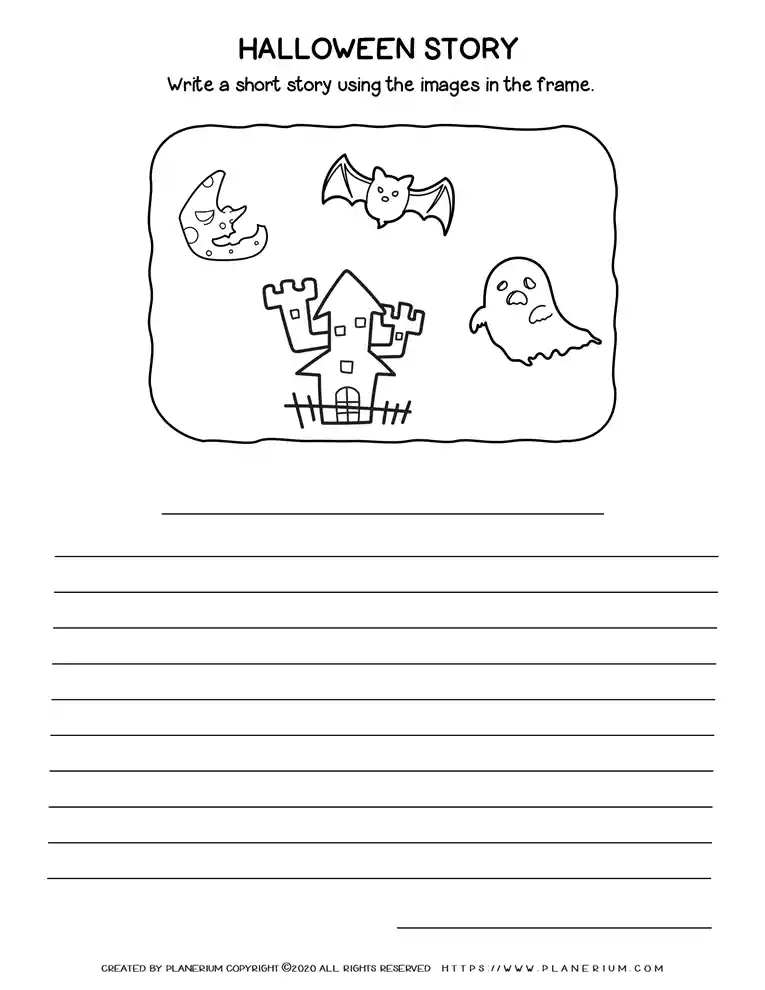
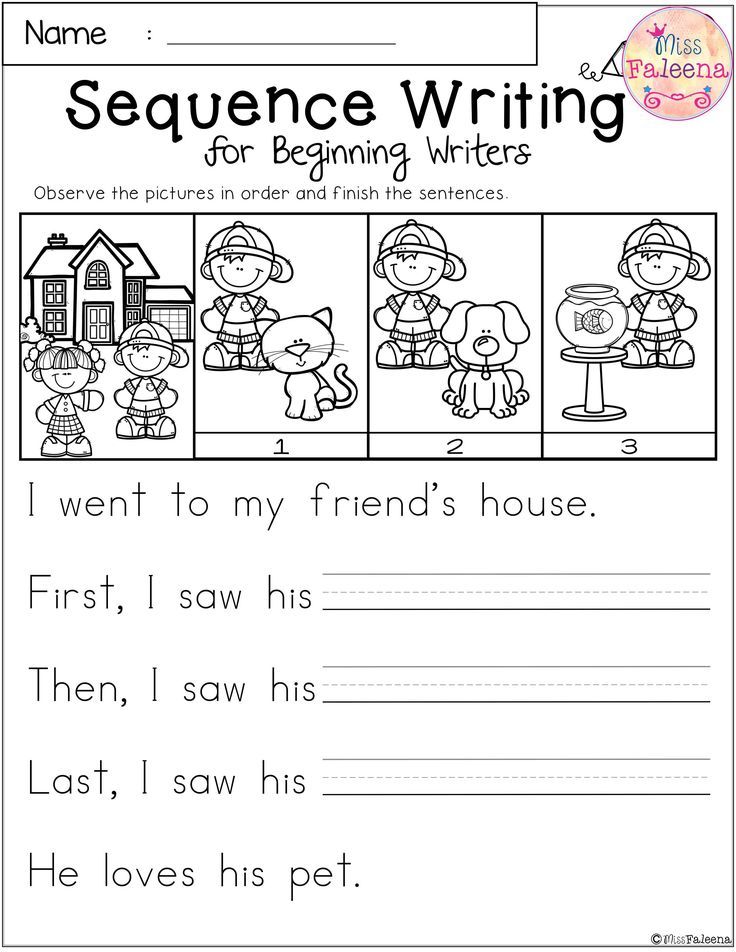
These worksheets work well for classwork, homework, or tutoring when the directions stay short and clear. For class use, introduce the story parts first and let students plan before writing. For homework, keep the page focused on one story idea rather than several tasks at once. In tutoring, talk through the prompt aloud, then help the child fill in the organizer step by step. A calm, guided approach usually leads to better stories and less frustration.