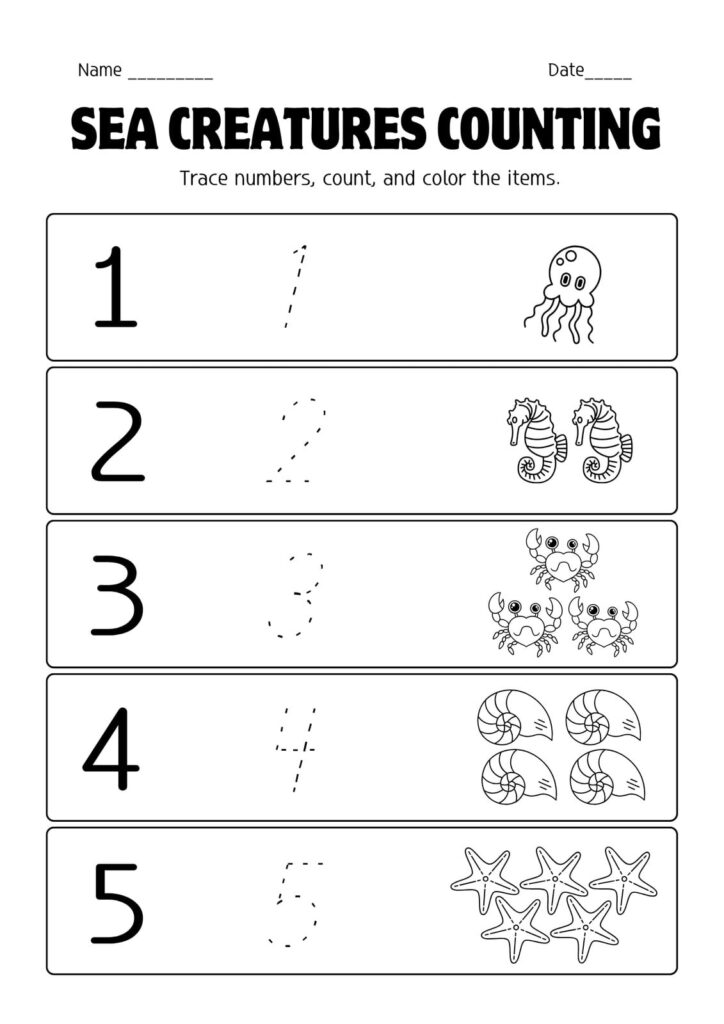
Early learning worksheets for homeschool work best when they support a few foundational skills without asking too much of a young child at once. The most useful pages are short, clear, and easy to finish in one sitting. Look for activities that build pre-reading, handwriting readiness, basic math, and fine motor control, while still leaving room for play, movement, and hands-on practice.
Core skills to cover
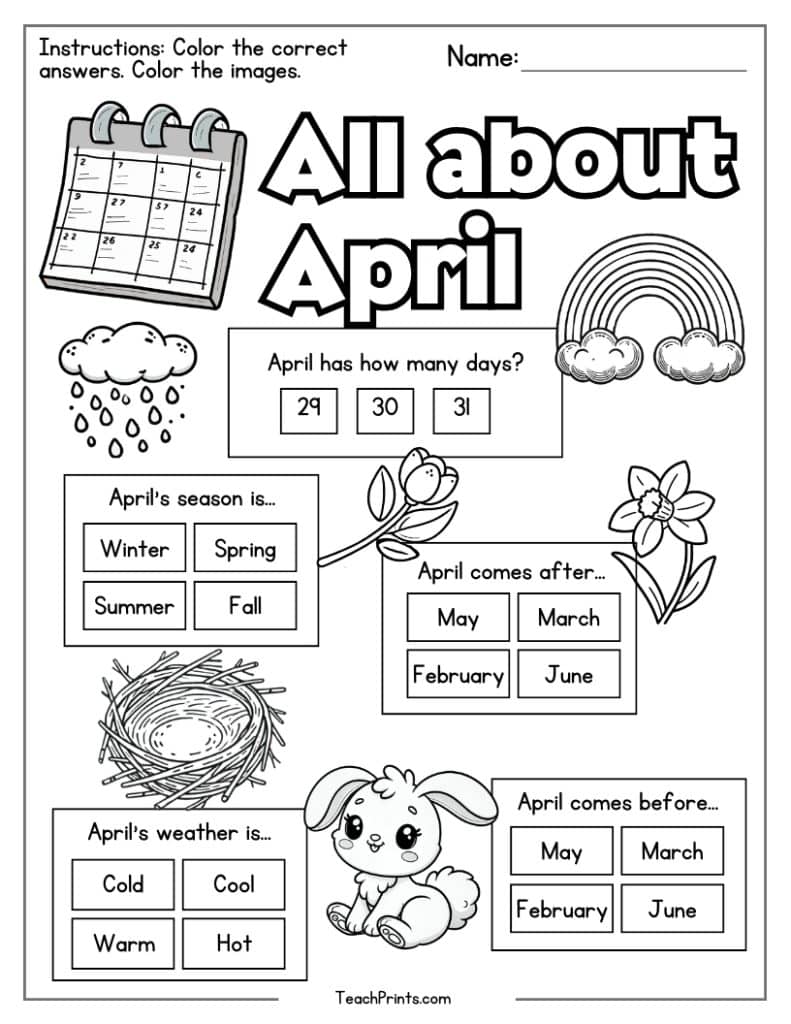
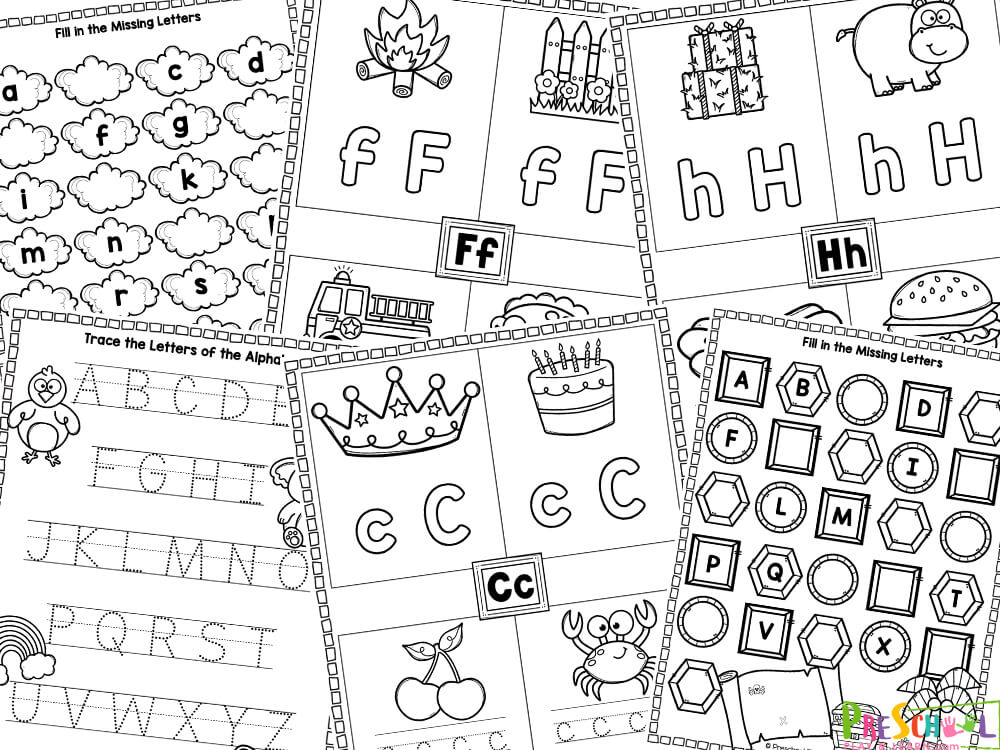
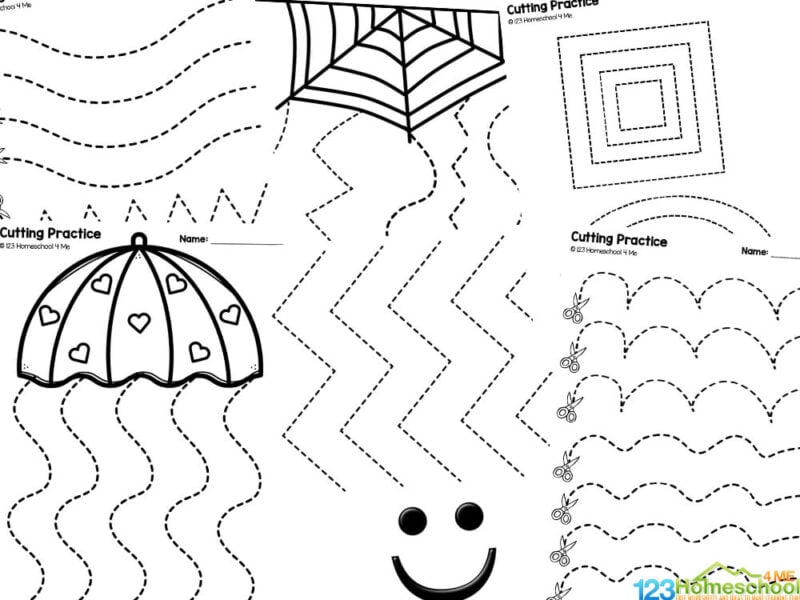
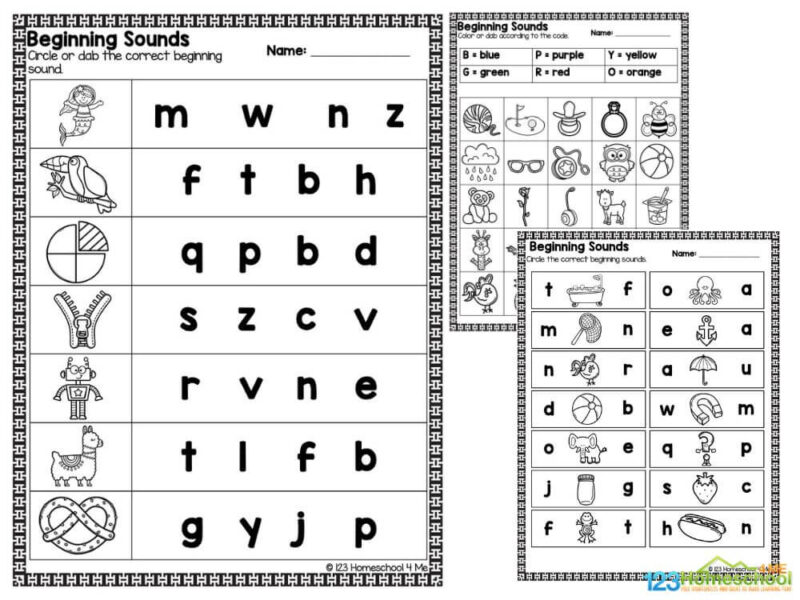
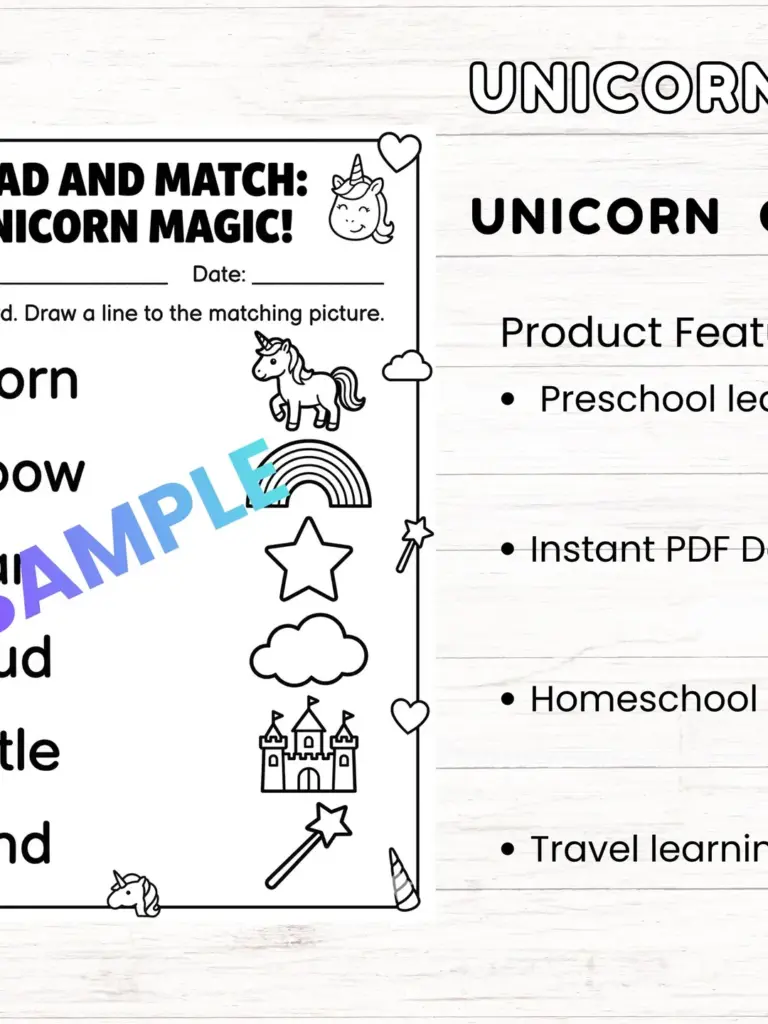
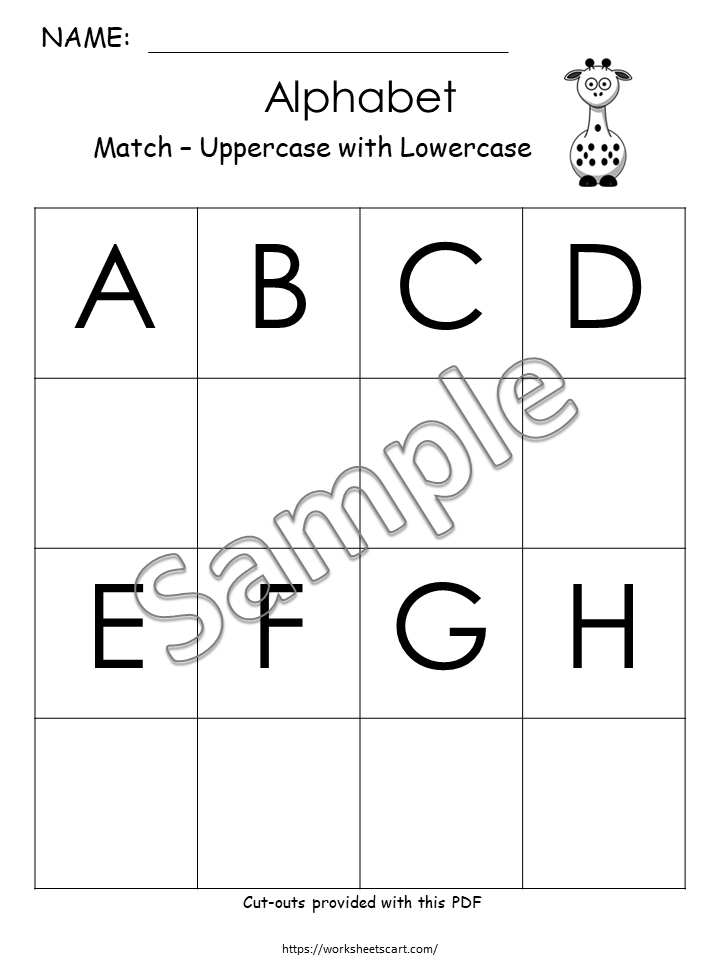
For homeschool use, early worksheets should reinforce the basics a child is ready to practice now. Pre-reading pages may focus on letter recognition, rhyming, matching, or tracing simple lines. Handwriting readiness often starts with strokes, circles, and pencil control before full letters. Early math worksheets can cover counting, number recognition, sorting, and simple one-to-one matching. Fine motor pages help with coloring, cutting, tracing, and small hand movements that support later writing. Choose a small mix rather than trying to cover everything at once.
Age-fit features
Age-appropriate worksheets usually have short tasks, uncluttered layouts, and instructions adults can explain in one sentence. Young learners do better when each page has one main goal and enough space to work without feeling crowded. Low-prep materials are especially helpful in homeschool routines because they can be used quickly, with no complicated setup. Large pictures, clear fonts, and simple directions make it easier for children to stay focused and know what to do next. If a worksheet feels too busy, it is often too advanced for early learning.
Worksheets work best as a small part of the day, not the whole plan. A short page can follow a read-aloud, a counting game, block play, or a motor activity like playdough or bead stringing. This keeps practice connected to real learning and helps prevent overload. For example, a child might trace shapes after building them with toys, then count objects on a worksheet.
Watch attention span as much as skill level: if your child finishes quickly and stays engaged, the worksheet is likely a good fit. The best choice is simple, useful, and easy to stop before frustration starts.