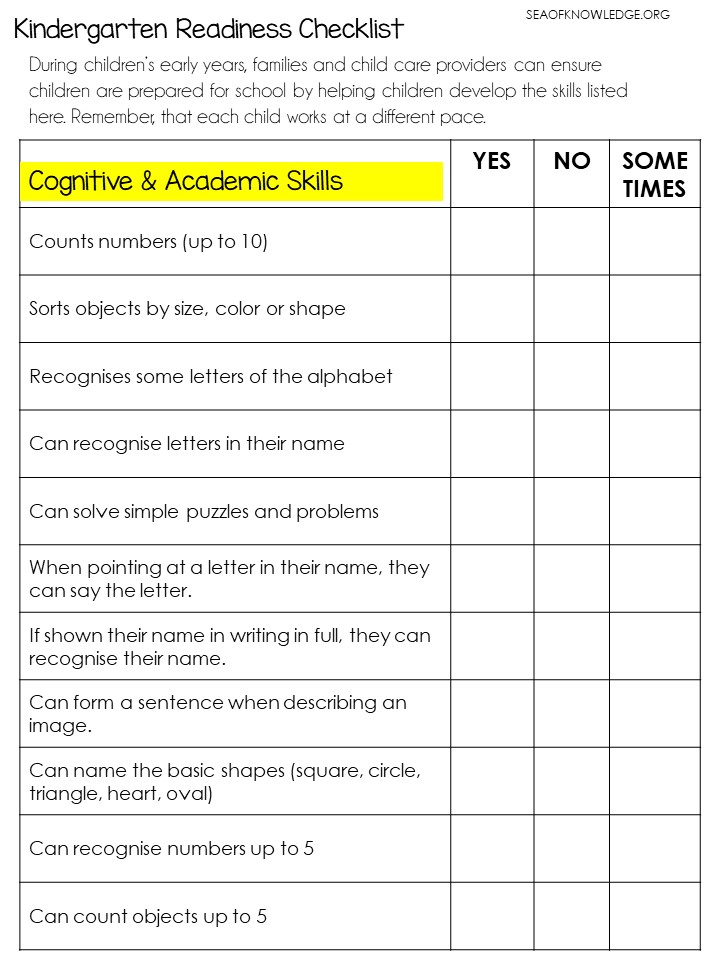
Kindergarten readiness worksheets can help children practice the basics in a simple, low-pressure way. The best pages focus on a few key skills at a time: letters and sounds, numbers and counting, fine motor control, and following directions. When chosen well, worksheets can feel manageable for young learners and give adults a clear way to support practice without turning it into a long lesson.
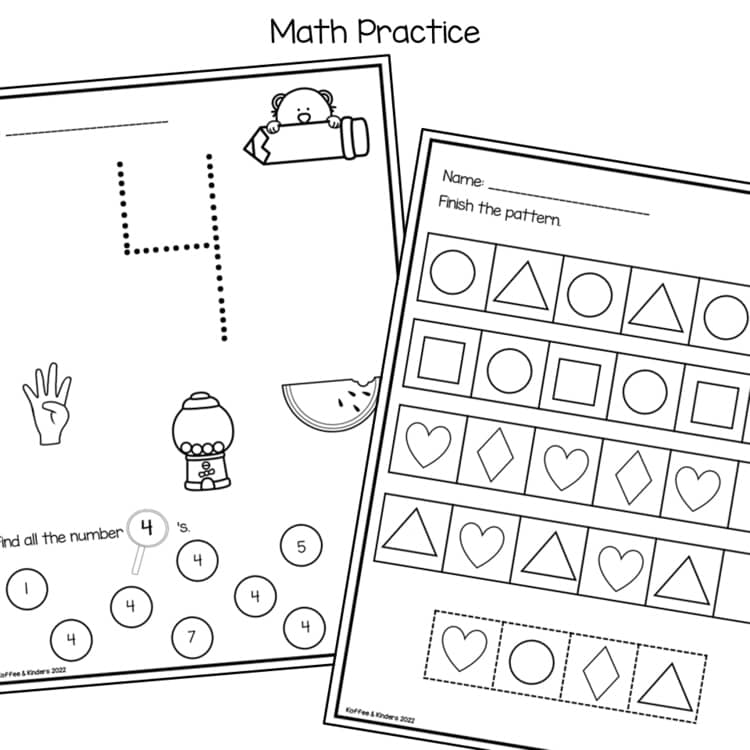
Start by matching worksheets to the child’s current level, not just their age. A younger child or early learner may do better with large, uncluttered pages, tracing, matching, and picture-based prompts. A child with a longer attention span may be ready for short sets with two or three related tasks. If a worksheet looks too busy or too hard, it can become frustrating instead of helpful. The goal is a set that feels doable, interesting, and just challenging enough to practice real skills.
Letters, Numbers, and Motor Skills
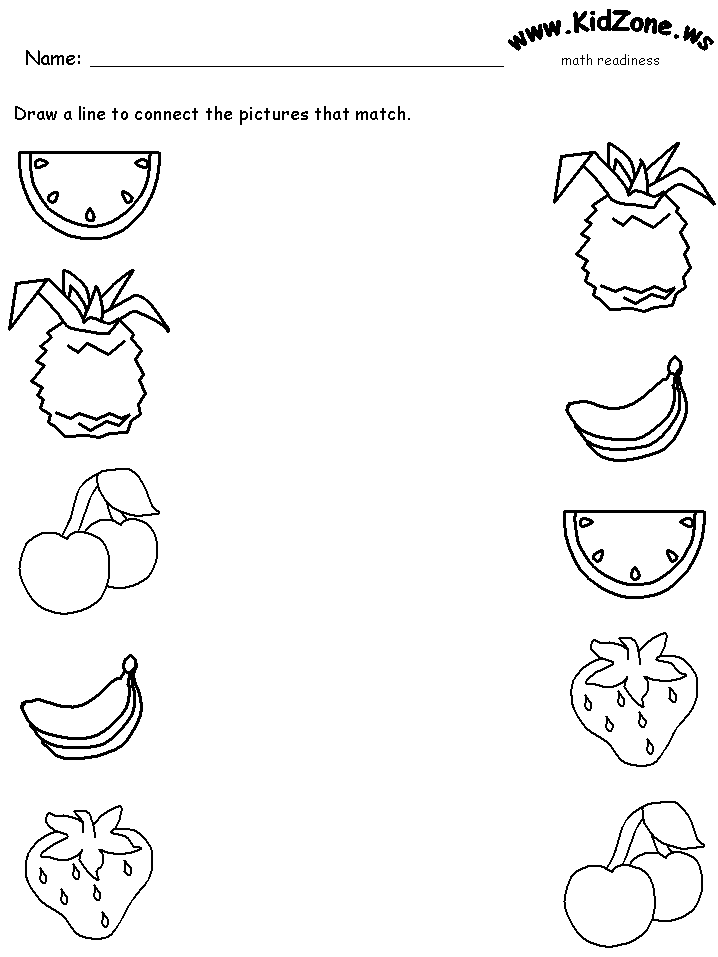
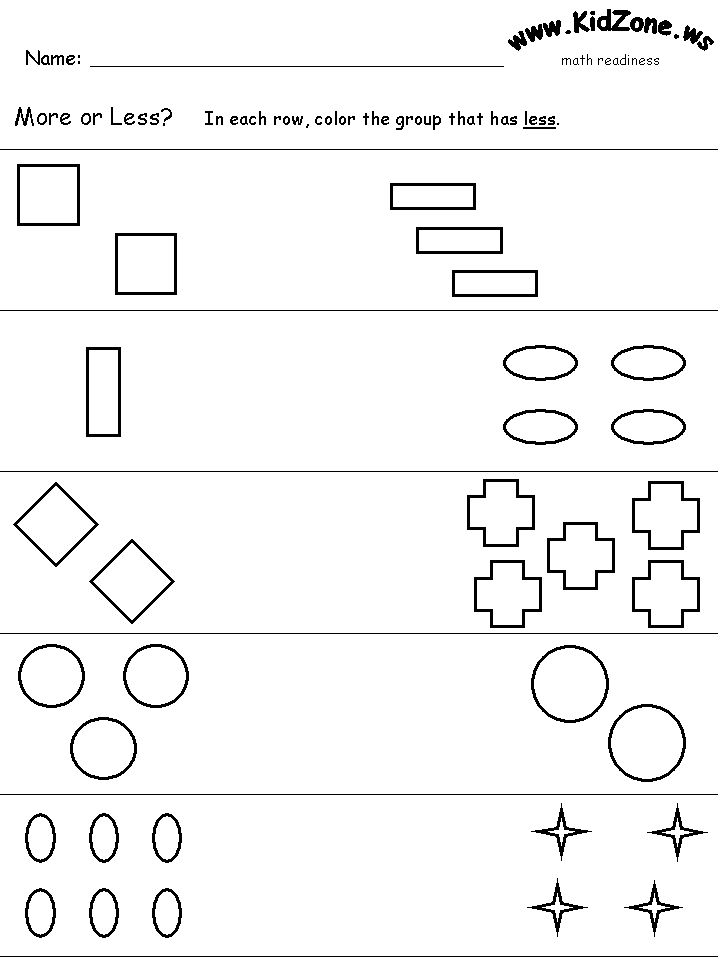
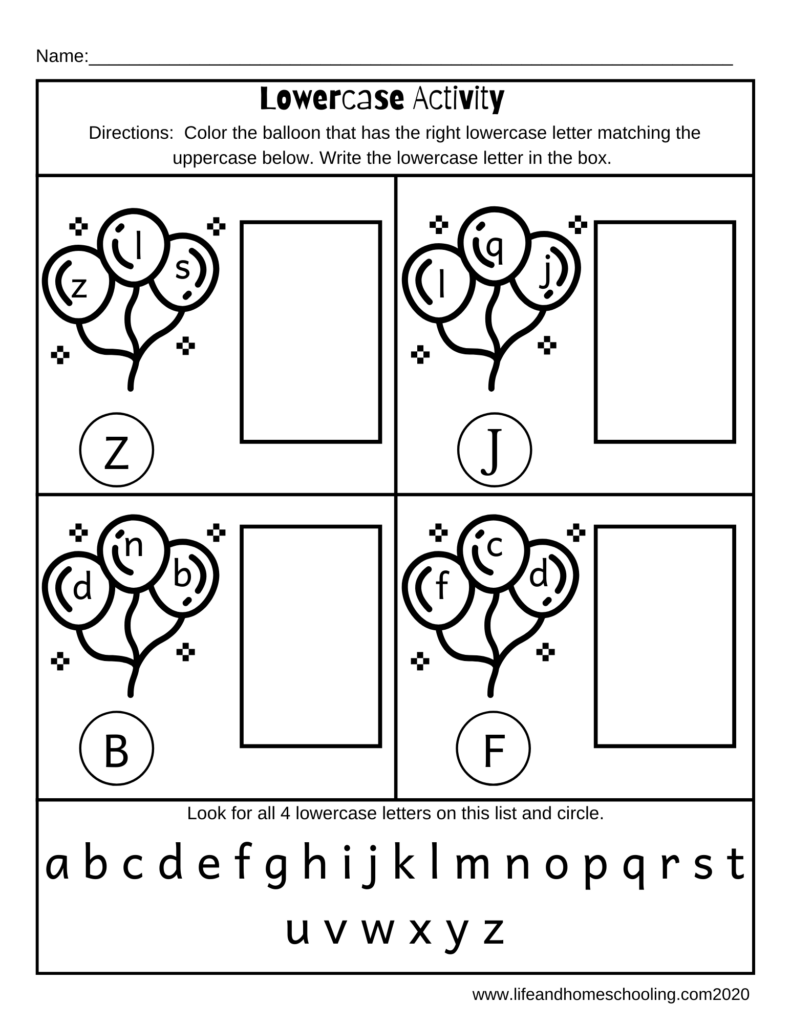
For letter and sound practice, look for worksheets that connect letters to simple pictures, beginning sounds, or tracing activities. For numbers, choose pages that include counting objects, number recognition, and matching a numeral to a group. Fine motor worksheets should build hand control through tracing lines, coloring within spaces, cutting practice, or simple pencil paths. These activities support the hand-eye coordination children need for early writing tasks while still keeping the format familiar and easy to complete.
Simple Directions That Build Focus
Following-directions worksheets are useful when they ask the child to do one or two clear steps, such as circle the picture, draw a line, or color a specific object. These pages help children practice listening, scanning, and completing a task without rushing. Keep the directions short and concrete, especially for children who are still learning how to stay with one activity. If needed, read the instructions aloud first and model one example before asking the child to try independently.
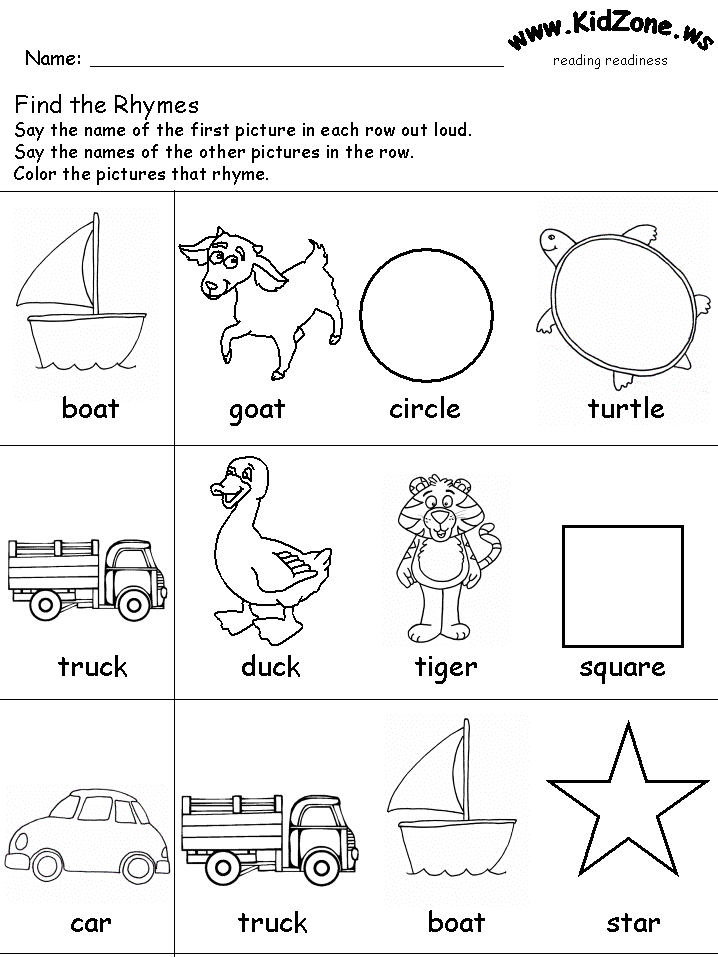
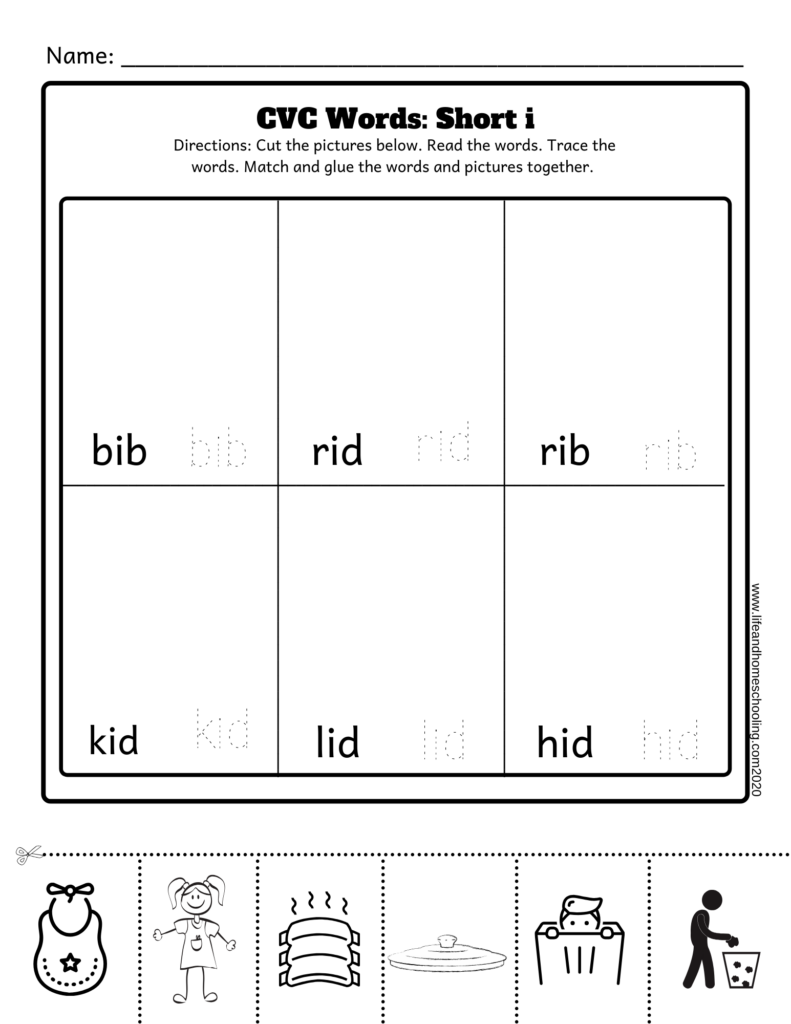
To use kindergarten readiness worksheets effectively, keep sessions short and purposeful. A few minutes at a time is often enough, especially if the child is new to worksheet work. Offer adult support when directions are confusing, then step back as the child gains confidence. It also helps to combine paper practice with hands-on activities, like counting blocks after a number page or tracing letters with a finger in sand. That mix keeps practice more meaningful and helps the skills stick.