
Kindergarten AB pattern worksheets help young learners notice, repeat, and finish simple patterns with confidence. In an AB pattern, two parts alternate in order, such as red-blue-red-blue or circle-square-circle-square. The best worksheets make this easy to see and easy to do, so children can focus on recognizing the pattern, extending it, and creating one of their own.
What AB Patterns Mean
An AB pattern is a repeating two-part sequence. For kindergarten, that usually means one item comes, then a different item comes, and the same order repeats again. Worksheets may show apples and bananas, dots and stars, or colors and shapes. Children practice spotting what comes next and choosing the missing picture. This builds pattern recognition in a very concrete way, since the visuals do most of the teaching. Clear examples help children learn that the order matters, not just the objects themselves.
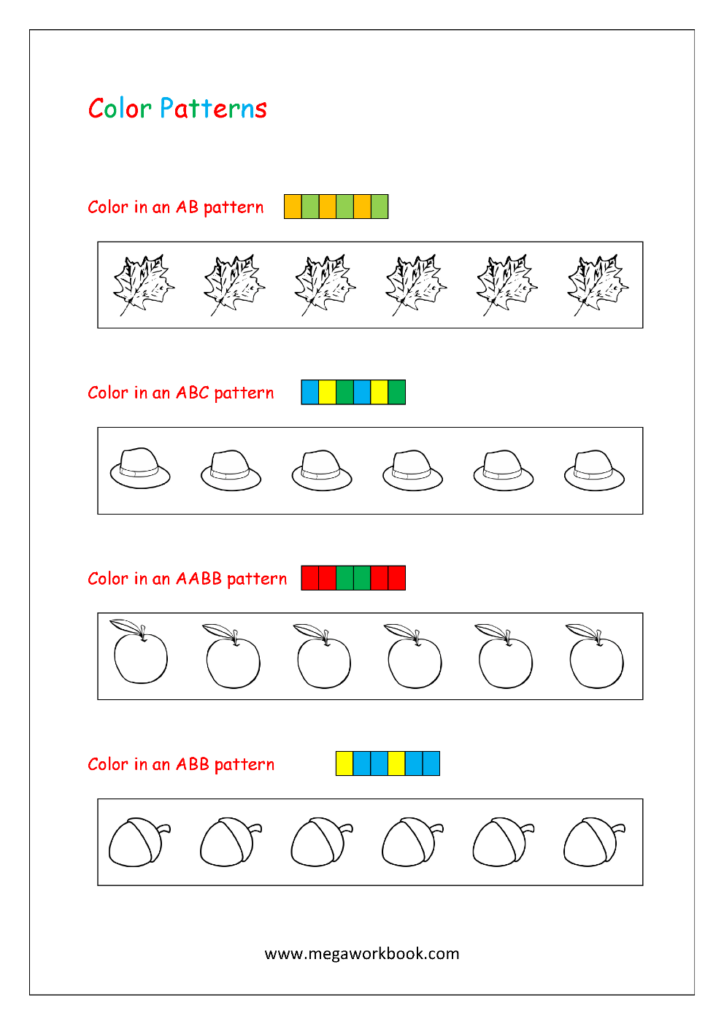
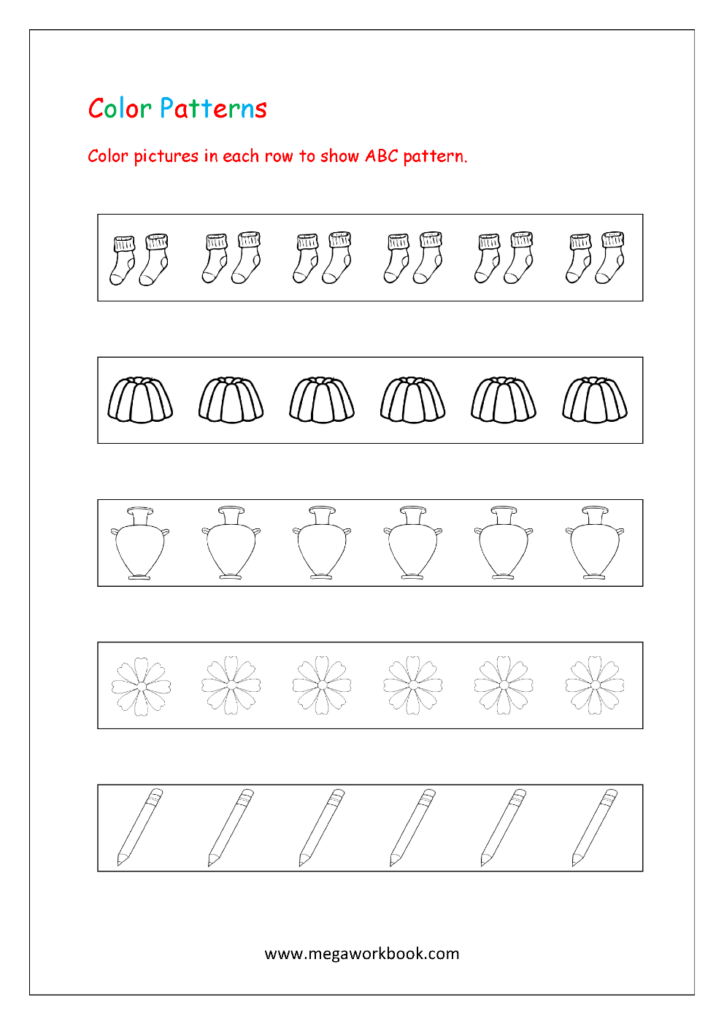
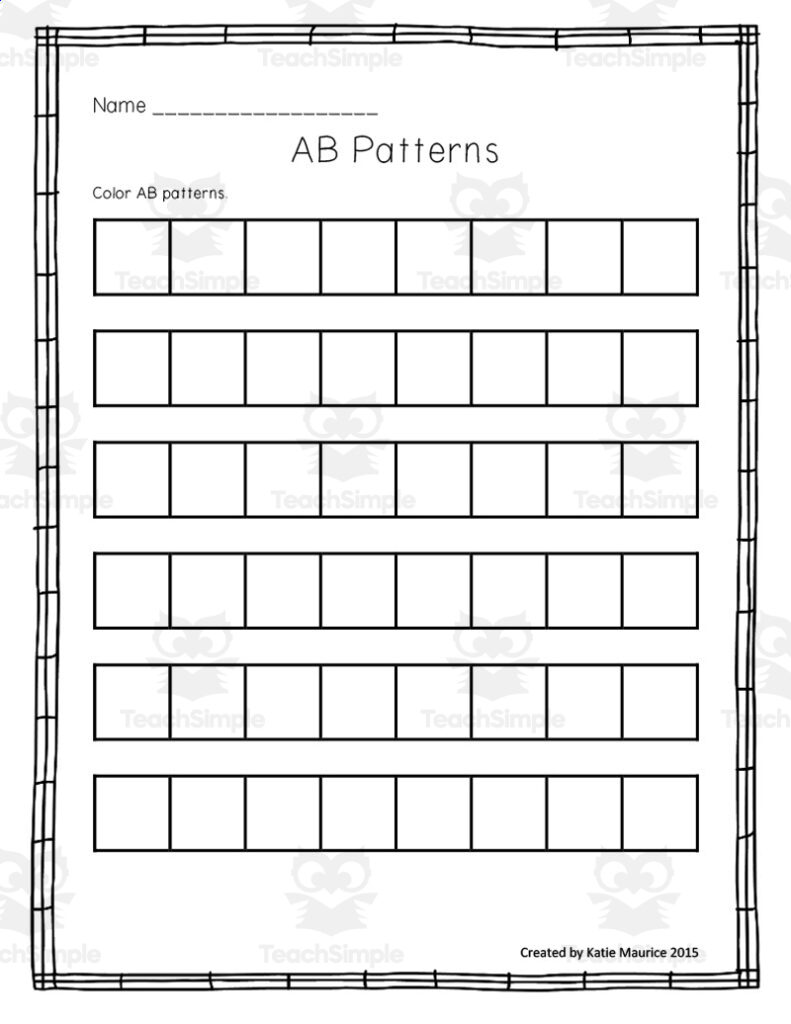
Good kindergarten AB pattern worksheets should match early childhood attention spans and fine-motor skills. Look for large pictures, simple rows, and very little text. Tracing sections can help children follow the sequence before working independently. Cut-and-paste tasks give extra hands-on practice, while coloring activities turn pattern completion into a quick, engaging task. Visual cues such as arrows, boxes, or faded missing items make the pattern easier to follow. These features keep the focus on understanding the sequence rather than on reading directions.
Ways to Use Them
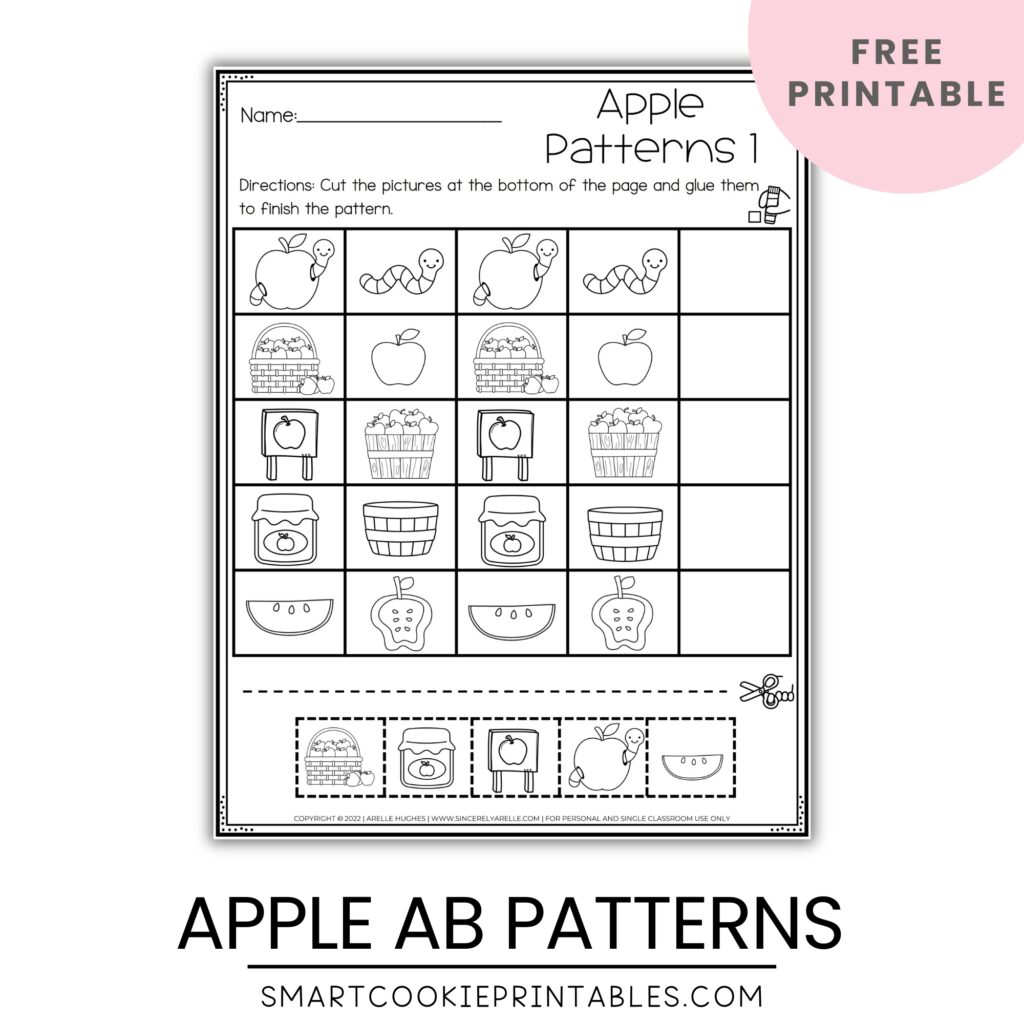
These worksheets are useful in several settings. In a classroom, they can be used for morning work, small-group support, or a quick center activity. At home, parents and homeschoolers can use them for short practice sessions that reinforce classroom learning. They also work well for independent practice when children are ready to try a page on their own. Because the task is simple and visual, AB pattern worksheets can help children build confidence while practicing careful observation and logical thinking.
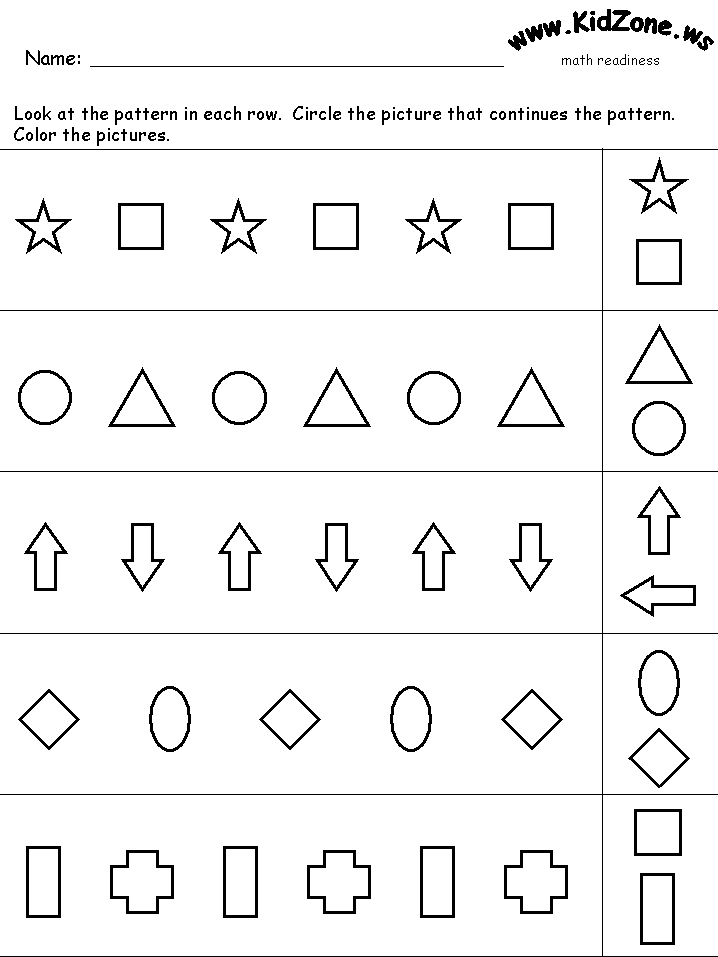
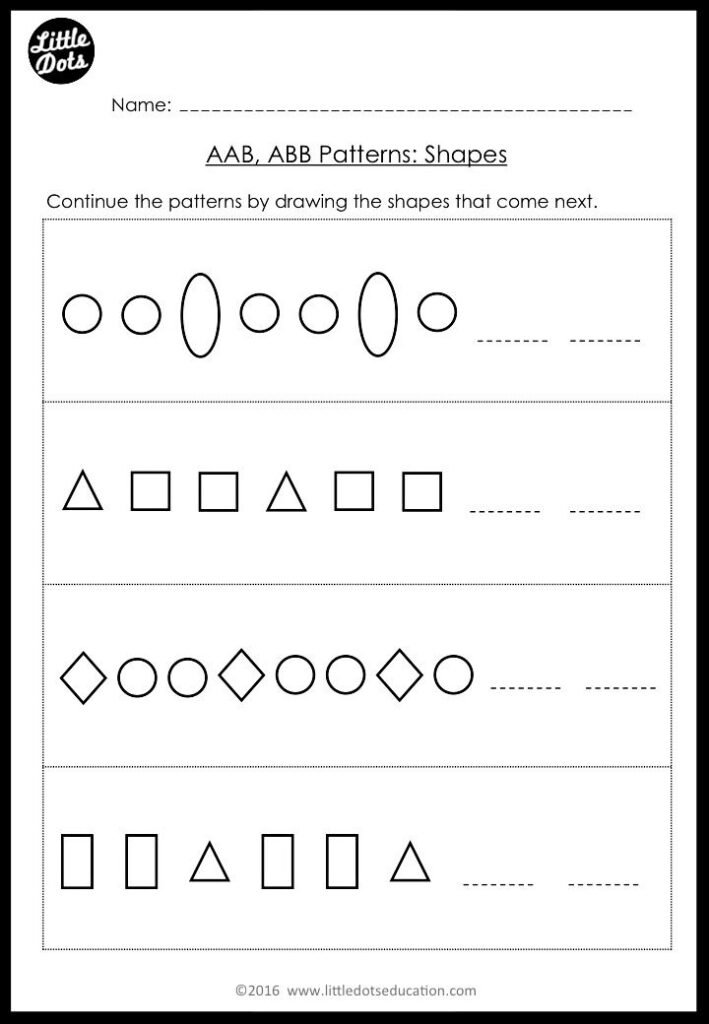
When choosing kindergarten AB pattern worksheets, aim for pages that are clear, friendly, and repetitive in a helpful way. The child should be able to look at the pictures and understand the task without much explanation. A strong worksheet gives enough support to guide success, but still asks the child to think about what comes next. For early learners, that balance is what makes AB pattern practice useful and age-appropriate.



