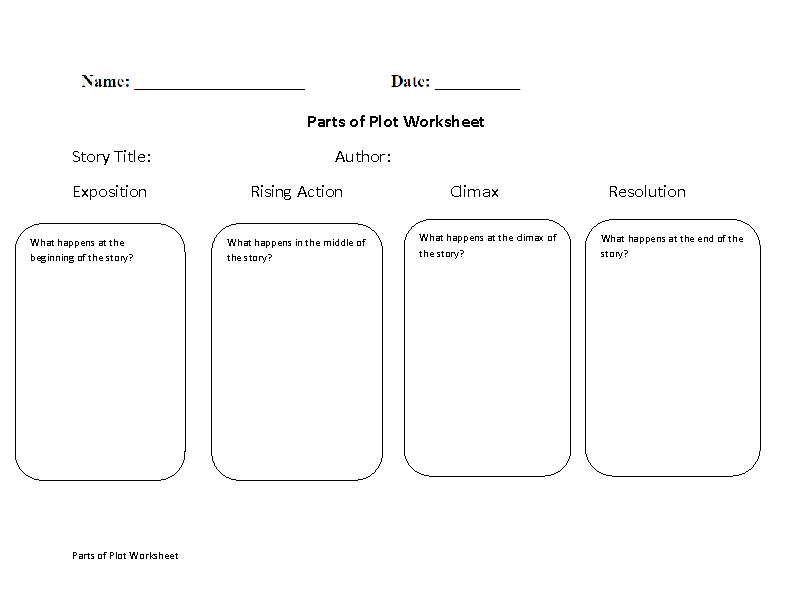
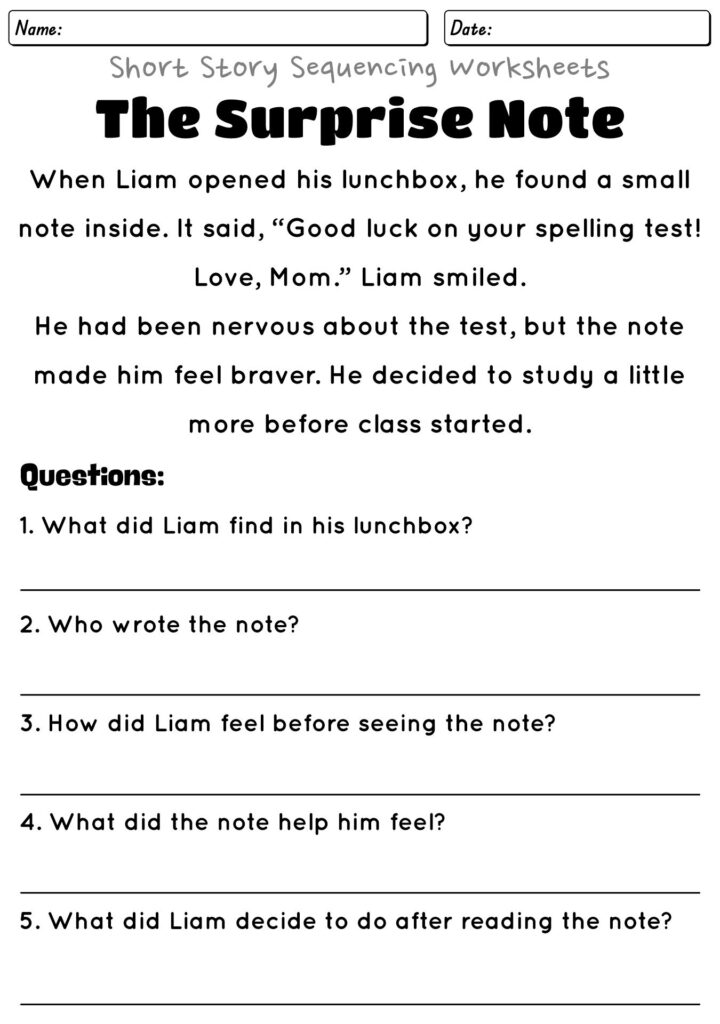
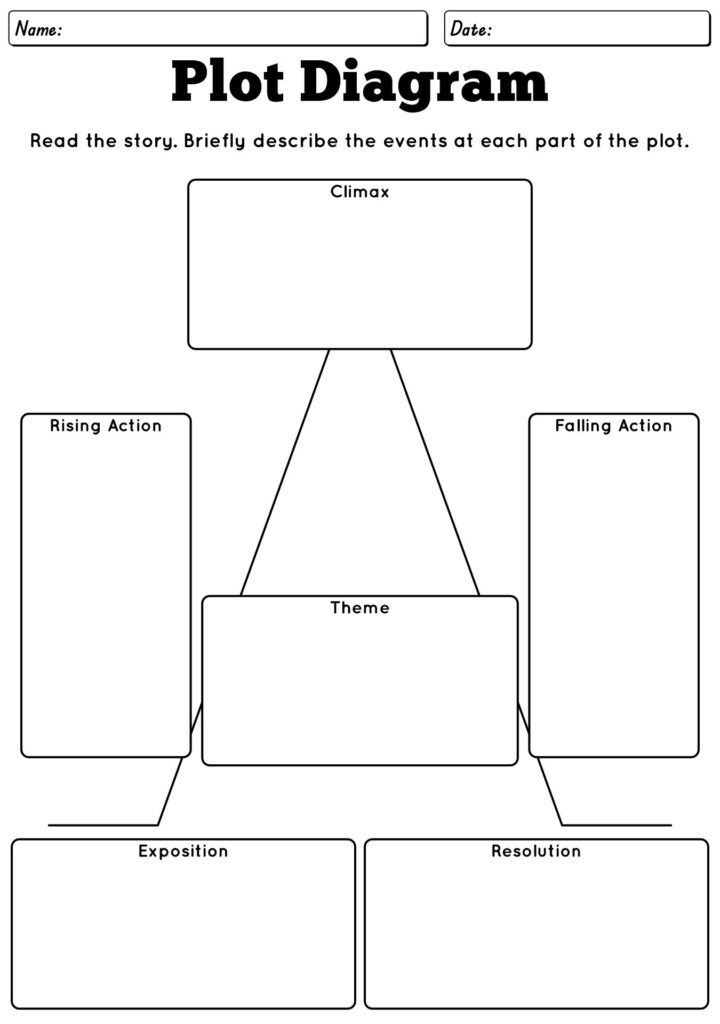
Plot worksheets with short stories help readers do more than recall events. They guide learners to notice how a story is built, from the opening situation to the ending. Used well, a worksheet turns a short story into a clear sequence of plot parts, making it easier to follow the action, explain what changed, and retell the story in order.
What the worksheet does
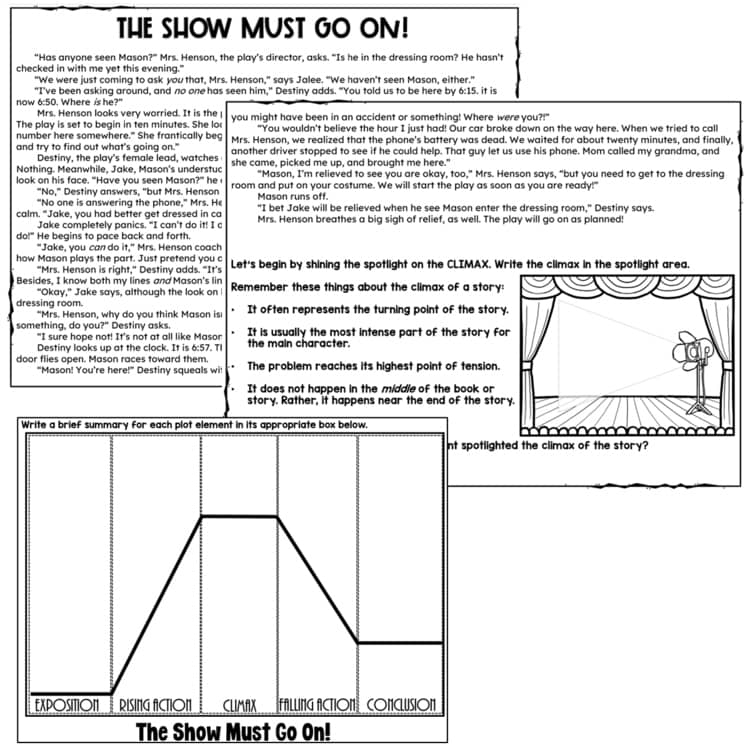
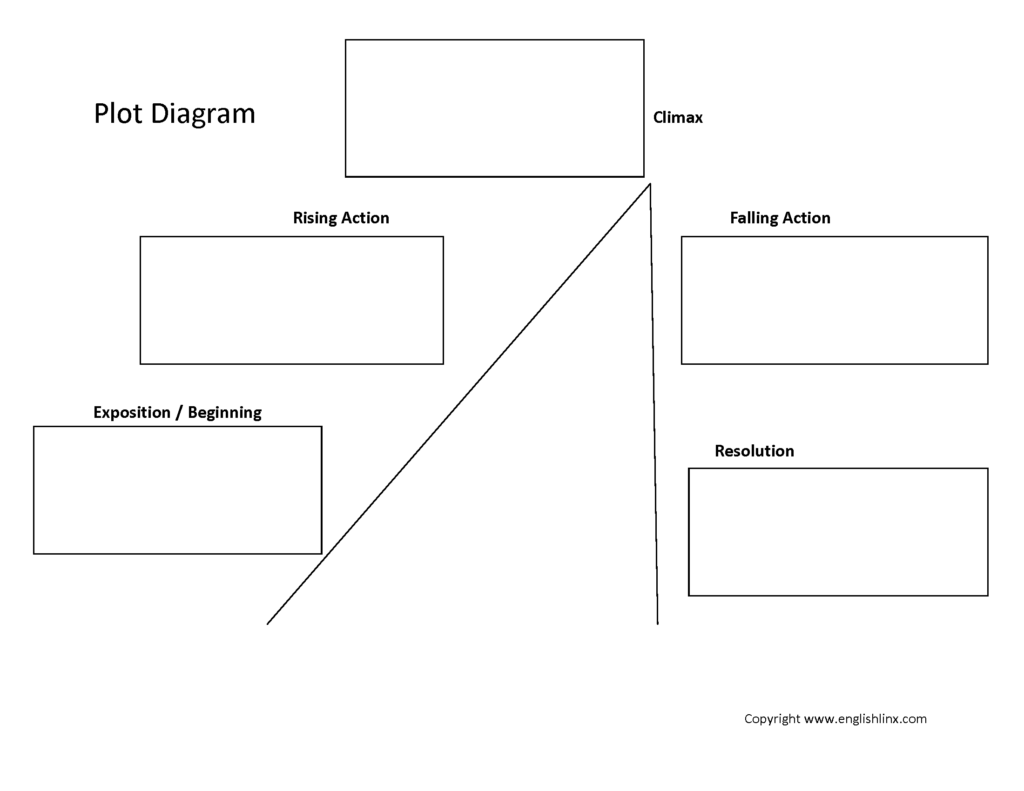
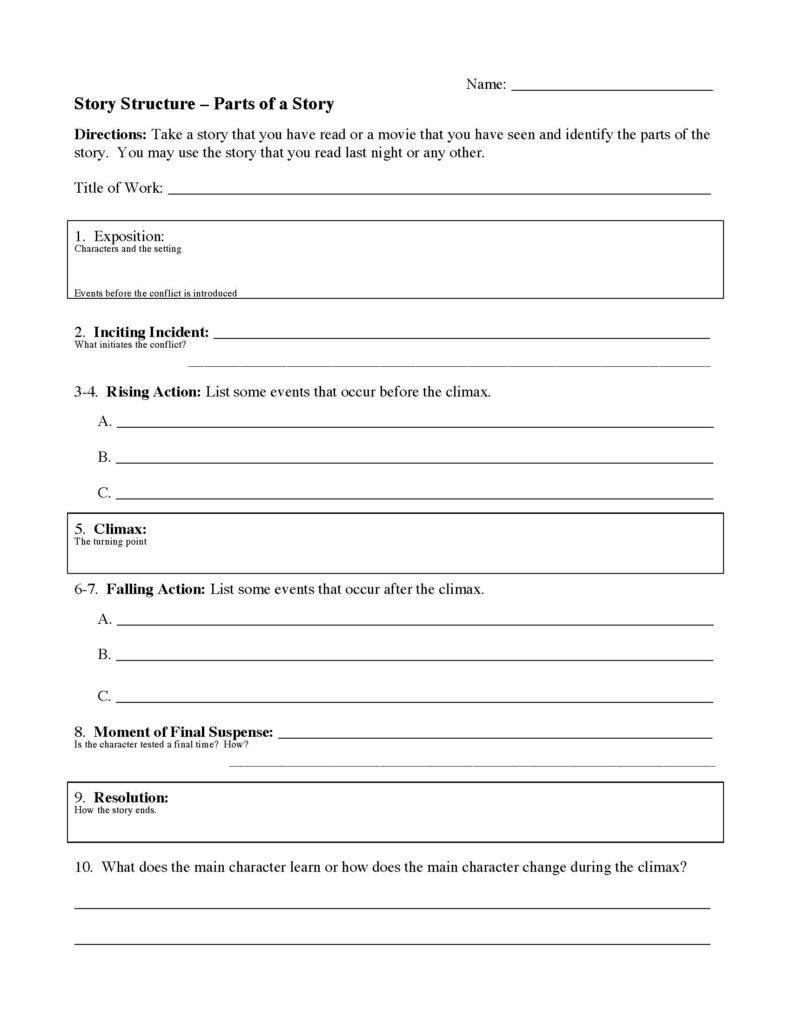
A plot worksheet is mainly used to help a reader map a short story’s structure. The best ones ask for the five core plot elements: exposition, rising action, climax, falling action, and resolution. That gives learners a simple way to sort details instead of listing events at random. For example, the exposition introduces characters and setting, while the climax is the turning point where the main conflict peaks.
When the worksheet is tied to a short story, it supports comprehension because readers must decide not only what happened, but where each event belongs in the overall arc.
Choosing the right story
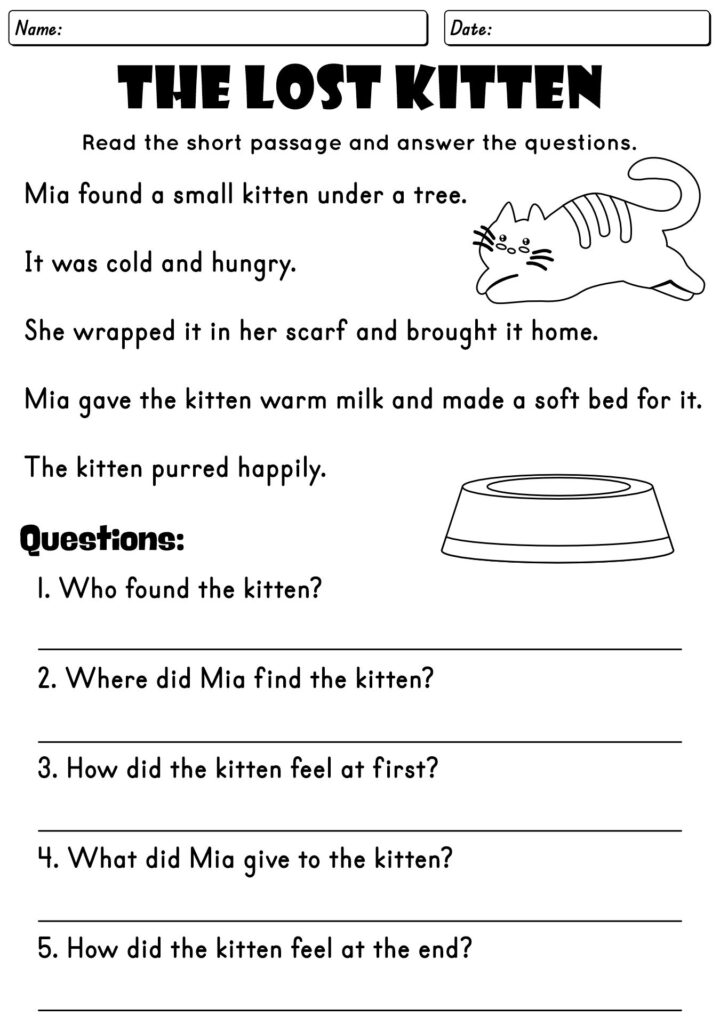
The short story should match the worksheet level and the complexity of the questions. For beginning readers, choose a story with a clear sequence, a small cast, and an obvious problem-and-solution structure. For older or more advanced learners, a story with more layers, dialogue, or a less direct ending can work better because it requires closer thinking.
The worksheet should also fit the reading level: simple prompts may ask students to name each plot part, while stronger prompts may ask them to explain why an event belongs in rising action rather than the climax. A good match keeps the task challenging without making the plot confusing.