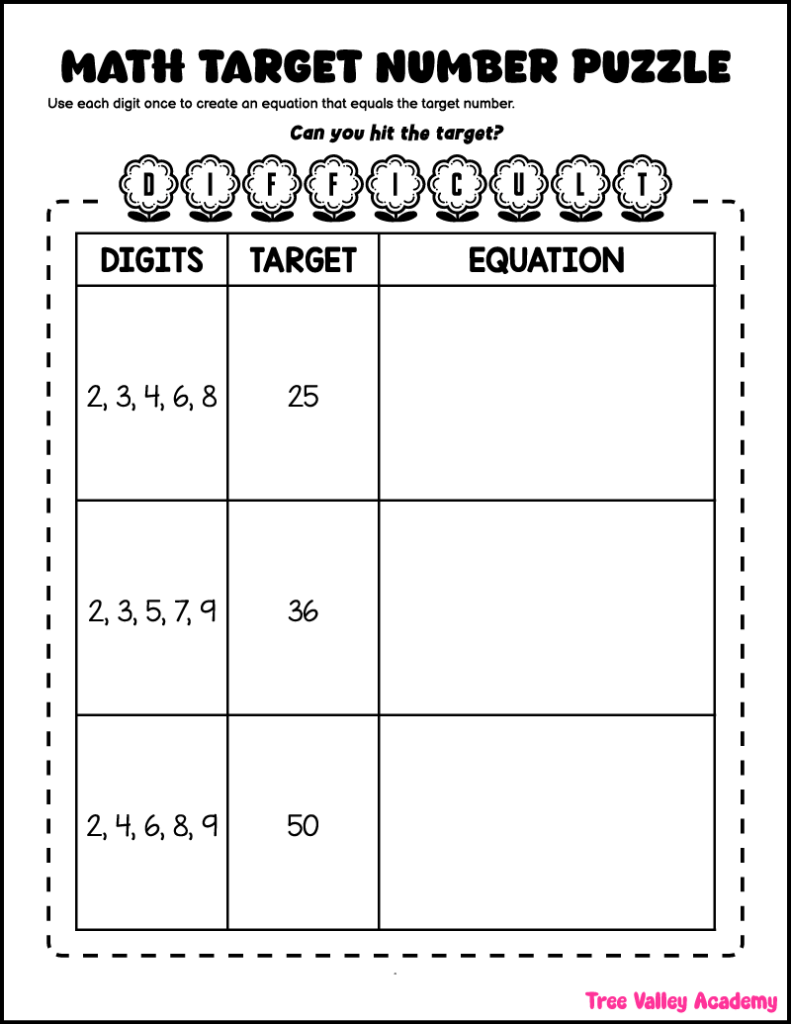
To create a math worksheet, start with one clear skill and one learner level. A worksheet works best when every problem matches the same goal, whether that is counting, addition, subtraction, multiplication, or simple fractions. Decide early who it is for, how hard it should feel, and whether it will be used for practice or checking understanding. That keeps the page focused and easy to complete.
Choose the Skill
Pick the exact math topic before you write any problems. For example, a first-grade worksheet might use addition within 10, while a fourth-grade sheet might focus on multiplication facts or multi-step word problems. Match the skill to the student’s grade level and current ability so the work is neither too easy nor too frustrating. If you want a mixed review sheet, keep the problems within one related area so the page still feels coherent.
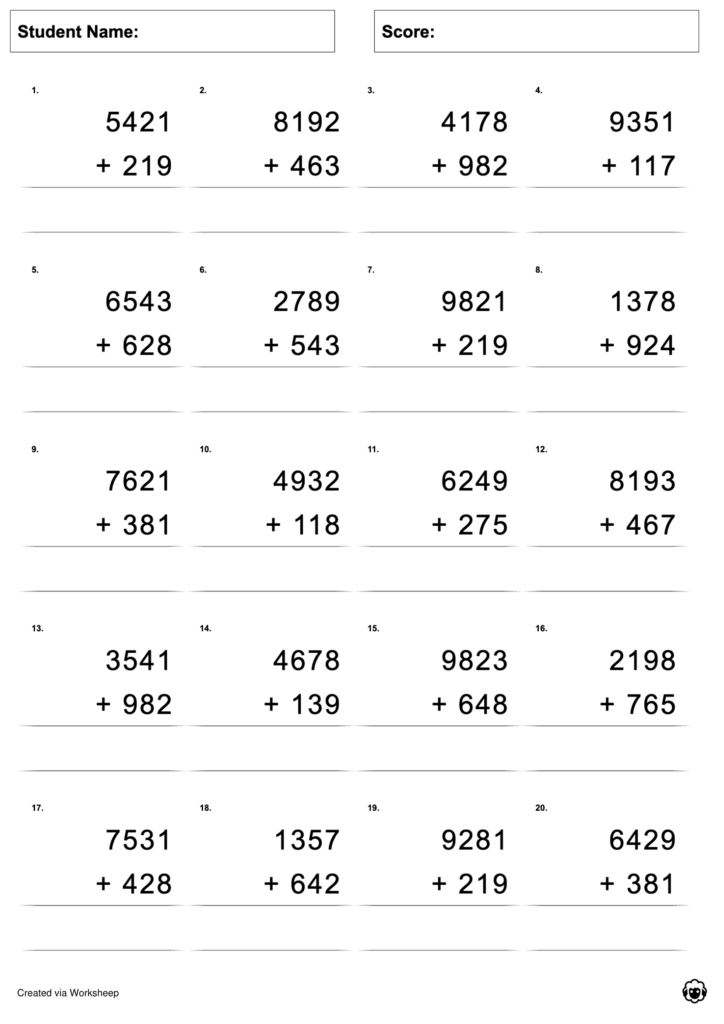
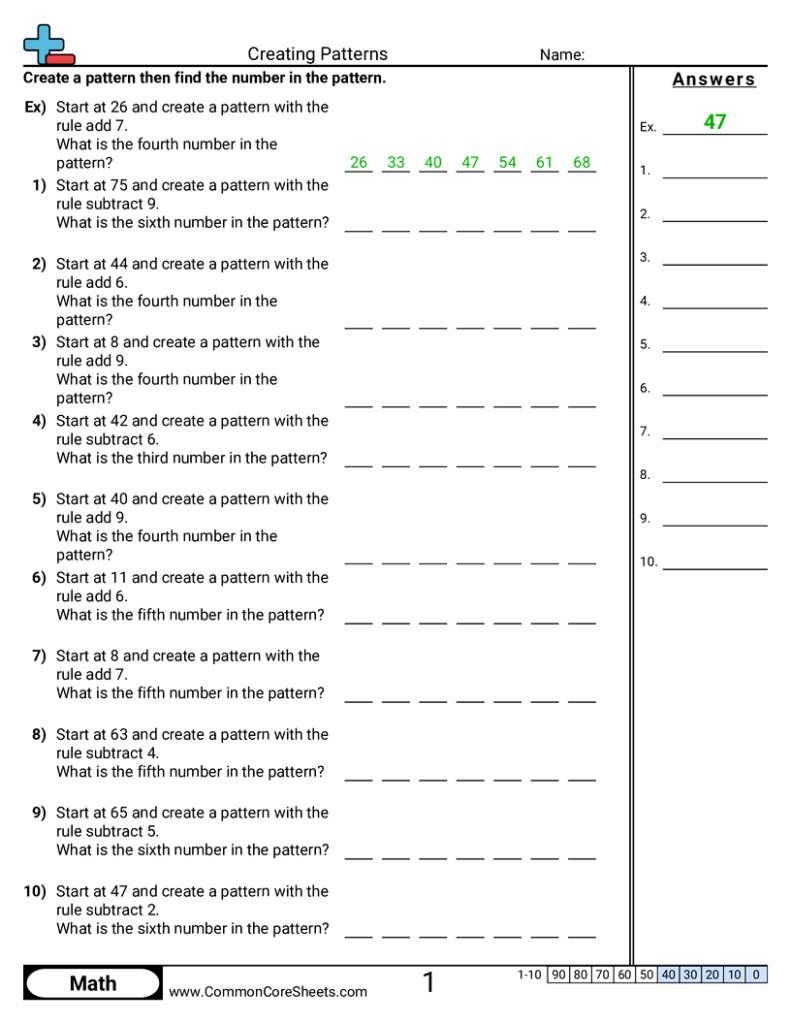
Next decide how many problems to include and what kind they should be. A short practice sheet might use 8 to 10 questions, while a fuller review can have 15 or 20. Mix formats only when it helps the skill, such as a few computation items followed by one word problem. Set the difficulty from simple to more challenging if the worksheet is meant to build confidence. If it is for assessment, keep the difficulty consistent so results are easier to read.
Build the Page
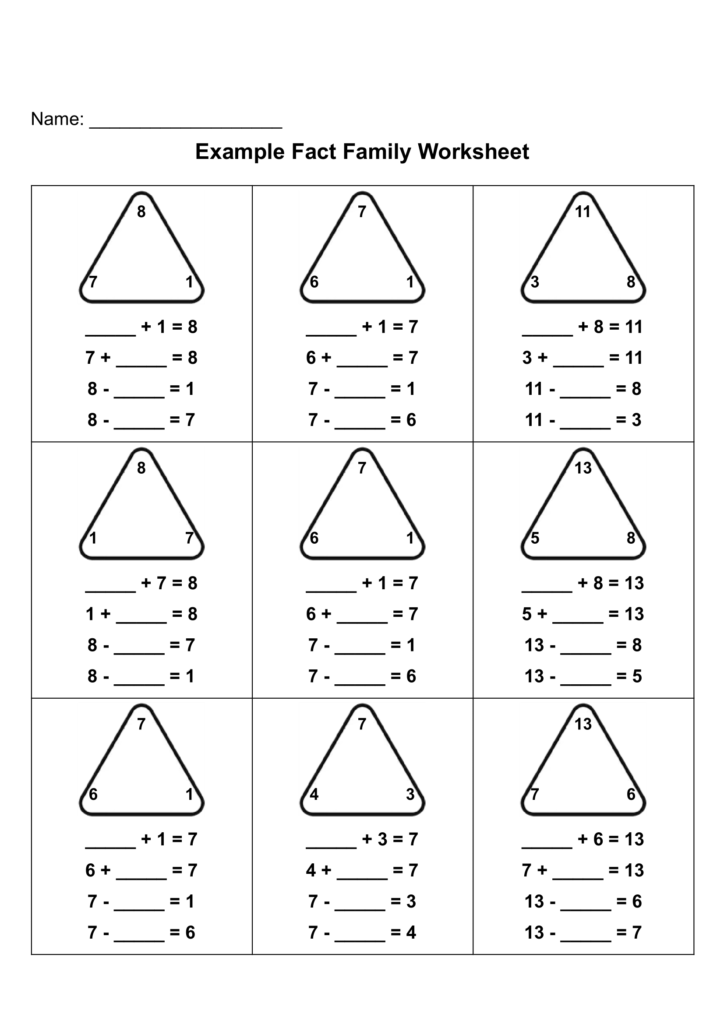
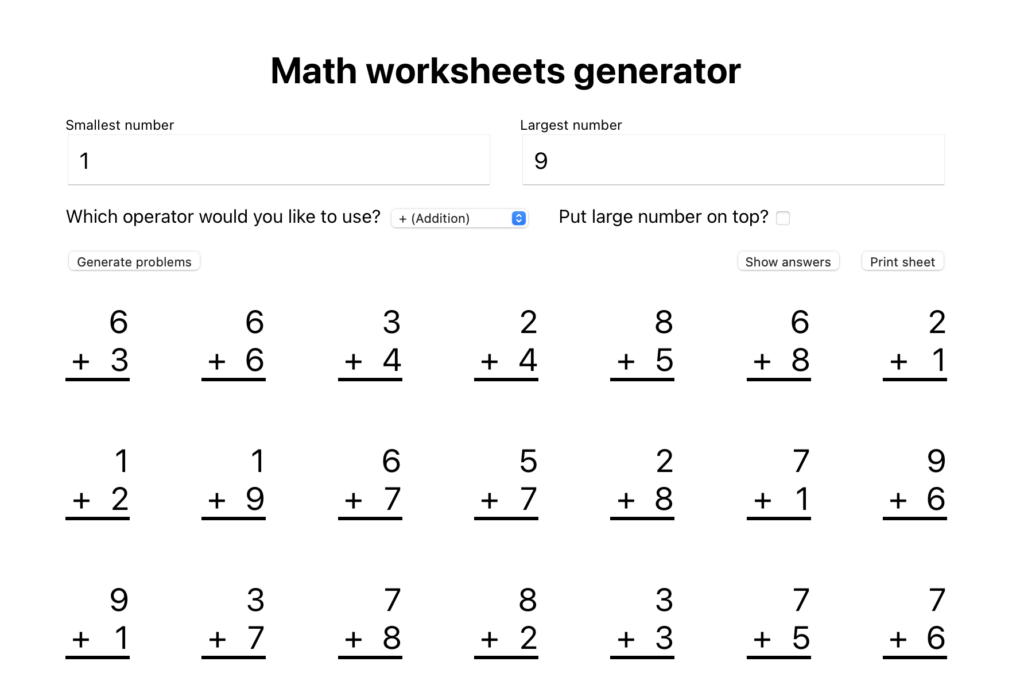
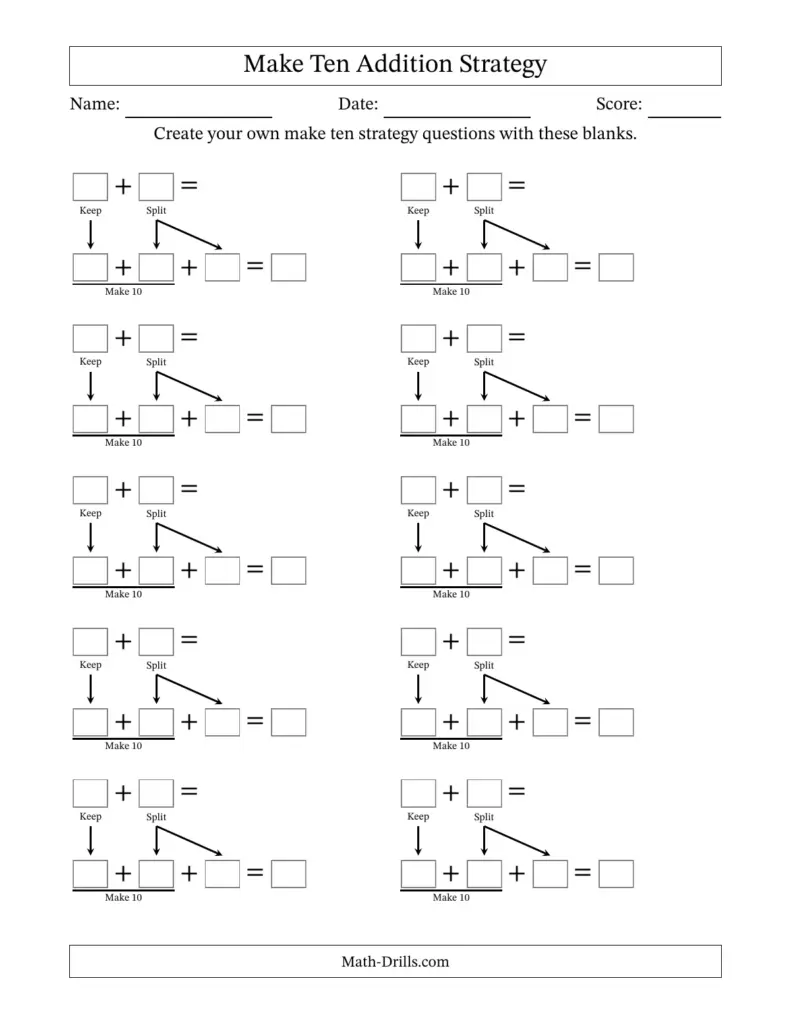
Use a clean layout with a clear title, brief directions, and enough space for work. Keep each problem easy to scan, with one question per line when possible. Leave wider spacing for longer calculations or word problems, and add answer lines or boxes where students should write responses. If the worksheet is for younger learners, use large text and simple instructions. If it is for older students, a compact layout can fit more problems without feeling crowded.
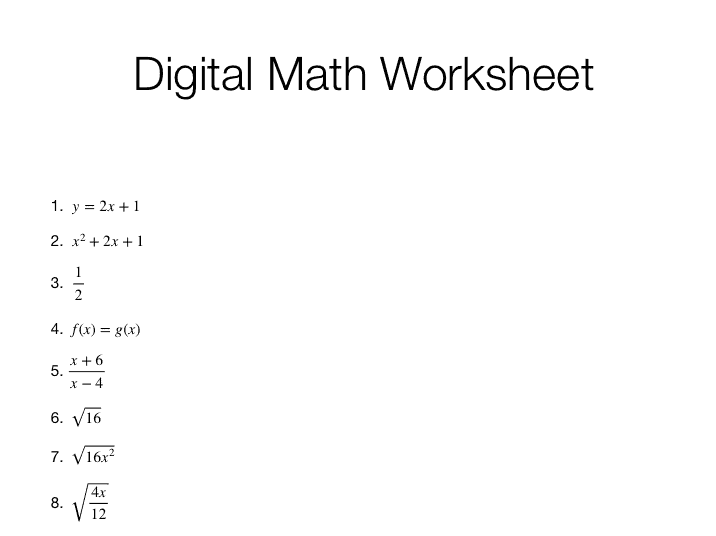
For practice worksheets, include an answer key so the student or adult can check work quickly. For more open-ended problems, give the final answer and, when helpful, a short method or sample steps. This is especially useful for word problems or multi-step computation, where the process matters as much as the result. After drafting, solve every problem yourself to catch typos, unclear wording, or wrong answers. A clean worksheet with a checked key is easier to use and more reliable.