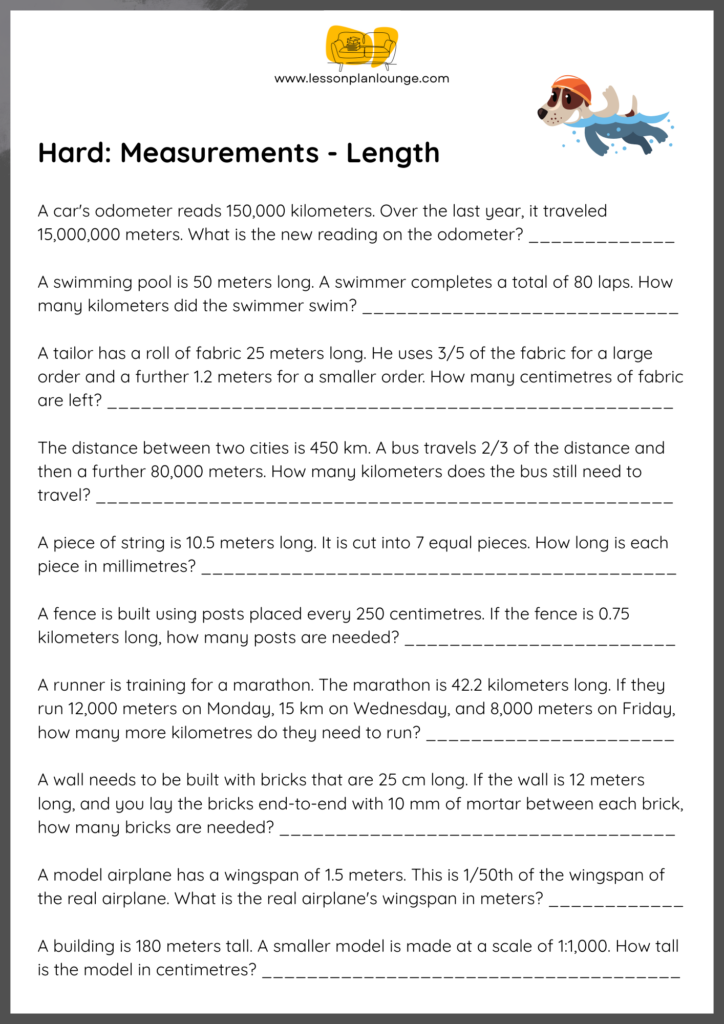
HS math worksheets are most useful when they match both the topic and the student’s current level. The best worksheets give focused practice in areas like algebra, geometry, trigonometry, and precalculus or calculus, instead of mixing too many skills at once. A good worksheet should be easy to scan, clearly labeled, and suited to whether the goal is review, homework support, or test preparation.
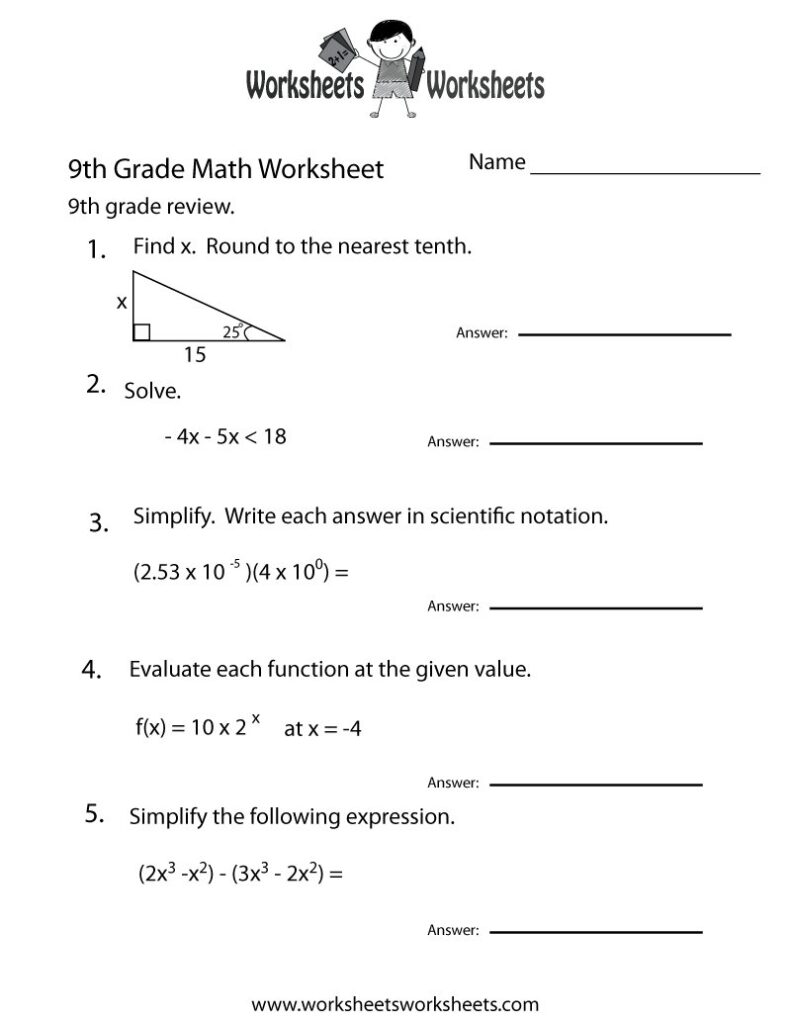
Common worksheet topics
High school math worksheets usually center on the major course strands students see in class. Algebra worksheets often cover linear equations, systems, factoring, and functions. Geometry worksheets may focus on angle relationships, triangles, circles, area, volume, and proofs. Trigonometry practice often includes right-triangle ratios, graphs, identities, and applications. Precalculus and calculus worksheets commonly add polynomial, exponential, and logarithmic functions, limits, derivatives, and basic integration. The most useful worksheets stay narrow enough to reinforce one skill at a time.
Reading level and difficulty
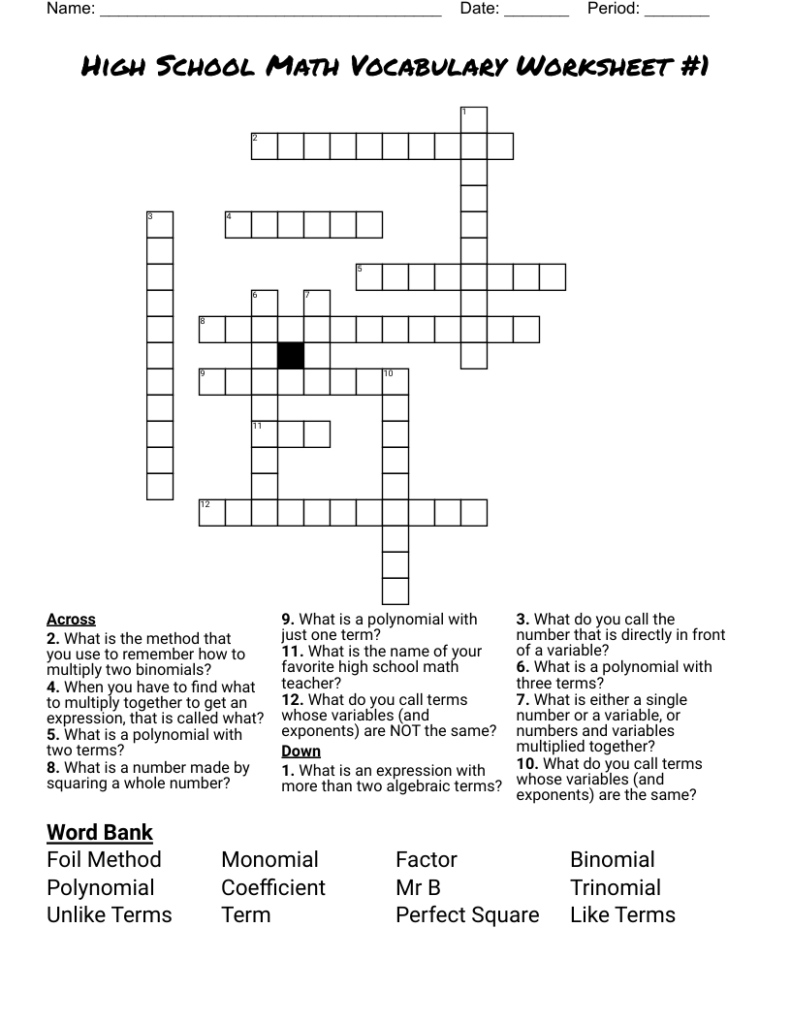
Difficulty is usually shown by grade level, course name, or a label such as beginner, intermediate, or advanced. Some worksheets also note whether they are for Algebra 1, Algebra 2, Geometry, Trigonometry, Precalculus, or Calculus, which helps students avoid material that is too easy or too far ahead. When choosing a worksheet, match the notation and vocabulary to the student’s class. If the directions assume graphing, proofs, or multi-step reasoning, the worksheet is probably designed for a higher level of practice.
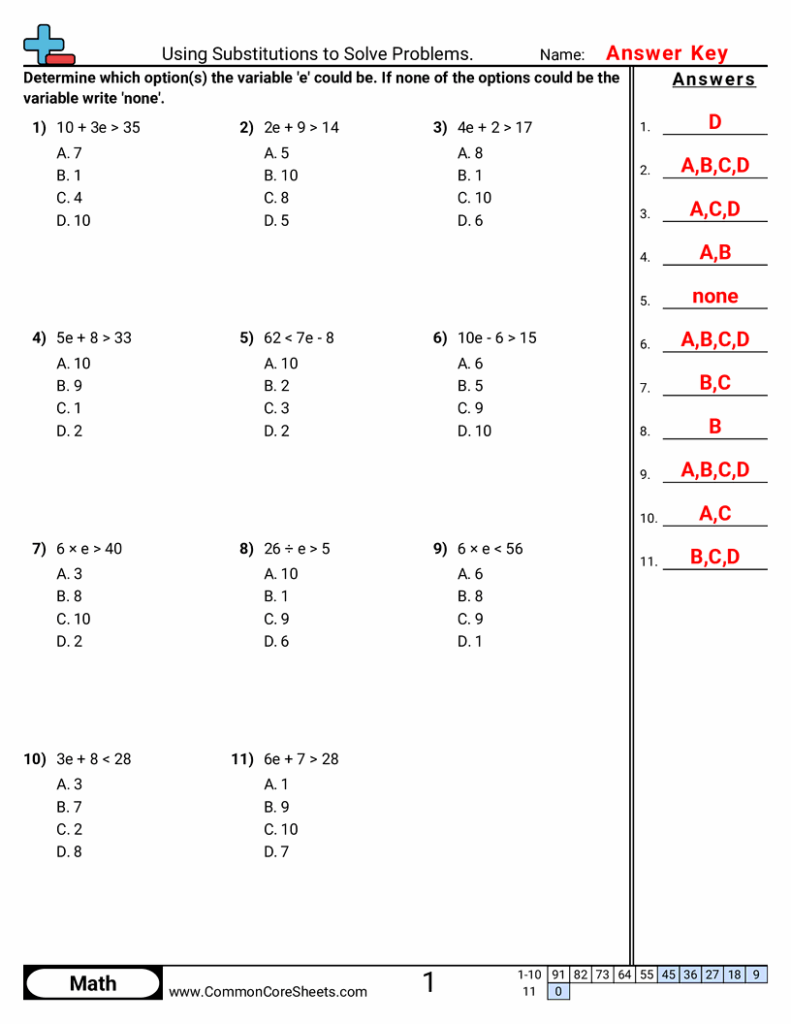
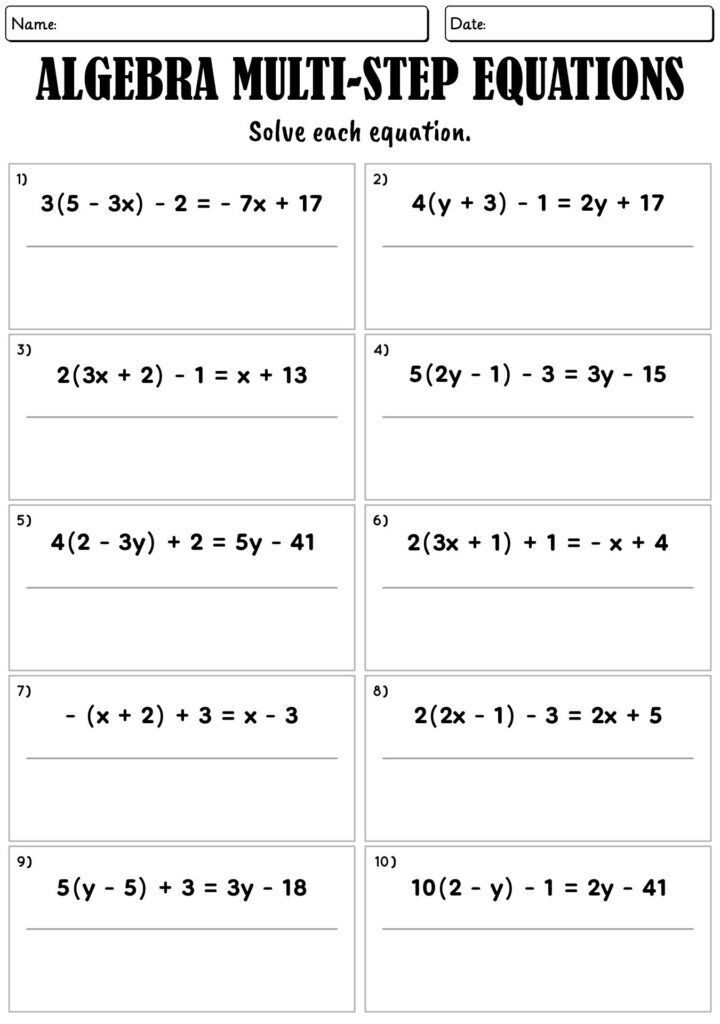
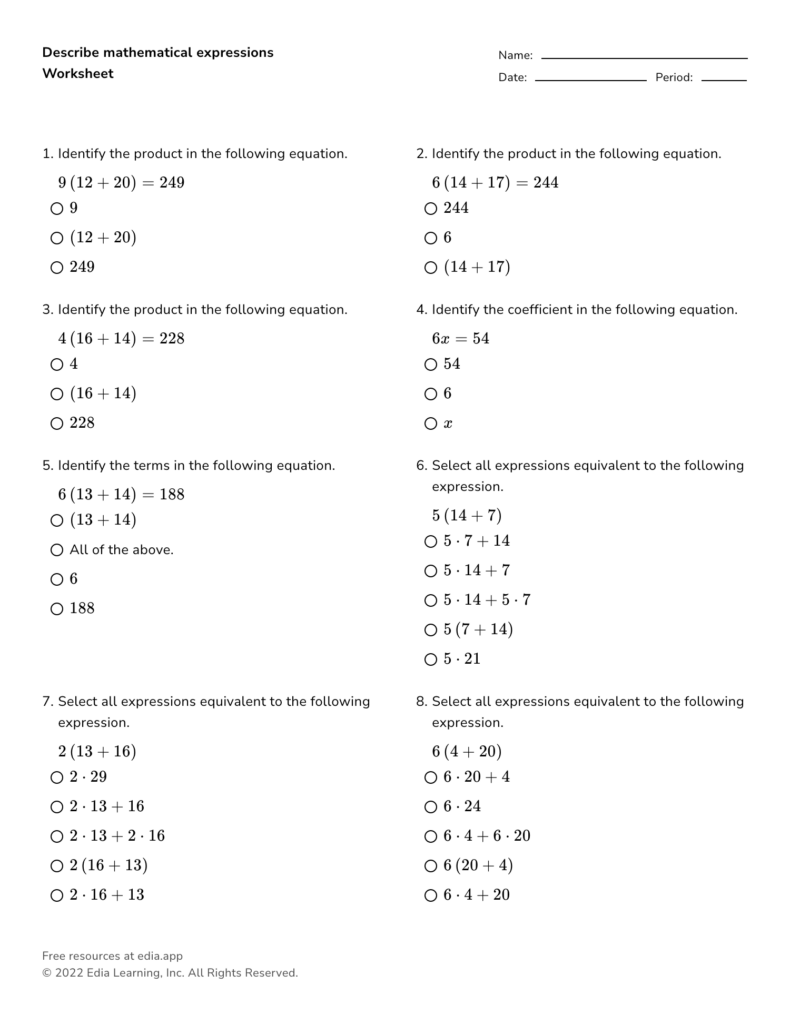
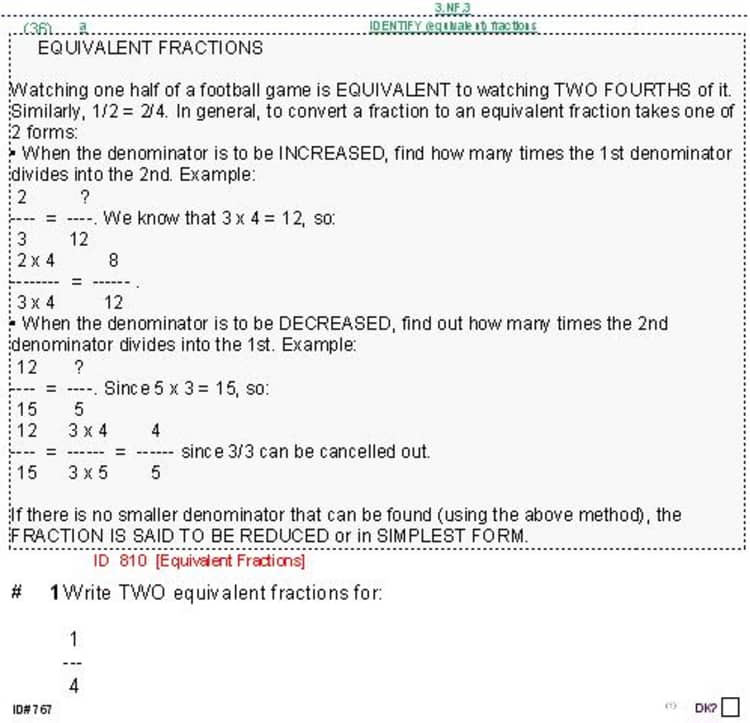
A useful worksheet does more than list problems. Answer keys help students check accuracy and spot mistakes, while worked examples show the method before independent practice begins. Clear instructions, enough space for solutions, and a balanced mix of straightforward and slightly harder problems also improve practice quality. If a worksheet is meant for review, it should include enough repetition to build speed without becoming tedious. For the best results, choose worksheets with answers and use them in short sessions, then revisit missed problems until the method feels familiar.