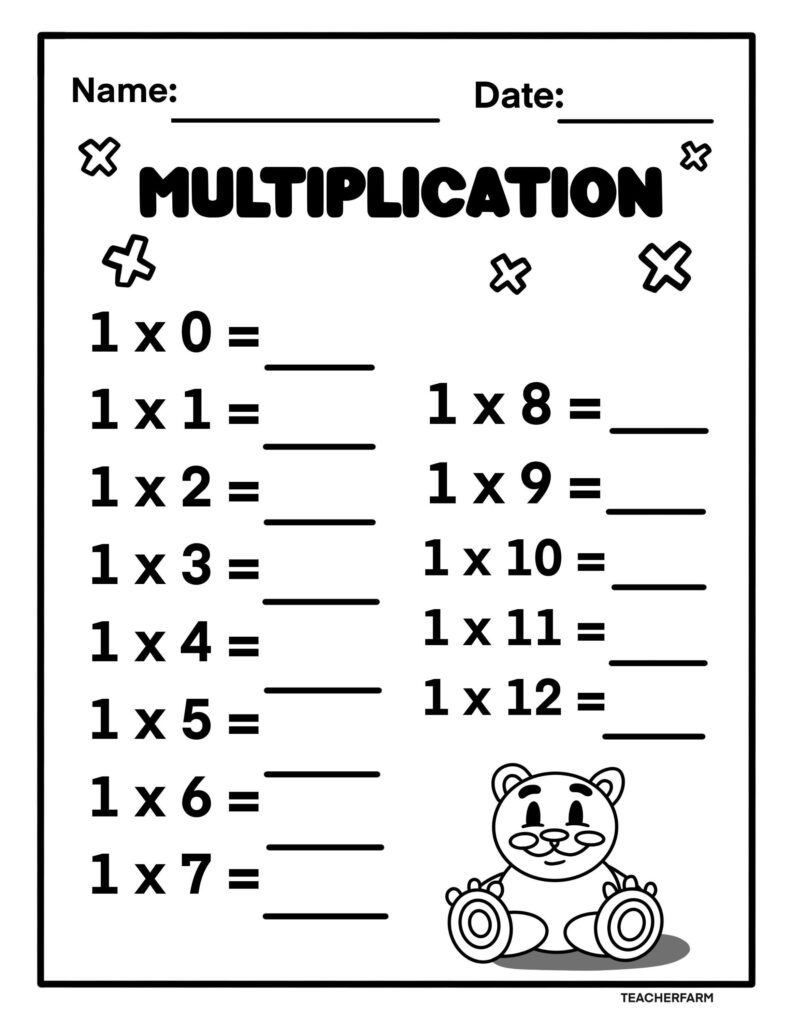
Intro to multiplication worksheets help young learners move from counting individual items to seeing equal groups and simple arrays. At this early stage, the goal is not speed or complex facts. The best worksheets make multiplication feel visual and concrete, so children can connect repeated groups to the idea of “how many altogether” in a clear, manageable way.
What They Teach
Good introductory multiplication worksheets usually start with very small numbers and simple facts, often within the 2s, 5s, or 10s. They may show groups of objects, rows of dots, or neat arrays so children can count by sets instead of one by one. This supports the shift from skip counting to multiplication in a low-pressure way. The strongest beginner pages ask students to circle groups, match pictures to equations, or fill in one-step problems with clear visual support.
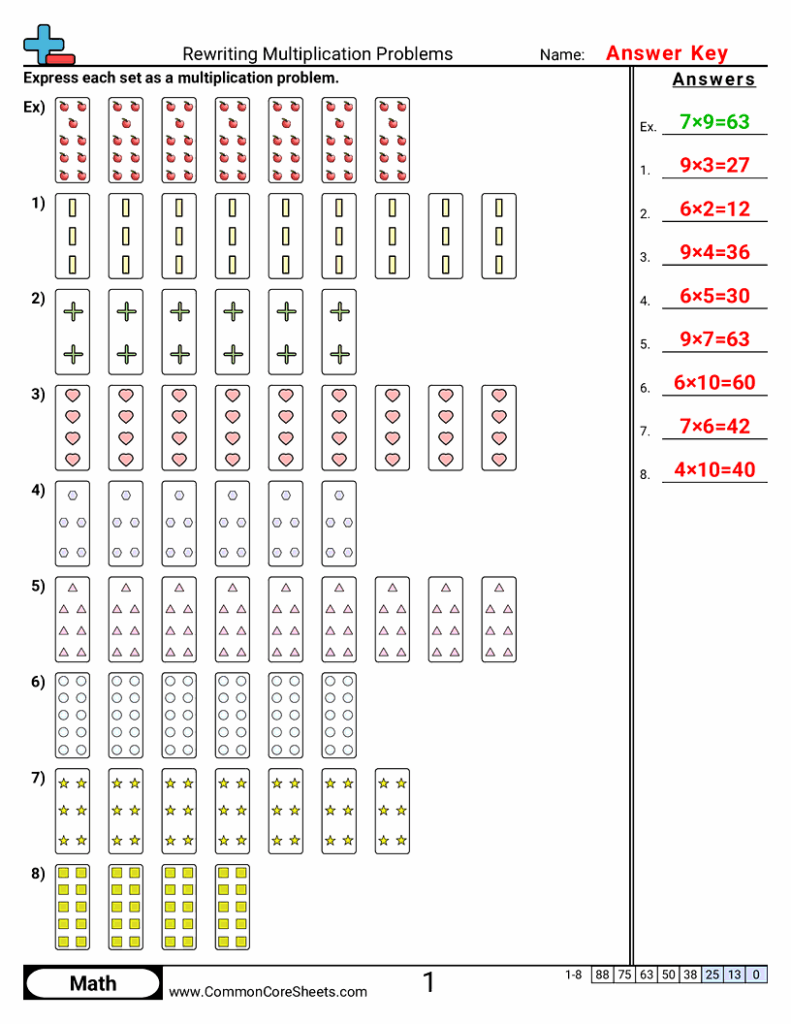
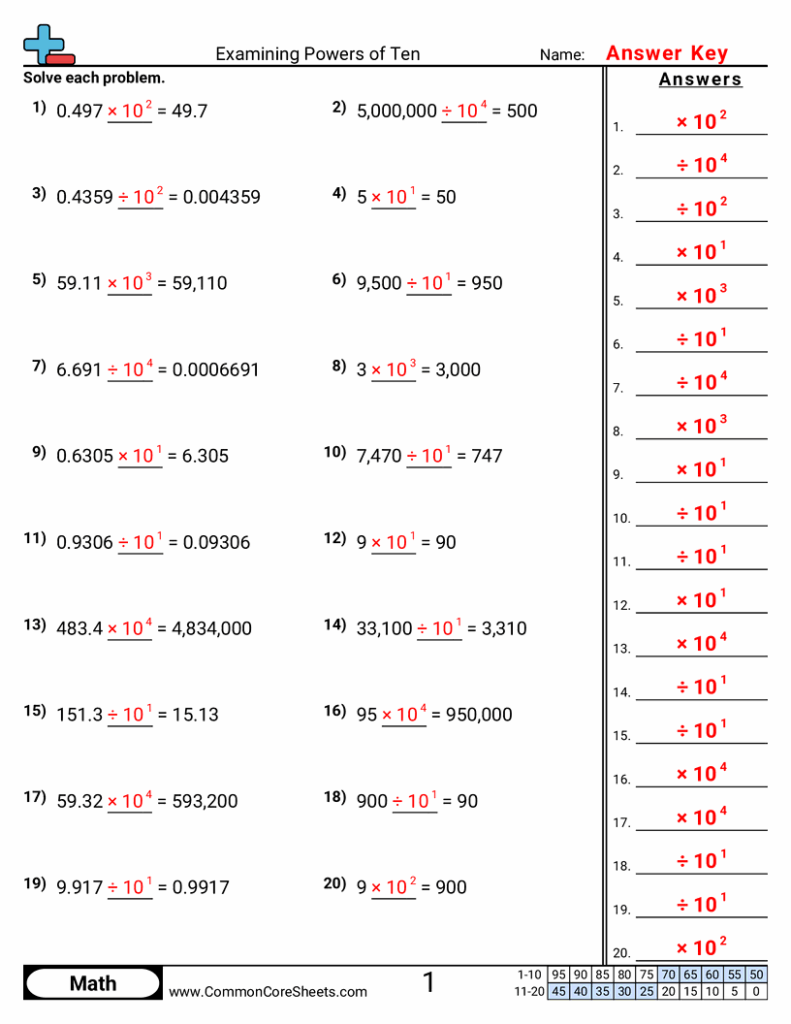
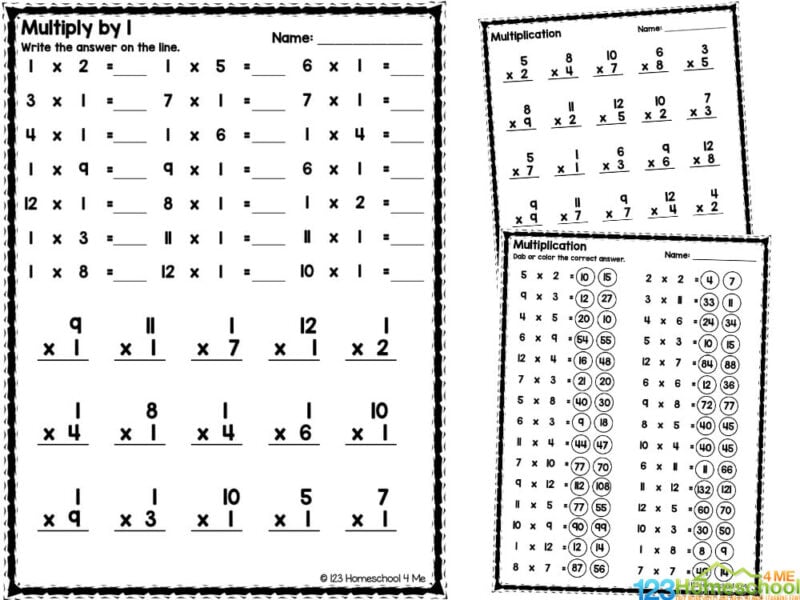
For early learners, usability matters as much as the math itself. Look for clear directions, uncluttered pages, and one skill per sheet so the task feels approachable. A progressive set is especially helpful: first identify equal groups, then count the total, then connect the model to a multiplication sentence. Large print, plenty of spacing, and simple images reduce confusion and let students focus on the concept instead of the layout.
Format Details
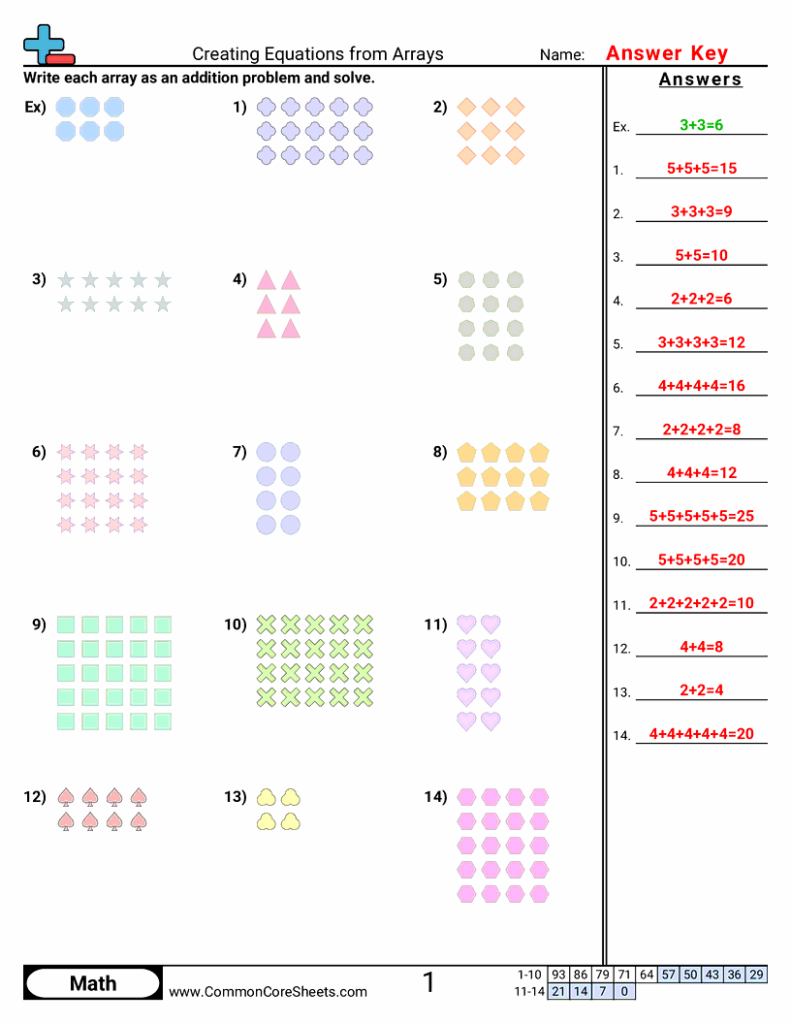
If the resource is meant for classroom or home use, it is helpful when the worksheet is printable and easy to reuse in small practice sessions. Many intro to multiplication worksheets also include answer keys, which make checking work faster for adults and support self-correction when appropriate. Teacher notes, when included, can explain the intended skill level or suggest how to introduce the page, which is useful for guiding very young learners without overcomplicating the lesson.
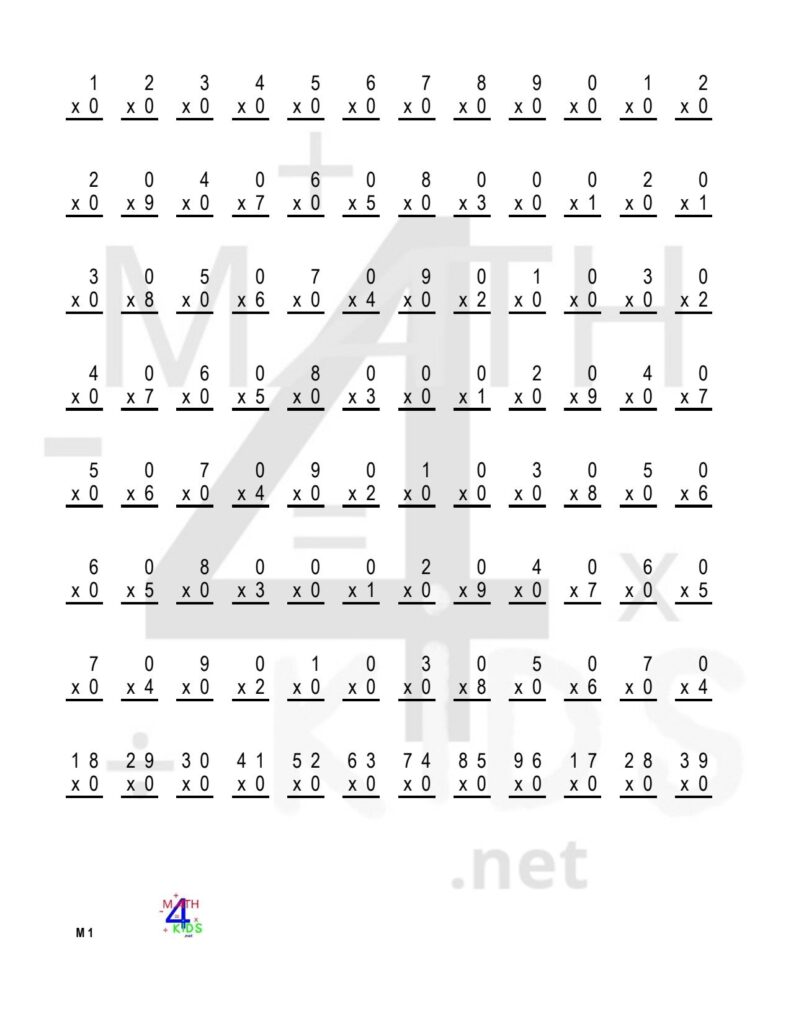
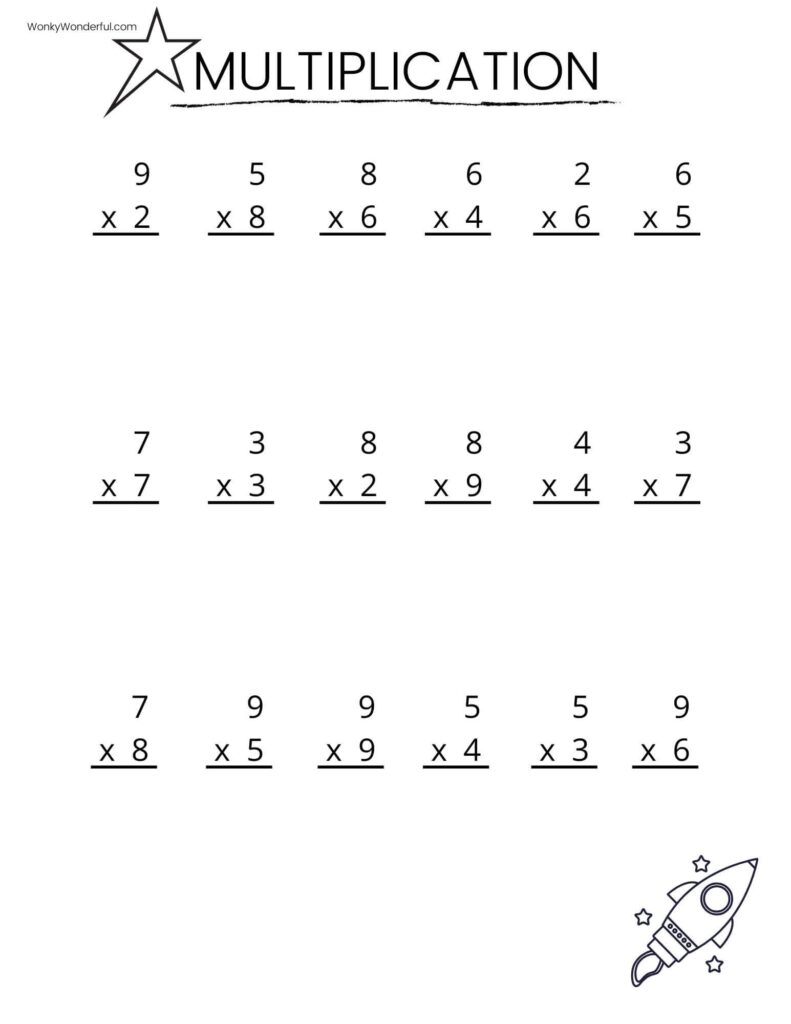
The best intro to multiplication worksheets stay focused on the basics: tiny numbers, visual models, and a gradual move from counting groups to writing multiplication facts. If a worksheet is easy to read, clearly structured, and built for beginning practice, it gives young learners a solid first step into multiplication without overwhelming them.