
Fine motor worksheets for homeschool can give young learners focused practice with the small hand movements they need for writing and daily tasks. In a home setting, these pages work best when they are simple, short, and tied to a clear skill, such as tracing, cutting, coloring, or pencil control. The goal is not busywork; it is to build comfort, accuracy, and confidence.
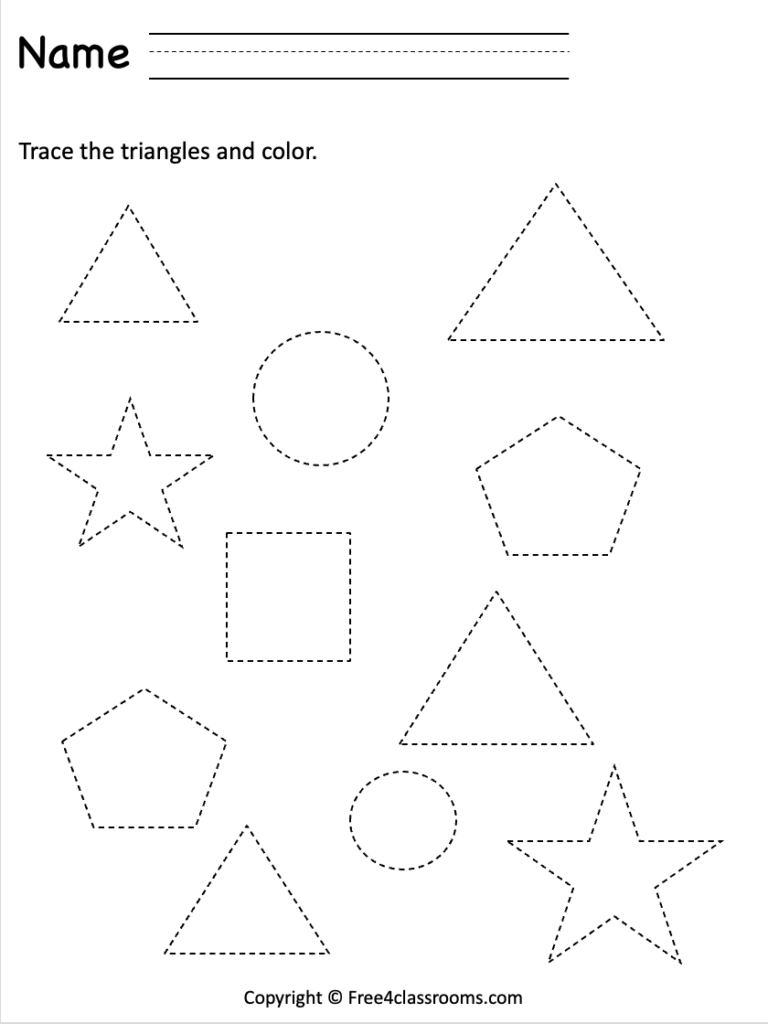
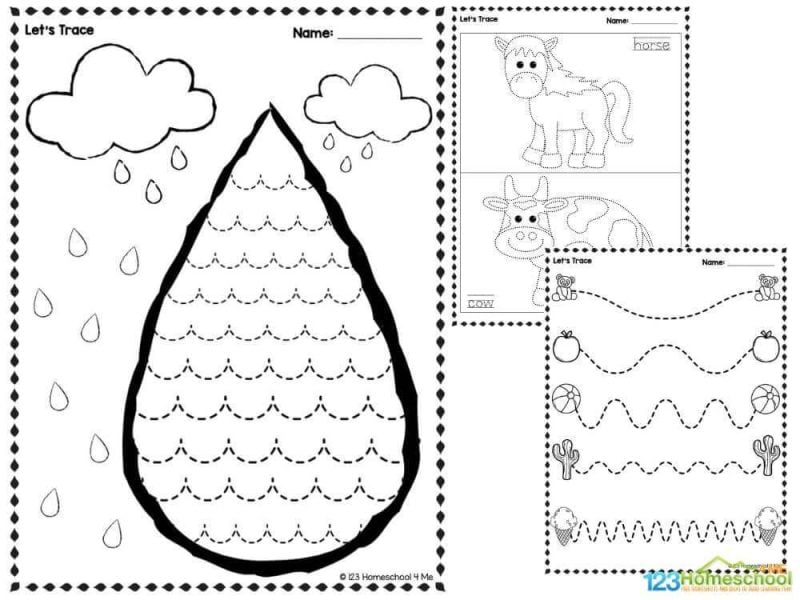
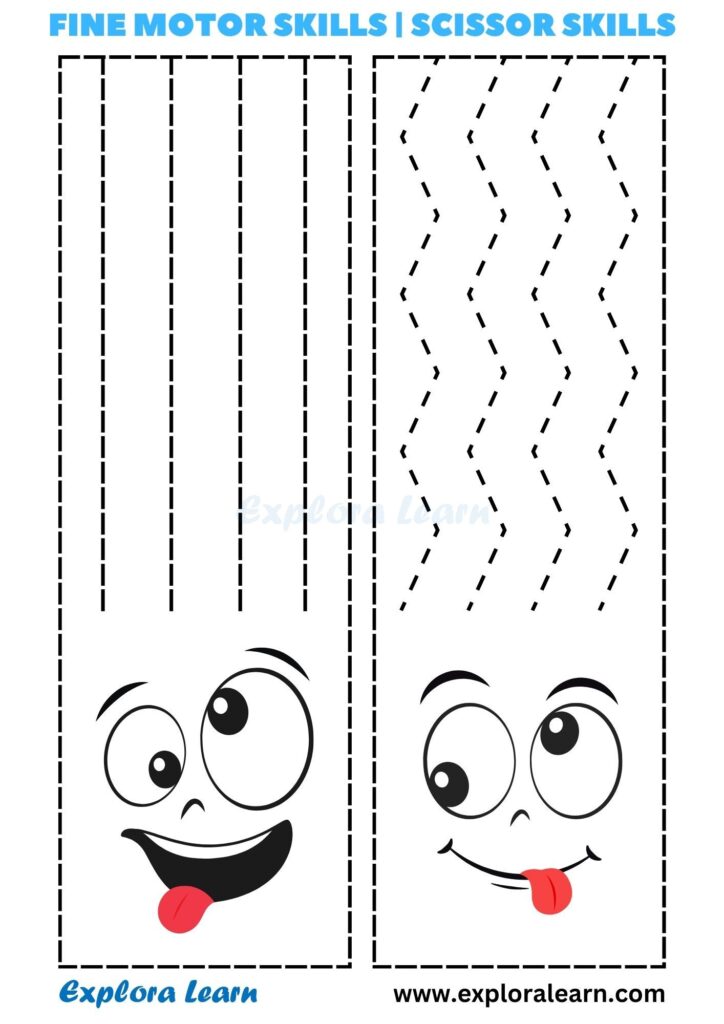
In the homeschool context, fine motor worksheets target the muscles and movements that support early writing readiness. Common skills include hand strength, finger isolation, bilateral coordination, tracing lines and shapes, cutting along paths, and following pre-writing strokes like lines, curves, circles, and zigzags. These activities help children learn to guide a pencil, stay on a path, and control pressure before expecting longer writing tasks. A good worksheet should feel skill-based, not overwhelming.
Choose by Readiness
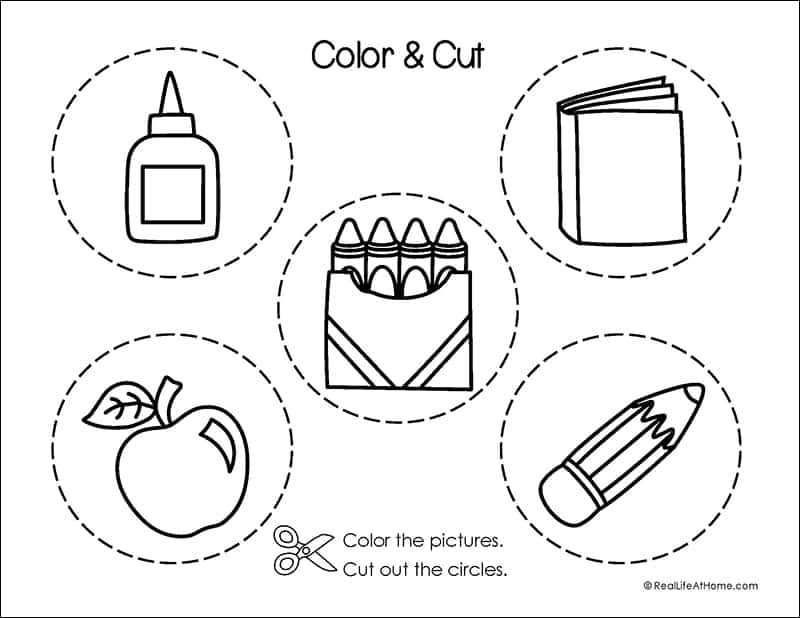
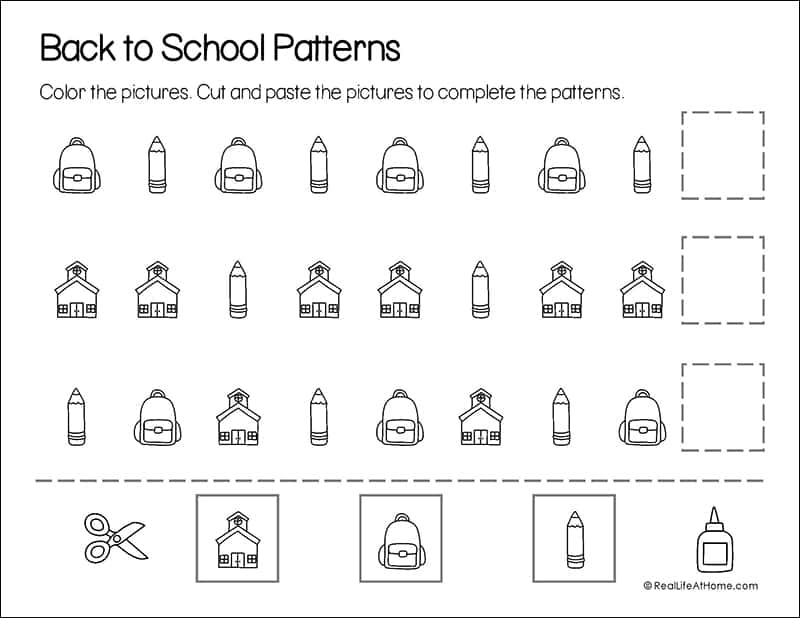
Age matters, but readiness matters more. For preschoolers, look for large tracing paths, simple straight lines, heavy cutting guides, and basic stroke practice that uses minimal writing demand. Early elementary learners are often ready for narrower lines, more detailed tracing, repeated pattern work, and shorter writing sequences that build endurance. The best match is one that the child can do with some effort but without constant frustration.
If a page is too easy, it may not build much skill; if it is too hard, it may turn into guessing instead of practice.
Use Them Well
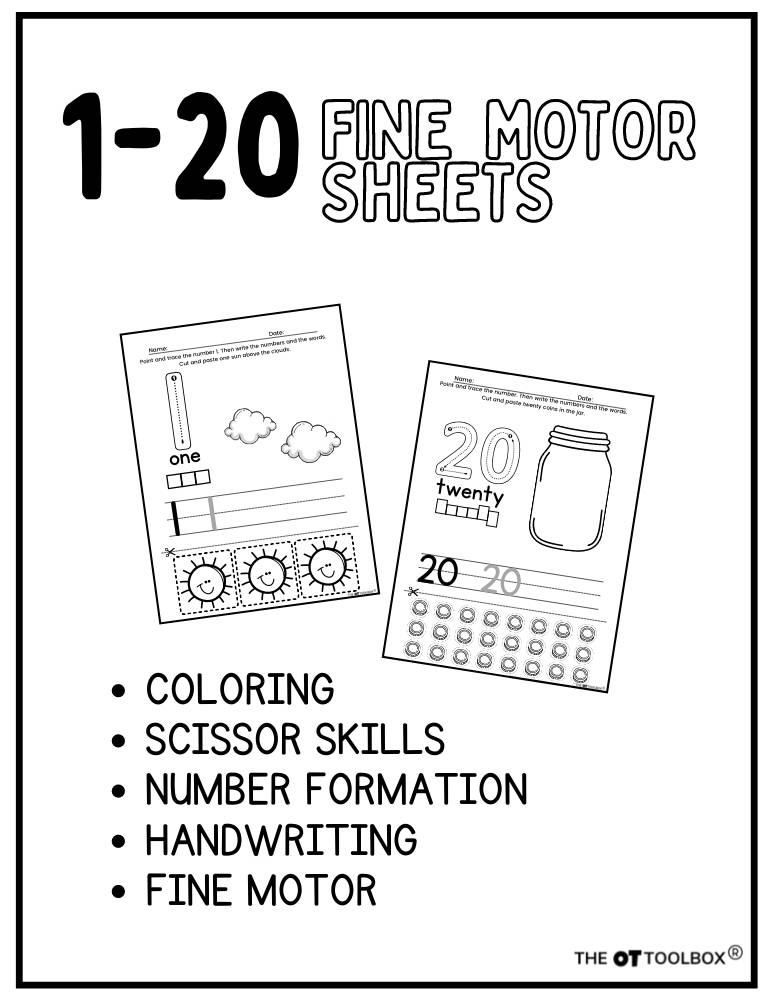
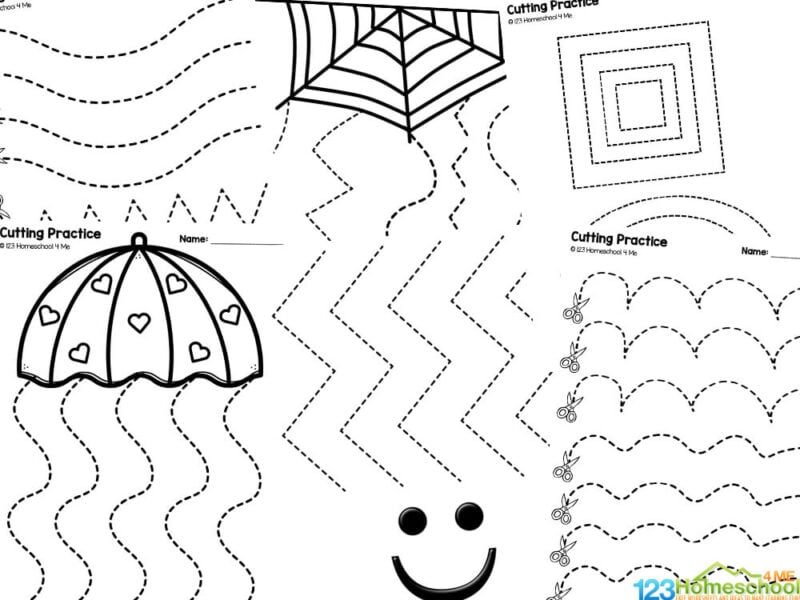
Fine motor worksheets work best in short sessions, especially at home. A few minutes at a time is usually enough for young children to stay focused and use good form. Pair the worksheet with hands-on materials when possible: crayons, tweezers, playdough, stickers, or scissors can make the same skill more concrete. For example, a tracing page can follow finger tracing in sand, or a cutting page can come after snipping paper strips. This kind of variety helps children transfer the skill from play into paper work.
Keep expectations developmentally appropriate. A child does not need perfect lines or neat cutting to benefit from practice. What matters is gradual improvement in control, attention, and confidence. Rotate worksheet types so the child works on different skills instead of repeating the same one too long. If a page causes fatigue, shorten the task or switch to an easier version. The most effective fine motor worksheets for homeschool are the ones that fit the child’s current stage and leave room for steady progress.



