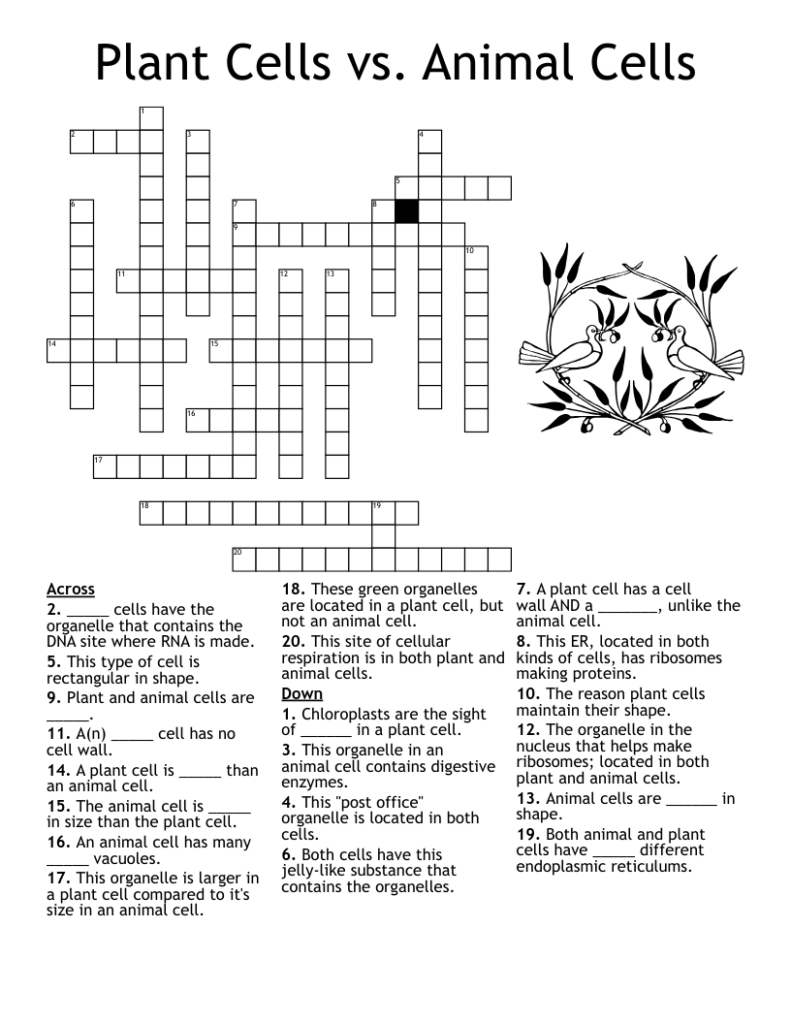
A plant and animal cells worksheet is most useful when it helps students compare the two cell types at a basic level. The best versions focus on the main structures children are expected to recognize, such as the cell wall, chloroplasts, vacuoles, nucleus, cytoplasm, and cell membrane. That makes it easy to tell whether the worksheet supports simple biology practice or goes beyond the intended lesson.
Core Cell Differences
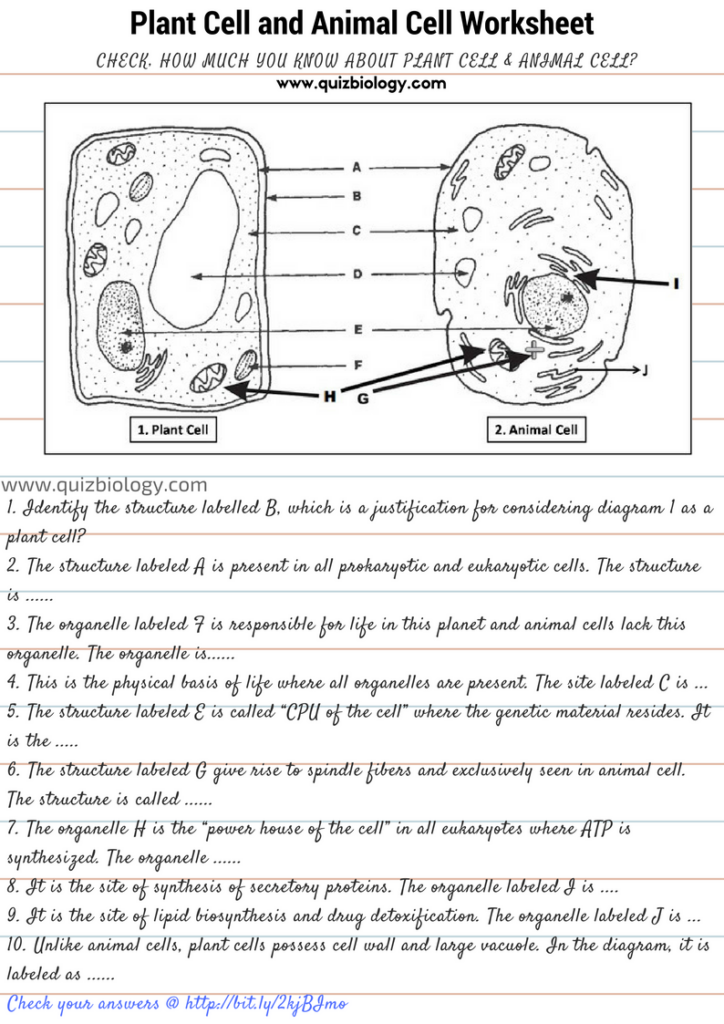
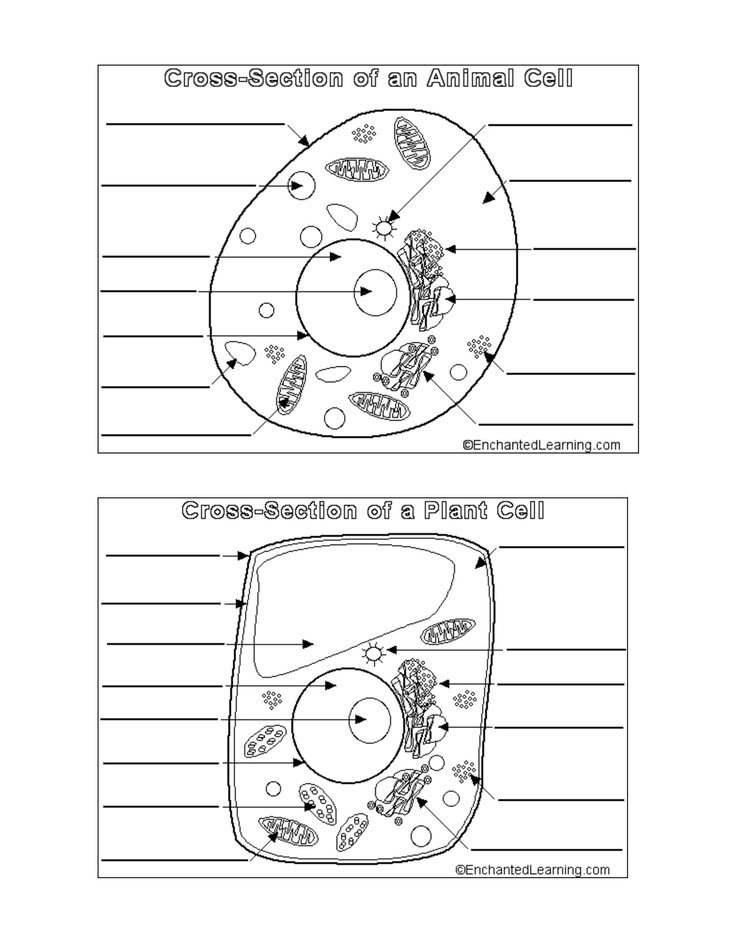
Look for a worksheet that clearly highlights the biggest plant-versus-animal differences. Plant cells should be shown with a cell wall, chloroplasts, and a large central vacuole. Animal cells should be shown without a cell wall or chloroplasts, and with smaller vacuoles. These features are the heart of a basic comparison lesson, so a strong worksheet makes them easy to spot through diagrams, labels, or side-by-side charts.
Shared Parts to Identify
A good worksheet should also remind students that plant and animal cells share important parts. The nucleus, cytoplasm, and cell membrane belong in both types of cells, and students should practice identifying them in each diagram. This helps the worksheet teach that cells are not completely different, only built with some different structures. Simple matching or labeling tasks work well for reinforcing these shared organelles.
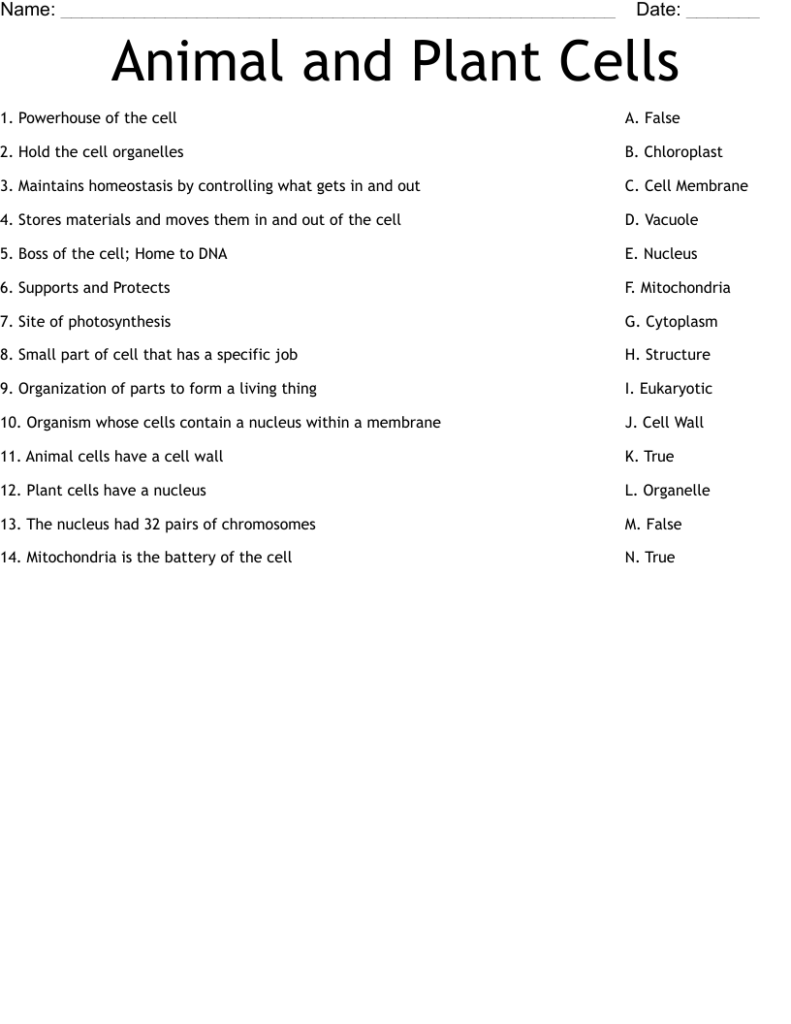
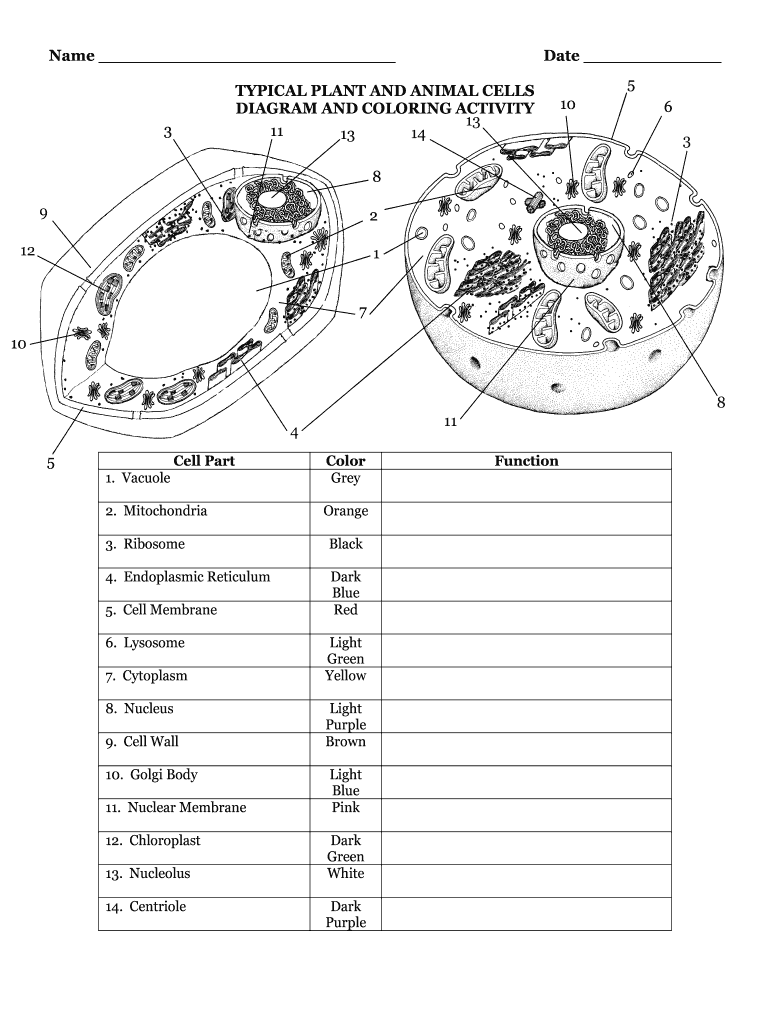
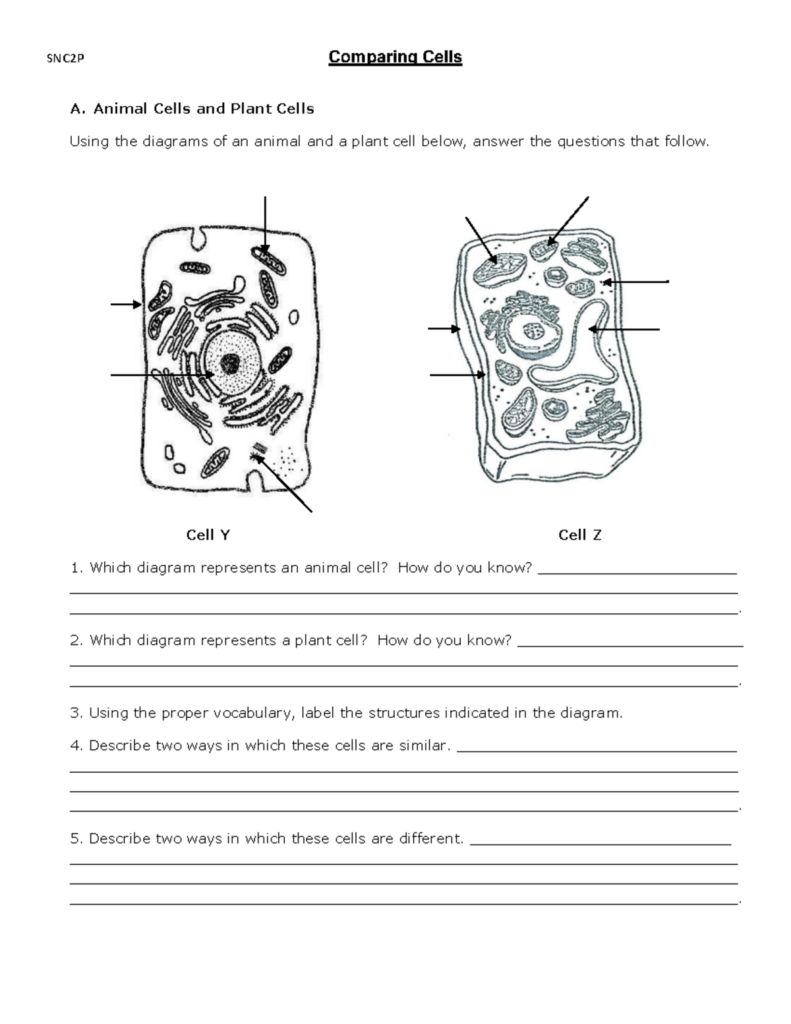
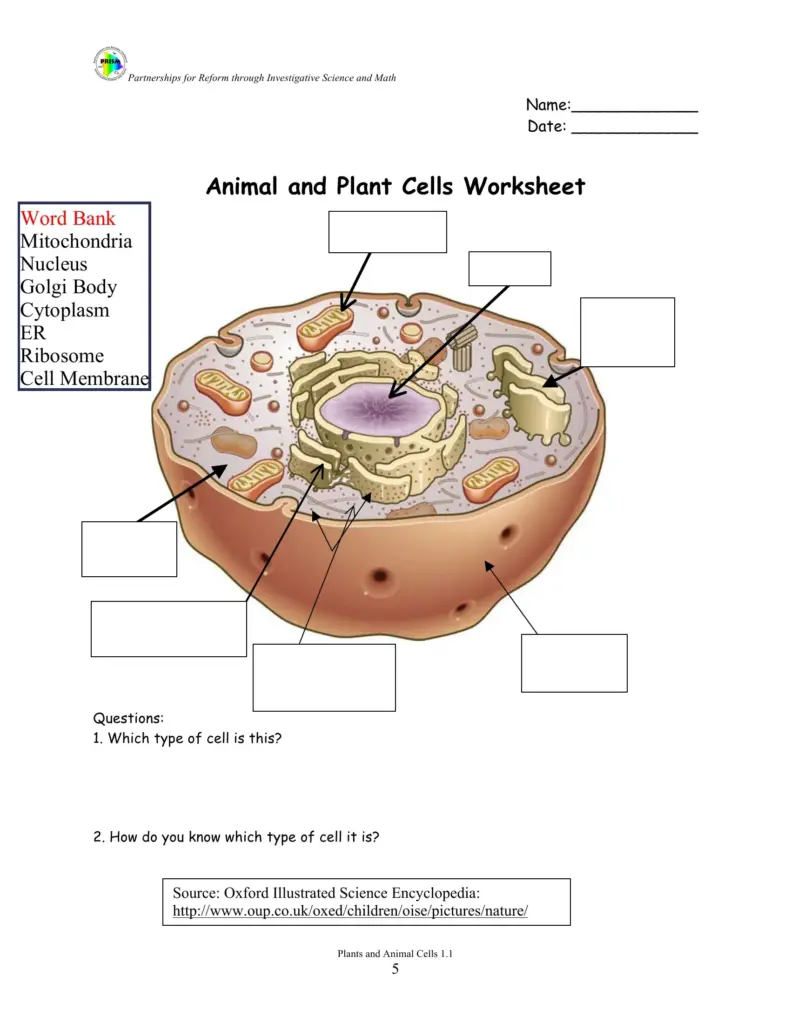
The task type matters just as much as the content. A useful worksheet may ask students to label diagrams, match organelles to definitions, color-code plant and animal cells, or complete a compare-and-contrast chart. For elementary or middle-school science, the activity should stay straightforward and visual, with clear instructions and limited vocabulary. If it helps students practice the basic cell differences and similarities, it is likely a good fit for this level.