
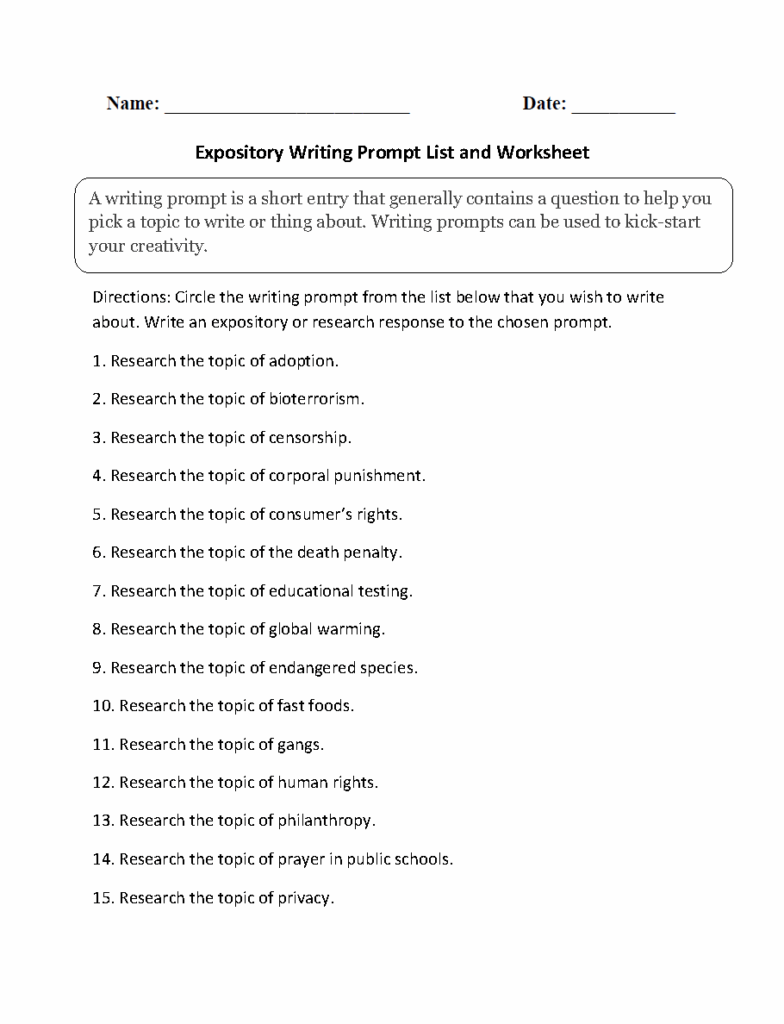
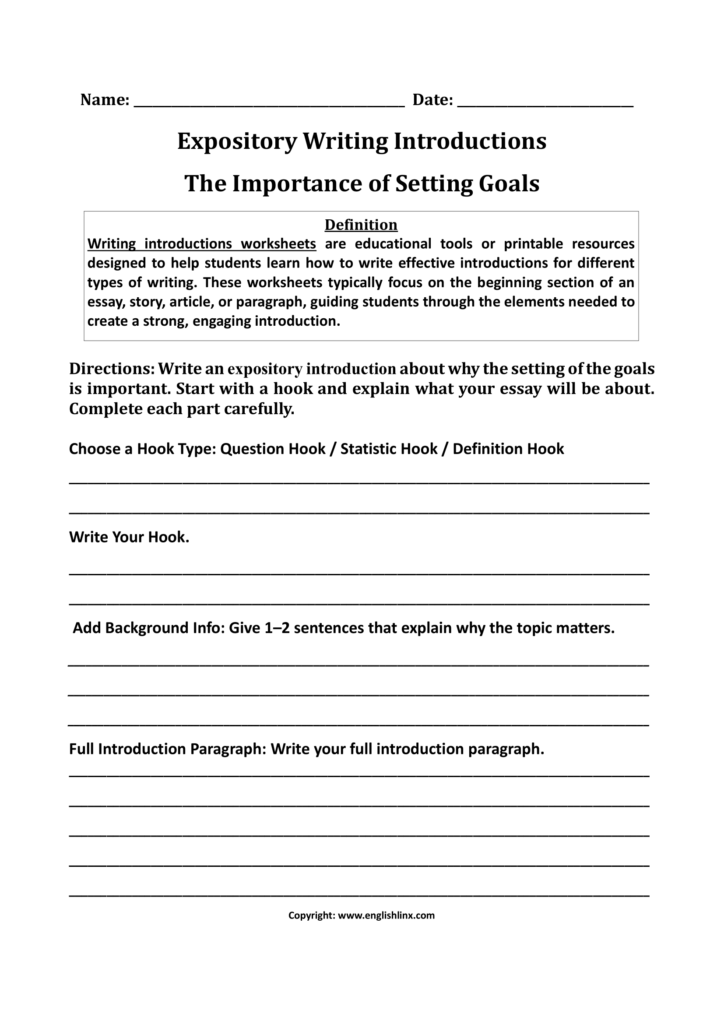
Expository writing introduction worksheets help students practice the part of an essay that matters first: the opening paragraph. Good worksheets focus on three skills at once—writing a hook, introducing the topic, and ending with a clear main idea or thesis. They are most useful when they give students enough support to write an introduction independently, but not so much that the response is already written for them.
What They Teach
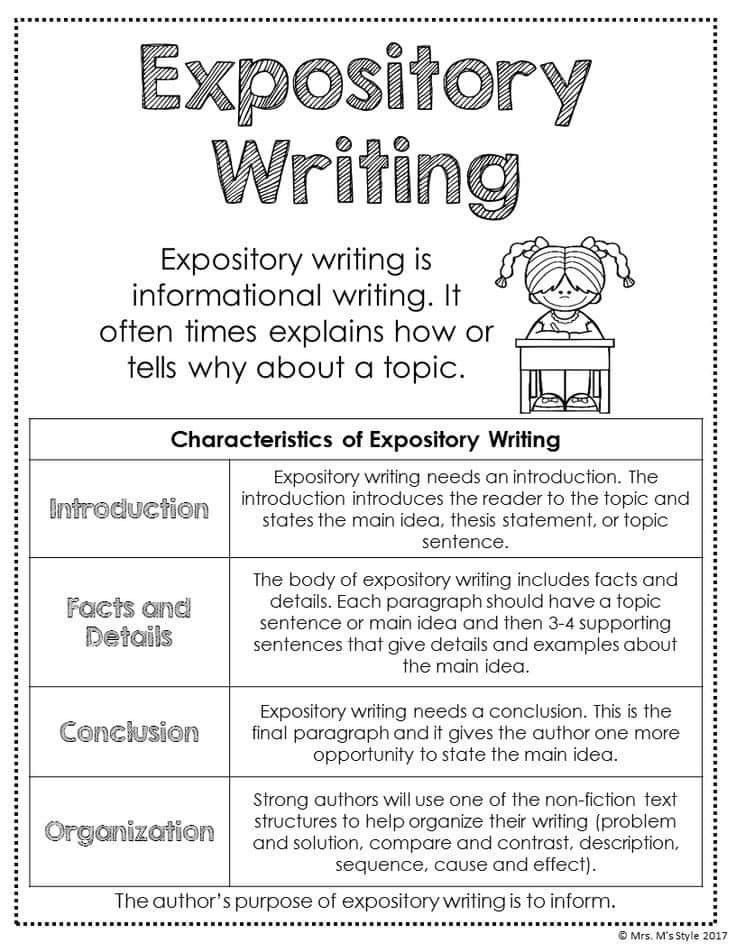
The best expository writing introduction worksheets teach students how an introduction sets up the entire piece. A strong worksheet may ask learners to choose a hook, match a topic sentence to a prompt, or build a thesis from sentence starters. For younger students, that support might look like fill-in-the-blank frames or examples to sort. For older students, it should move toward independent writing, where they practice opening with interest, naming the topic, and stating what the paragraph will explain.
Choosing the Right Support
Age and grade level matter when choosing these worksheets. Early elementary students usually need visual cues, word banks, and simple prompts such as “Did you know?” or “One important thing about…” Upper elementary and middle school students benefit from models, guided outlines, and space to revise weak openings. The strongest worksheets match the amount of scaffolding to the learner’s needs. If a worksheet is too open-ended, students may stall; if it is too structured, they may not learn how to write the introduction themselves.
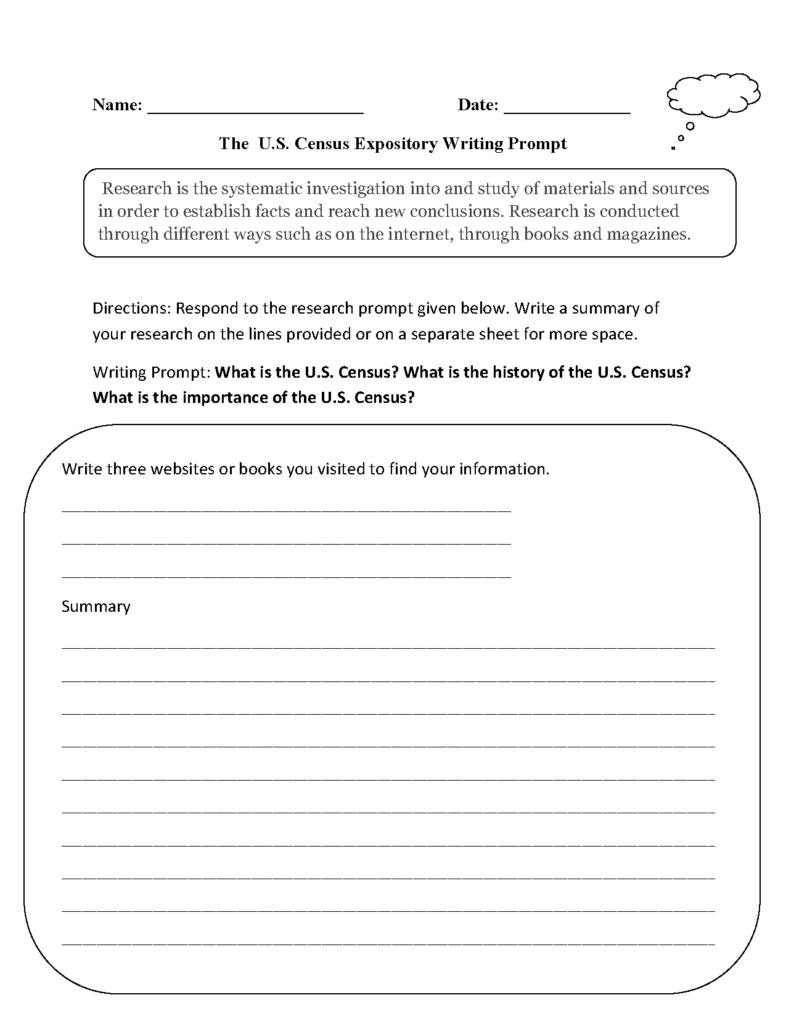
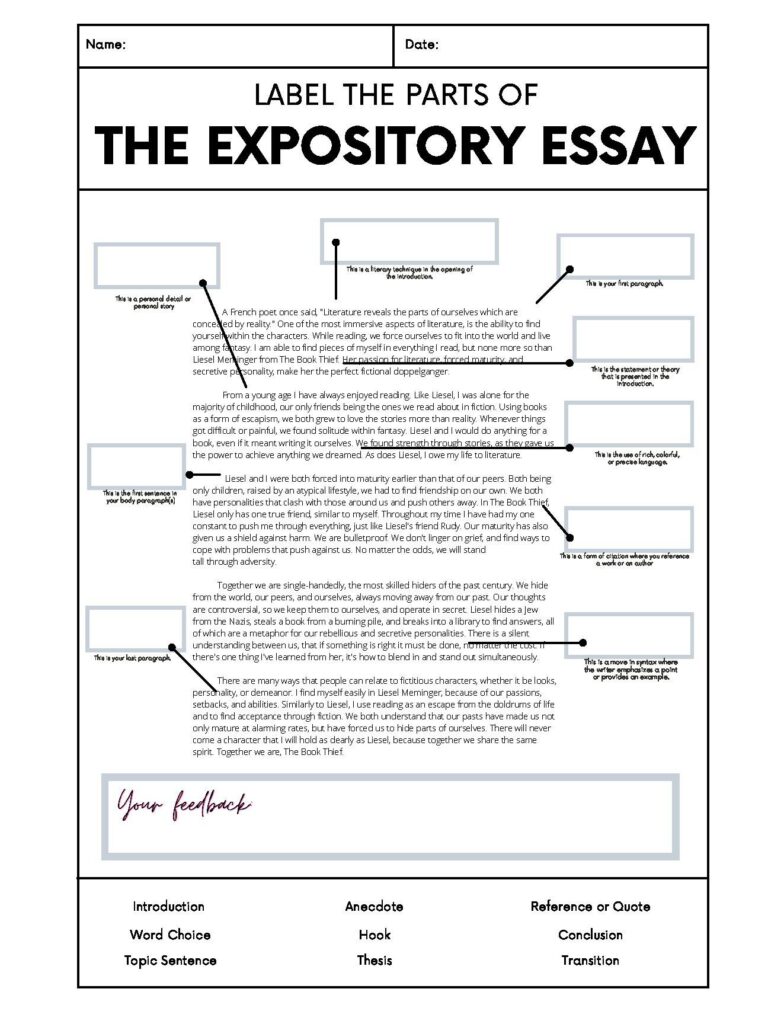
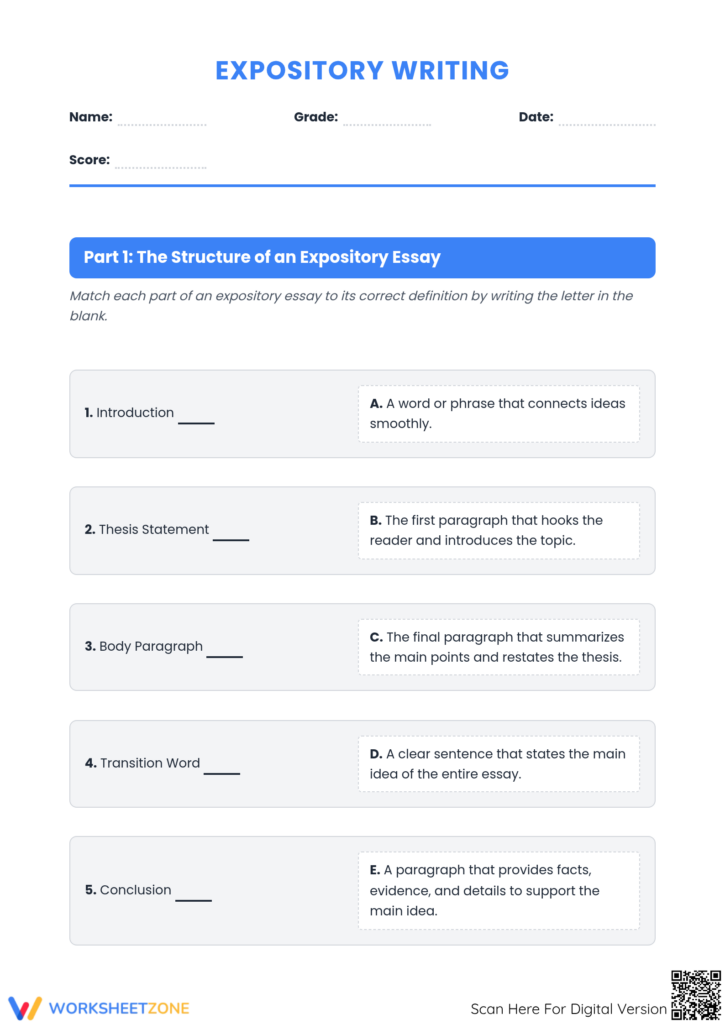
These worksheets work well as short warm-ups, small-group practice, independent seatwork, or homework. Teachers can have students draft one introduction, compare it to a model, and then revise for stronger hooks or clearer thesis statements. At home, a parent or tutor can read the prompt aloud, talk through possible openings, and help the student check whether the topic is clear in the first two sentences. The goal is repeated practice with the opening paragraph, so students become more confident before moving on to a full essay.



