
A habitat animals worksheet helps young children practice a simple science skill: matching animals to the places they live. The best version keeps the task clear, visual, and low-pressure, so early learners can recognize basic habitats without needing reading-heavy directions. It should use familiar animals, simple pictures, and an activity format that lets students connect each animal to the correct home.
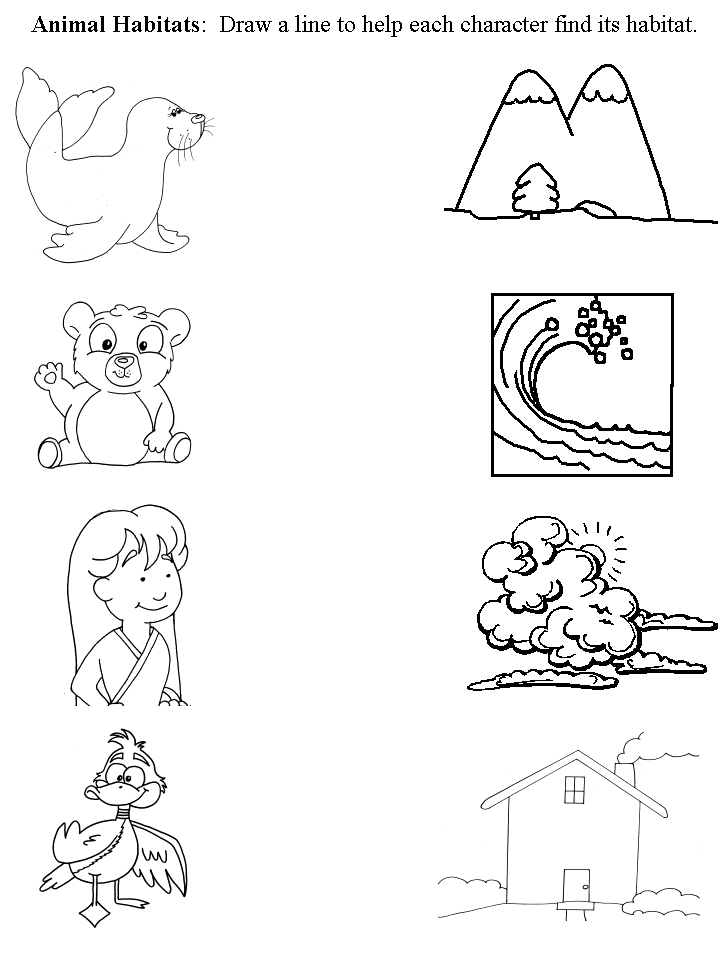
What to Match
The core task should be easy to understand at a glance. Children should look at an animal and choose the habitat that fits it best. Keep the habitat choices familiar, such as forest, ocean, desert, grassland, farm, or pond. Examples for young learners might include fish in water, a camel in the desert, a bear in the forest, a frog near a pond, or a cow on a farm. The goal is basic recognition, not detailed science facts or tricky exceptions.
Best Worksheet Formats
The worksheet format should support hands-on practice. Cut-and-paste pages work well because students can move animal pictures into the right habitat box. Matching lines, circle-the-answer items, and simple labeling are also useful for this age group. A coloring version can add variety, especially if children color the habitat after matching it. Clear picture clues matter more than long instructions, so the page should feel visual, uncluttered, and easy to complete independently or with light support.
For early learners, keep the layout simple and the number of choices small. Two to four habitat options are usually enough on one page. Use large images, bold outlines, and short labels that adults can read aloud if needed. Avoid confusing animals that could live in more than one place, since the activity should build confidence with basic habitat recognition. The worksheet should feel successful right away, helping children notice that some animals belong together with certain homes.
A strong habitat animals worksheet gives children a quick, clear way to practice a foundational life-science idea. When the animals are familiar, the habitats are limited to common settings, and the format is easy to use, the worksheet becomes immediately classroom-friendly. Choose one simple activity style, keep the directions short, and focus on correct matching. That combination makes the resource practical for preschool, kindergarten, or early elementary practice.



