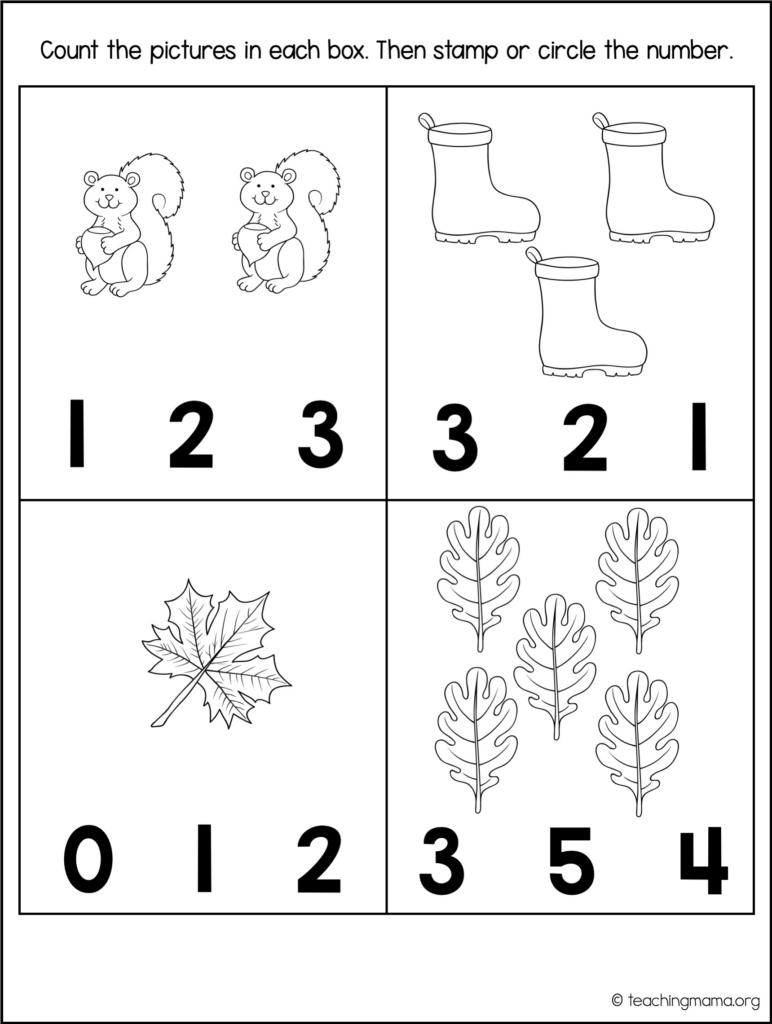
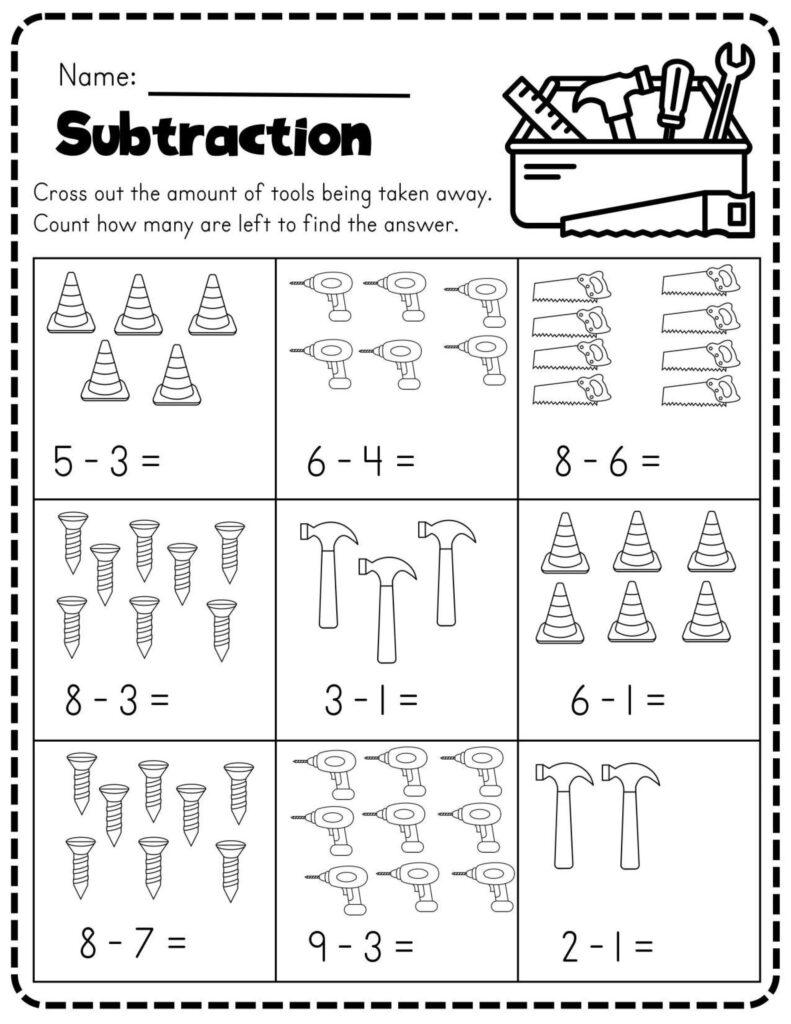
Prek math worksheets are a simple way to give preschoolers short, focused practice with early math skills. The best pages keep children busy with one clear task at a time, such as counting objects, naming numbers, matching shapes, or finishing a simple pattern. For this age group, the worksheet should feel playful, visual, and easy to understand at a glance.
Core Skills to Practice
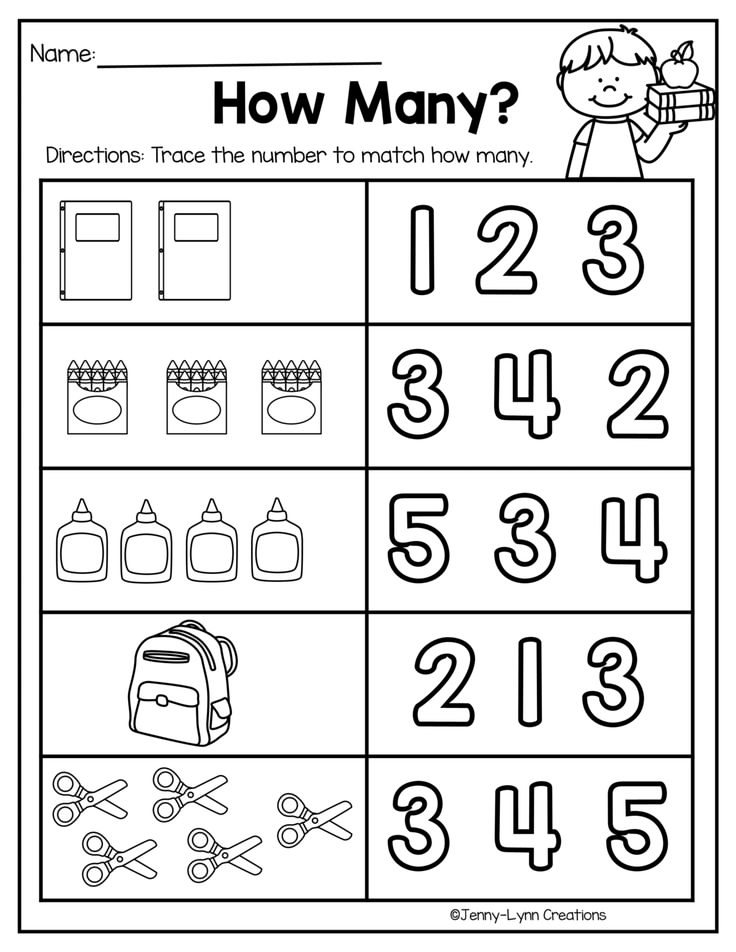
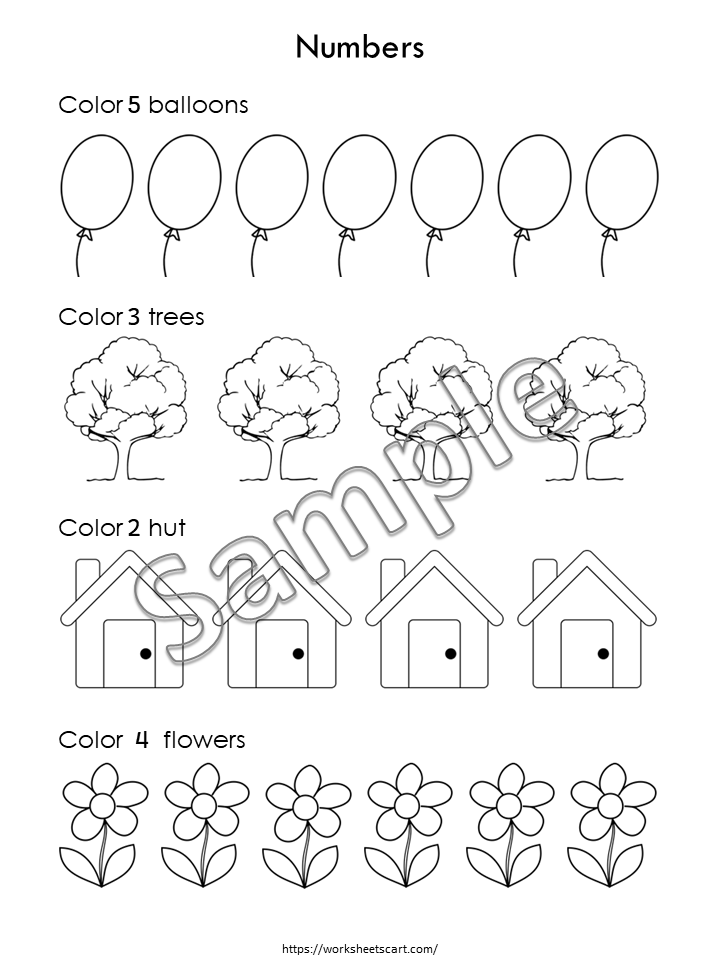
A strong set of prek math worksheets usually includes counting, number recognition, shapes, sorting, and basic patterning. Counting pages might ask children to circle three apples or connect dots in order. Number recognition can use large numerals paired with pictures. Shapes worksheets often focus on finding or tracing circles, squares, triangles, and rectangles. Sorting activities may group by color, size, or type, while pattern pages use simple AB sequences that children can copy or complete.
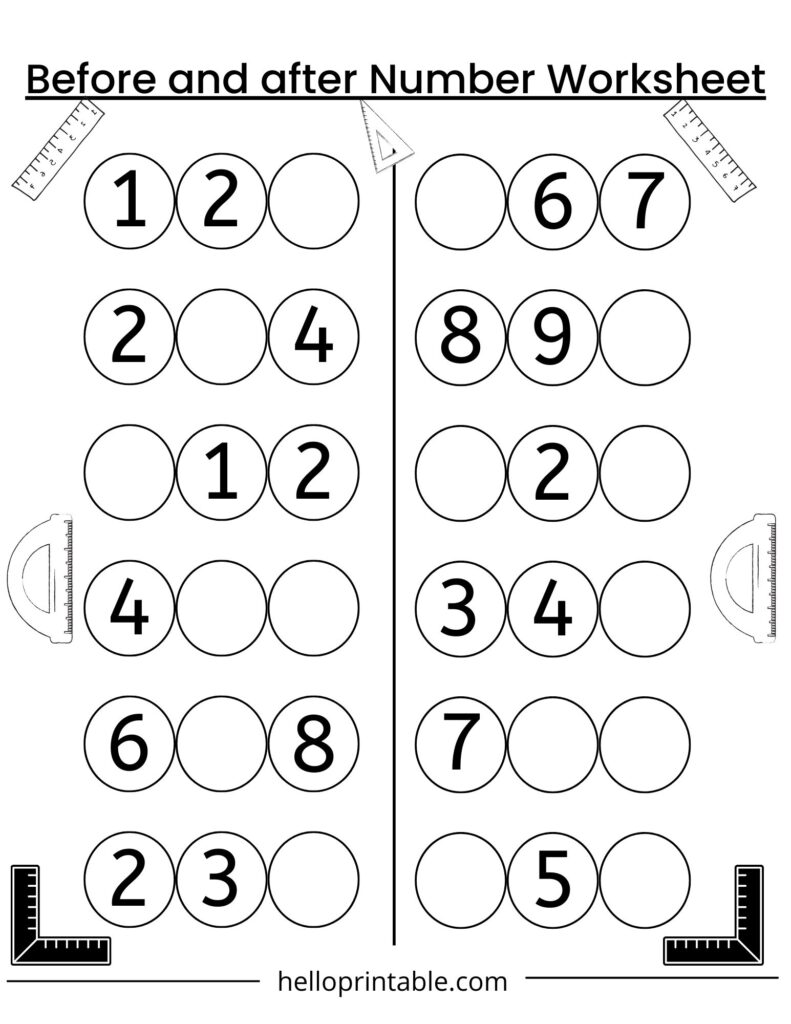
Age-appropriate worksheets for preschoolers should rely on large visuals, minimal text, and short directions. Tracing lines, matching games, coloring by number, and circling the correct answer all work well because they are easy to finish in a few minutes. It also helps when each page has only one skill, so children are not juggling too many steps. Clear spacing matters too, since young learners need room to point, trace, or mark answers without feeling crowded.
Choosing the Right Level
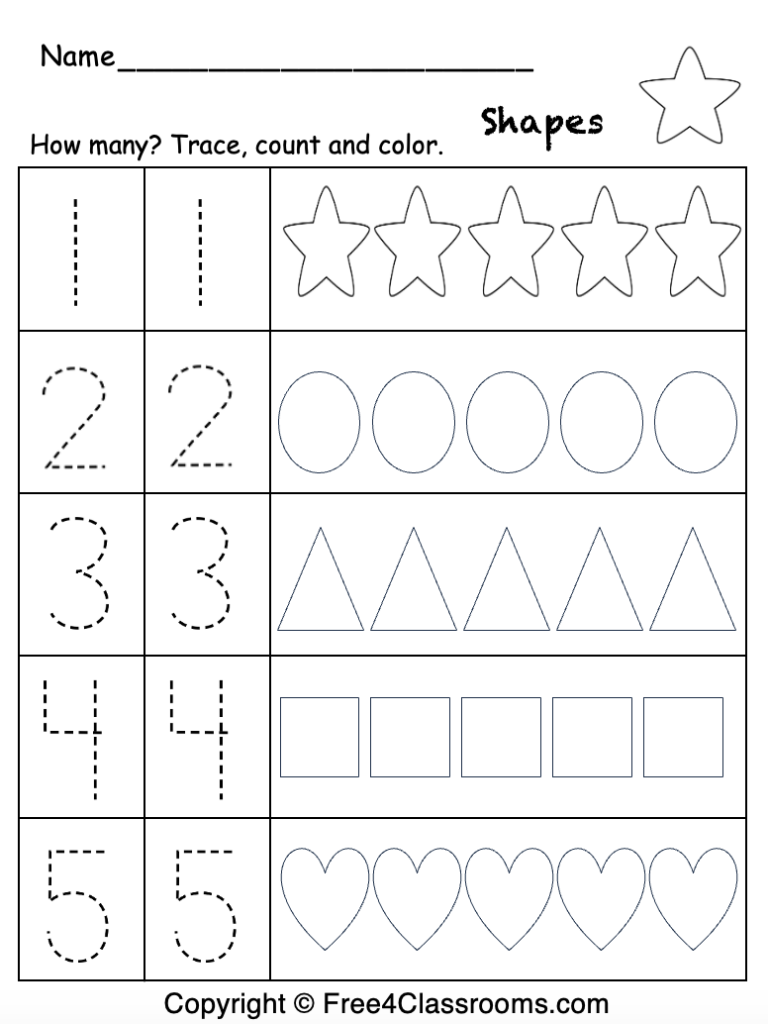
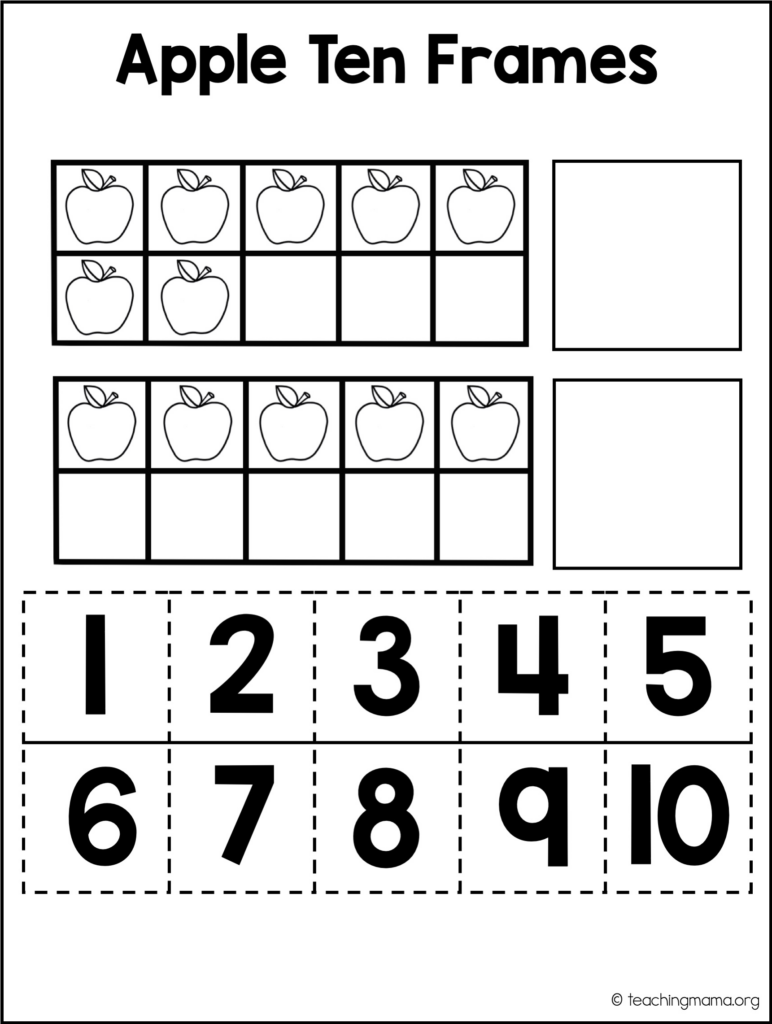
Matching worksheet difficulty to a preschooler’s attention span is just as important as the skill itself. Some children can handle one short page at a time, while others do best with just a few items before taking a break. If a worksheet feels too hard, reduce the number of questions or choose pages with larger clues and more visual support. If it feels too easy, add a second page with the same skill in a slightly different format. The goal is steady practice, not frustration.
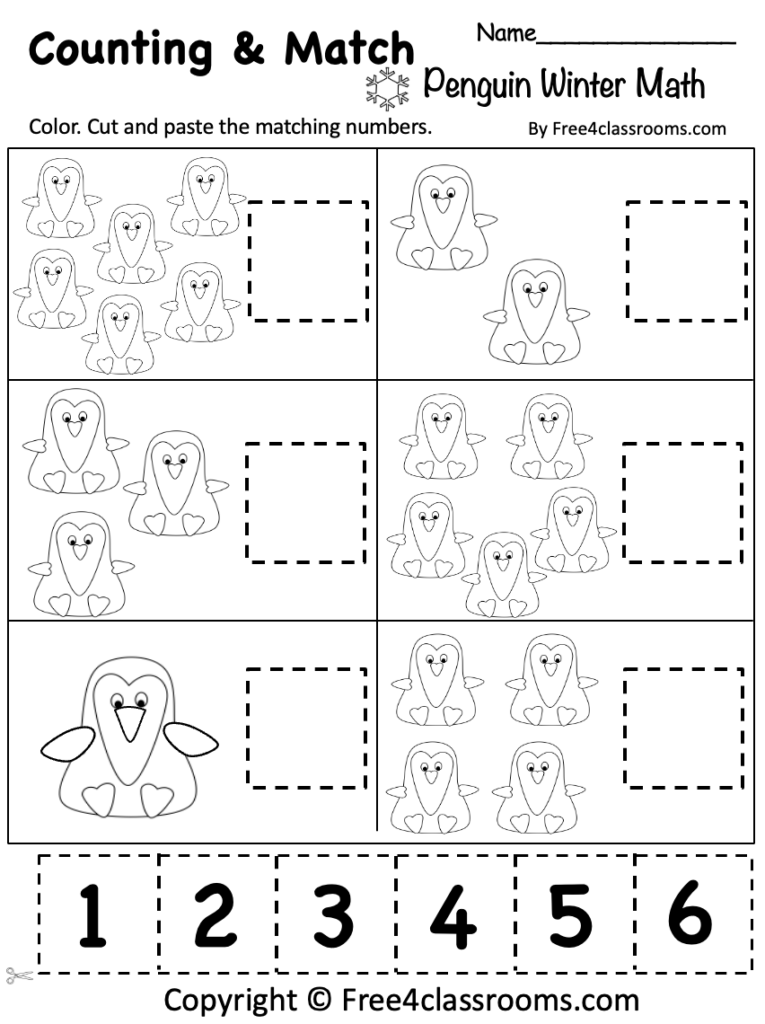
Parents and teachers can use prek math worksheets best when they supervise lightly and keep the activity playful. Read directions aloud, point to the pictures, and let children answer with crayons, stickers, or finger tracing when possible. Praise effort and give help only when needed so the child stays engaged. A short worksheet session works better than a long one, and it can easily fit into centers, morning work, or quiet time. With the right balance, worksheets become a simple, low-pressure way to build early math confidence.