
Magnet worksheets for elementary students work best when they match simple science goals and stay easy to use. The most helpful pages focus on attraction and repulsion, magnetic and non-magnetic materials, and basic observation skills. For young learners, look for clear pictures, short directions, and activities that support a hands-on magnet lesson without adding too much reading or writing.
Key magnet concepts
The strongest worksheets for elementary science usually cover a few core ideas students can see and test. Sorting pages help children decide which objects are magnetic, while labeling and matching pages reinforce vocabulary like magnet, attraction, and repulsion. Prediction sheets are useful when students guess what will happen before testing paper clips, coins, or plastic items. Recording pages can also guide simple observations, such as whether an object moved, stuck, or stayed the same.
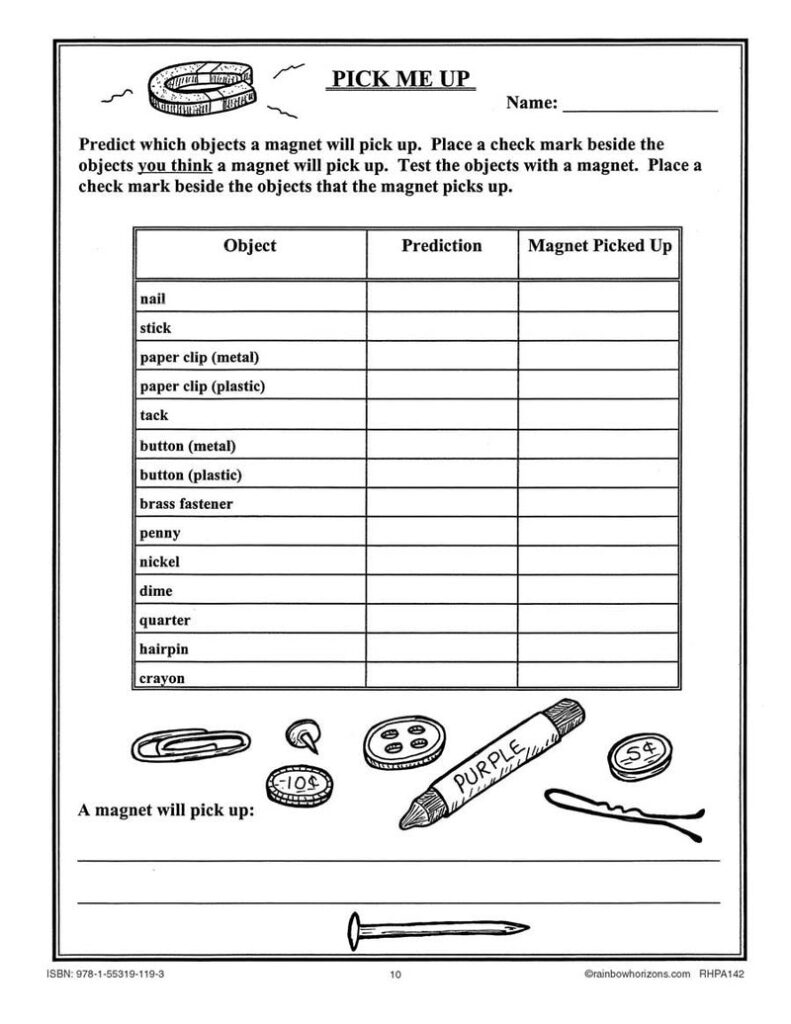
Age-appropriate formats matter as much as the science. In early elementary grades, worksheets should use large visuals, simple one-step directions, and little written response. Picture-based sorting, circling, coloring, and checkmark pages are often easier than long sentences. Upper elementary students can handle more space for notes, a basic data table, or a short conclusion. The best pages feel familiar and manageable, so students can focus on what the magnet did instead of decoding the worksheet.
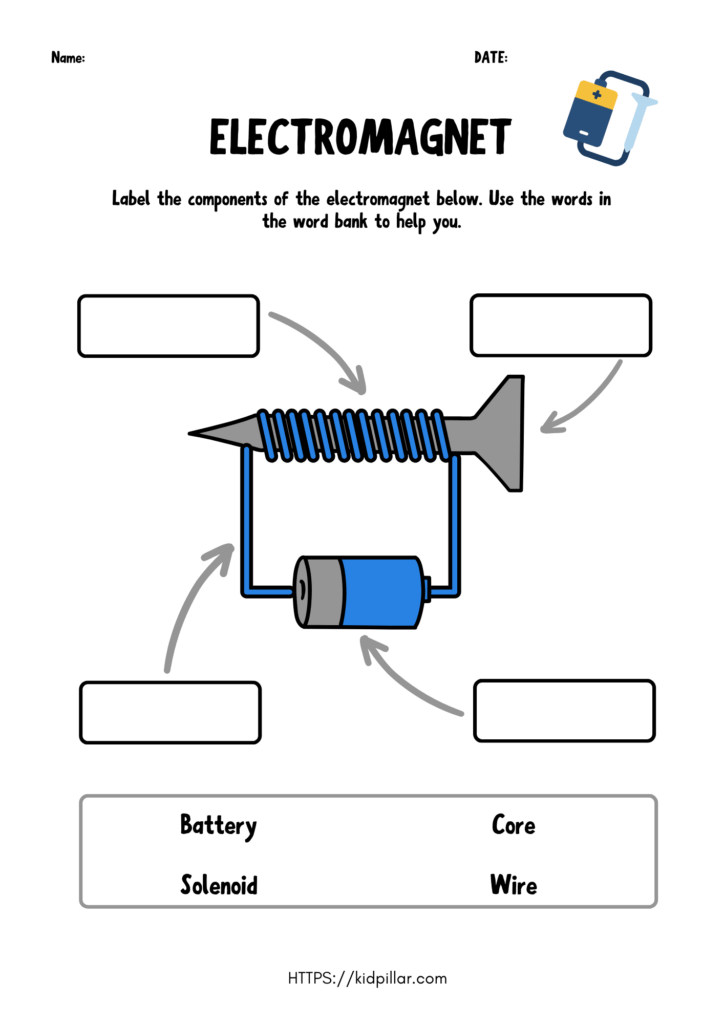
Best activity types
For classroom use, the most practical magnet worksheets are the ones that fit a quick investigation. A teacher might use a prediction page before testing classroom objects, then a recording sheet after students try the magnet. Sorting worksheets work well for centers or review, especially when paired with real items or picture cards. Simple experiment pages that ask students to test, observe, and report are also useful because they connect the worksheet to a hands-on lesson rather than treating it as isolated seatwork.
When choosing magnet worksheets for elementary students, look for strong lesson alignment. A good worksheet should support a magnets lesson, a science center, or a small group investigation, not replace the activity itself. Teachers and parents should check that the page uses familiar objects, clear visuals, and age-level reading demands. The best choice is usually the one that helps students notice magnet behavior, record what they see, and practice the science vocabulary they are already learning.



