
Teamwork worksheets for children give kids a simple way to practice working with others in a structured, low-pressure format. The best worksheets focus on cooperation, turn-taking, communication, and shared problem-solving. They can help children think through what good teamwork looks like before they try it in a game, classroom activity, or small group task.
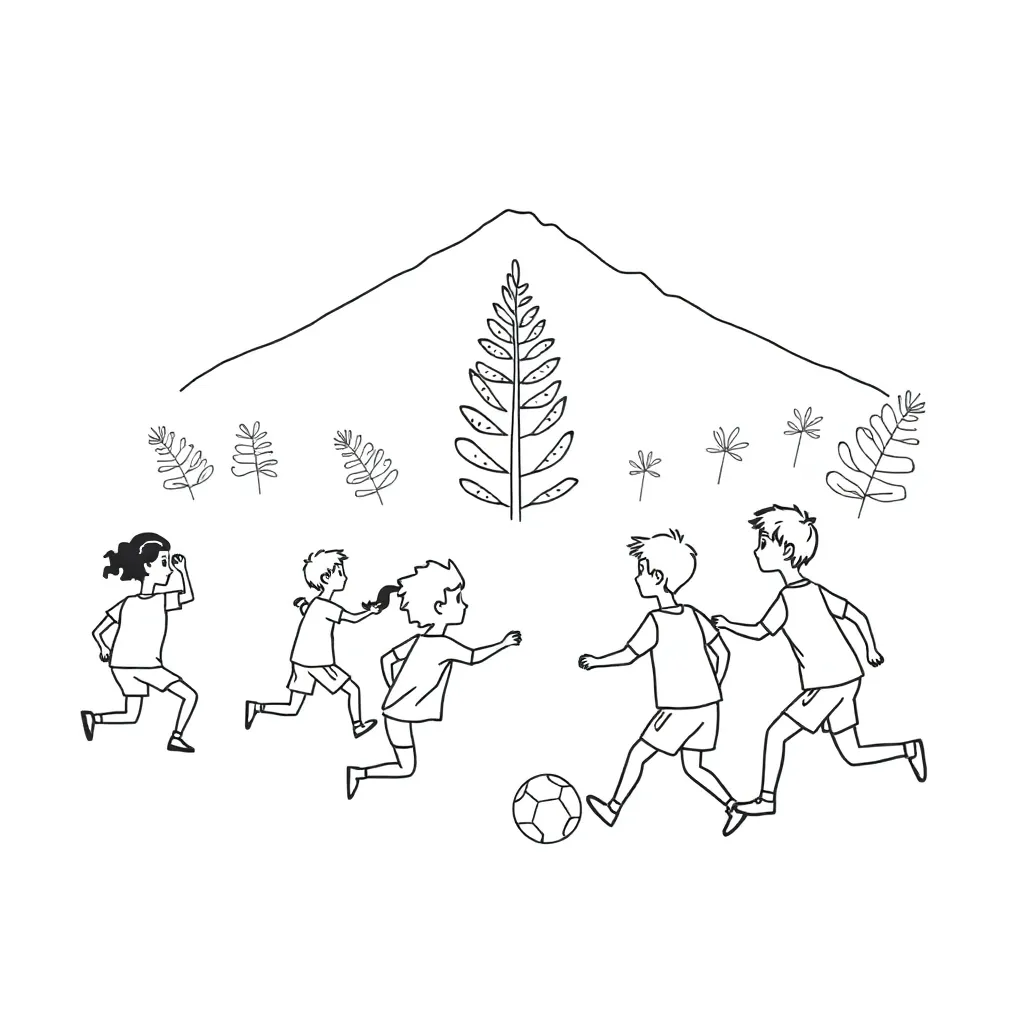
The most useful worksheets usually use clear, age-appropriate tasks instead of long reading passages. Matching activities can pair teamwork words with actions, such as listening, sharing, or helping. Discussion prompts can ask children to name ways to solve a problem together. Scenario-based worksheets are also helpful because they let children choose the best response when a partner needs a turn or when a group disagrees. Simple group tasks, like planning a shared project, can turn the worksheet into a short practice experience.
Best worksheet types
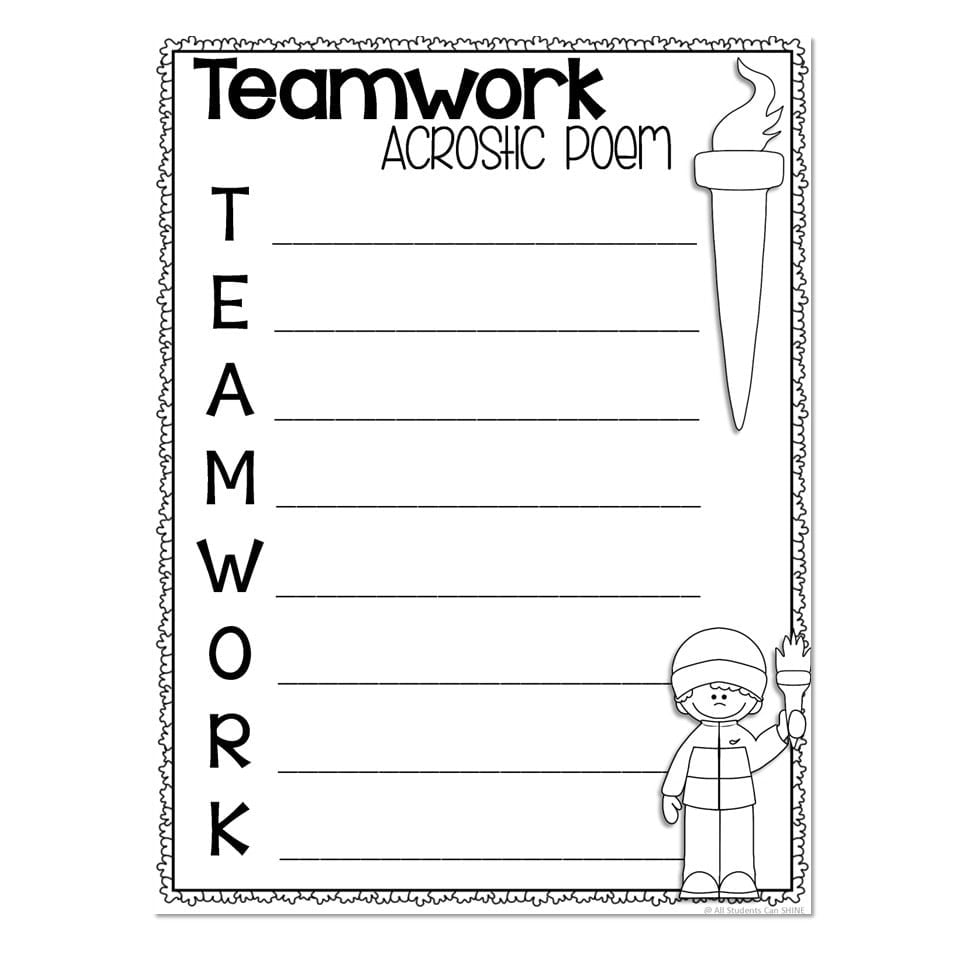
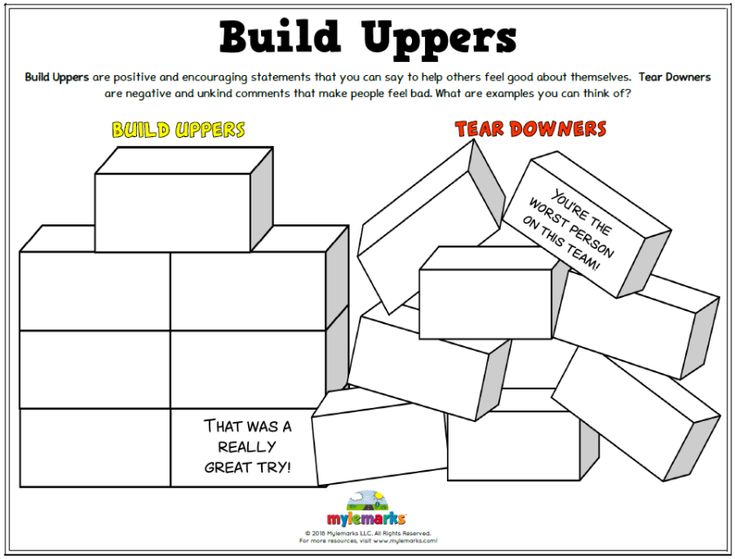
For younger children, instructions should be brief, visual, and easy to follow. Pictures, checkboxes, circles, and cut-and-paste steps work better than dense text. Preschool and early elementary learners often need one idea per page and enough space to answer without frustration. Older children can handle short written responses, but the goal should still be clear: help them recognize teamwork behaviors and practice them in a concrete way. If the reading load is too heavy, the teamwork skill can get lost.
How adults can use them
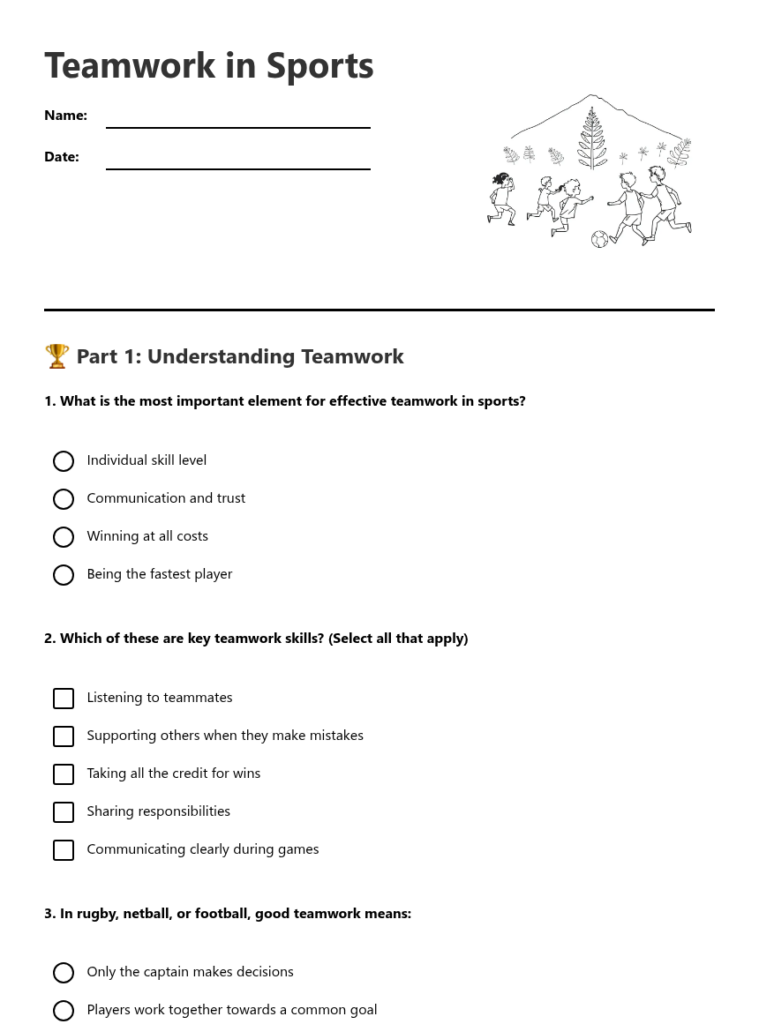
Adults can use teamwork worksheets for children at home, in class, or in small groups by pairing the page with quick discussion or a short activity. A parent might complete one worksheet before a family game that requires sharing roles. A teacher can use a worksheet during partner work to set expectations for listening and taking turns. In a small group, children can compare answers and explain why one choice supports the team better than another. That keeps the worksheet practical, not just written.
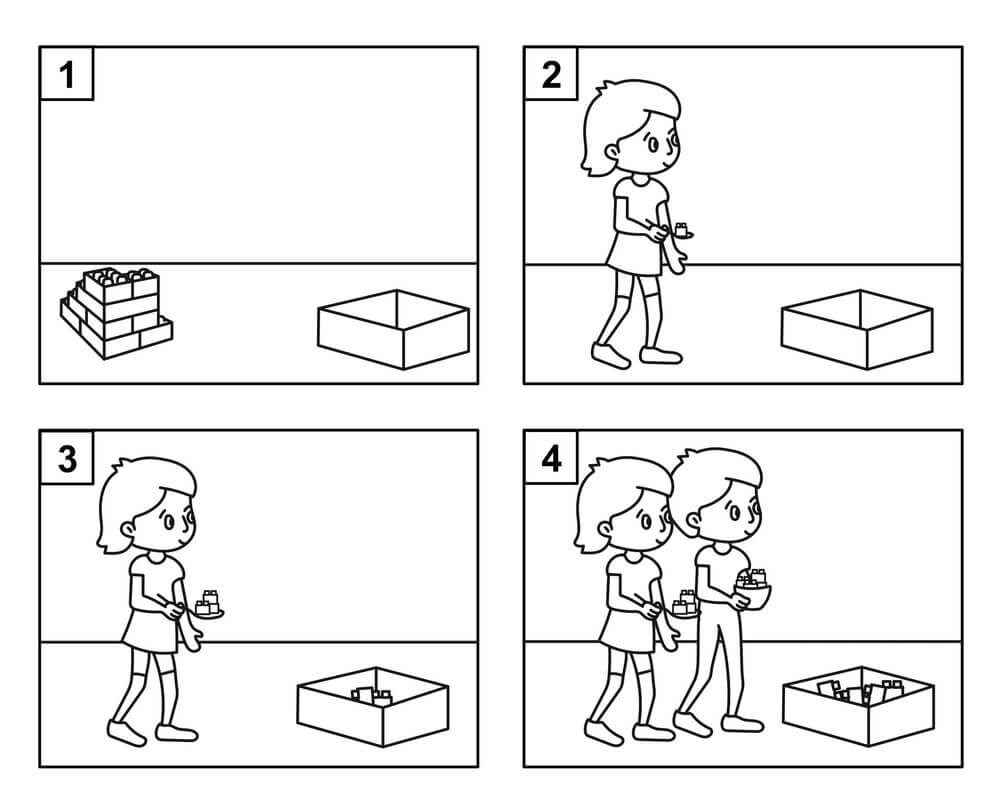
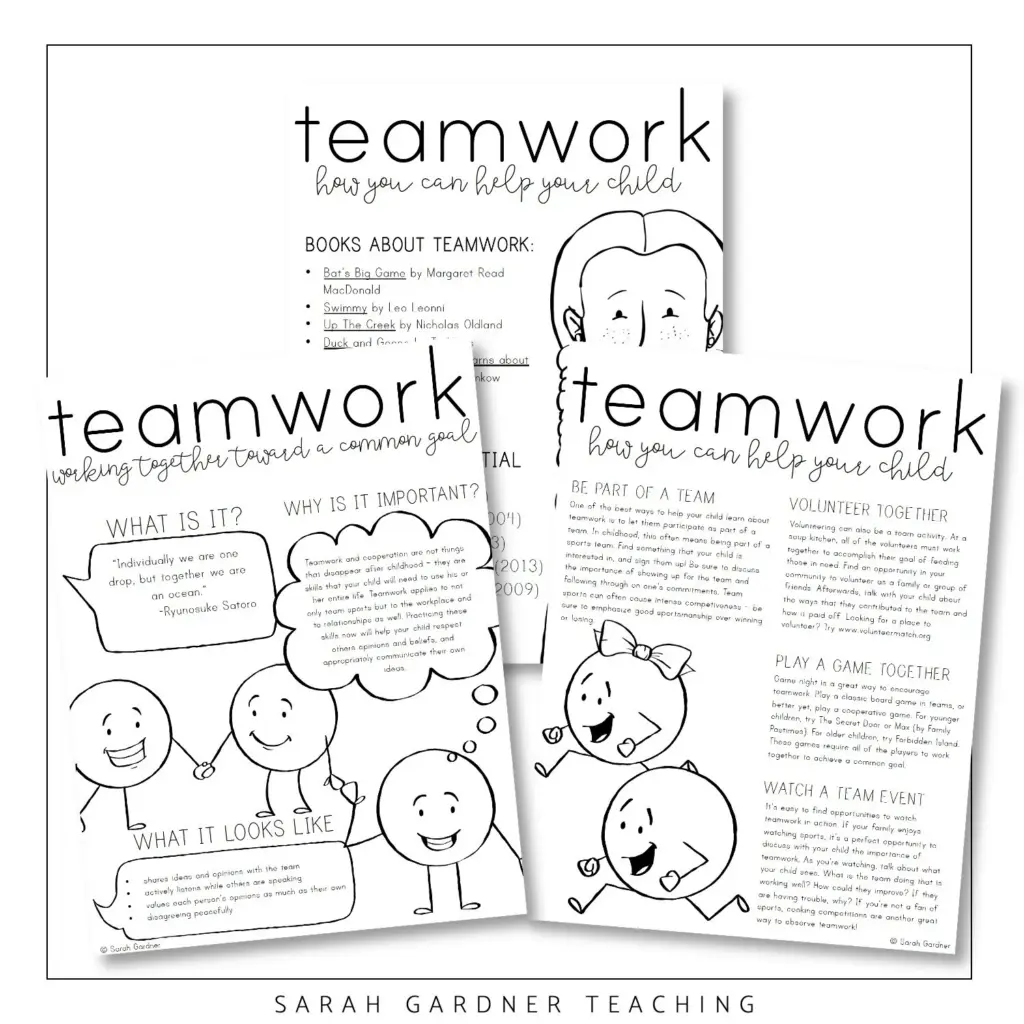
The strongest worksheets do more than ask children to define teamwork. They guide kids to notice how cooperation, communication, and shared problem-solving work in real situations. When choosing teamwork worksheets for children, look for age-fit, simple directions, and tasks that encourage both thinking and practice. Used well, they can be a quick and effective way to build teamwork habits in everyday settings.



