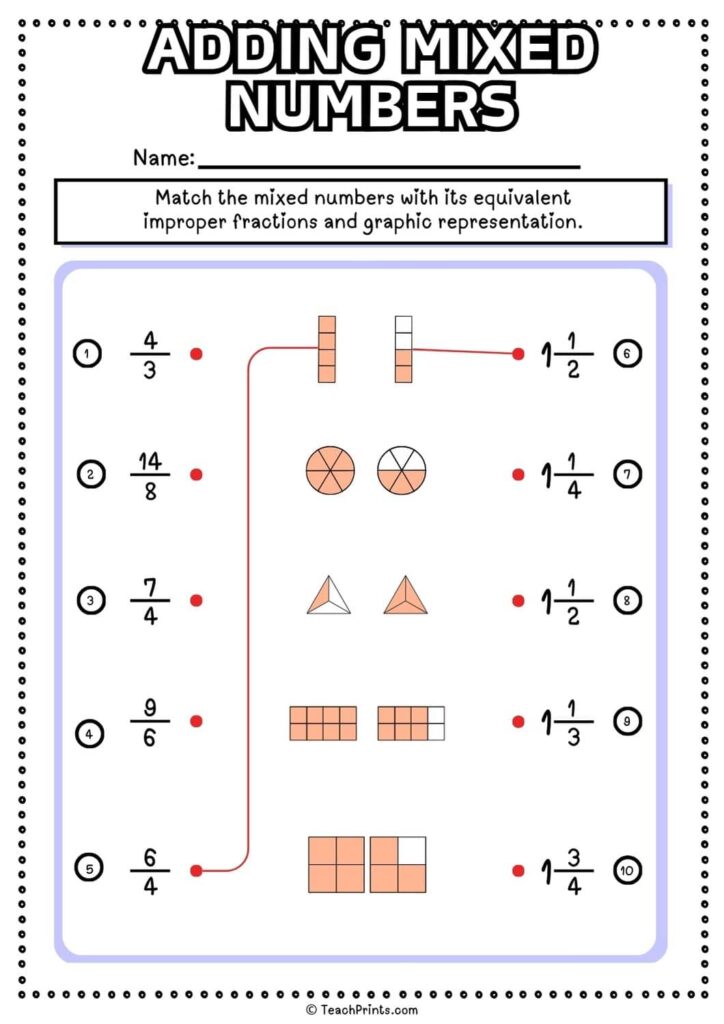
A mixed numbers worksheet helps learners practice a key fraction skill in a simple, structured way. Mixed numbers combine a whole number and a fraction, such as 2 1/3 or 5 3/4. A good worksheet makes that idea clear with short exercises that build confidence step by step. It should help students recognize mixed numbers, read them correctly, and work with them in basic math problems.
What Mixed Numbers Mean
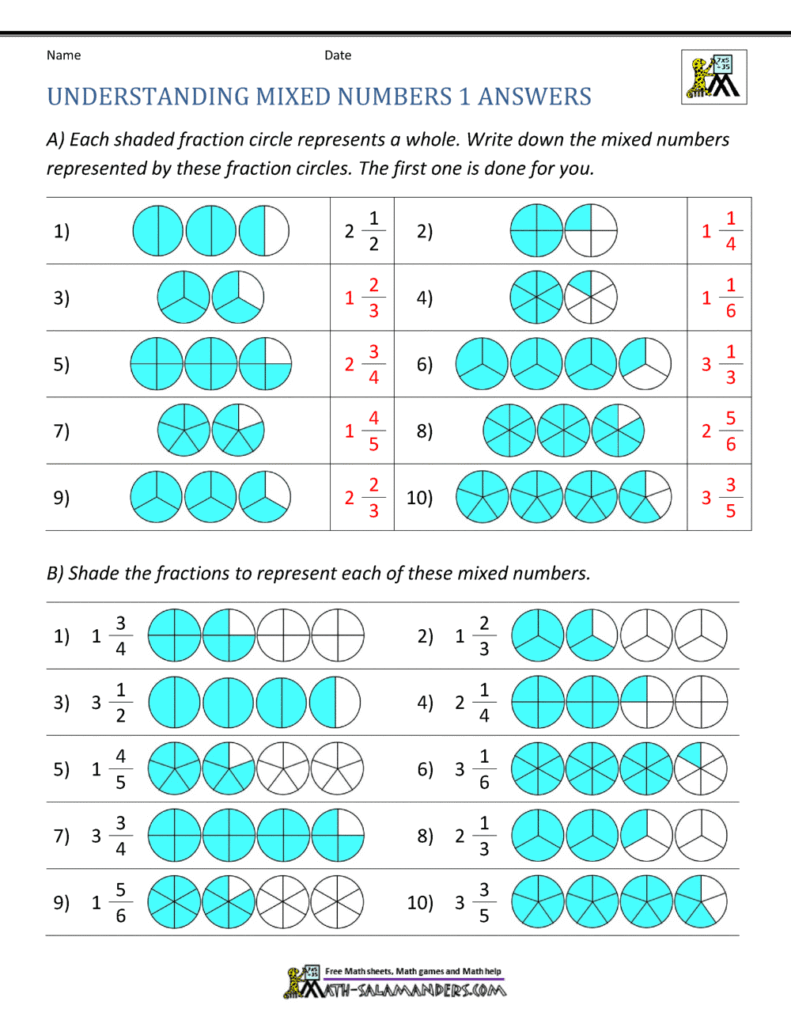
In simple terms, a mixed number is a whole number plus a fraction. It shows a quantity larger than one whole, but still not a complete next whole number. For example, 3 1/2 means 3 whole units and one-half of another unit. A mixed numbers worksheet should make this idea easy to see with number examples, picture models, or fill-in-the-blank items. That way, learners understand what the number represents before they solve anything.
This early clarity matters because mixed numbers can look confusing at first, especially for students who are still learning how fractions and whole numbers work together.
Skills the Worksheet Practices
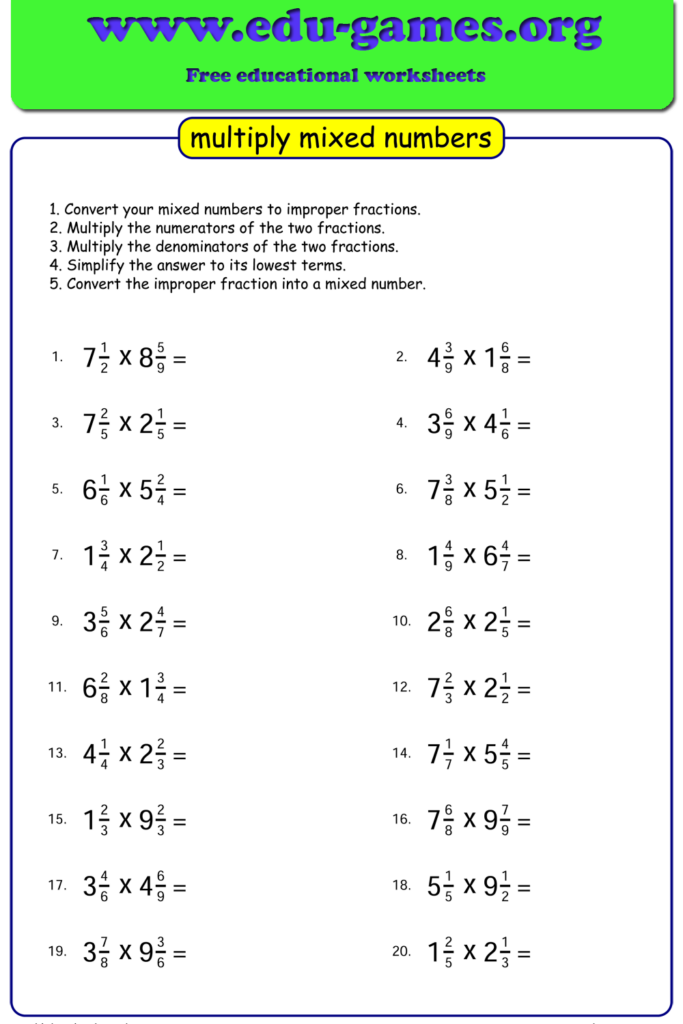
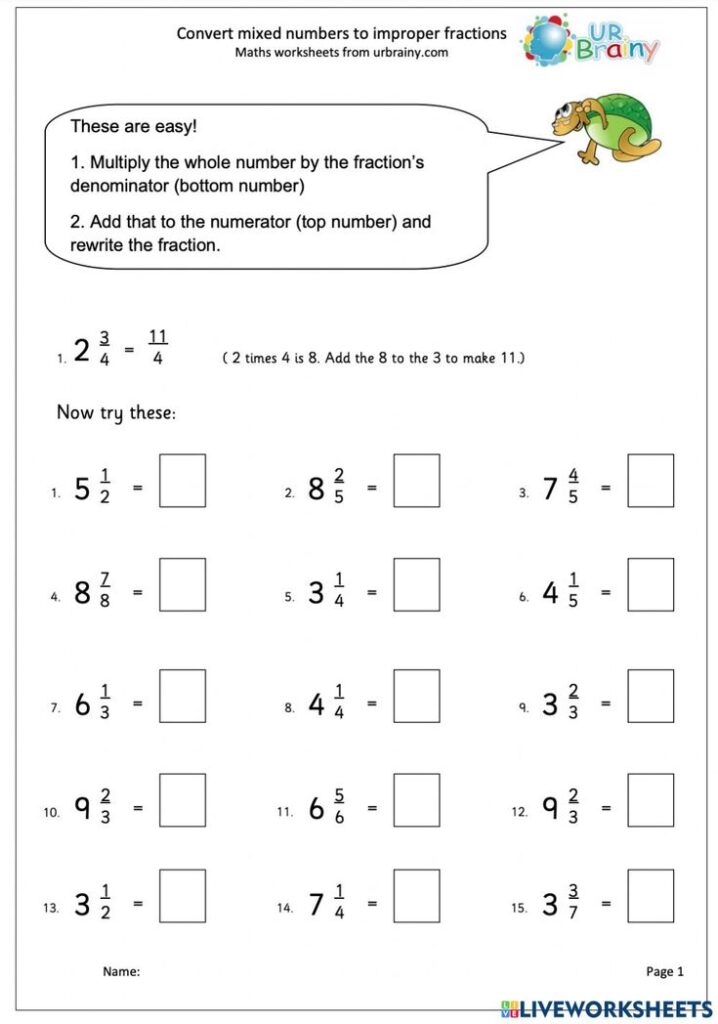
The best mixed numbers worksheet focuses on three core skills: identifying mixed numbers, converting between mixed numbers and improper fractions, and solving simple problems with them. Identification tasks might ask students to circle the mixed number or match it to a picture. Conversion practice helps them see that a mixed number can be rewritten another way without changing its value.
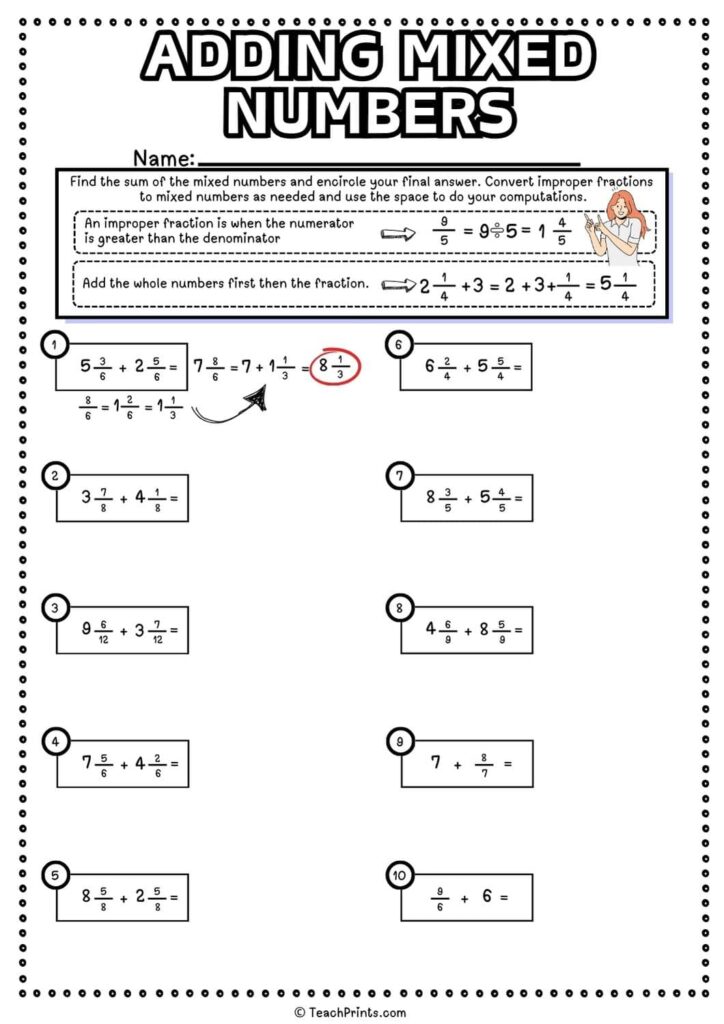
Basic solving can include adding, subtracting, or comparing mixed numbers at an introductory level. These exercises work well when they stay concrete and straightforward, with enough repetition for practice but not so much that the page becomes crowded or overwhelming.
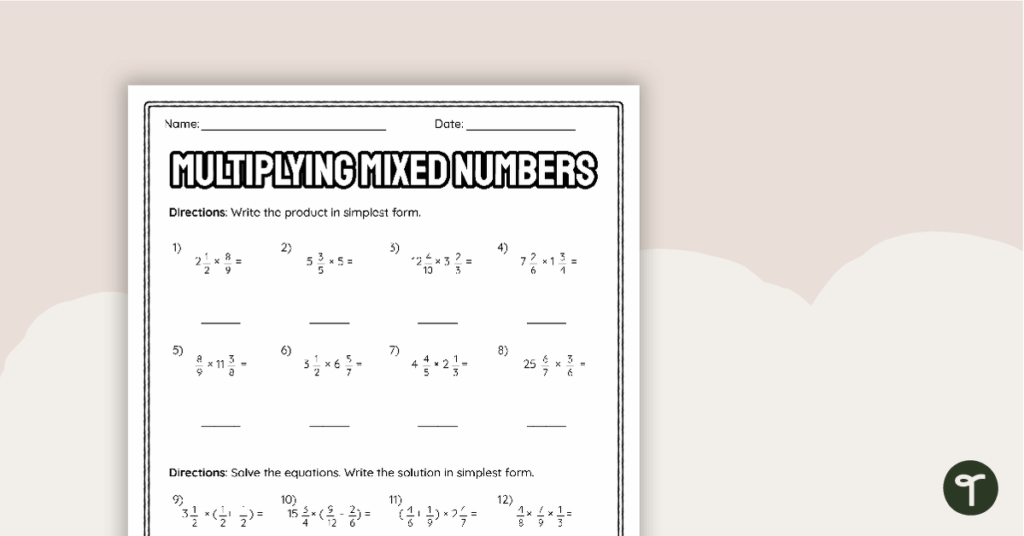
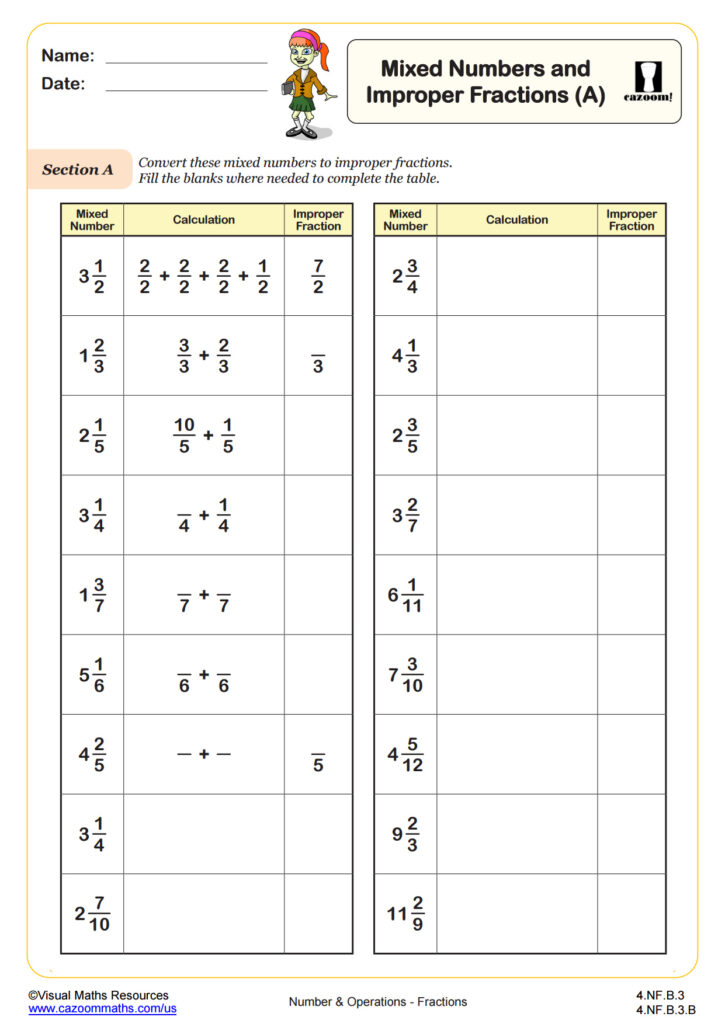
A mixed numbers worksheet is usually appropriate for elementary learners in upper grades and for middle school students who are building fraction fluency. It is especially useful for students who already understand whole numbers and simple fractions but need more practice connecting the two. The worksheet should match basic skill level rather than advanced math, so learners can focus on accuracy and confidence.
When the problems are clear and the directions are simple, the worksheet can work well for classwork, homework, review, or independent practice. The goal is steady reinforcement, not complex problem solving.