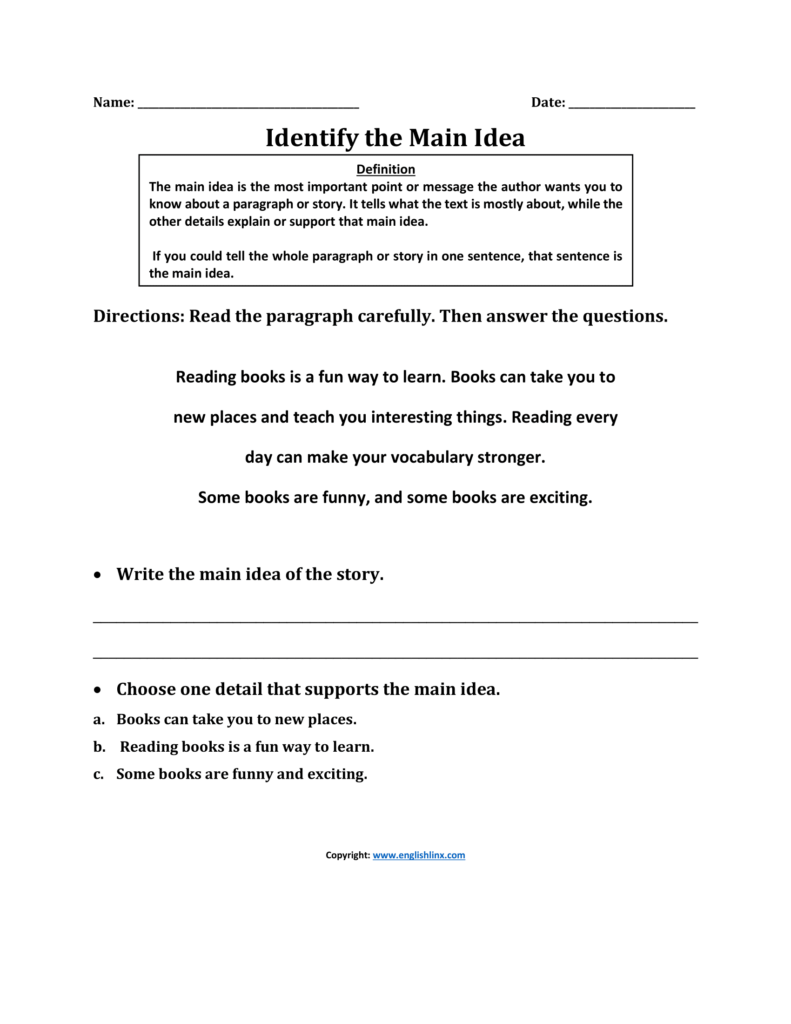
Main idea worksheets for parents can make reading practice simpler and more focused at home. These worksheets usually give a short passage and ask the child to identify the main idea, sometimes with supporting details or multiple-choice answers. Used well, they help children move beyond just reading words and start explaining what a text is mostly about.
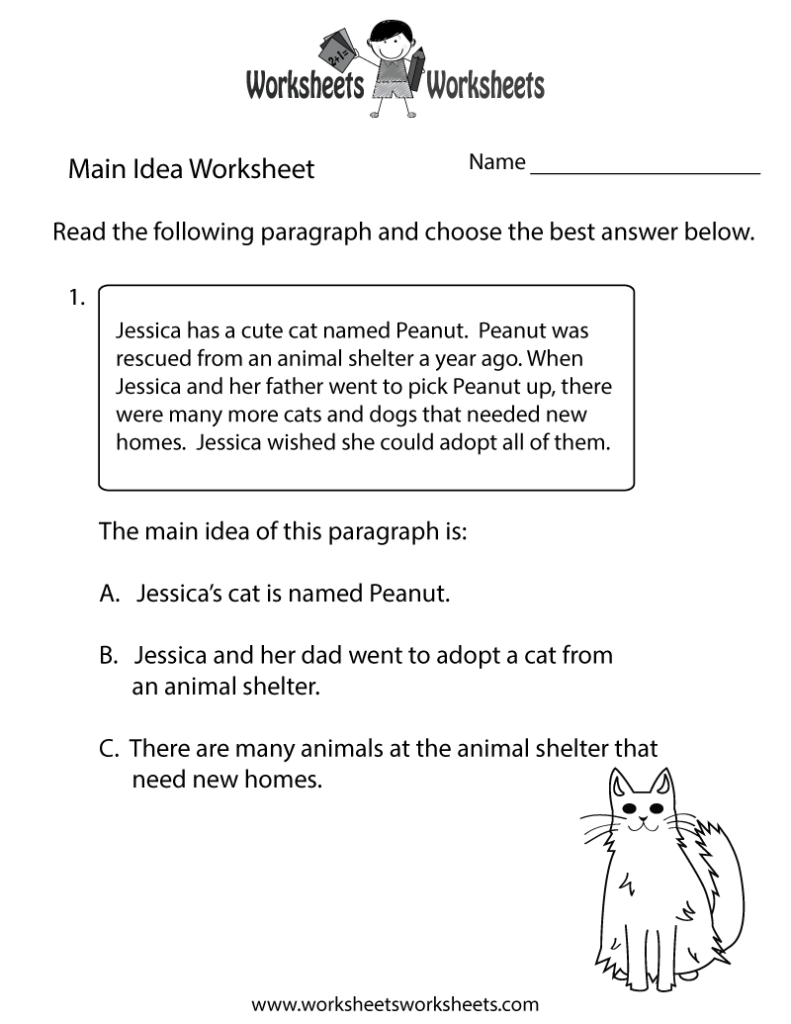
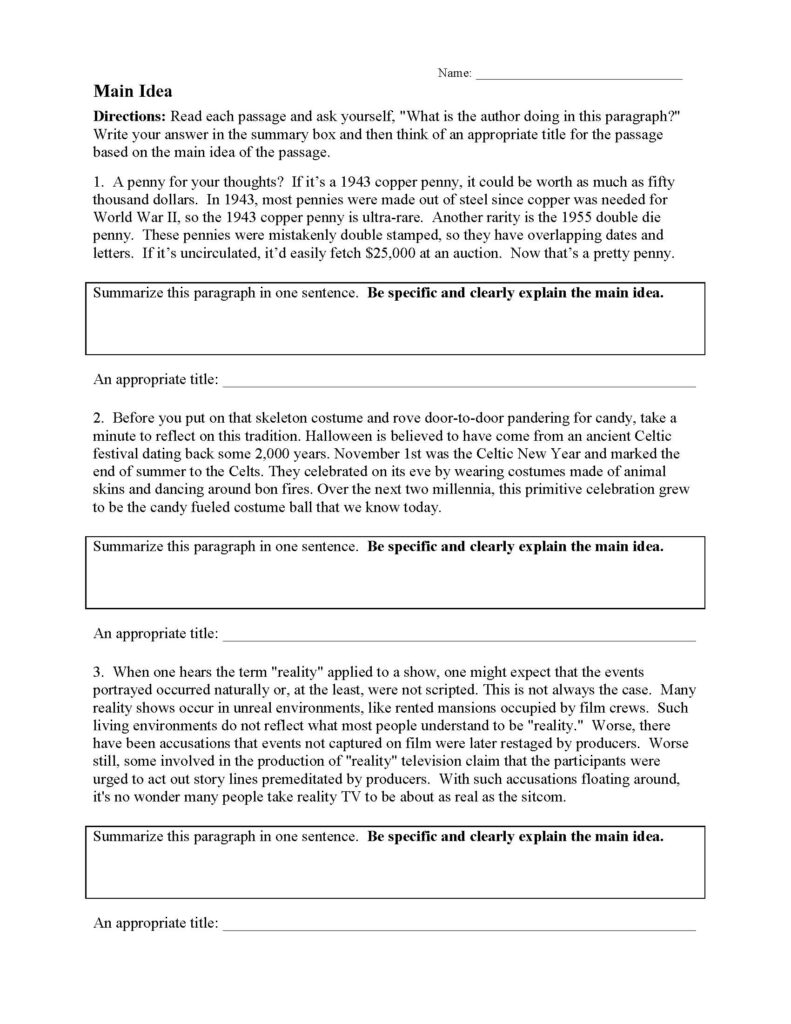
A main idea worksheet is a short reading exercise built around a passage that has one central point. It supports reading comprehension by teaching children to separate the big idea from smaller details. That skill matters because strong readers do more than retell facts; they summarize, compare information, and explain what the author is mostly saying. Parents can use these worksheets after a child reads once, then ask a simple prompt like, “What is this passage mostly about?” before checking the answer choices.
Using Them at Home
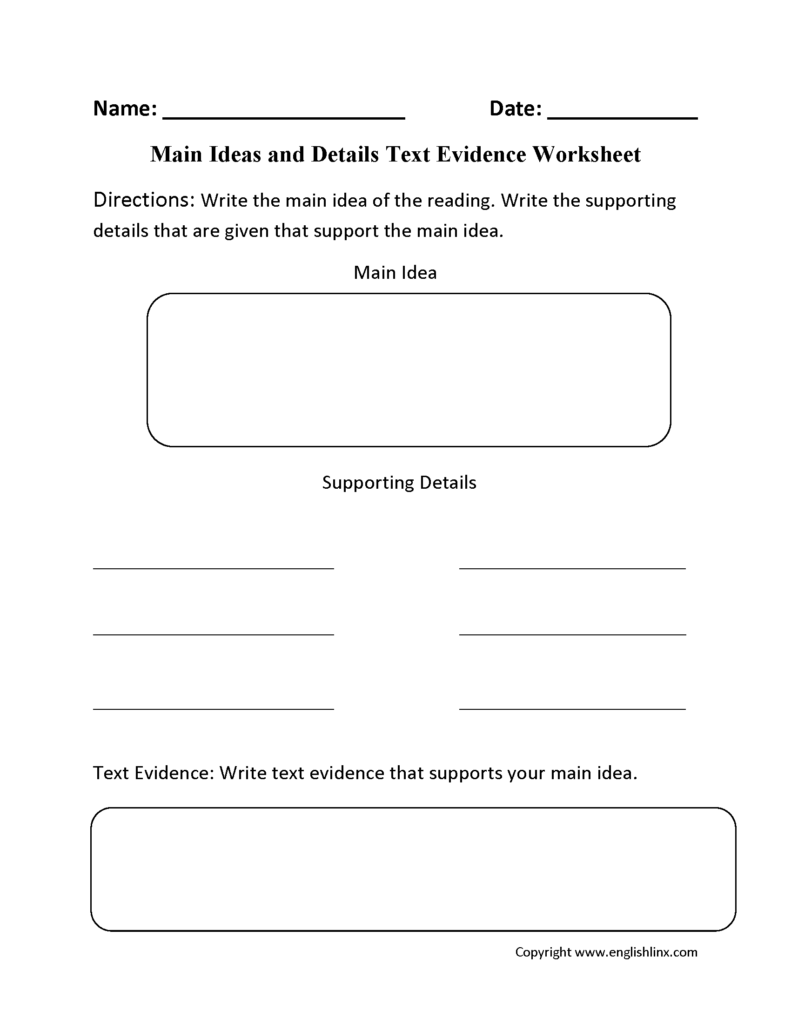
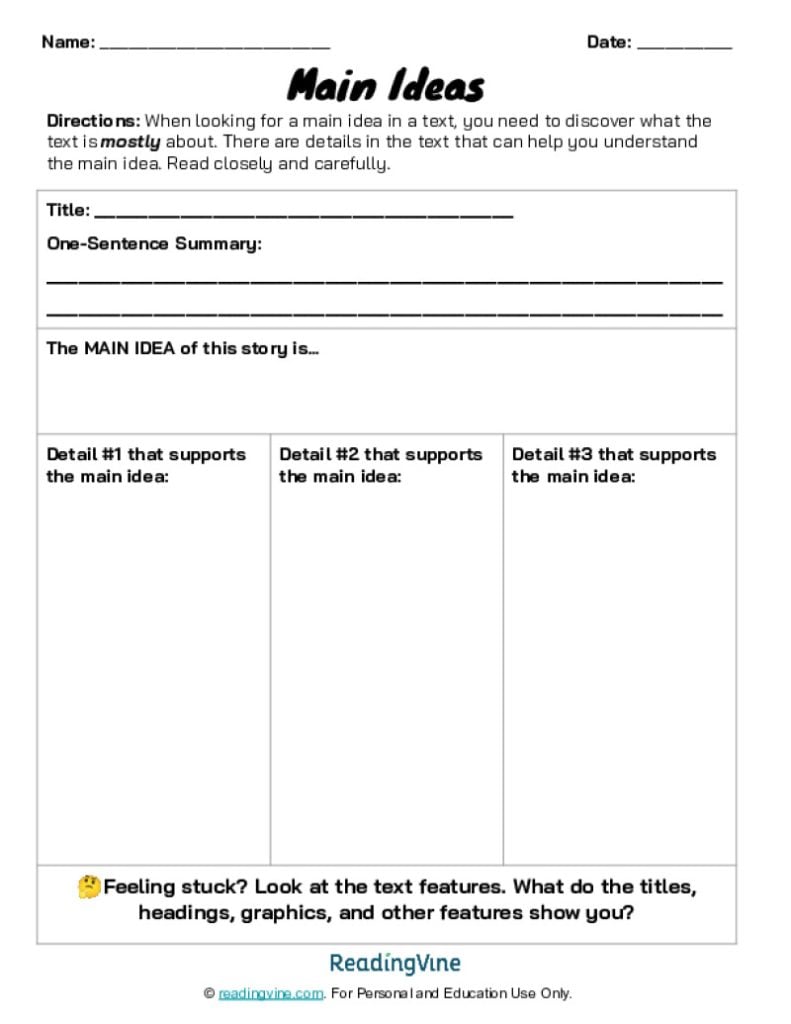
At home, keep the routine brief and conversational. Read the passage together if needed, then ask the child to underline a sentence that seems important or tell you the topic in one phrase. If the worksheet includes multiple-choice answers, have the child explain why one option fits best. If it uses short answers, encourage complete but simple responses. The goal is not speed; it is helping the child notice how details support one central idea. A few minutes of guided practice is often enough.
Choosing the Right Level
A good worksheet matches the child’s grade and reading level. For younger children, passages should be short, familiar, and written in clear sentences with obvious supporting details. Older children can handle longer passages, slightly less direct clues, and questions that ask them to explain the main idea in their own words. Look at the question format too: multiple choice can reduce frustration, while open-ended questions show deeper understanding. The best choice is one that challenges the child without overwhelming the reading itself.
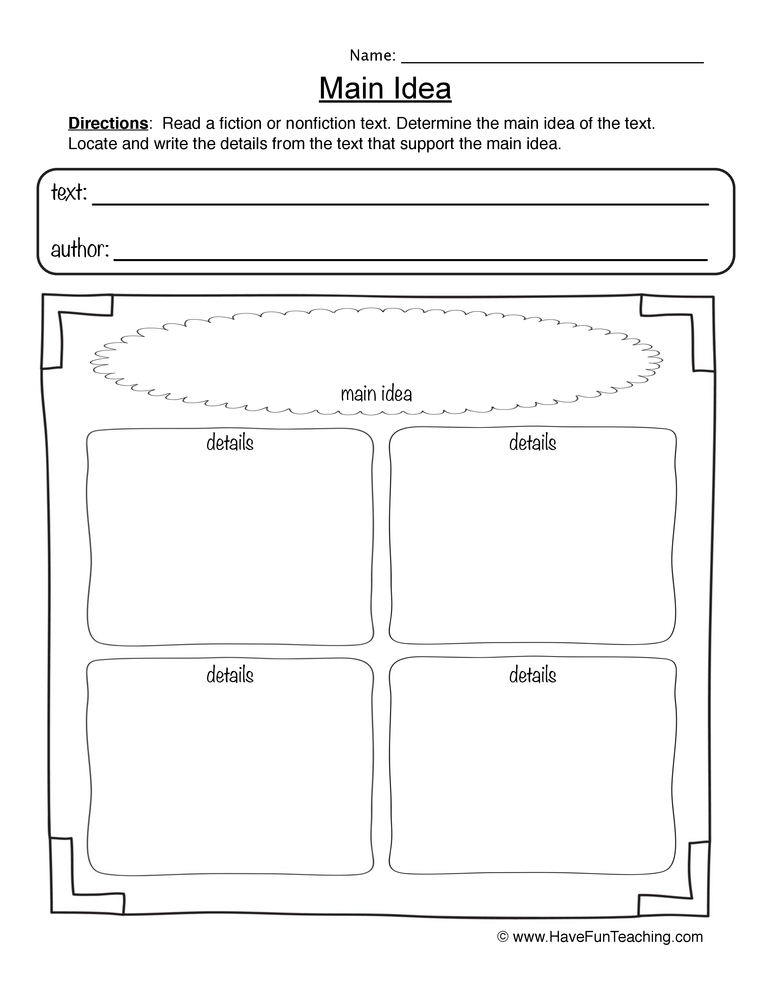
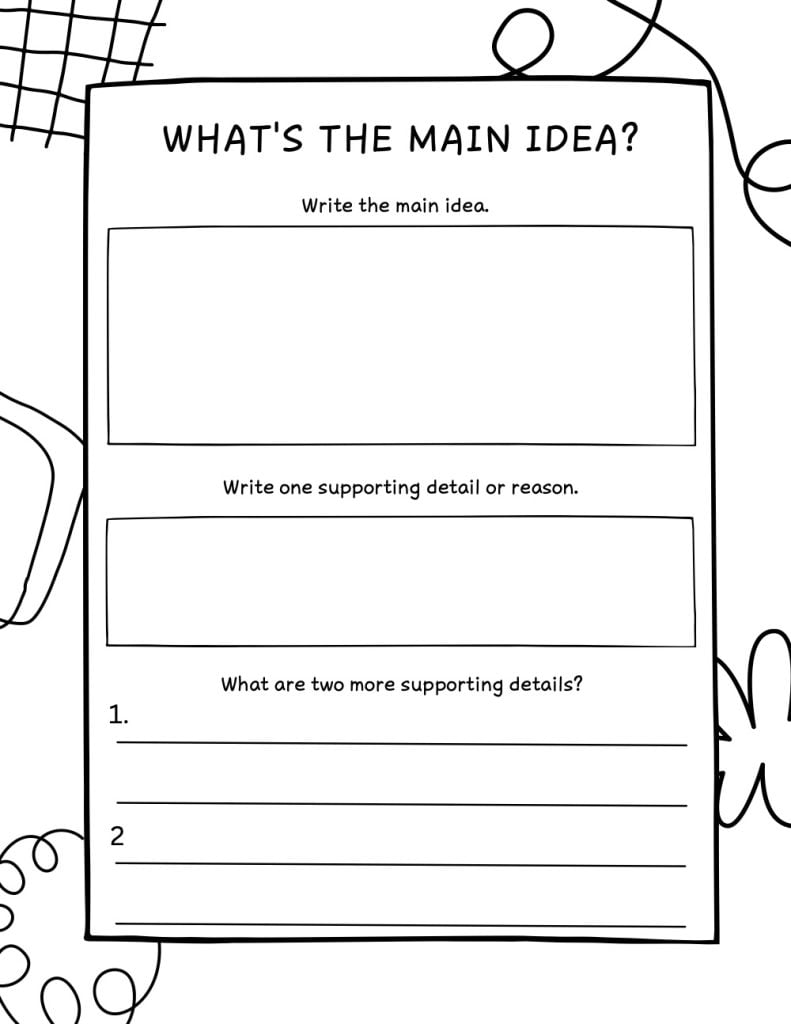
A child likely understood the main idea if they can say the passage’s big point in a general way, even if the wording is different from the worksheet. If they only list scattered facts, they may be recalling details without seeing the overall message. Another sign of understanding is when they can group details into one category, such as “This passage is about caring for pets,” instead of naming every pet fact separately. When that happens, they are ready for a slightly harder worksheet.